Cartouche met schelpen — History & Facts
Can paint confess what words never could? In the stillness of Cartouche met schelpen, yearning unfolds in every brushstroke, whispering secrets that linger in the silence. Focus first on the ornate cartouche, gracefully cradled in the center. Notice how the intricate details of the design entwine with the delicate shells, each curve and line inviting you into a world that dances between elegance and nature. The muted palette, dominated by soft earth tones, creates a serene atmosphere, while subtle highlights draw your eye to the textures, making the shells appear almost tangible. Dig deeper, and you'll find that the juxtaposition of the shells against the cartouche speaks to the tension between opulence and simplicity.
The shells, symbols of the ocean’s depth and mystery, contrast sharply with the man-made elegance of the cartouche, suggesting a longing for the natural world amidst the rigid structures of human artistry. This interplay reveals a deeper emotional landscape, reflecting a desire for connection that transcends material wealth. Reinier Nooms created this piece between 1651 and 1652 during a time of flourishing artistic innovation in the Netherlands. Living in a period marked by the rise of still life painting, he sought to capture the delicate balance between nature and artifice.
The era was rich with exploration, both in trade and artistic expression, influencing the themes of longing and beauty that resonate throughout his work.
More Artworks by Reinier Nooms
Browse all →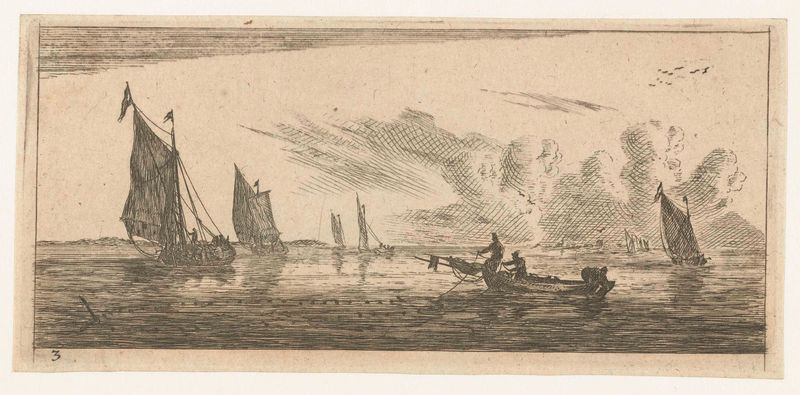
Zeegezicht met verschillende zeilschepen
Reinier Nooms
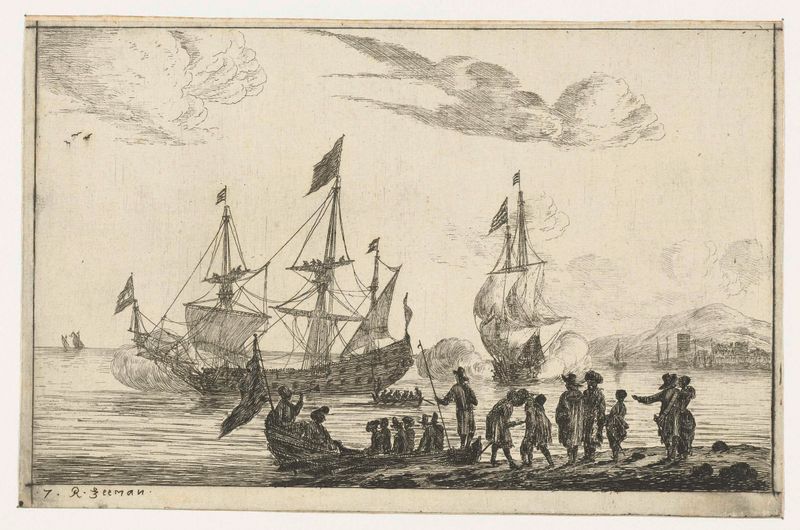
Havenscène met een spiegelsloep
Reinier Nooms
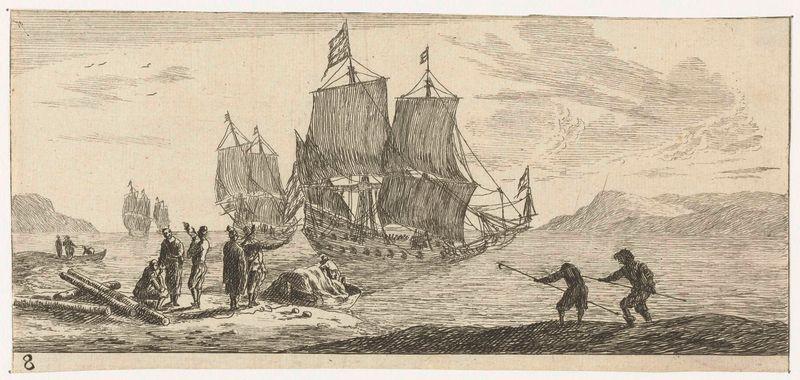
Vier grote zeilschepen in een baai
Reinier Nooms
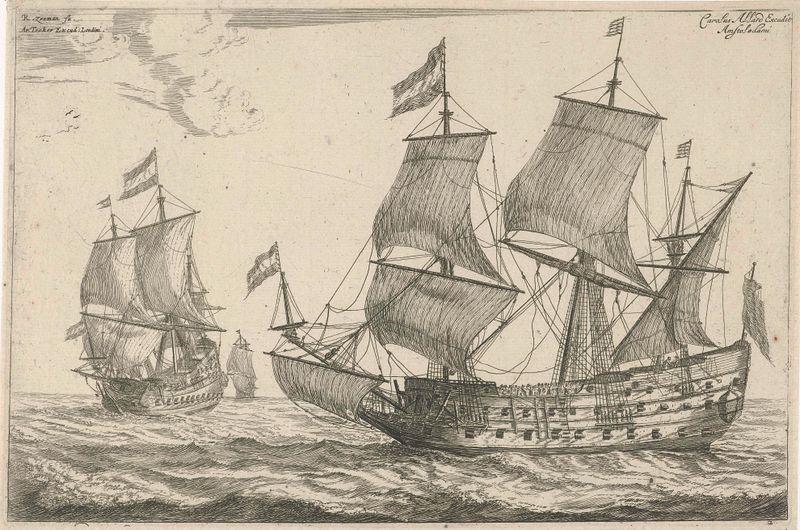
Twee grote oorlogsschepen
Reinier Nooms
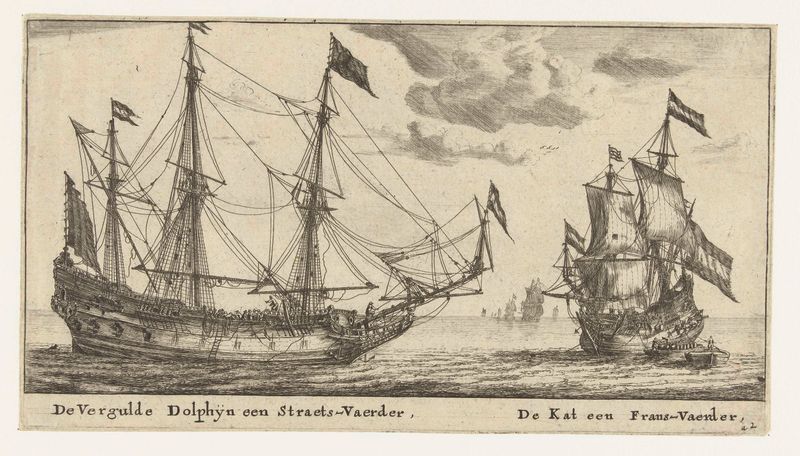
De schepen De Vergulde Dolfijn en De Kat
Reinier Nooms
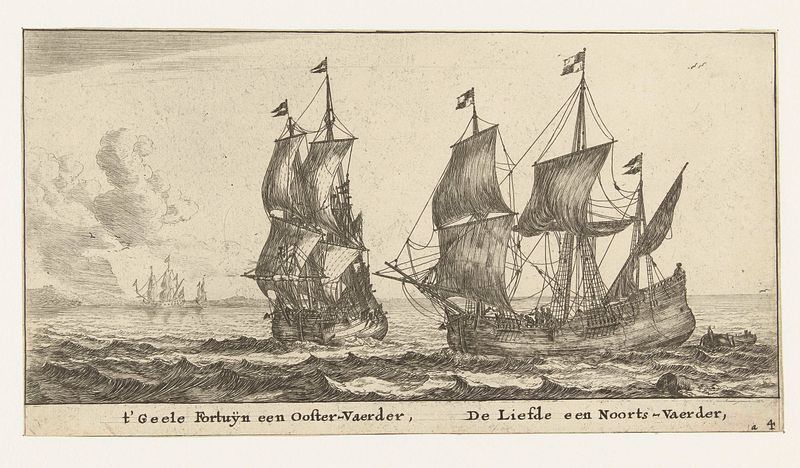
De schepen 't Gele Fortuin en De Liefde
Reinier Nooms
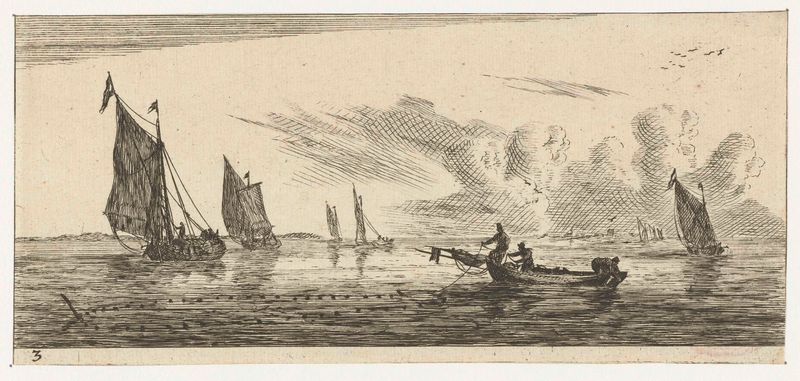
Zeegezicht met verschillende zeilschepen
Reinier Nooms
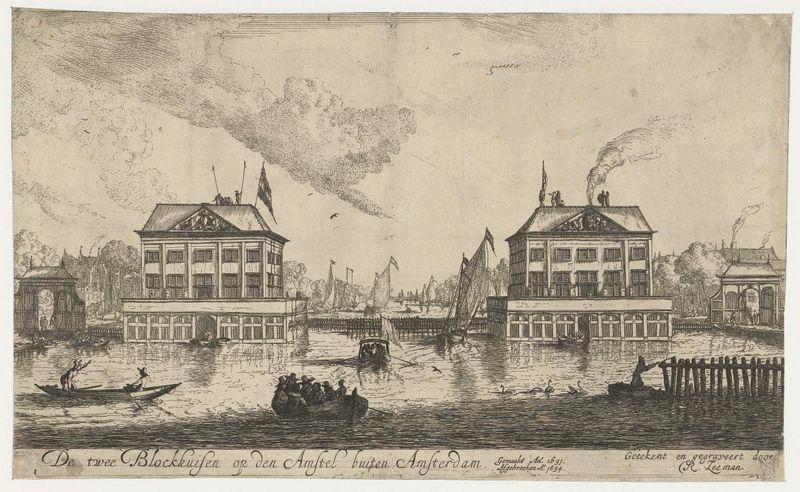
Gezicht op de twee Blokhuizen in de Amstel
Reinier Nooms
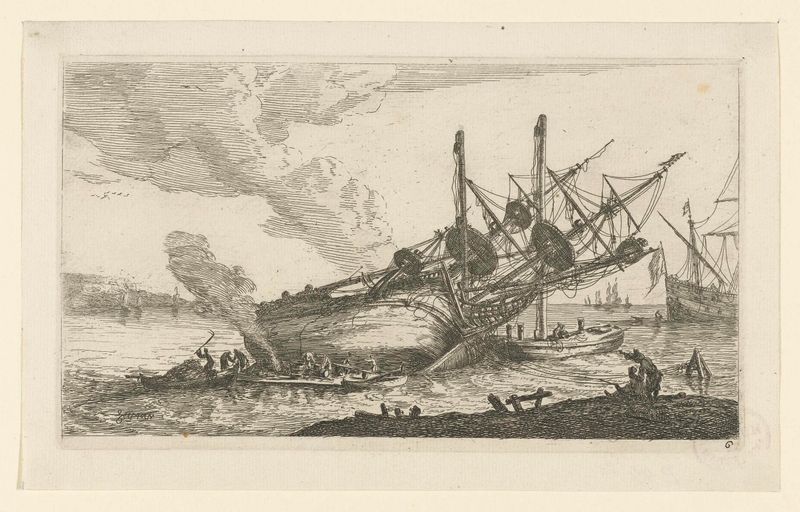
Reparaties aan de romp van een schip
Reinier Nooms
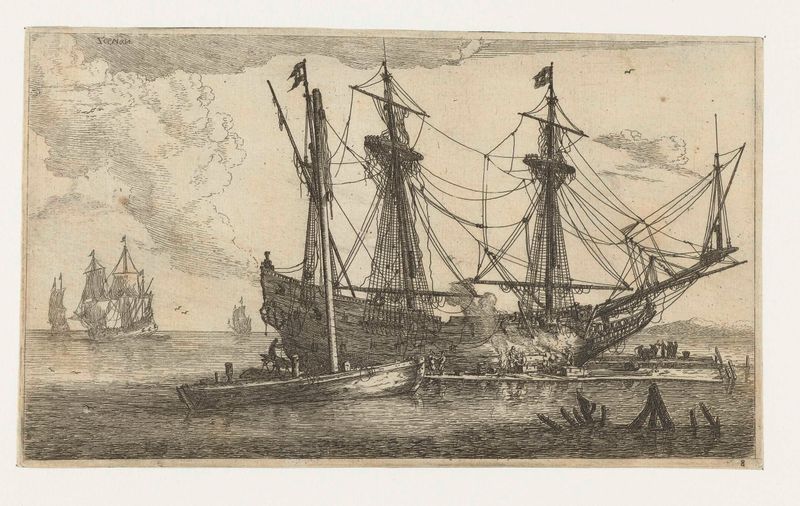
Reparaties aan de romp van een schip
Reinier Nooms