
Castle of Schrecstein on the Elbe — History & Facts
Did the painter know this moment would outlive them? In Castle of Schrecstein on the Elbe, the ephemeral beauty of nature intertwines with the enduring essence of memory, as if the very stones of the castle bear witness to time's passage. Look to the left at the sweeping banks of the Elbe River, where lush greenery gently embraces the water's edge. Notice how soft, dappled light filters through the trees, creating a vibrant contrast against the timeless stone of the castle perched on the hill. The artist employs a delicate palette of greens, blues, and warm earth tones, forming a tranquil harmony that invites contemplation.
The placement of the castle within the landscape conveys a sense of awe, as if it is both a part of the natural world and a solitary guardian of history. Beneath the surface, a deeper reflection emerges: the tension between permanence and transience. The castle, steadfast amidst the flowing river, symbolizes resilience against the inevitable changes of time. Meanwhile, the flowing water suggests memory's fluidity, a reminder that life is ever-changing, yet some echoes remain.
The interplay of light and shadow embodies the passage of time itself—capturing both the beauty of the moment and the longing for what has been lost. John Warwick Smith painted this piece in 1817, a time when Romanticism was flourishing across Europe, celebrating nature's beauty and the sublime. Living in England, he was influenced by the picturesque landscapes of the continent, as well as the emerging fascination with the sublime in art. His works often evoke nostalgia, capturing fleeting moments that resonate with viewers long after they have gazed upon them.
More Artworks by John Warwick Smith
Browse all →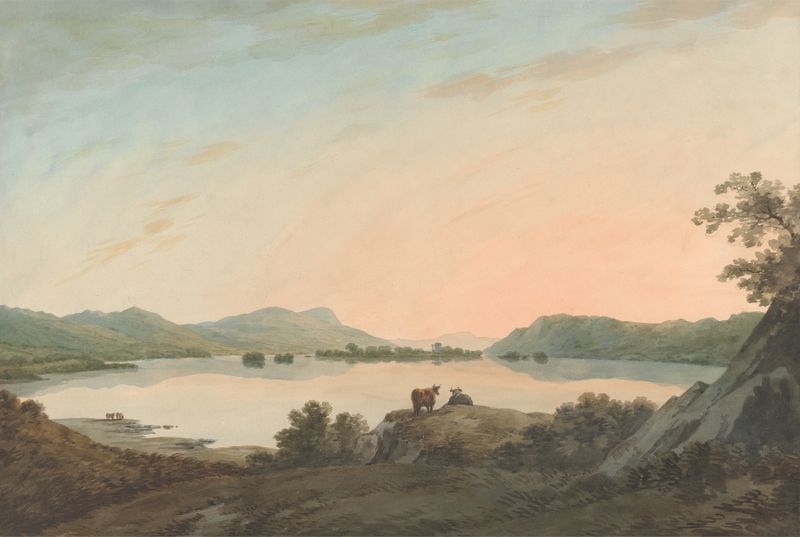
Lake Windermere from Calgarth with Belle Isle
John Warwick Smith
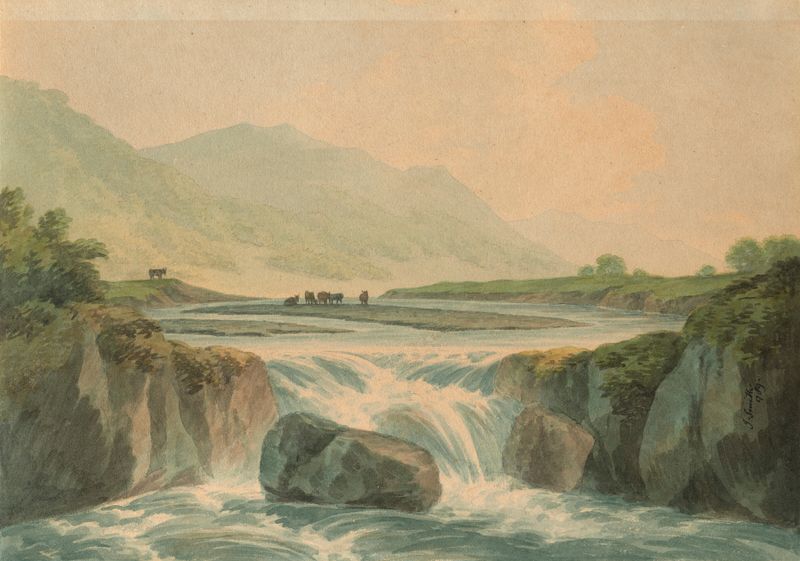
A waterfall on the River Rheidol, with cattle in the distance, North Wales
John Warwick Smith
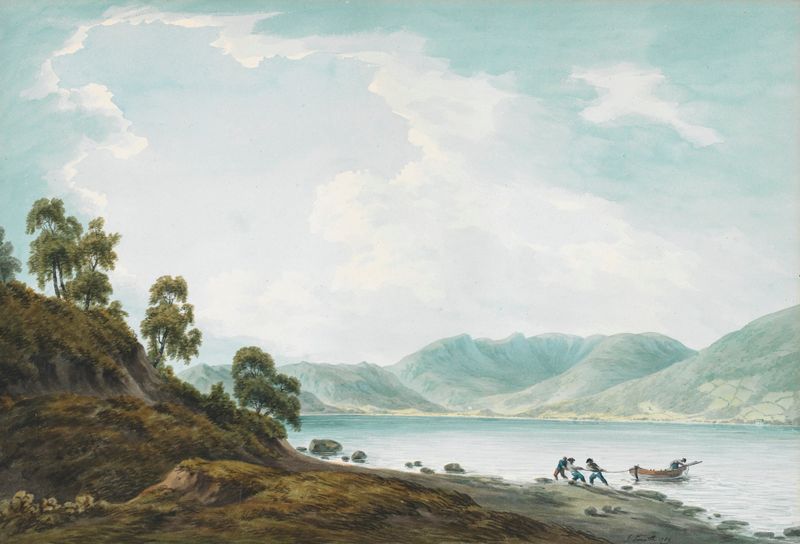
Head of Windermere from Belle Grange Farm
John Warwick Smith
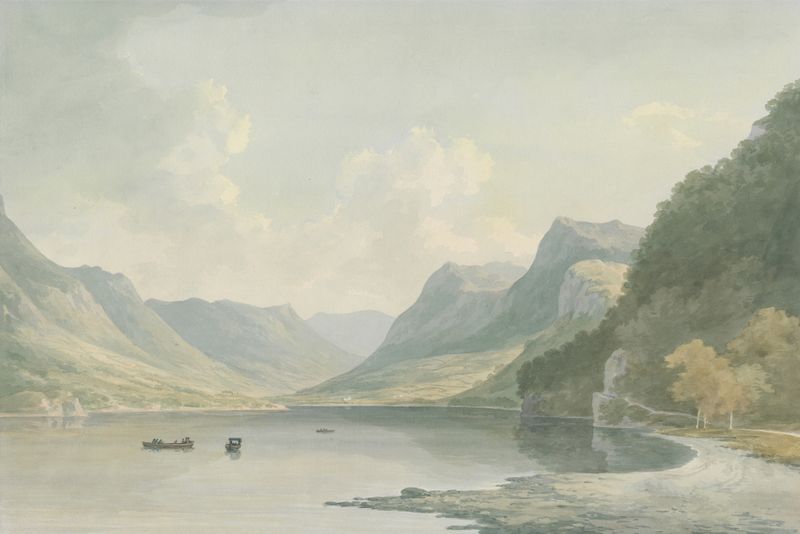
Ullswater, Looking toward Patterdale
John Warwick Smith
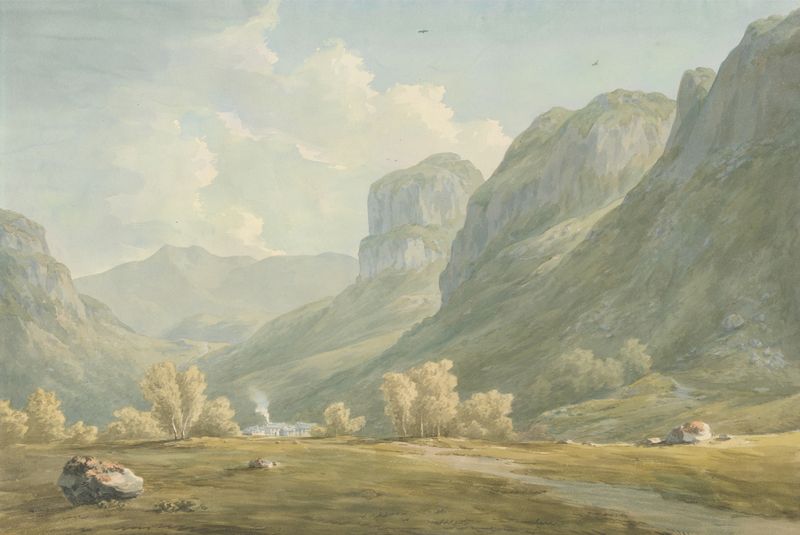
Village of Stonethwaite and Eagle Cragg, Borrowdale
John Warwick Smith
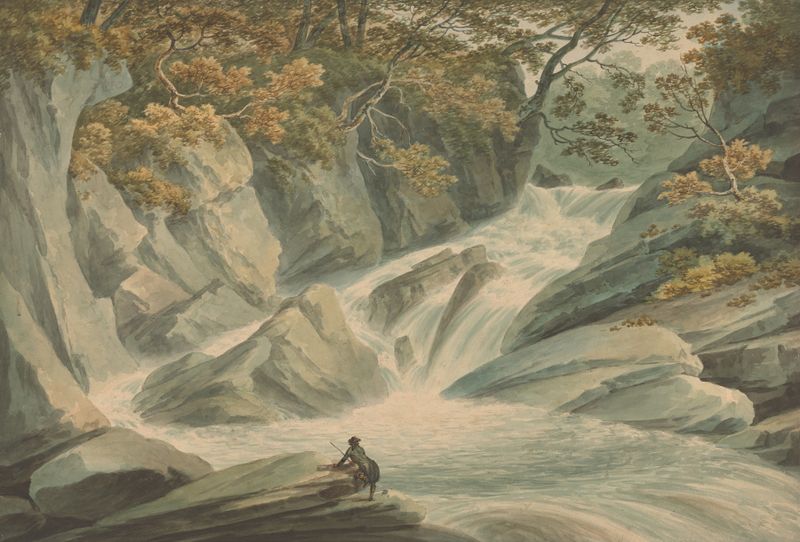
Hafod; Upper Part of Cascade
John Warwick Smith
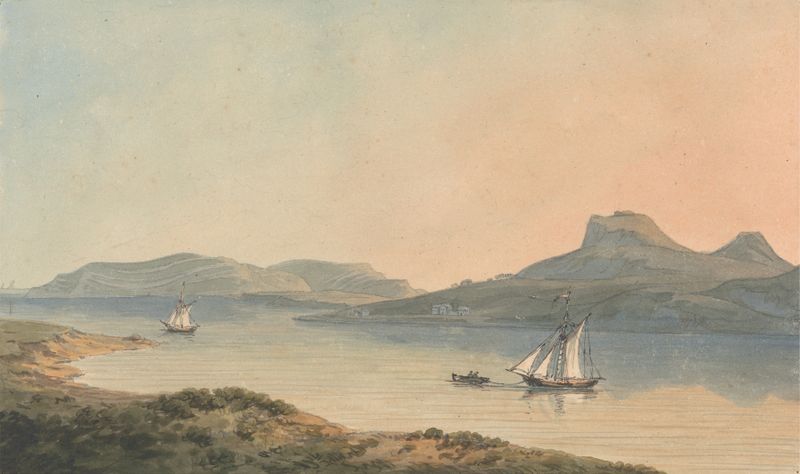
View of the Early Castle of Diganwy
John Warwick Smith
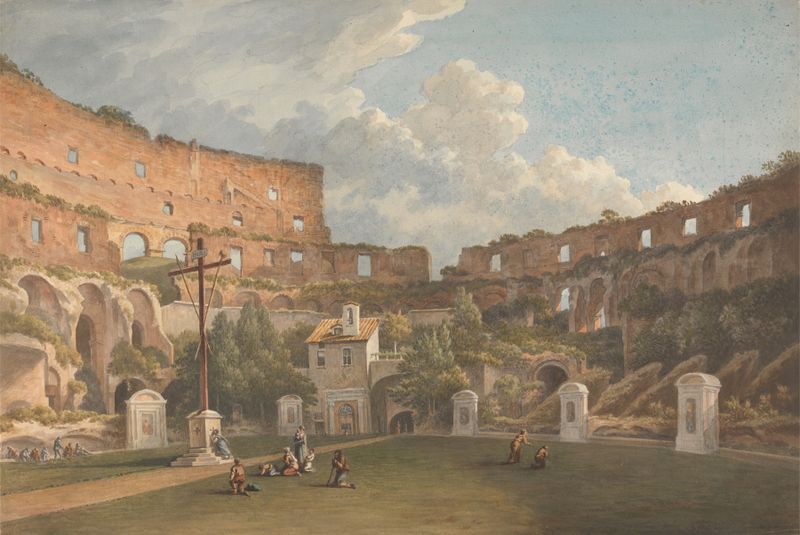
An Interior View of the Colosseum, Rome
John Warwick Smith
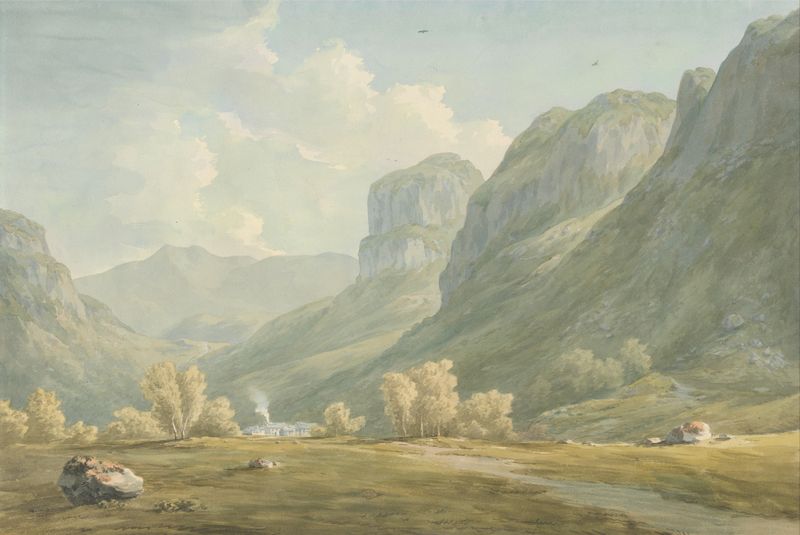
Village of Stonethwaite and Eagle Cragg, Borrowdale
John Warwick Smith
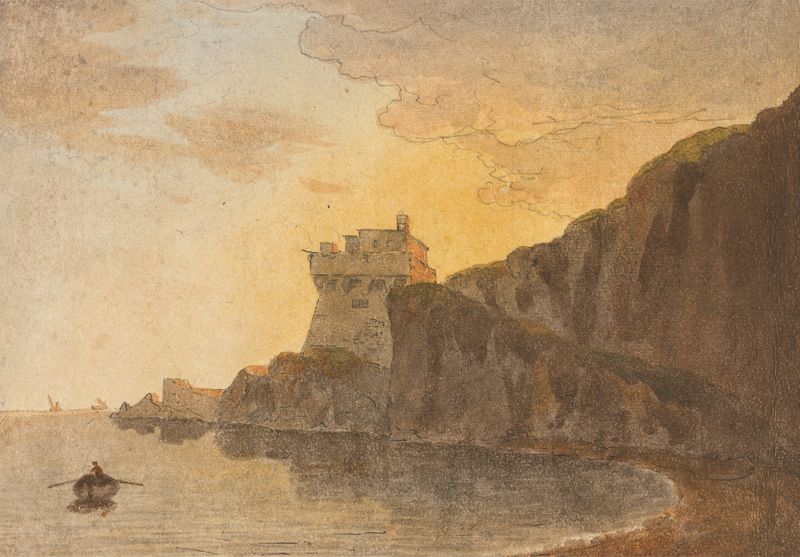
In the Bay of Salerno, near Vietri
John Warwick Smith





