Castle with Tall Towers — History & Analysis
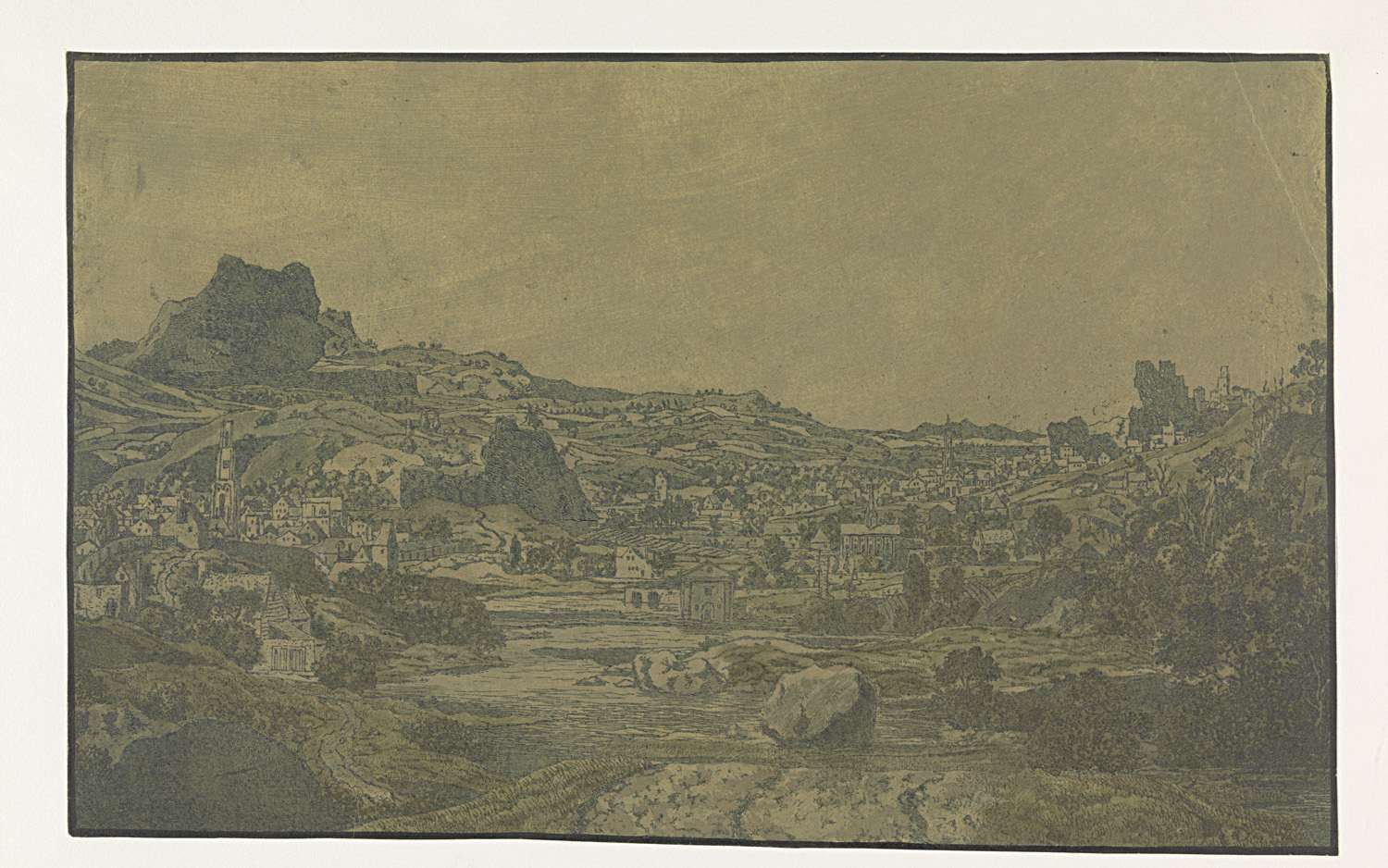
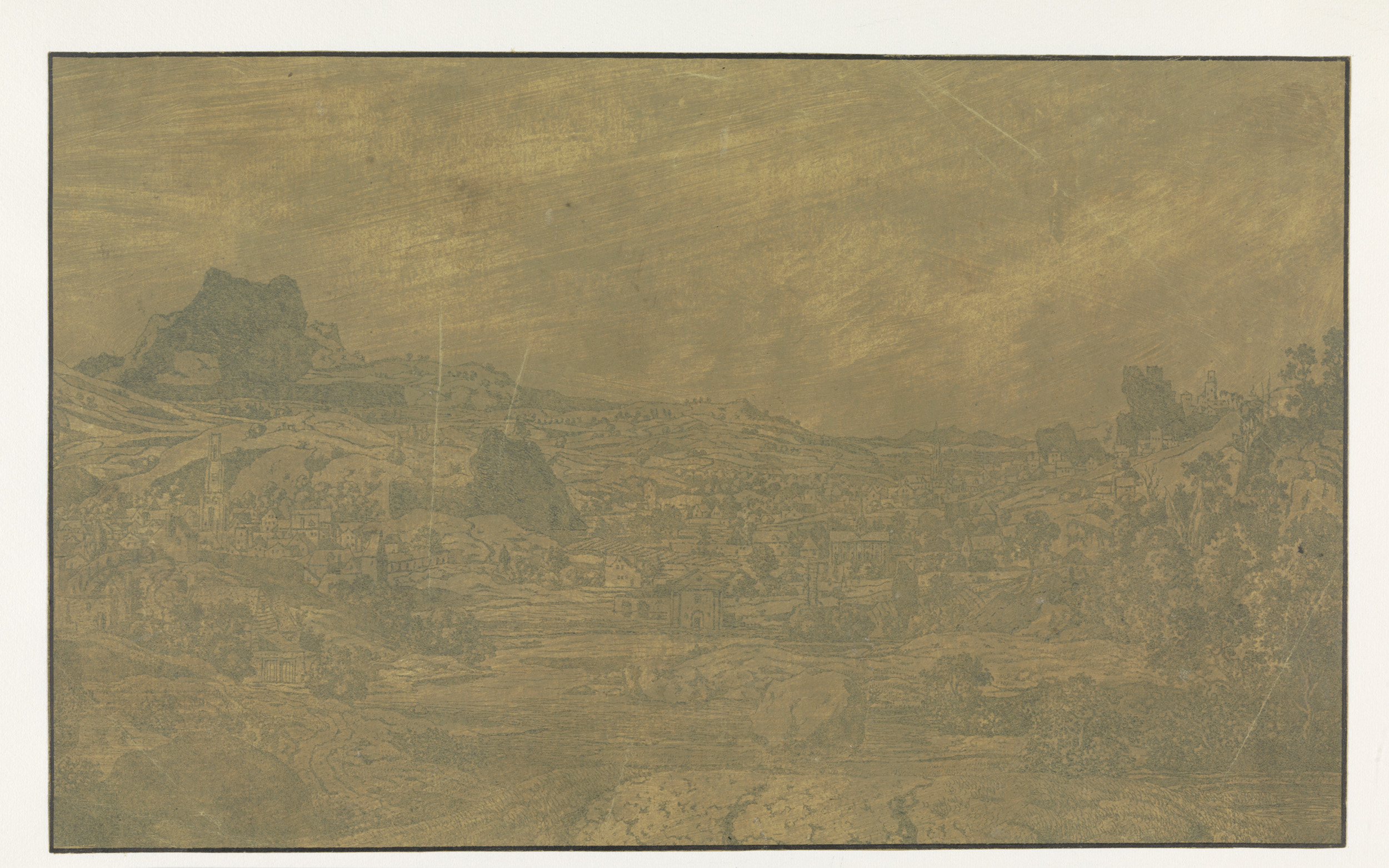
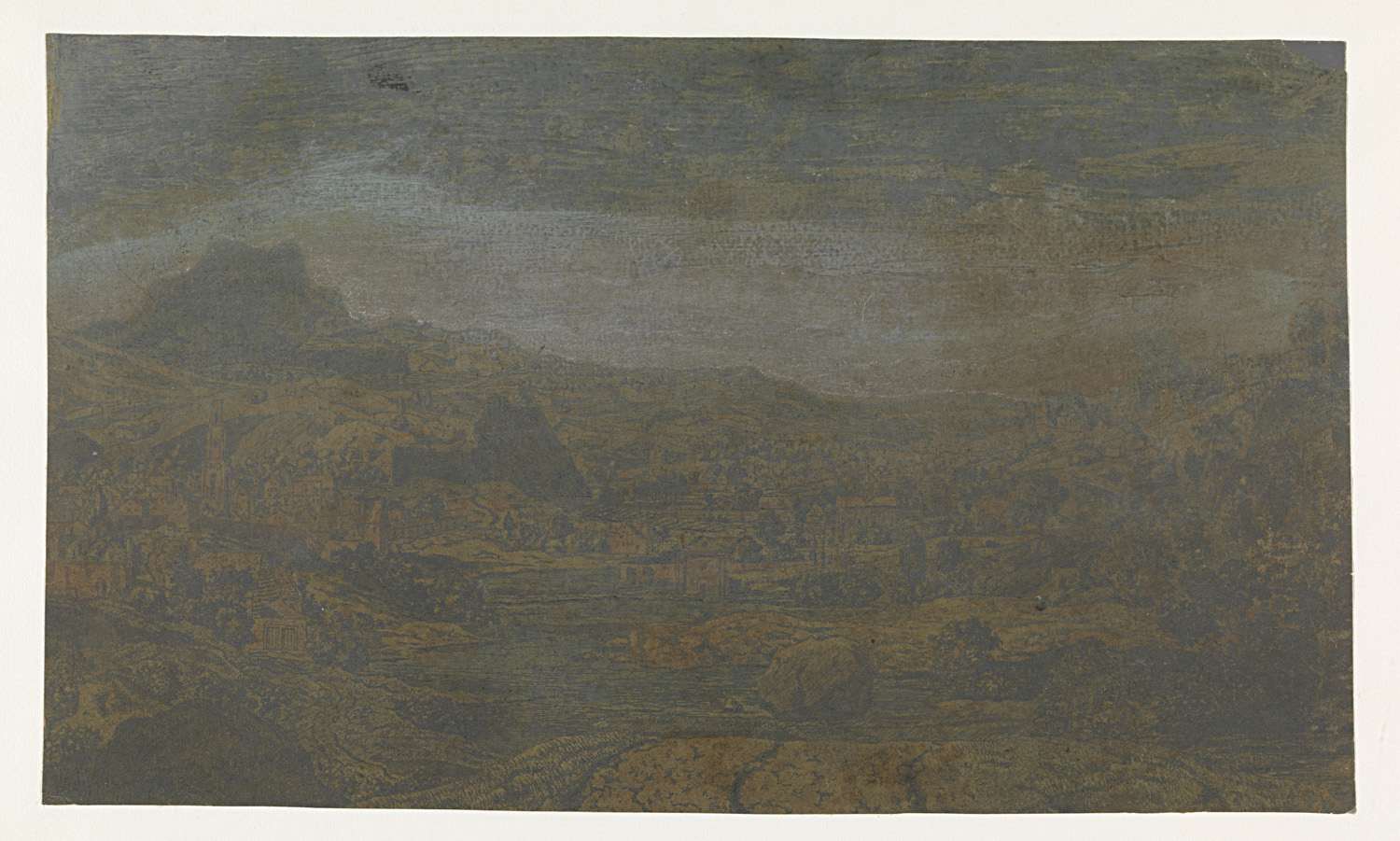
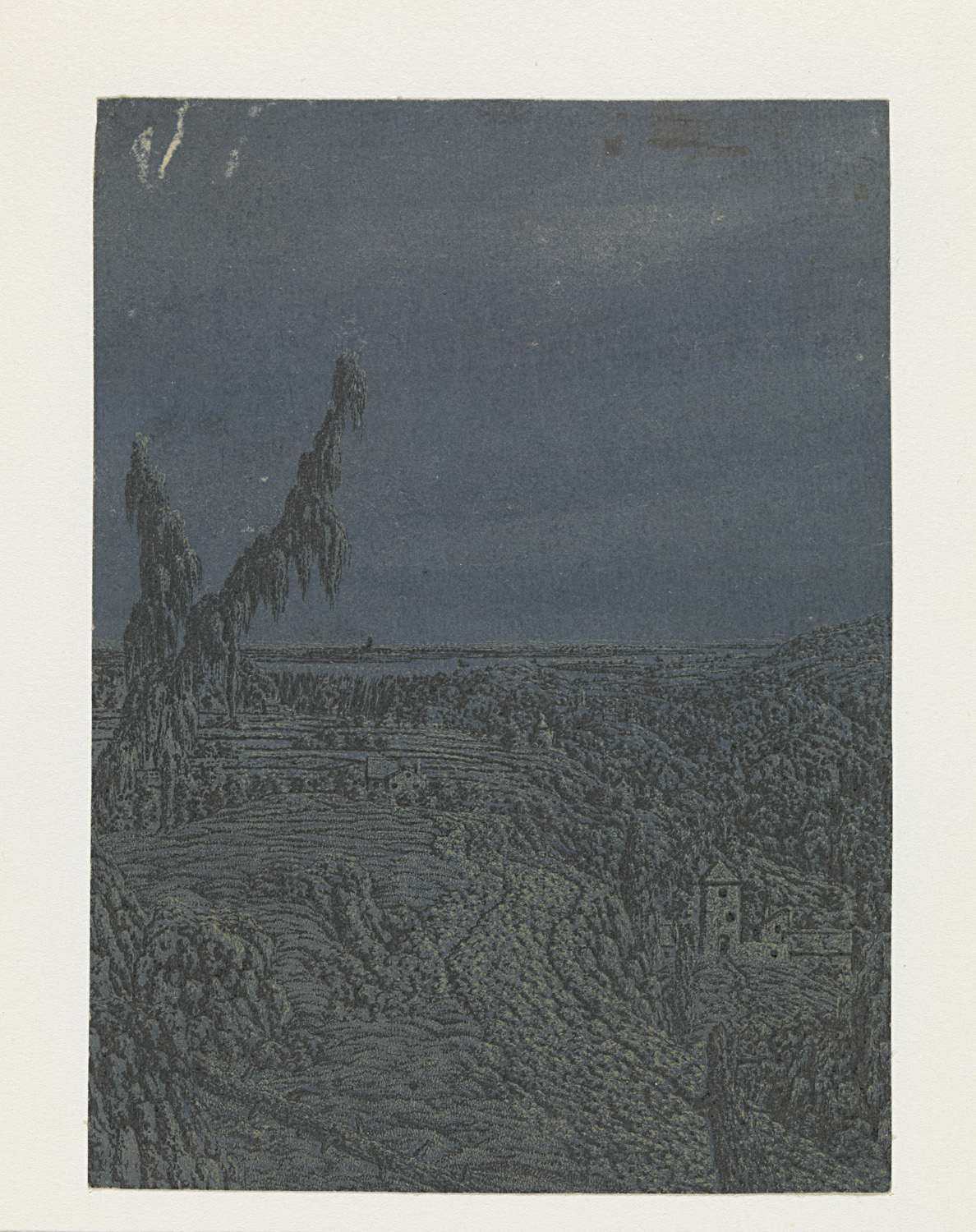
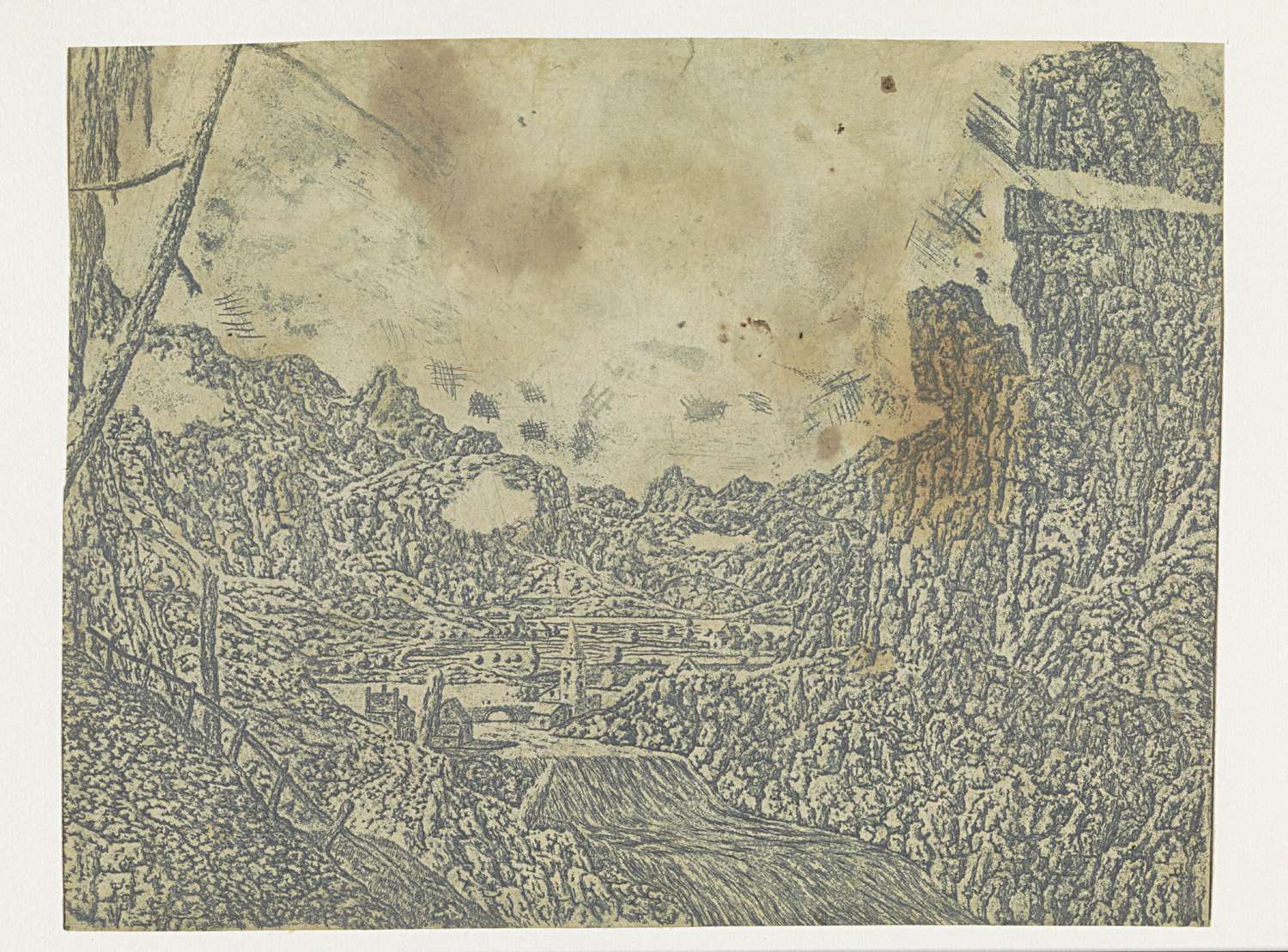
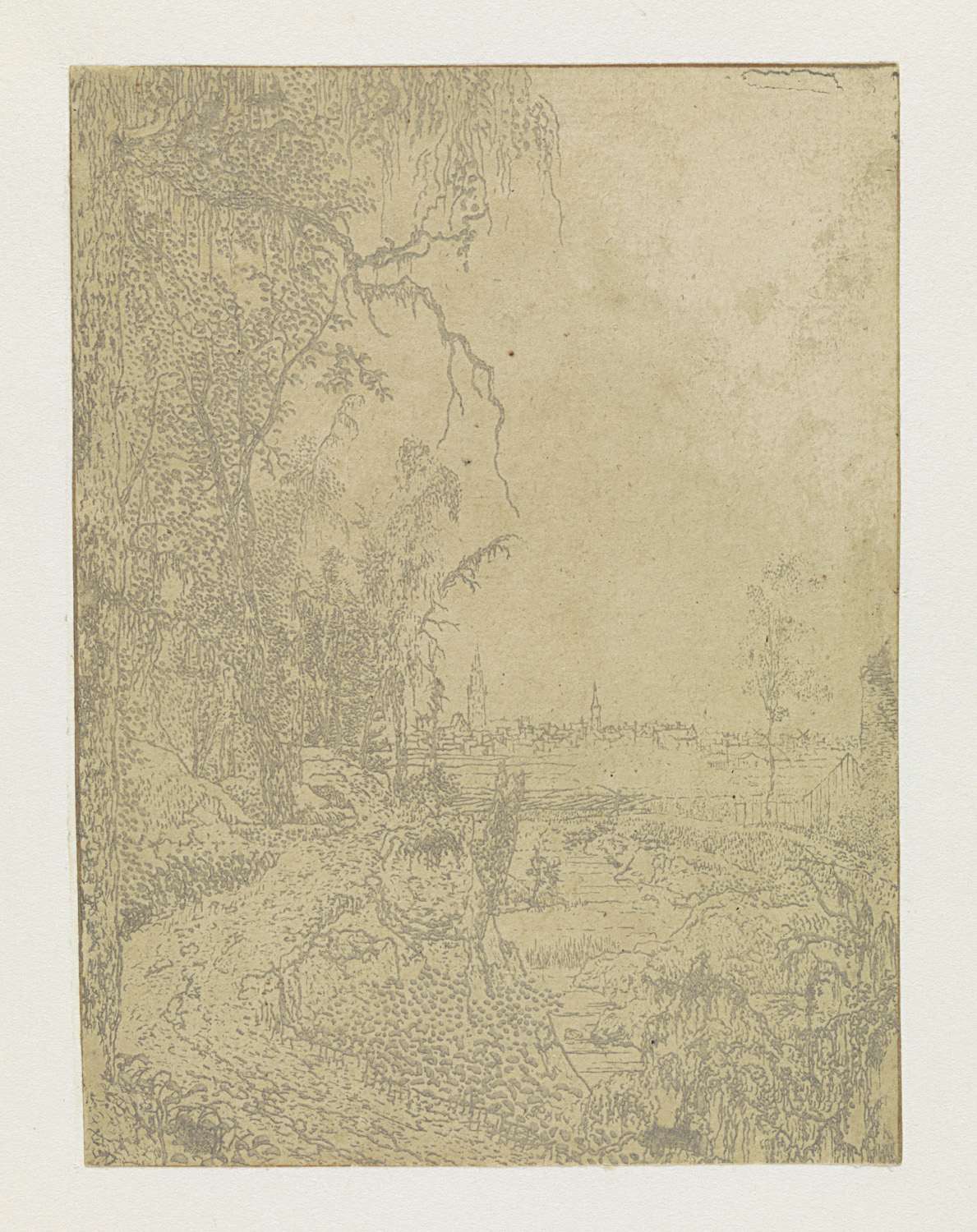
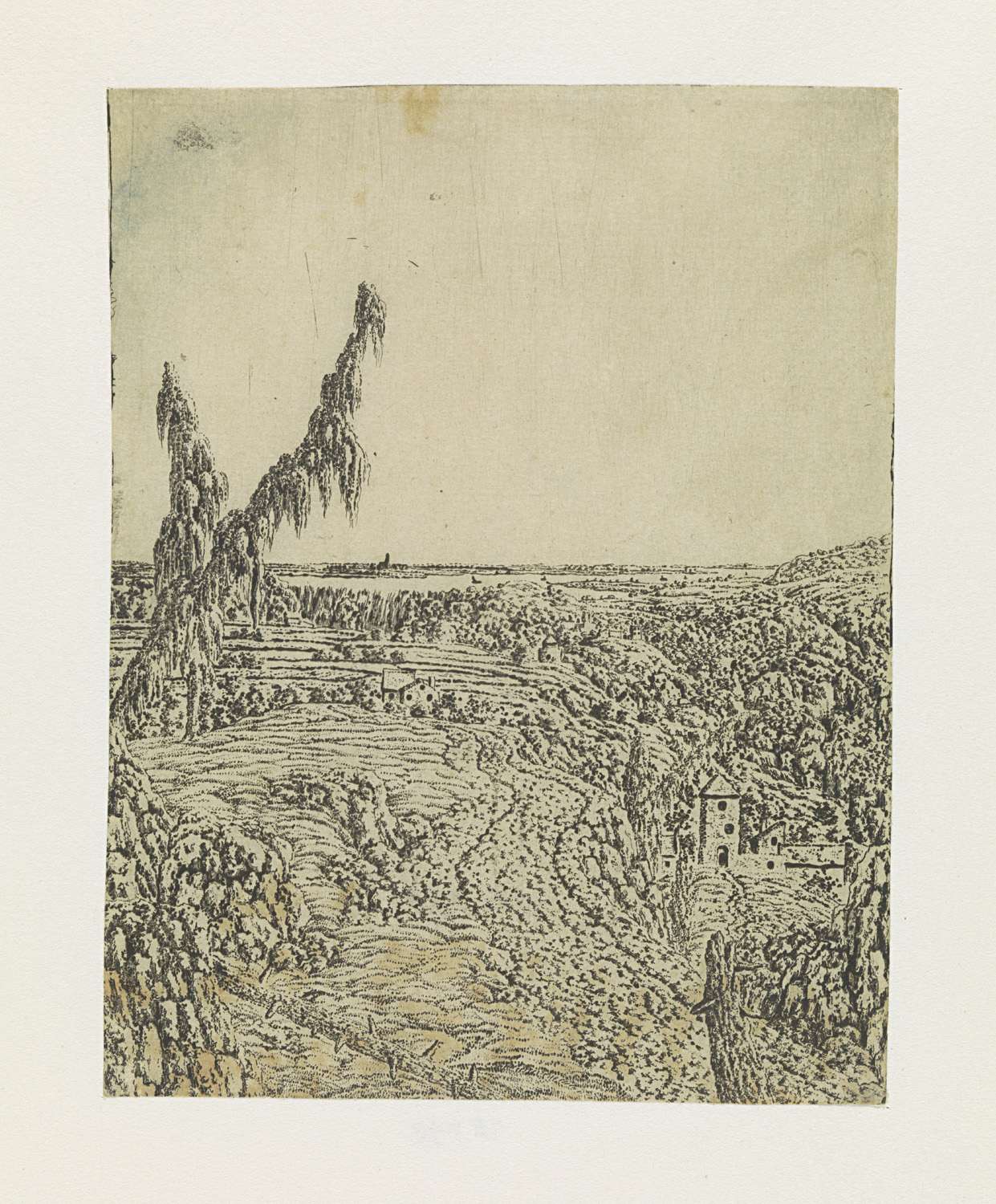
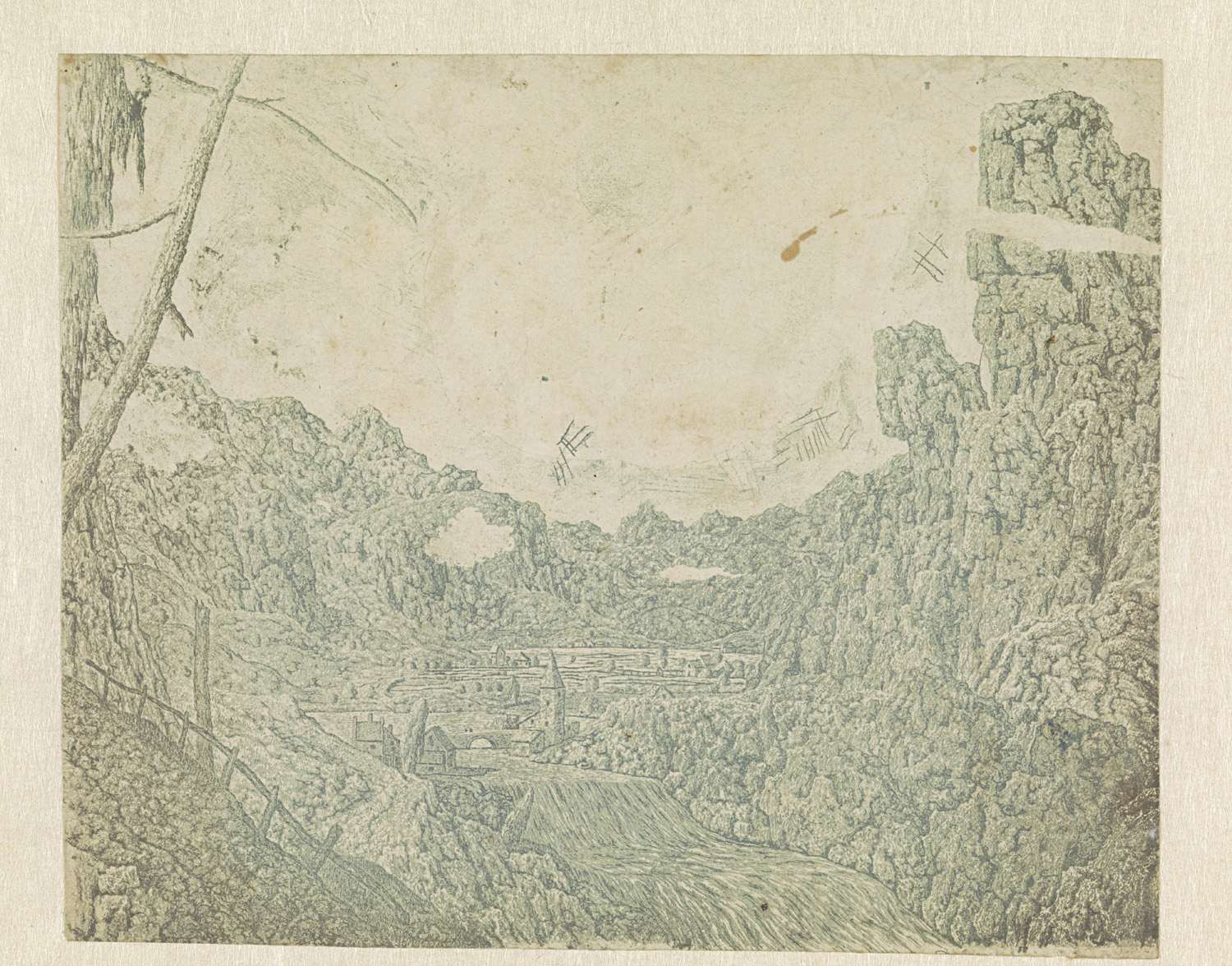
“Under the brush, chaos becomes grace.” In the realm of art, illusion intertwines with reality in profound ways, leading us to question what we perceive. Look to the center of the canvas where the imposing structure of the castle rises, its tall towers reaching for the swirling sky. The stark contrasts of dark, earthy tones juxtaposed with ethereal washes of blue create a dramatic tension, inviting the viewer to explore the interplay of shadow and light. Notice how Segers emphasizes the details of the castle’s architecture — the intricate lines of the towers stand out against the soft, almost dreamlike background, drawing us into a world that feels simultaneously familiar and otherworldly.
Delve deeper into the layers of meaning; the castle represents both safety and isolation, a refuge that could just as easily imprison. The swirling clouds above whisper of approaching storms, hinting at turmoil beneath the serene surface. This tension between stability and vulnerability resonates with human experience, suggesting our own lives are often framed by the duality of hope and despair.
In the early 1620s, Segers was exploring techniques that would later define his legacy, working in the Netherlands during a time of both innovation and unrest in the art world. The transition from Mannerism to Baroque was underway, with artists seeking to capture the complexities of emotion and the play of light. In this period, Castle with Tall Towers emerged as a testament to Segers’ unique vision, reflecting the changing tides of his personal life and the broader artistic landscape.