
Cemetery — History & Facts
When did color learn to lie? This haunting question lingers as one gazes upon the ethereal beauty of an autumn cemetery, where serenity cloaks the landscape like a tender shroud. Look to the foreground, where delicate tombstones rise like solemn sentinels among the softly fallen leaves. The muted palette—grays, greens, and browns—creates a tranquil harmony that belies the weight of loss embedded within the scene. Notice how light filters through the branches above, casting dappled shadows that dance gently across the ground, inviting a moment of contemplation in this hallowed space. Beneath the surface, a complex interplay of life and death unfolds.
The vibrancy of the foliage contrasts with the steadfastness of the stones, suggesting the cyclical nature of existence. The artist's choice of color and light evokes a sense of peace that coexists with the somber reality of the cemetery. Each element, from the smooth curves of the gravestones to the crisp edges of the leaves, tells a story of remembrance, a rite of passage that connects the living to those who have departed. In 1909, Feliks Jabłczyński painted this piece during a time of personal reflection, carving out his artistic identity amidst the burgeoning modernist movement in Poland.
As the world around him grappled with rapid changes, he sought solace in the timelessness of nature and memory, crafting a visual ode to the interplay between life and loss.
More Artworks by Feliks Jabłczyński
Browse all →
Villa Borgia in Rome
Feliks Jabłczyński

Mariensztat Street in Warsaw
Feliks Jabłczyński
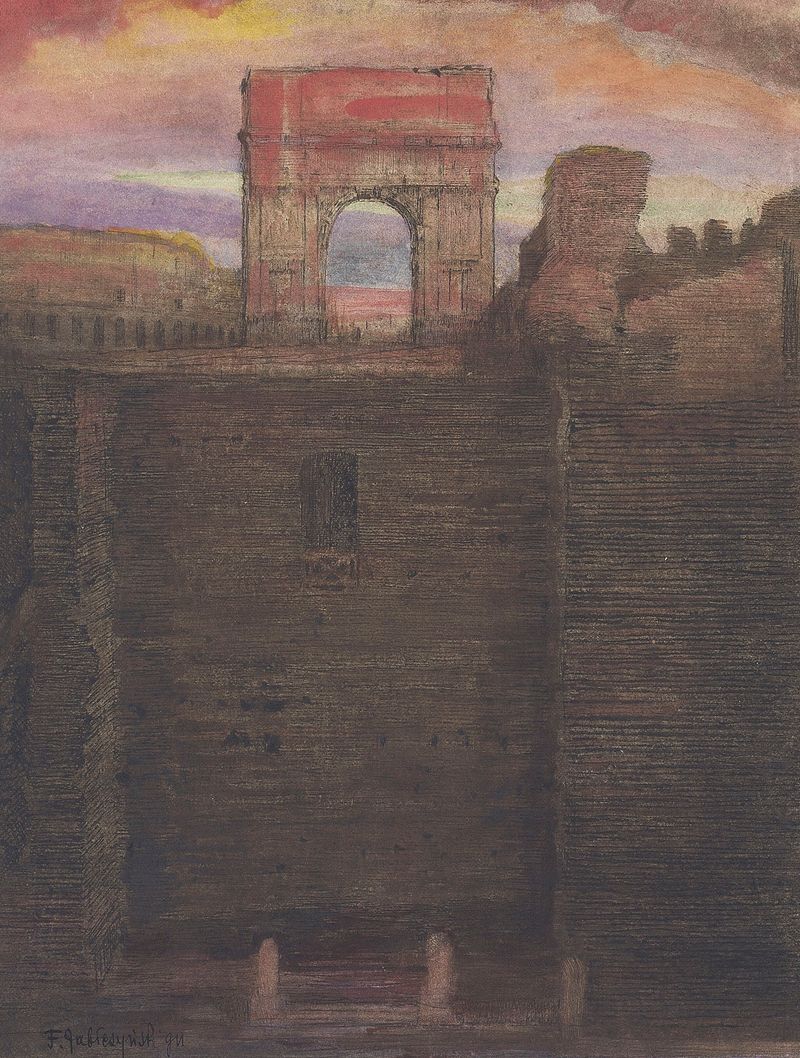
The House of Vestals and the Arch of Titus in the background
Feliks Jabłczyński
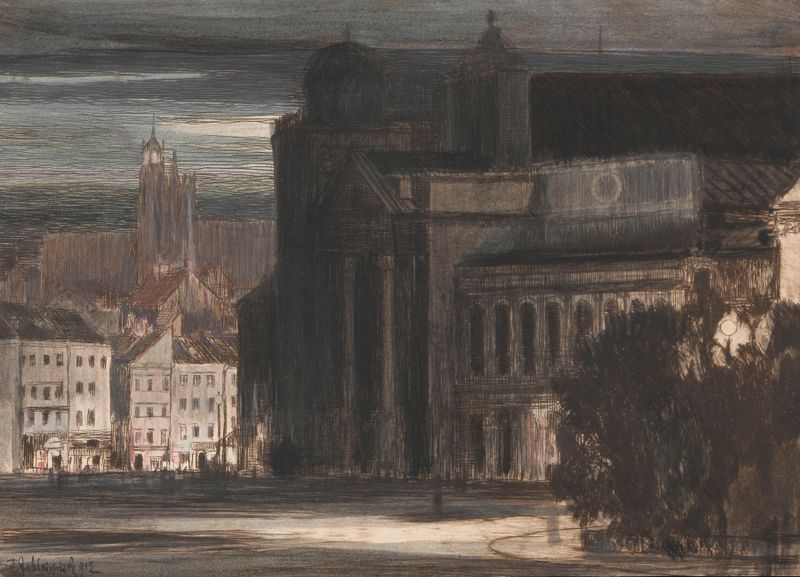
View of the Church of St. Anna and the Castle Square in Warsaw
Feliks Jabłczyński

Kaplica Boimów we Lwowie
Feliks Jabłczyński
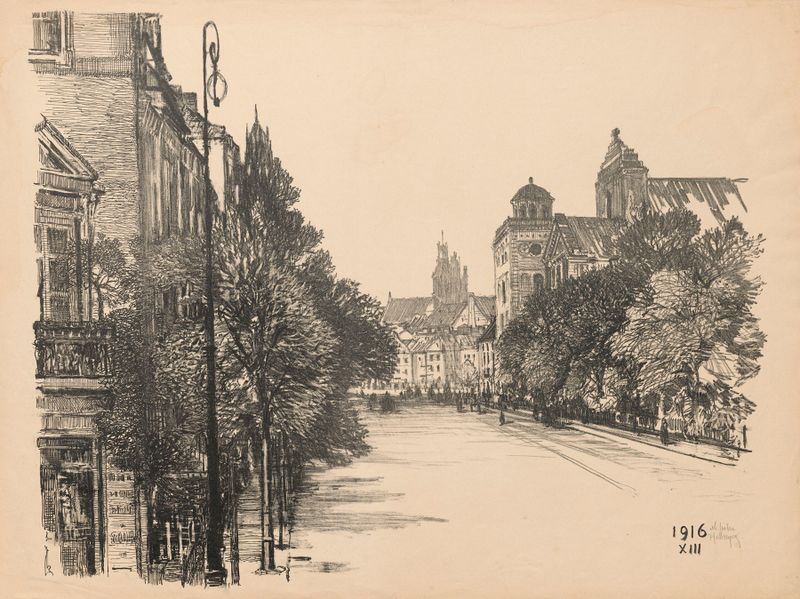
Krakowskie Przedmieście Street
Feliks Jabłczyński
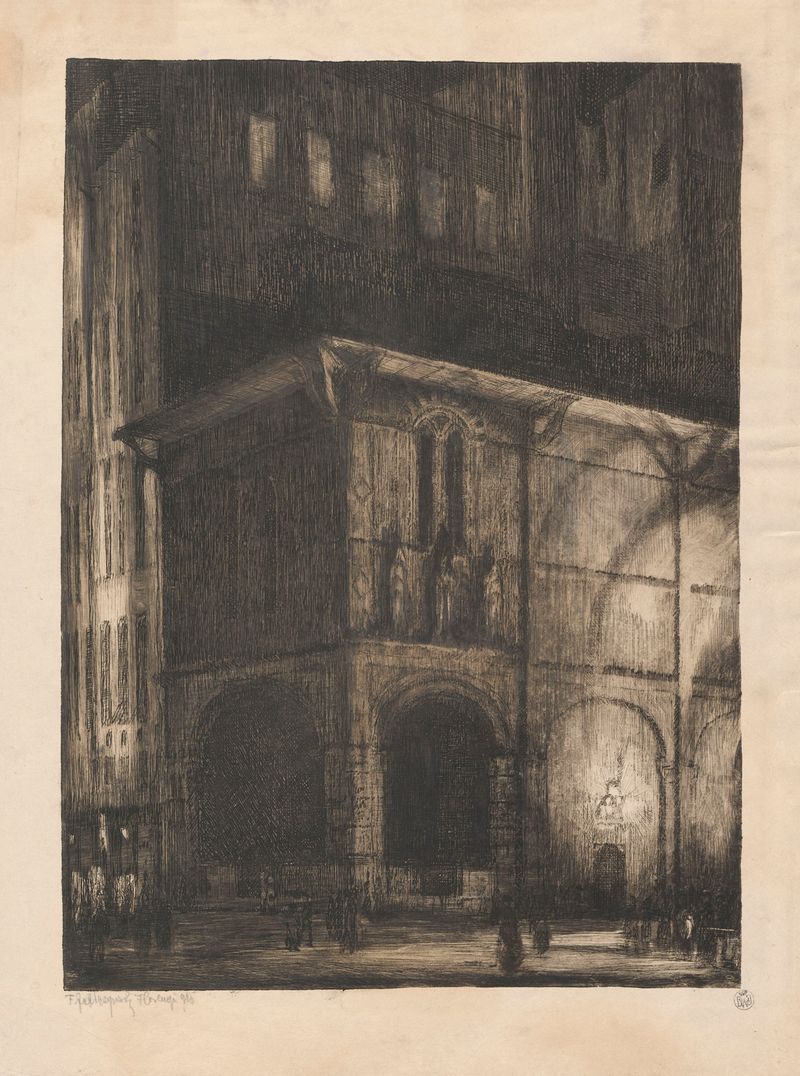
Florence
Feliks Jabłczyński
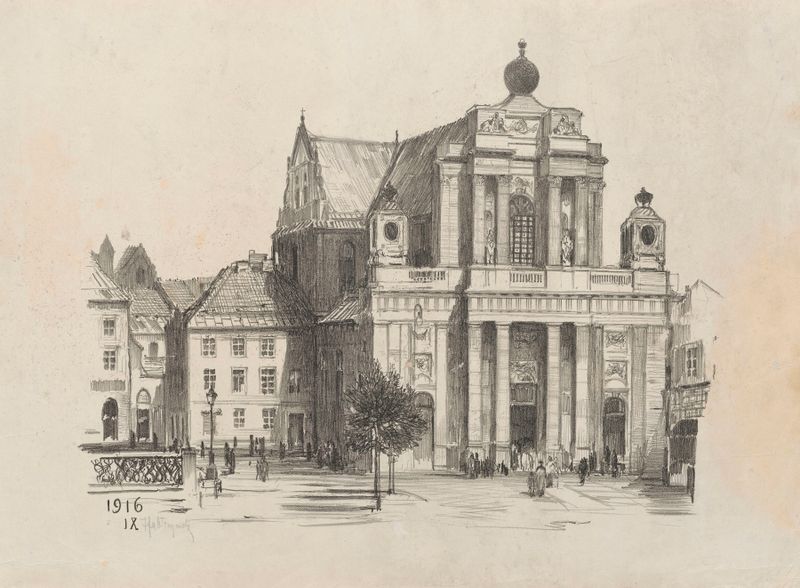
Carmelite Church.
Feliks Jabłczyński

The Visitation Sisters Church
Feliks Jabłczyński
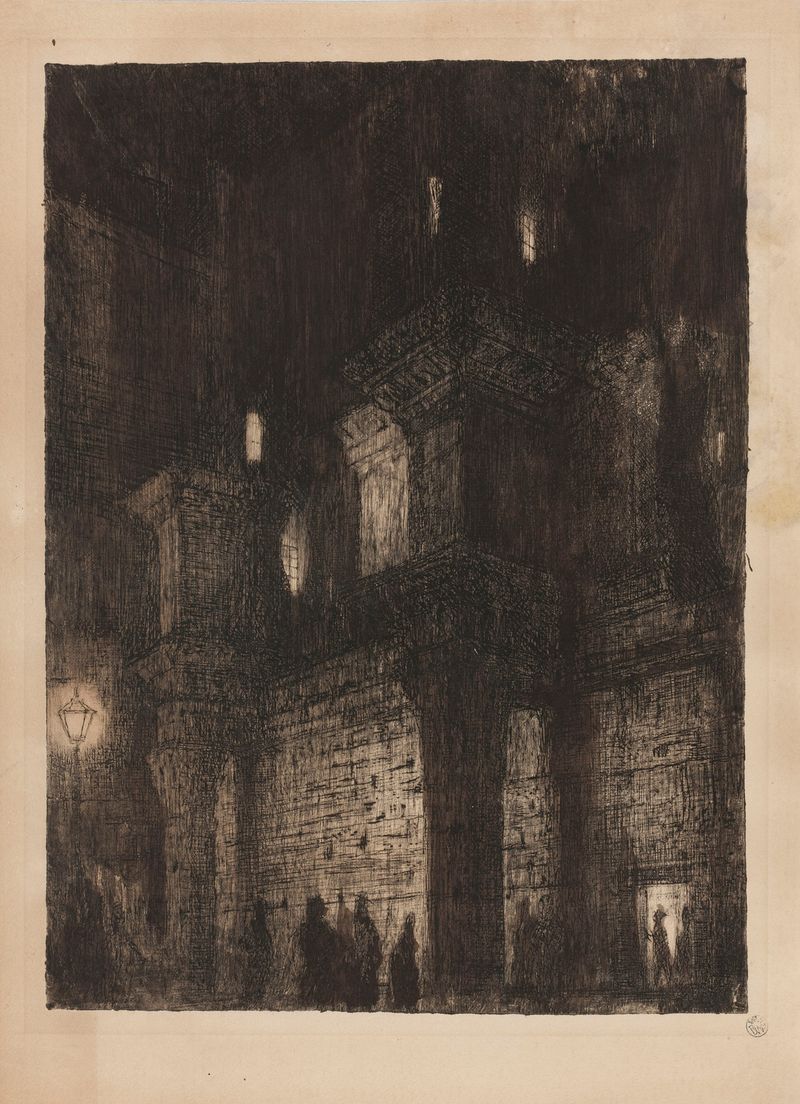
Forum Nervae
Feliks Jabłczyński





