
Mariensztat Street in Warsaw — History & Facts
In the heart of a city caught in the throes of transformation, a tableau reveals the quiet yet profound metamorphosis echoing through its streets. Look to the forefront, where a cobbled pathway unfurls, inviting the viewer into the scene. Notice how the gentle curve of the street leads your eye toward the buildings that loom overhead, painted in soft, earthy tones. The light dances through the gaps, casting fleeting shadows that suggest both the passage of time and the spirit of change.
Jabłczyński’s delicate brushwork captures the character of each structure, from the simplicity of the facades to the intricate details emerging in the windows, offering a glimpse into lives once lived within those walls. Yet beneath this serene surface lies a tension between past and present. The juxtaposition of the vibrant, bustling street against the stillness of the empty space evokes nostalgia for a time long gone. Small details, like the flutter of a curtain in a window or the solitary figure in a doorway, hint at stories untold.
They are reminders of a city on the cusp of modernity, caught between what it was and what it will become, illustrating the emotional weight of transformation. Feliks Jabłczyński painted Mariensztat Street in Warsaw in 1909, during a time of significant change in Poland. While Europe was witnessing rapid modernization, Warsaw was also evolving, grappling with its identity amidst historical upheavals. The artist, deeply influenced by the urban landscape and the complexities of his surroundings, created this work to capture not just a moment in time, but the very essence of a city in transit.
More Artworks by Feliks Jabłczyński
Browse all →
Villa Borgia in Rome
Feliks Jabłczyński
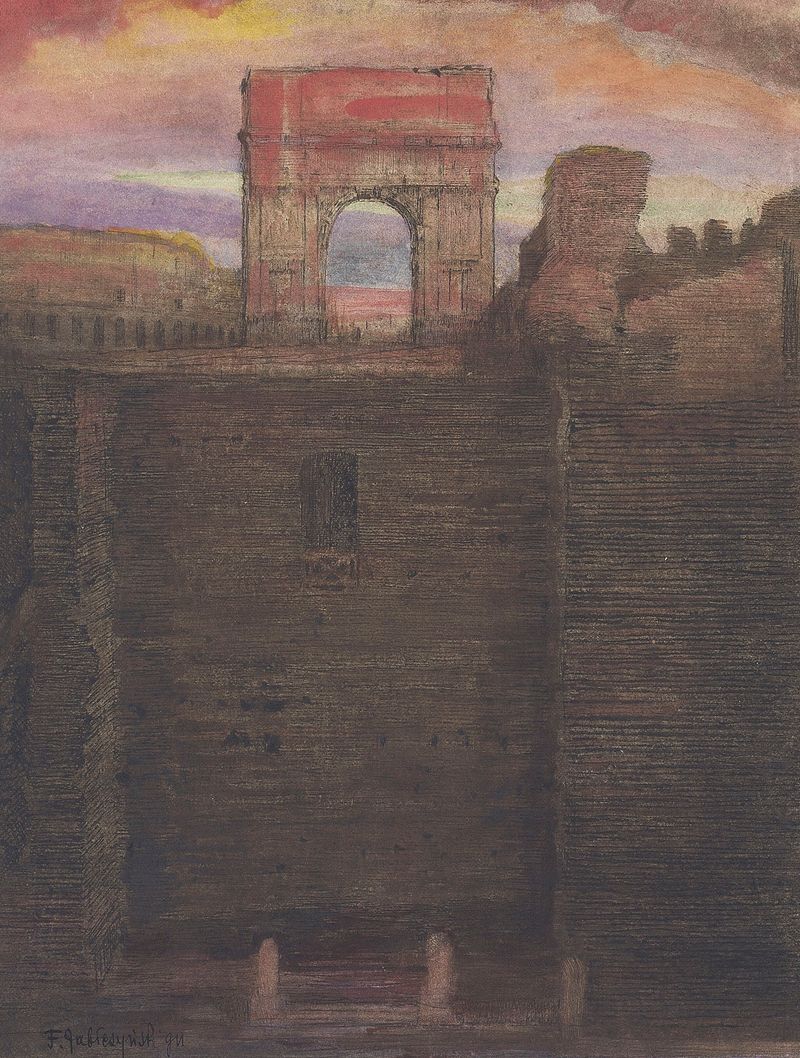
The House of Vestals and the Arch of Titus in the background
Feliks Jabłczyński
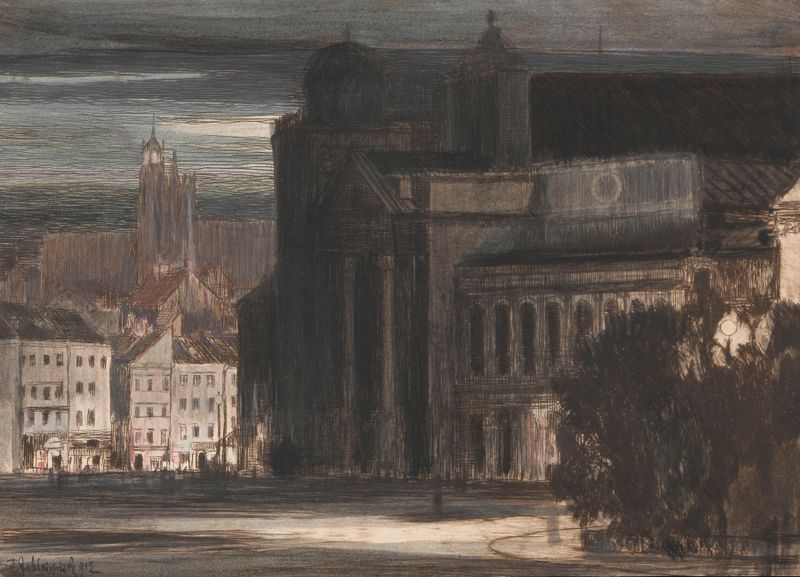
View of the Church of St. Anna and the Castle Square in Warsaw
Feliks Jabłczyński

Kaplica Boimów we Lwowie
Feliks Jabłczyński
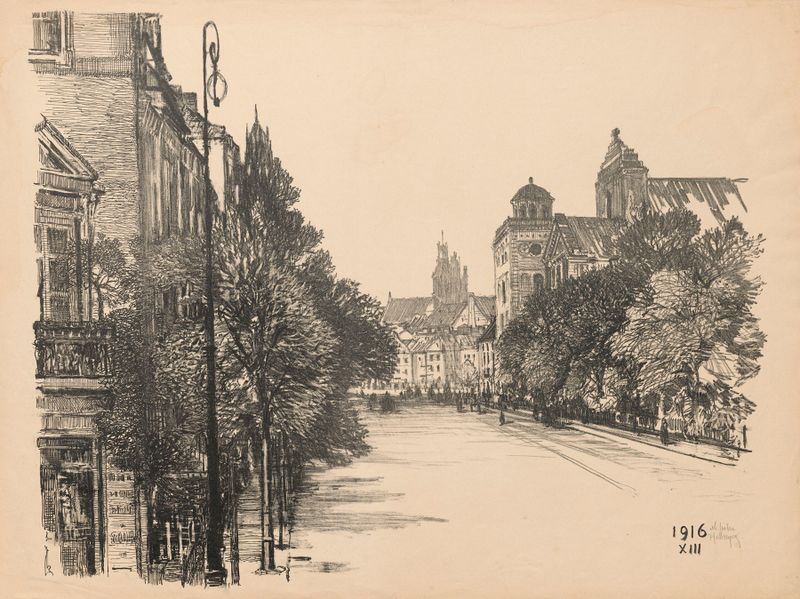
Krakowskie Przedmieście Street
Feliks Jabłczyński
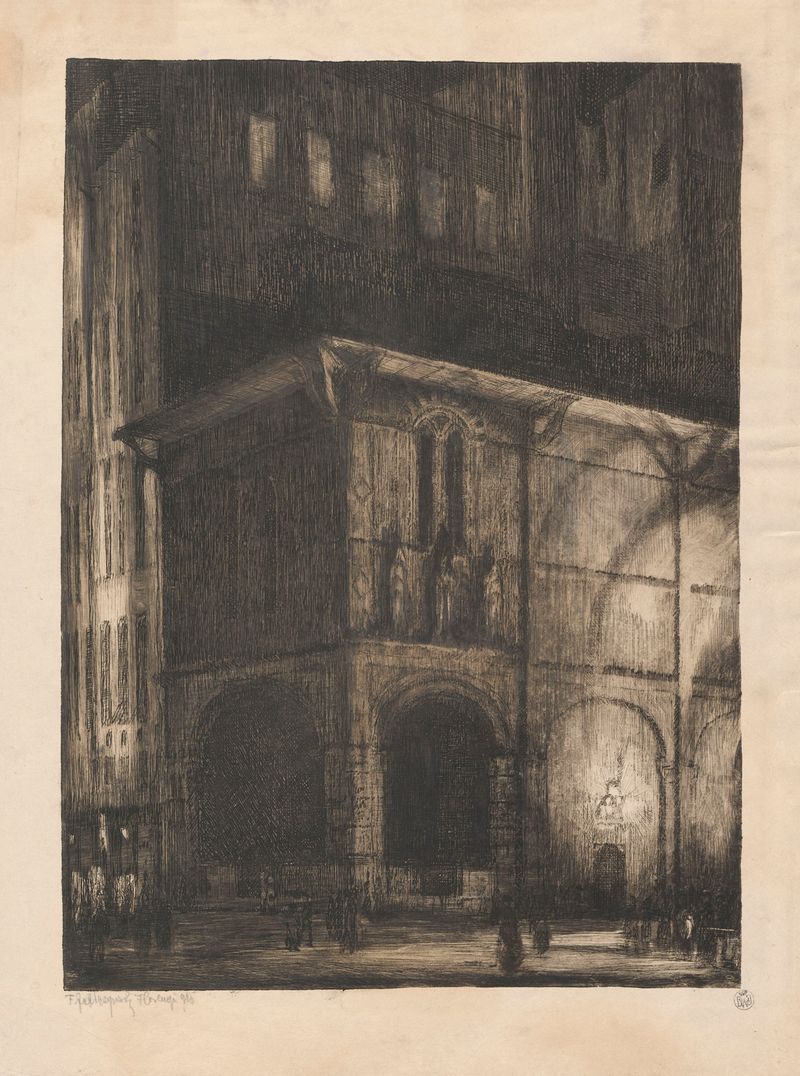
Florence
Feliks Jabłczyński
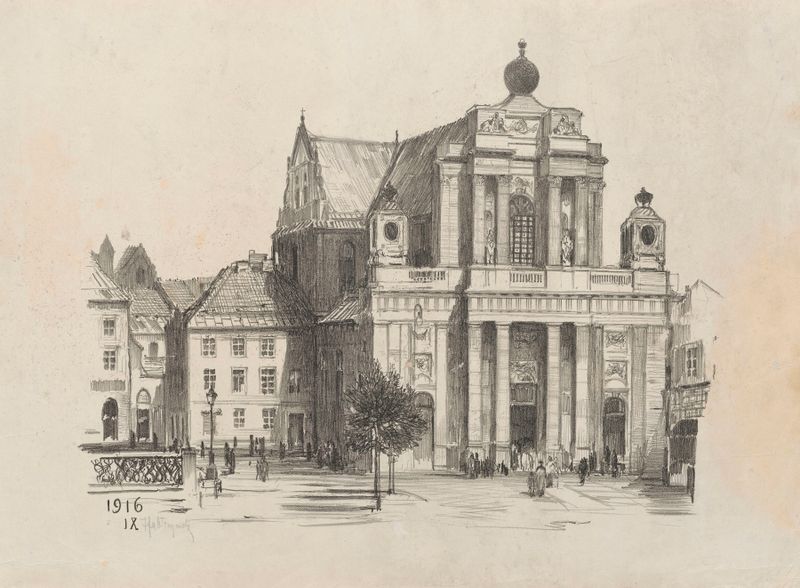
Carmelite Church.
Feliks Jabłczyński

The Visitation Sisters Church
Feliks Jabłczyński
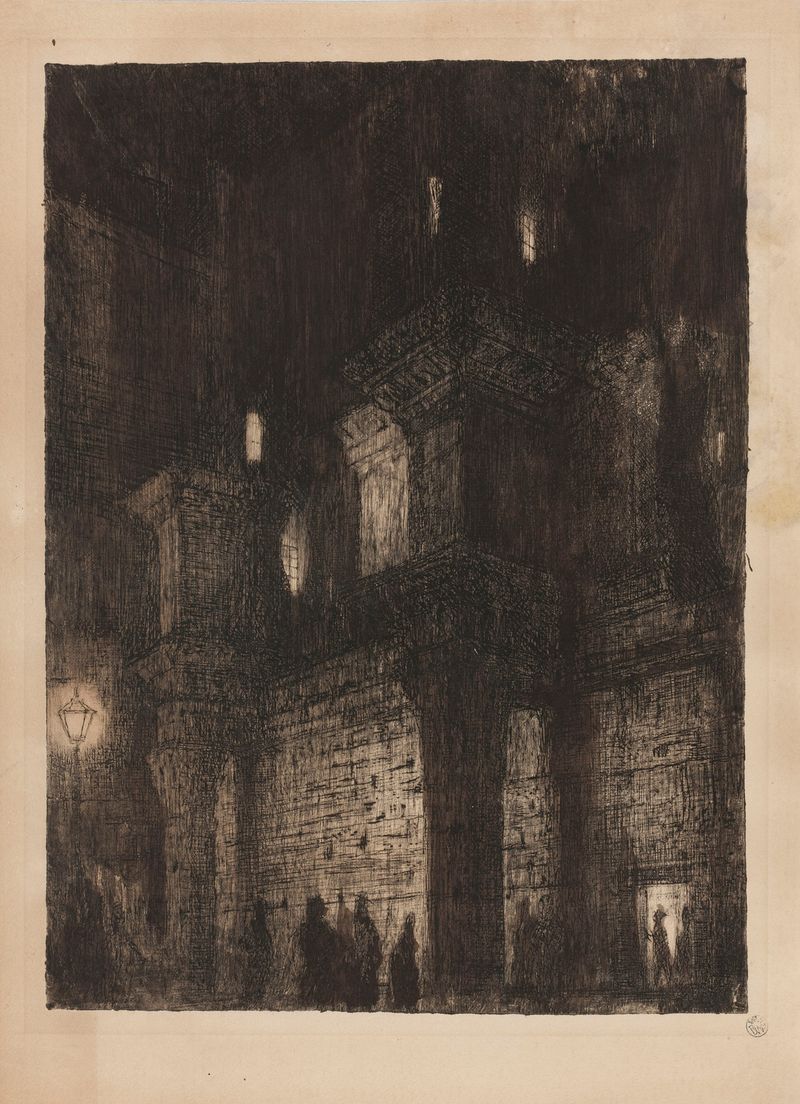
Forum Nervae
Feliks Jabłczyński
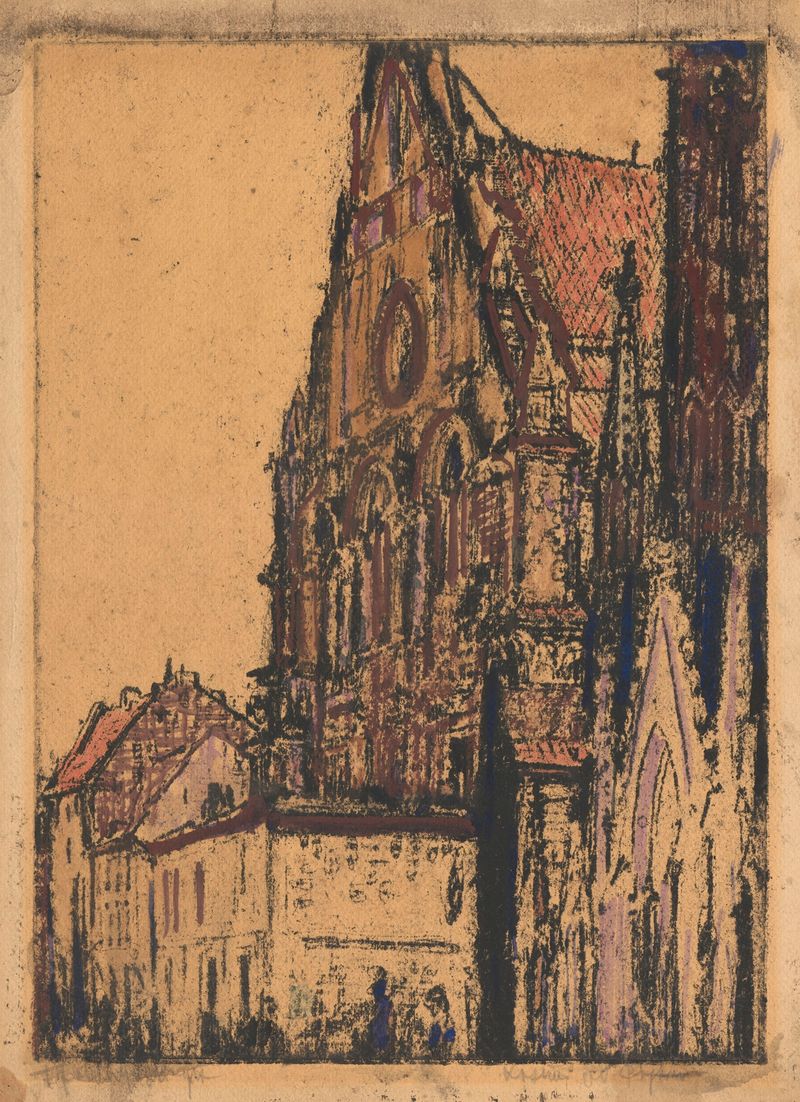
The Piarist Church in Warsaw
Feliks Jabłczyński
More Architecture Art
Browse all →
The statue of Liberty
Frédéric Auguste Bartholdi

View of Houses in Delft, Known as ‘The Little Street’
Johannes Vermeer

View of Houses in Delft, Known as ‘The Little Street’
Johannes Vermeer

The Cathedral in Rouen. The portal, Grey Weather
Claude Monet

The yellow house
Vincent van Gogh

The Church in Auvers-sur-Oise, View from the Chevet
Vincent van Gogh