
The House of Vestals and the Arch of Titus in the background — History & Facts
Can paint confess what words never could? In The House of Vestals and the Arch of Titus in the background, time stands still, inviting us to linger in the echoes of history. Focus on the delicate interplay of light and shadow across the ancient architecture. The artist captures the imposing grandeur of the Arch of Titus, its intricate reliefs seemingly alive with stories of triumph and loss. Notice how the soft hues of the sky contrast with the weathered stones, suggesting the passage of time as it whispers through the ages.
Each brushstroke reveals a narrative, drawing the eye upward toward the historical monument that looms like a guardian over the scene. The painting, while steeped in history, evokes a feeling of melancholy. The cool blues and earthy tones symbolize both reverence and the inevitable decay of time, teaching us that even the mightiest structures will yield to the elements. The presence of the Vestals, guardians of sacred fire, serves as a reminder of duty and devotion, yet their absence in the modern landscape creates a poignant disconnect—what remains when the past fades away? Feliks Jabłczyński created this work in 1911 while living in Warsaw, where he was influenced by the surging modernist movement.
Europe was on the brink of monumental change, and the artist sought to capture the resilience of history amid the tumultuous currents of contemporary life. The painting encapsulates a moment when past and present collide, urging viewers to reflect on their own relationship with time.
More Artworks by Feliks Jabłczyński
Browse all →
Villa Borgia in Rome
Feliks Jabłczyński

Mariensztat Street in Warsaw
Feliks Jabłczyński
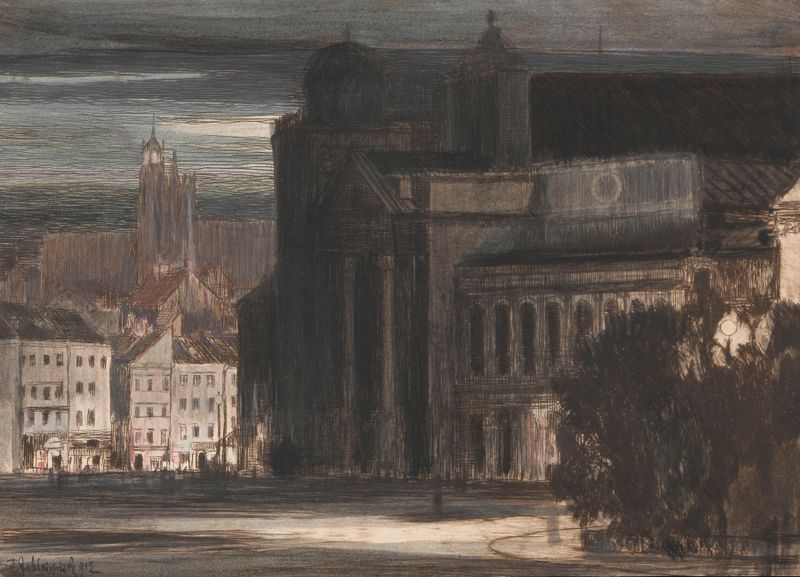
View of the Church of St. Anna and the Castle Square in Warsaw
Feliks Jabłczyński

Kaplica Boimów we Lwowie
Feliks Jabłczyński
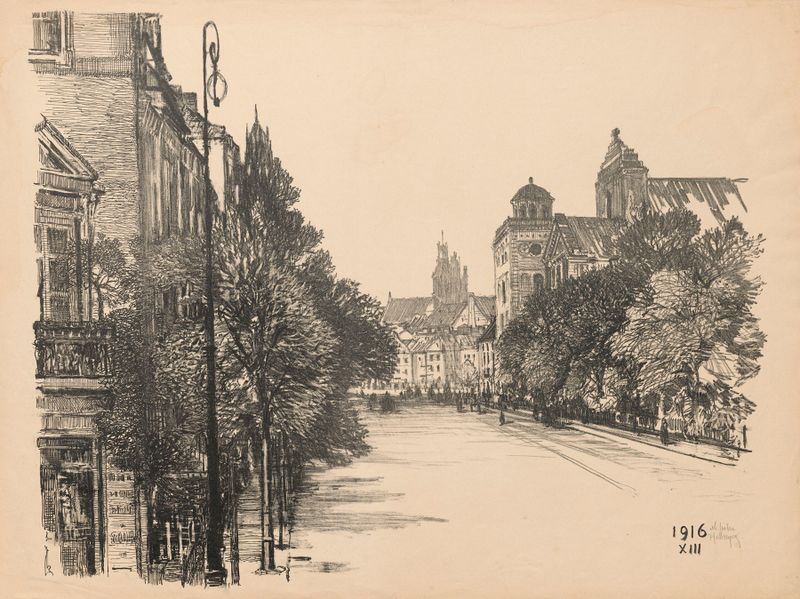
Krakowskie Przedmieście Street
Feliks Jabłczyński
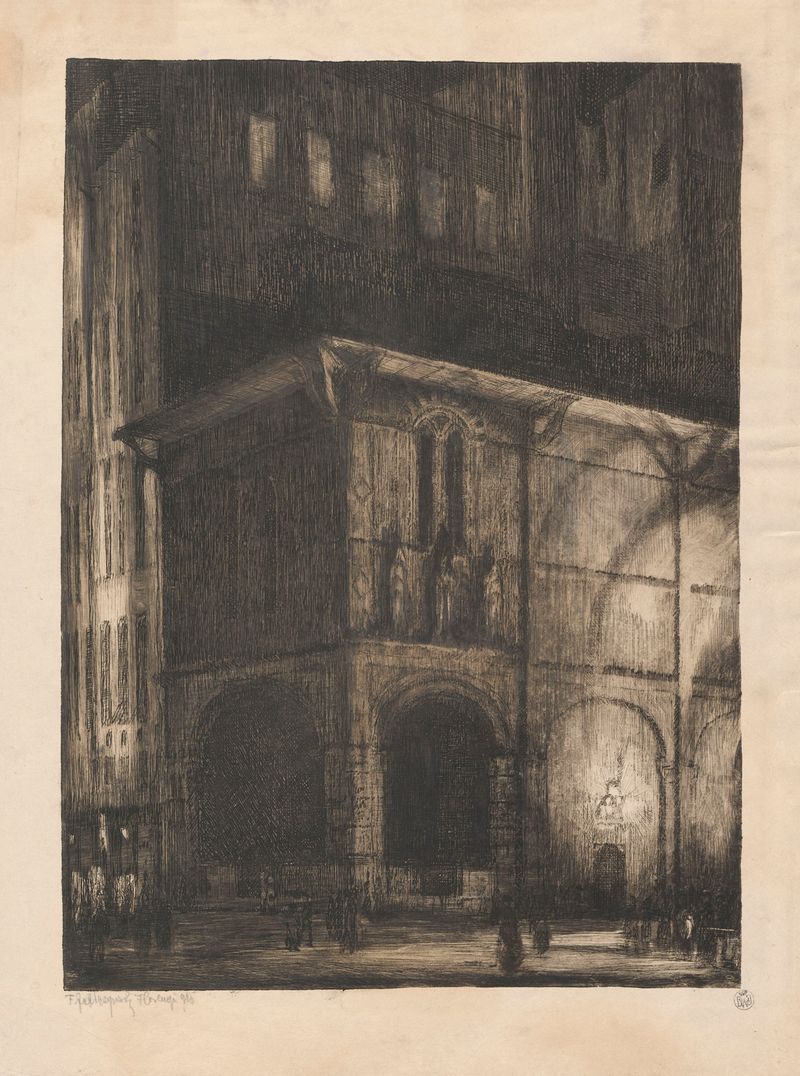
Florence
Feliks Jabłczyński
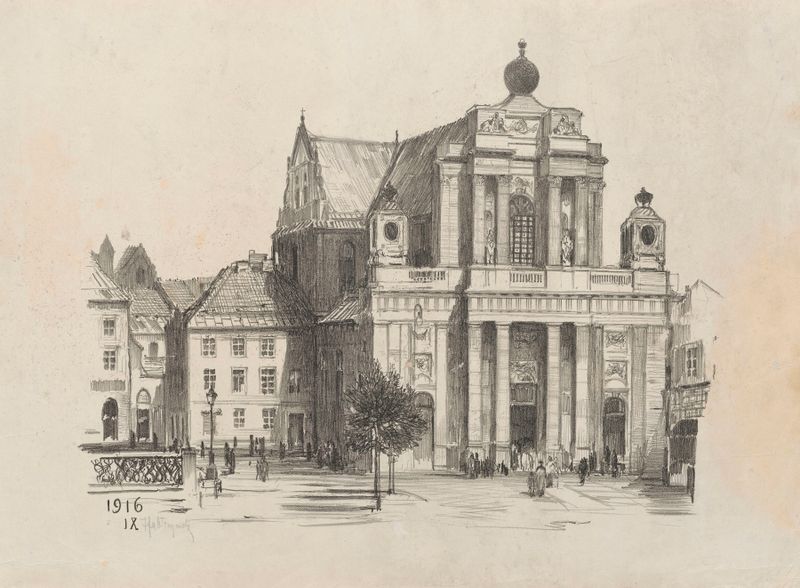
Carmelite Church.
Feliks Jabłczyński

The Visitation Sisters Church
Feliks Jabłczyński
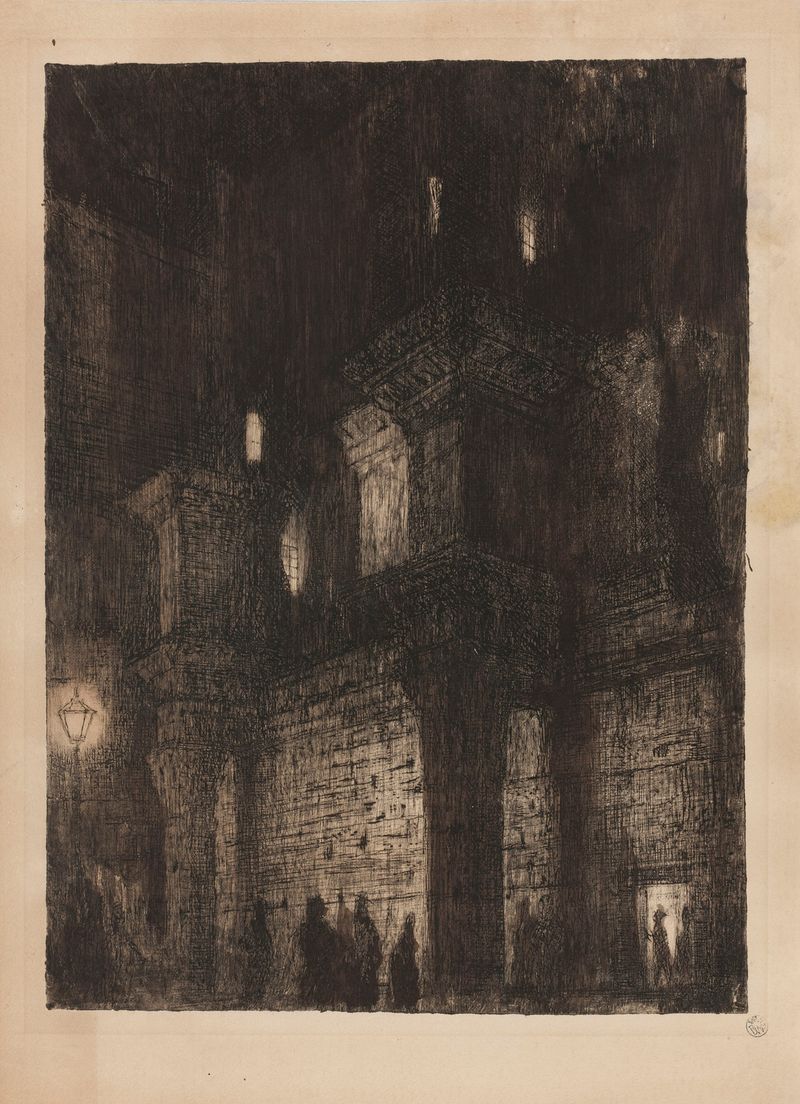
Forum Nervae
Feliks Jabłczyński
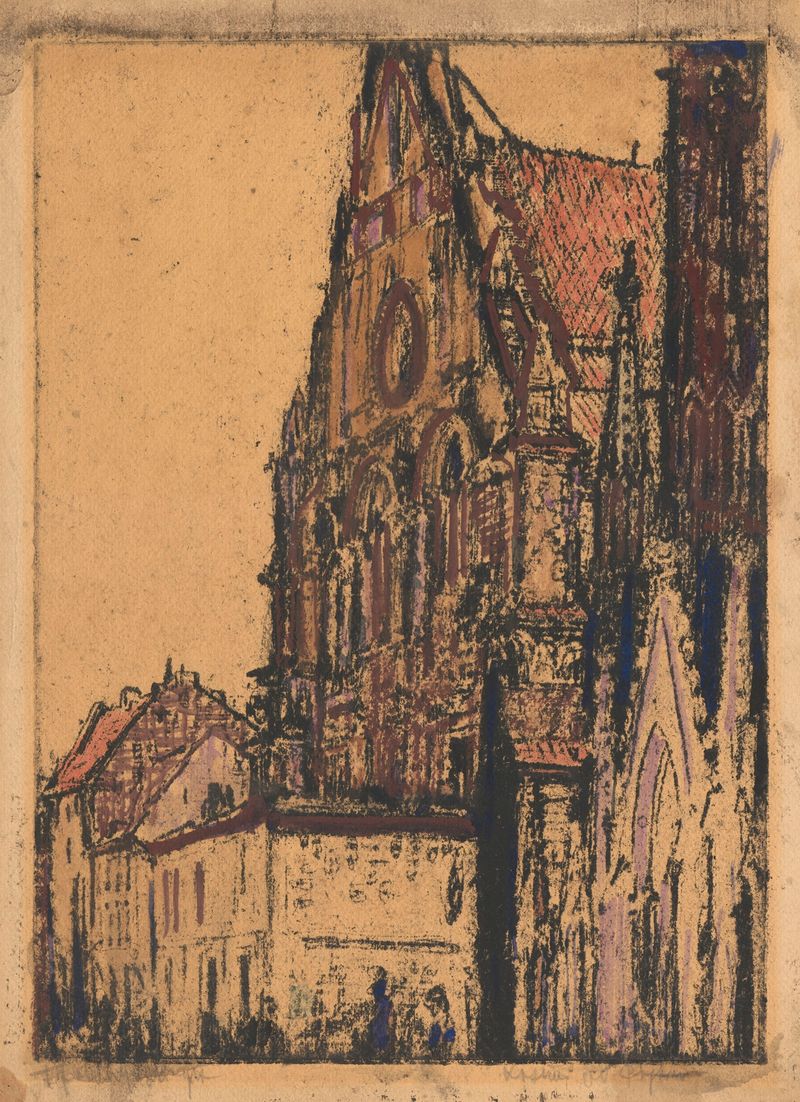
The Piarist Church in Warsaw
Feliks Jabłczyński
More Architecture Art
Browse all →
The statue of Liberty
Frédéric Auguste Bartholdi

View of Houses in Delft, Known as ‘The Little Street’
Johannes Vermeer

View of Houses in Delft, Known as ‘The Little Street’
Johannes Vermeer

The Cathedral in Rouen. The portal, Grey Weather
Claude Monet

The yellow house
Vincent van Gogh

The Church in Auvers-sur-Oise, View from the Chevet
Vincent van Gogh