
Villa Borgia in Rome — History & Facts
Could beauty survive in a century of chaos? In Villa Borgia in Rome, Feliks Jabłczyński invites us to ponder this question amidst layers of obsession and architectural splendor. Look to the center of the canvas, where the grand villa stands majestic against a backdrop of lush greenery. The building’s intricate details are meticulously rendered, each stone seemingly alive with history. Notice how the light dances across the facade, illuminating not only the structure but also the surrounding foliage, providing a stark contrast between nature's vitality and man’s ambition.
The palette is rich, dominated by earthy tones that blend seamlessly, invoking both warmth and a sense of nostalgia. Delve deeper into the artwork, and you’ll find hidden tensions reflecting the dualities of elegance and decay. Each brushstroke reveals the artist's relationship with the villa—a symbol of artistic aspiration yet also a reminder of the impermanence of beauty. Look closely at the shadows cast by the trees; they evoke whispers of what was and what might be lost in the passage of time.
Here, the villa is more than a scene; it embodies the ephemeral nature of art itself, flirtatious yet ultimately fleeting. In 1907, Jabłczyński painted this work during a transformative period for European art, marked by a burgeoning interest in realism and the impacts of the industrial age. Living in Rome, where the rich history and architectural grandeur inspired many contemporaries, he found himself navigating the complexities of tradition versus modernity. This painting reflects not only his personal obsession with the villa but also the broader artistic conversations happening across the continent at the time.
More Artworks by Feliks Jabłczyński
Browse all →
Mariensztat Street in Warsaw
Feliks Jabłczyński
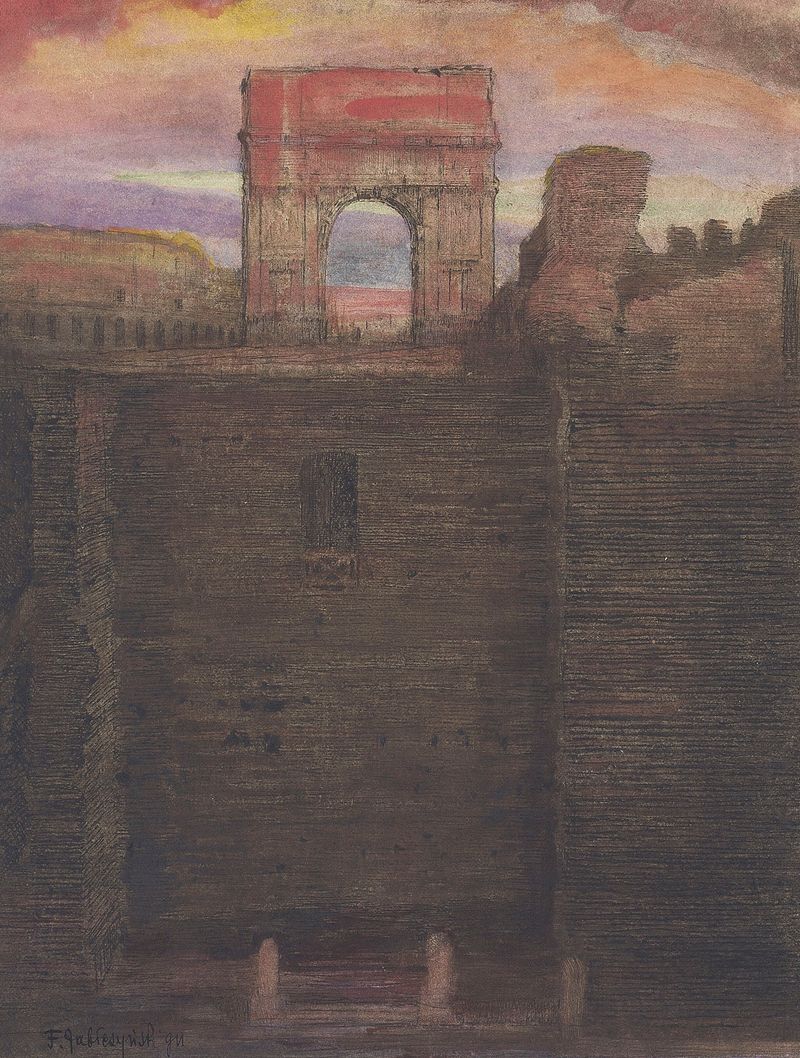
The House of Vestals and the Arch of Titus in the background
Feliks Jabłczyński
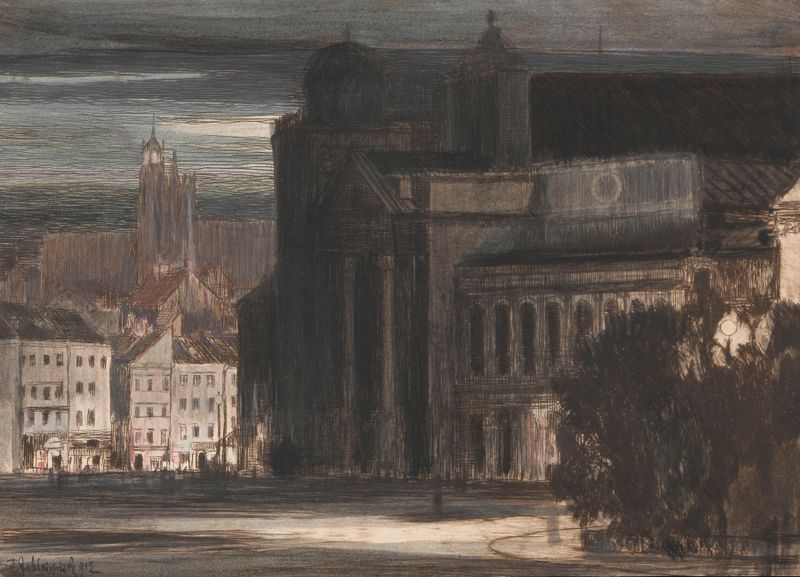
View of the Church of St. Anna and the Castle Square in Warsaw
Feliks Jabłczyński

Kaplica Boimów we Lwowie
Feliks Jabłczyński
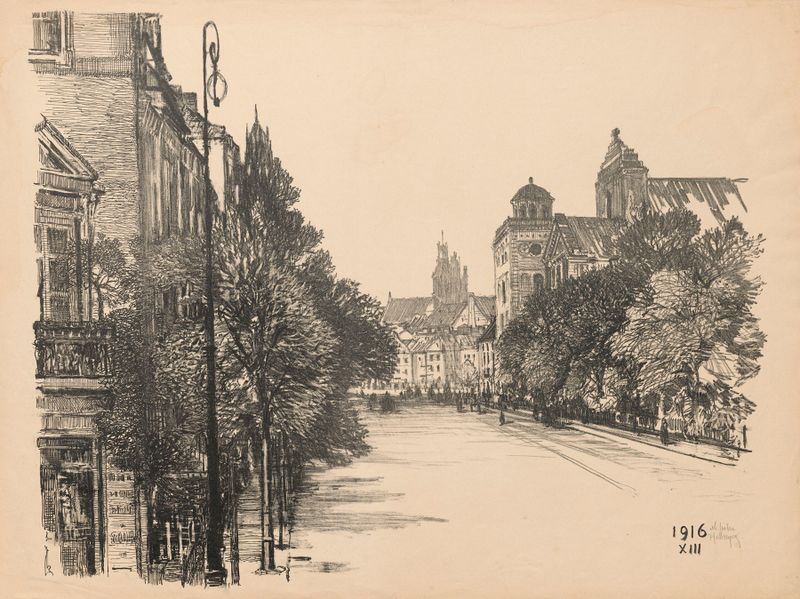
Krakowskie Przedmieście Street
Feliks Jabłczyński
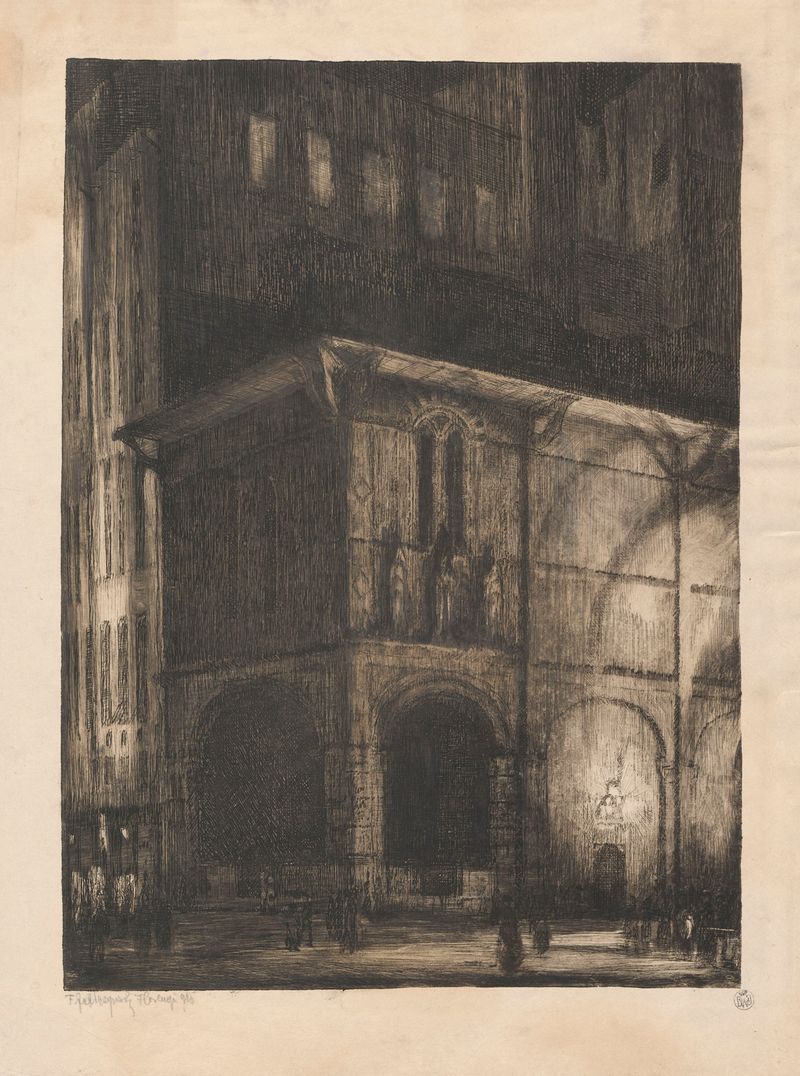
Florence
Feliks Jabłczyński
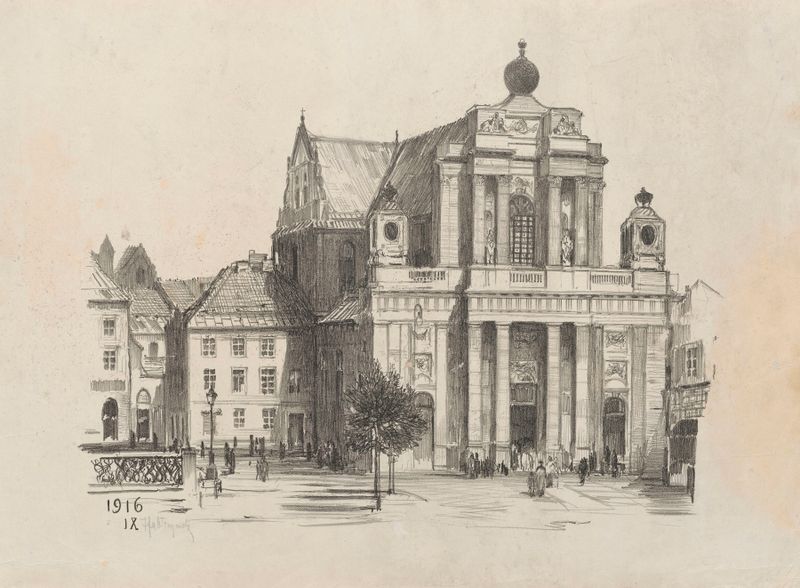
Carmelite Church.
Feliks Jabłczyński

The Visitation Sisters Church
Feliks Jabłczyński
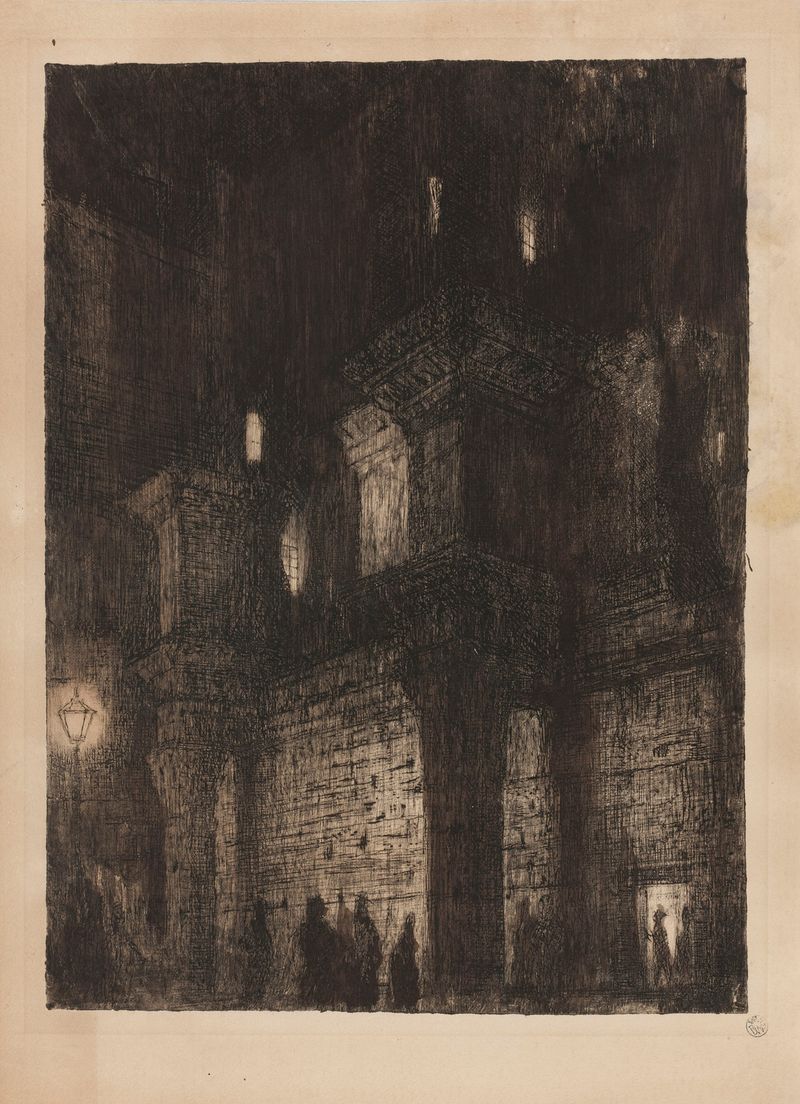
Forum Nervae
Feliks Jabłczyński
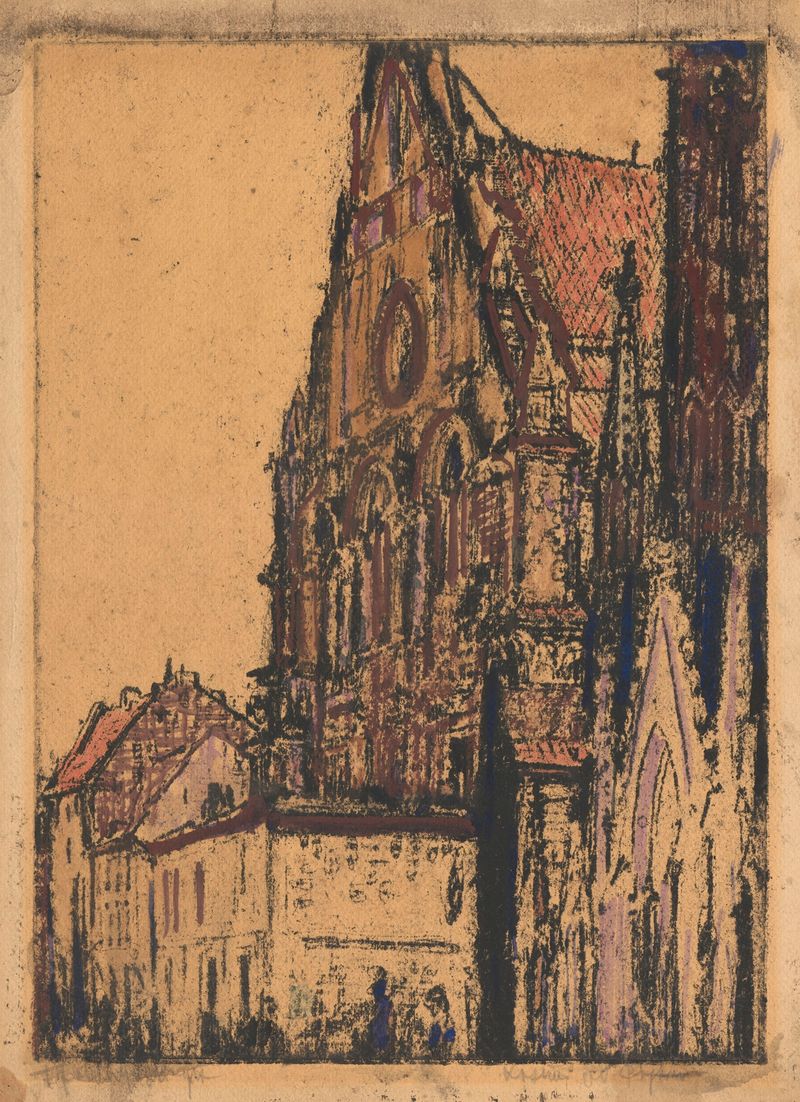
The Piarist Church in Warsaw
Feliks Jabłczyński
More Architecture Art
Browse all →
The statue of Liberty
Frédéric Auguste Bartholdi

View of Houses in Delft, Known as ‘The Little Street’
Johannes Vermeer

View of Houses in Delft, Known as ‘The Little Street’
Johannes Vermeer

The Cathedral in Rouen. The portal, Grey Weather
Claude Monet

The yellow house
Vincent van Gogh

The Church in Auvers-sur-Oise, View from the Chevet
Vincent van Gogh