Chamois in the mountains — History & Facts
In the majestic silence of the mountains, there lies a profound truth about life and mortality. Focus on the chamois, poised on the rocky outcrop, its form both delicate and powerful against the backdrop of towering peaks. The artist captures the creature in a moment of stillness, light dancing over its fur, highlighting the tension between existence and the vastness surrounding it. The muted palette, dominated by earthy tones, evokes a sense of timelessness, while the intricate details of the landscape create a sense of intimacy with nature. Within this serene composition lies an exploration of fragility.
The chamois, emblematic of survival in an unforgiving environment, stands in stark contrast to the imposing mountains, symbolizing the inevitable passage of time. The rugged terrain suggests danger, yet the creature’s calm demeanor speaks to resilience. Each brushstroke whispers the delicate balance between life’s fleeting moments and the eternal beauty of nature. Painted between 1890 and 1900, the artist was deeply influenced by the symbolism and naturalism of the period.
He worked in Poland, a time of cultural awakening, where discussions of identity and human experience permeated the art world. This piece reflects not only a personal contemplation of mortality but also resonates with the shifting tides of a society grappling with its own historical narratives.
More Artworks by Stanisław Witkiewicz
Browse all →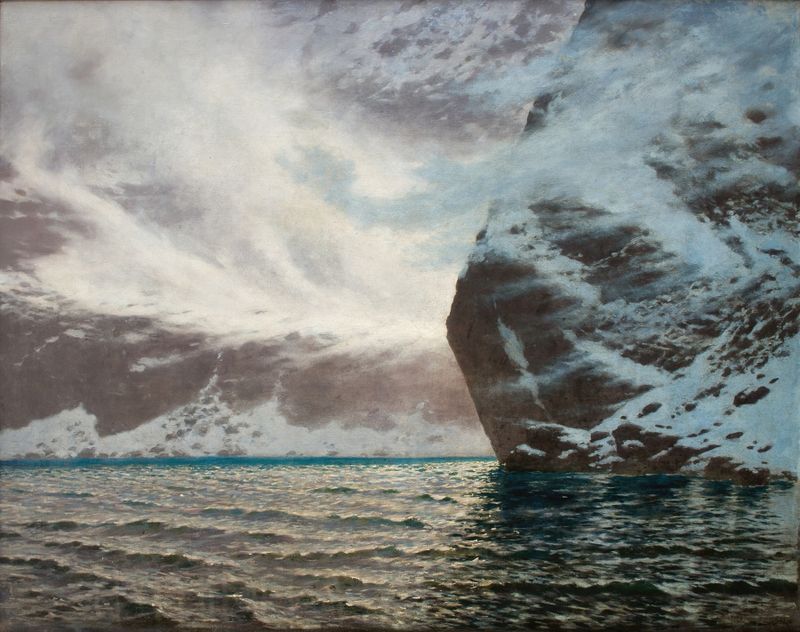
Czarny Staw (The Blake Lake) – Blizzard
Stanisław Witkiewicz

Baltic Sea near Palanga
Stanisław Witkiewicz
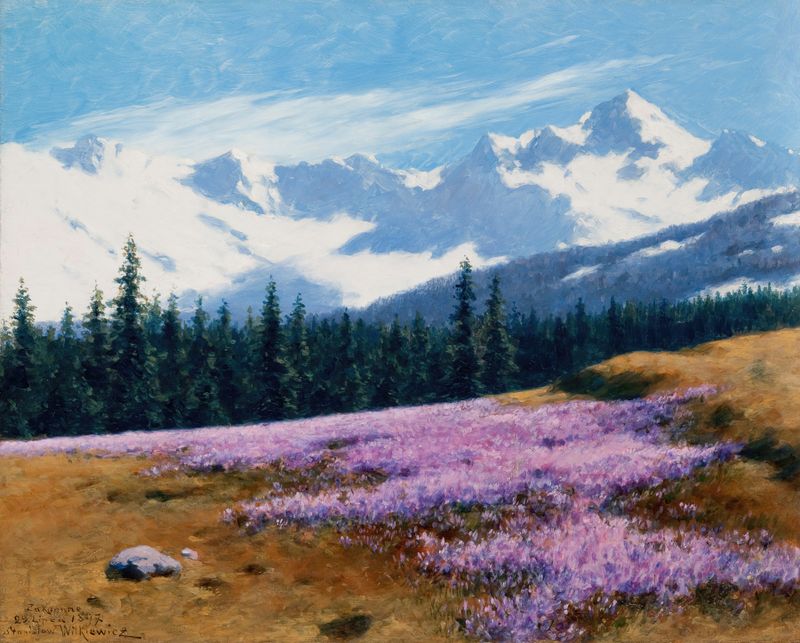
Crocuses with Snowy Mountains Behind
Stanisław Witkiewicz

Spring Mist
Stanisław Witkiewicz

Foehn Wind
Stanisław Witkiewicz
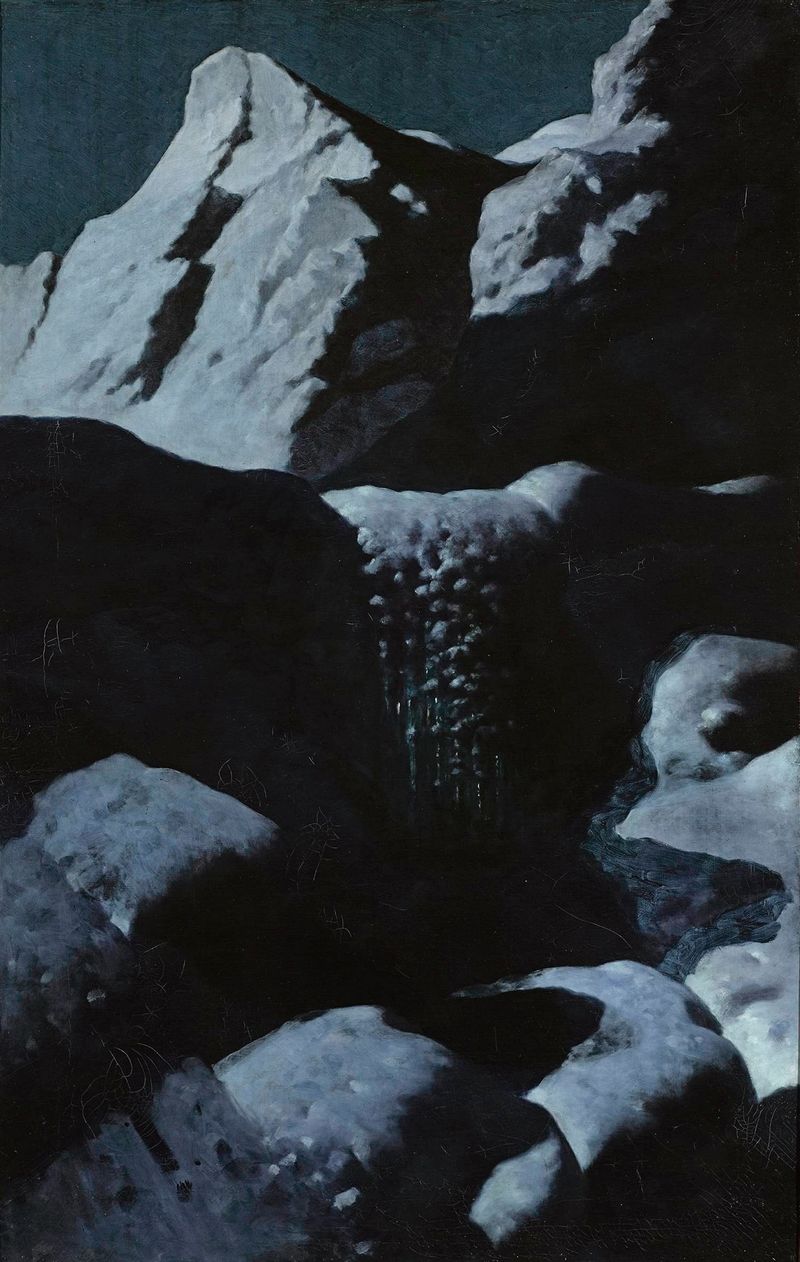
Winter landscape from the Tatra Mountains
Stanisław Witkiewicz
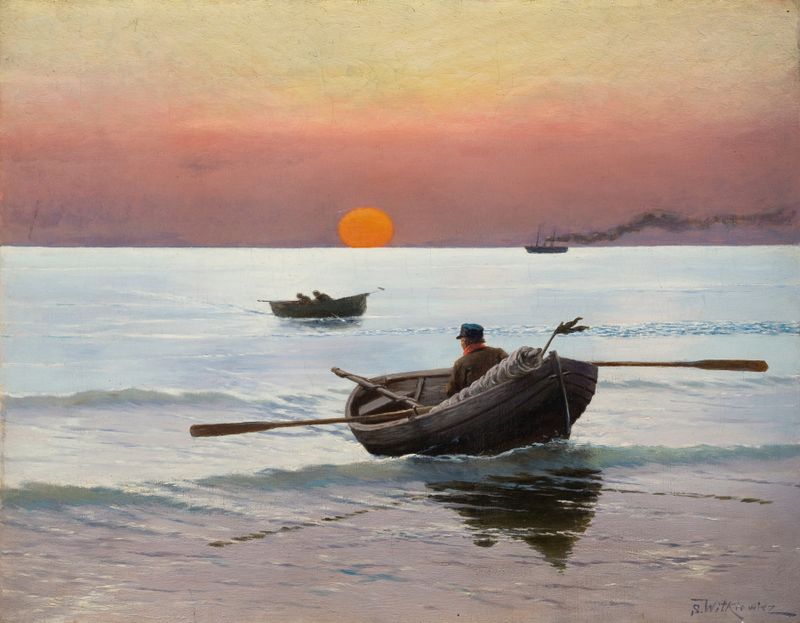
Sunset on the Sea
Stanisław Witkiewicz

Autumn Pasturage
Stanisław Witkiewicz
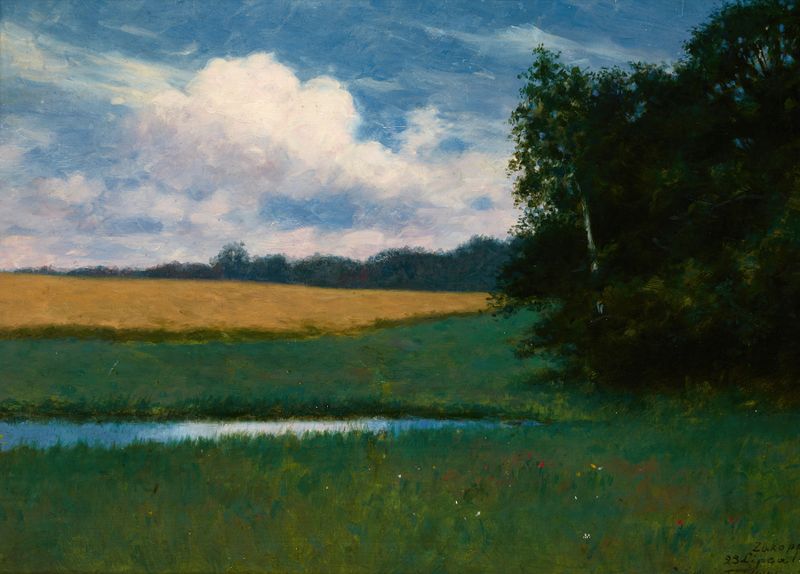
Dusk
Stanisław Witkiewicz
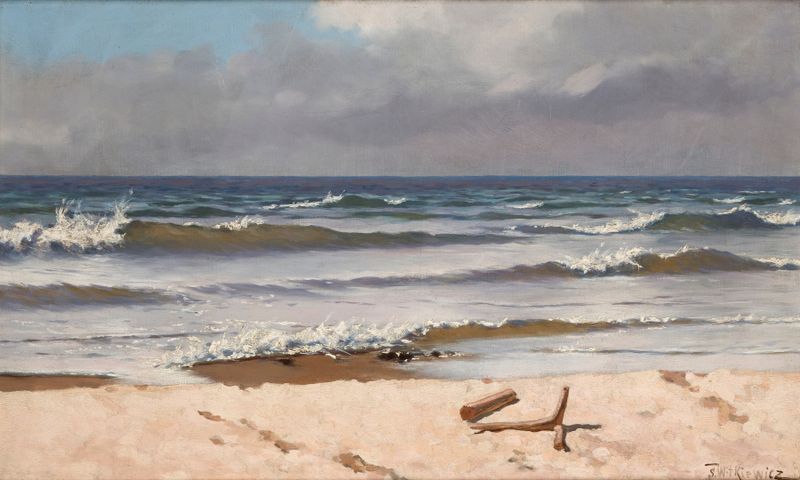
Coast at Połąga
Stanisław Witkiewicz