Champ À Giverny — History & Facts
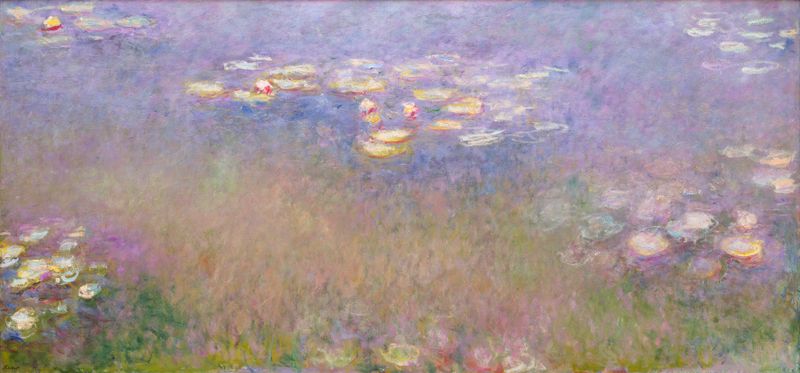
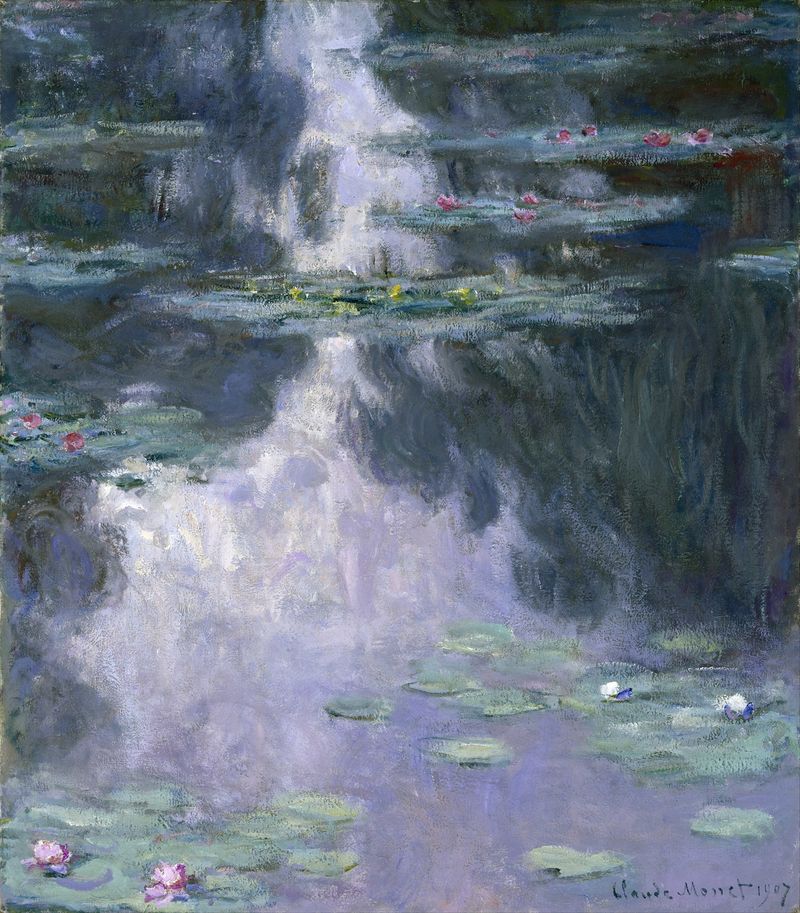
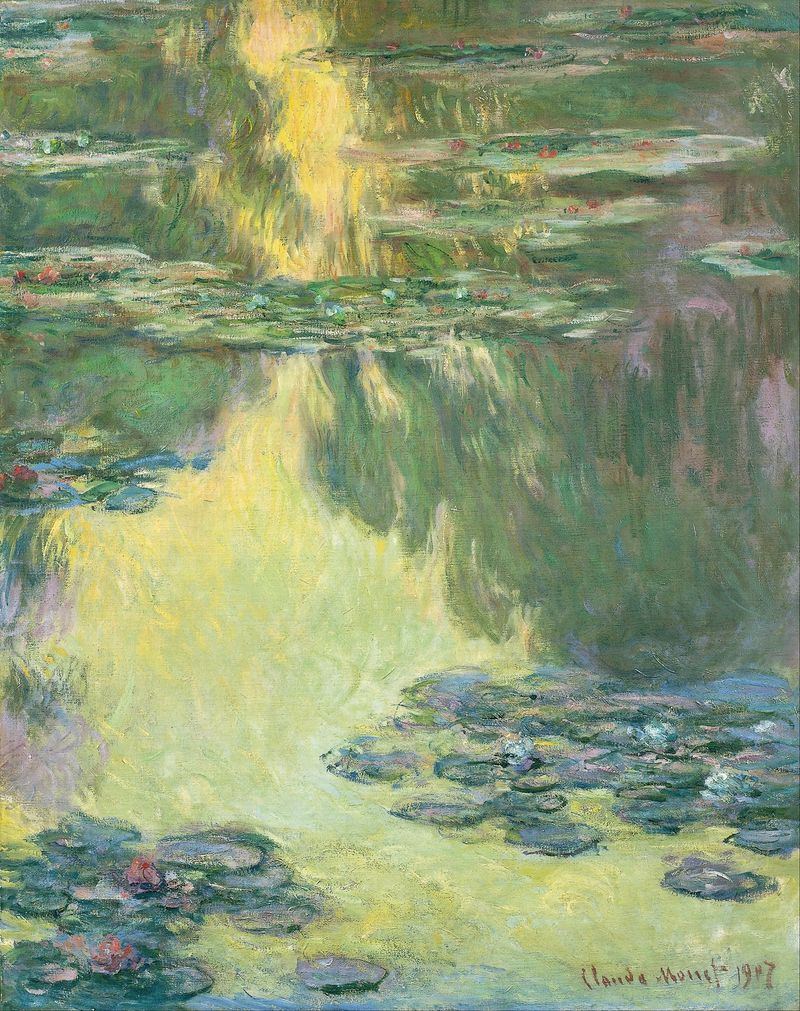
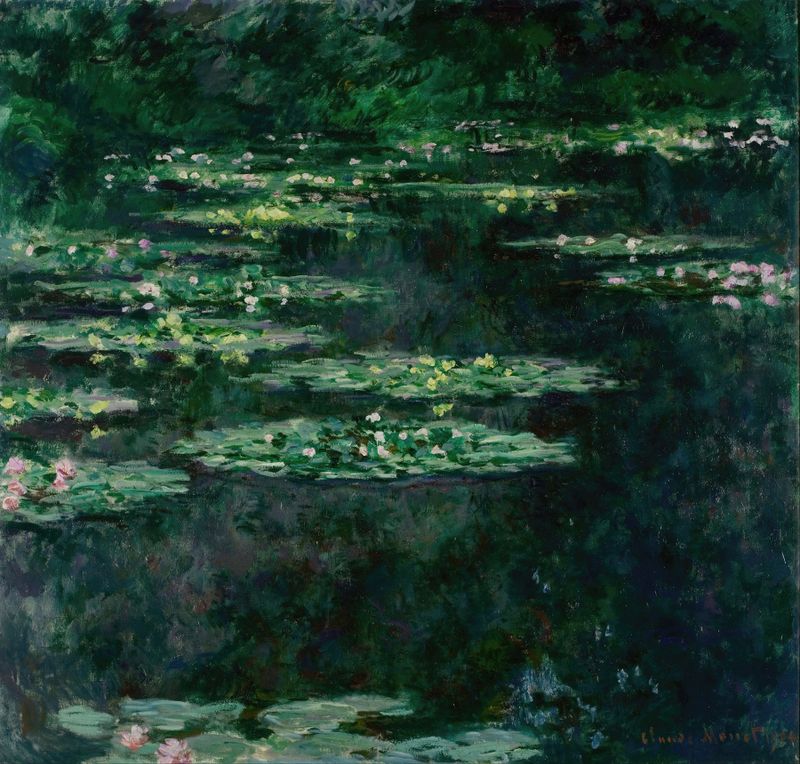
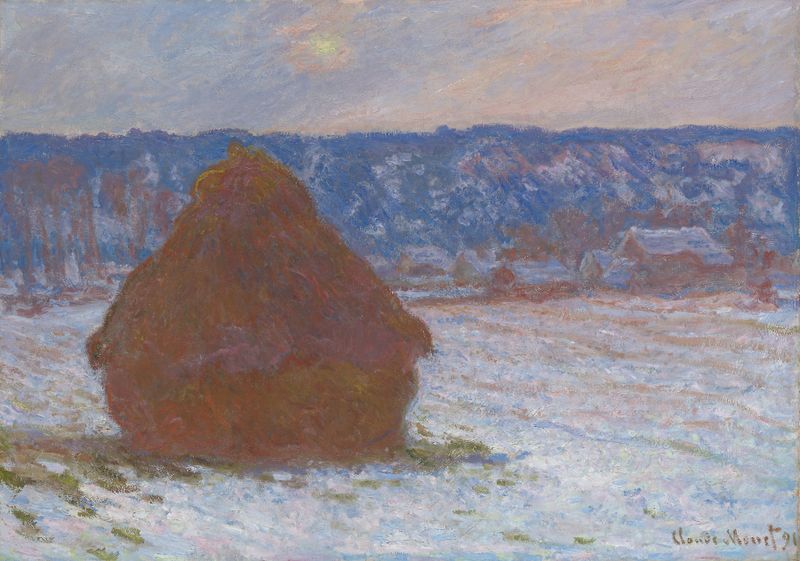
What if silence could speak through light? In a field painted with the vestiges of nature, decay and beauty intertwine, whispering secrets of time and transience. Look to the lower left at the vibrant patches of wildflowers, where strokes of yellow and purple bloom against the muted greens. The brushwork is loose, almost spontaneous, inviting the eye to dance across the canvas. Notice how the dappled sunlight filters through the canopy above, casting soft shadows that hint at the passage of fleeting days.
The use of color is both immersive and reflective, blending the lushness of life with the inevitability of its decline. As you stand before this vibrant landscape, consider the hidden dialogues between the colors. The warm hues of the flowers contrast sharply with the cooler tones of the encroaching earth, symbolizing the tension between vitality and decay. Each brushstroke carries a weight, a reminder that even in the midst of bloom, there lies a recognition of the cycle of life—a poignant reflection on nature's impermanence. In 1887, Monet was deeply engaged in his work at Giverny, where he created Champ À Giverny.
This period marked a profound evolution in his artistic vision as he explored themes of light and atmosphere. His personal life was tumultuous, marked by personal loss, yet it was also a time of great artistic collaboration and influence within the Impressionist movement, propelling his quest towards profound depictions of nature.