Discover insights about this artwork
Charing Cross Bridge — History & Facts
Charing Cross Bridge depicts a bustling scene of London with the iconic bridge stretching across the River Thames. The painting is filled with soft blues and vibrant greens, capturing the essence of a lively day. You can see boats gently floating on the water, while people walk along the bridge, engaged in their daily activities.
The sky is filled with fluffy white clouds, adding a sense of movement to the scene. As you examine the painting, notice the way Monet uses light to create reflections on the water. The brushstrokes are loose and fluid, giving the impression of a moment in time. You can see how the colors blend together, creating a sense of harmony in the composition.
Look closely at the details of the bridge and the figures; they are not perfectly defined, which is typical of Monet's style. Claude Monet painted this work during the late 19th and early 20th centuries, a time when Impressionism was gaining popularity. Monet was particularly interested in capturing the effects of light and atmosphere in his paintings. One interesting fact is that he painted several versions of Charing Cross Bridge, each with different lighting and weather conditions.
This reflects his dedication to exploring the same subject from various perspectives.
More Artworks by Claude Monet
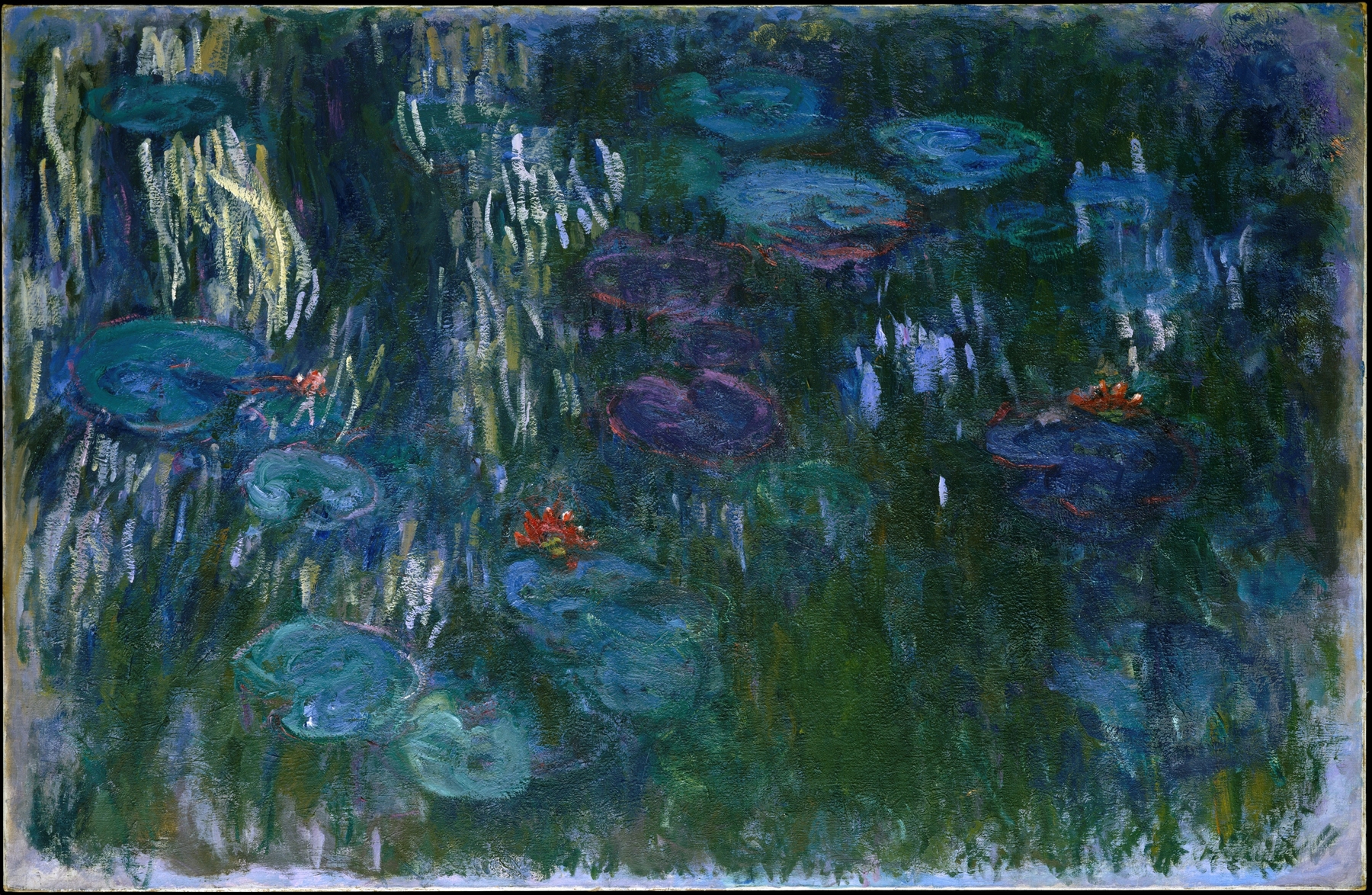
Water Lilies
Claude Monet
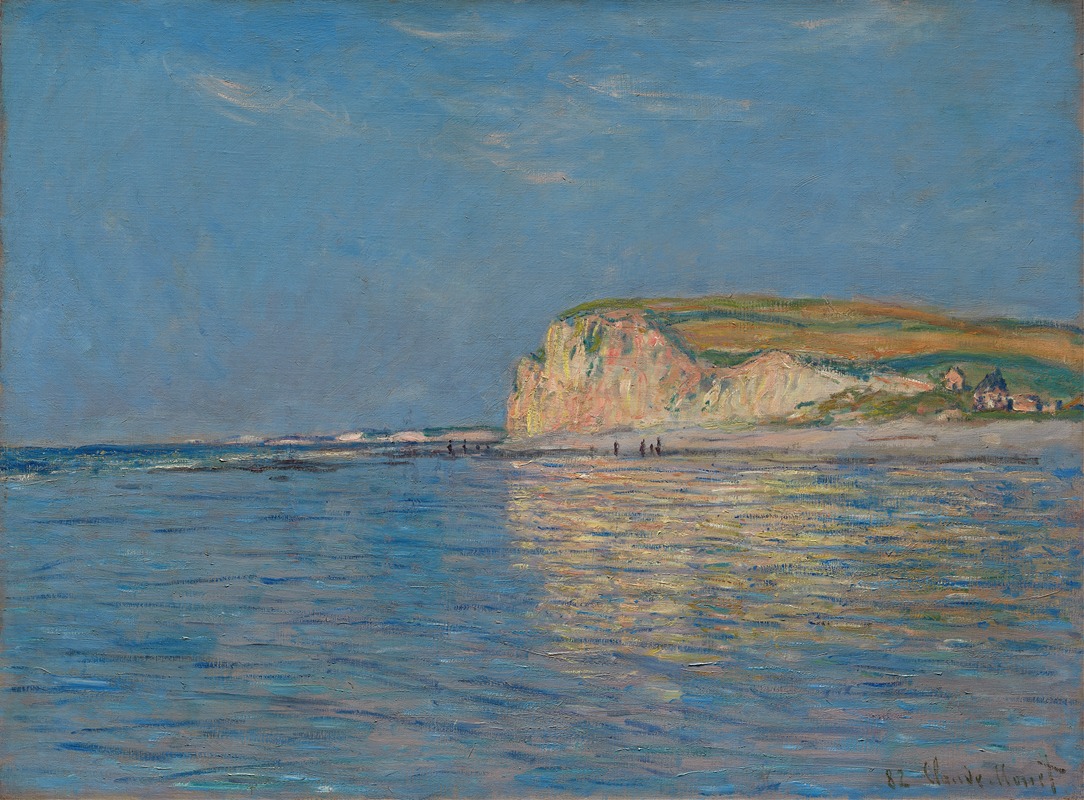
Low Tide at Pourville, near Dieppe
Claude Monet
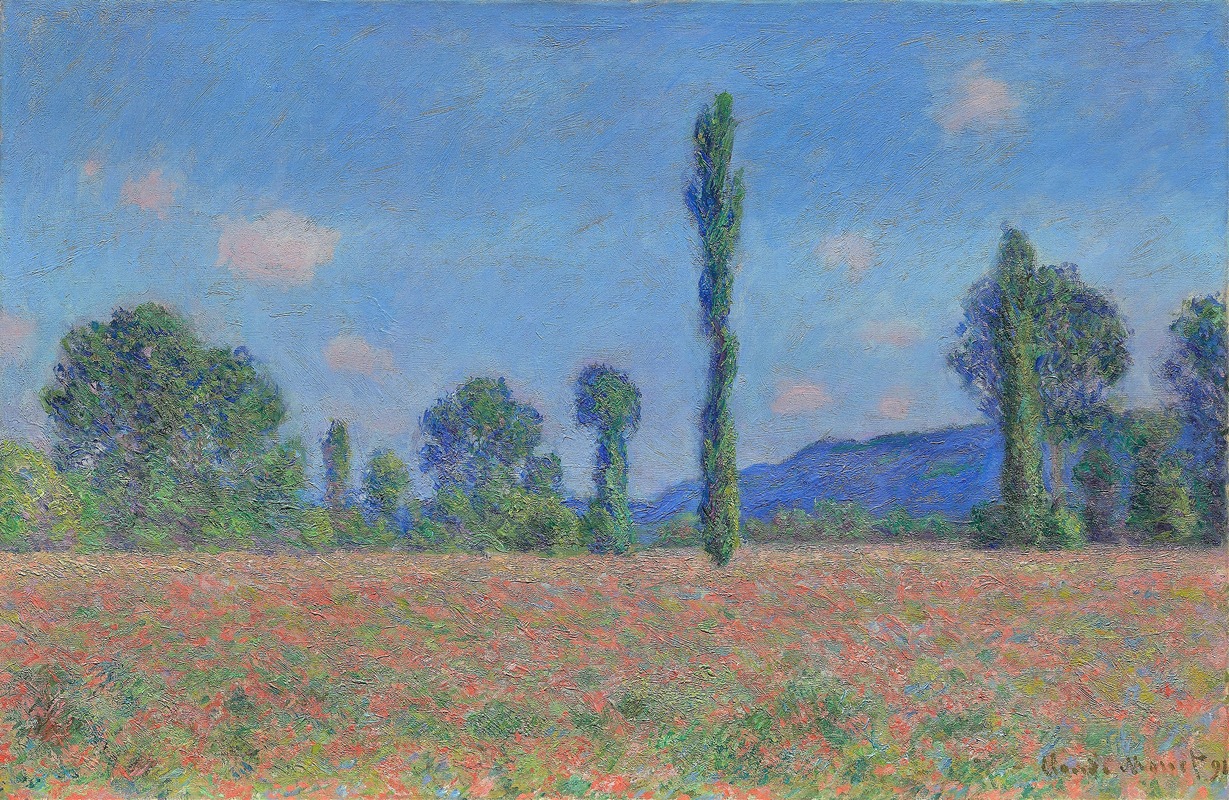
Poppy Field (Giverny)
Claude Monet
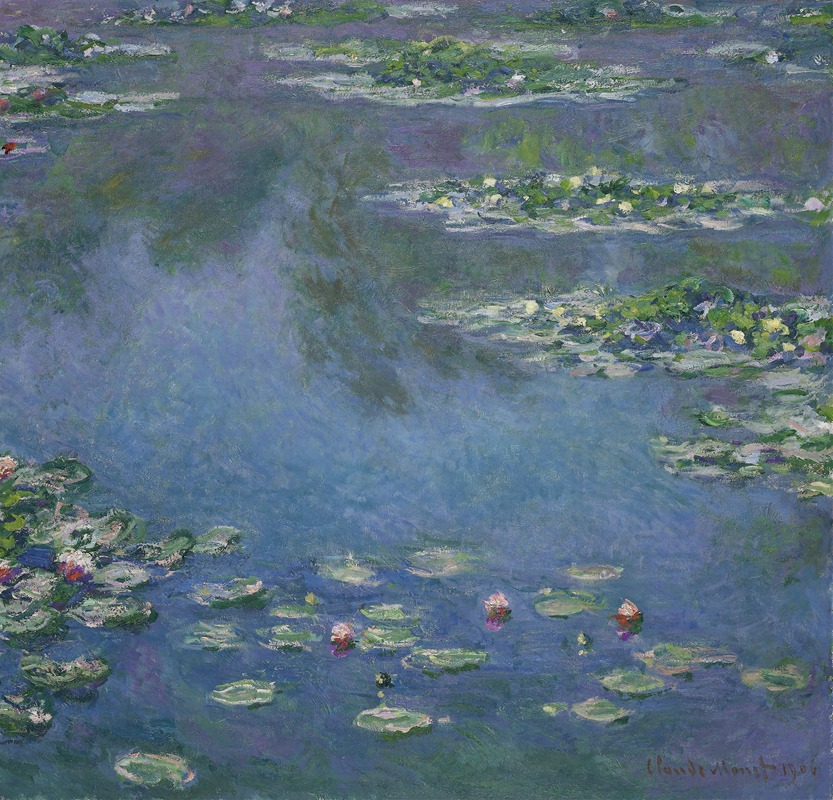
Water Lilies
Claude Monet

Nymphéas
Claude Monet
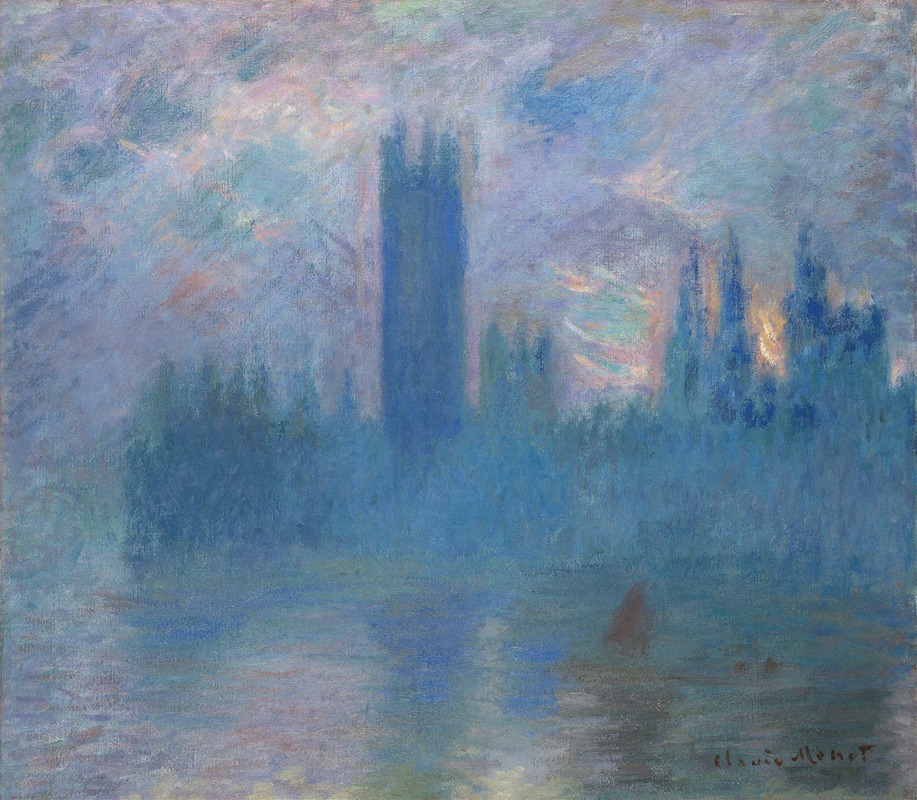
Houses of Parliament, London
Claude Monet
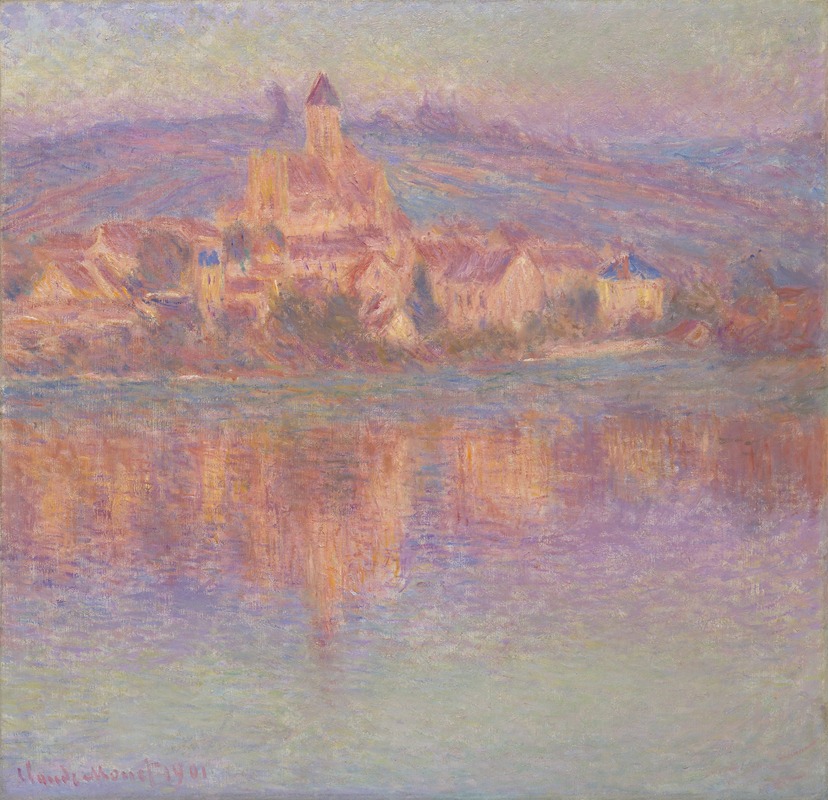
Vétheuil
Claude Monet
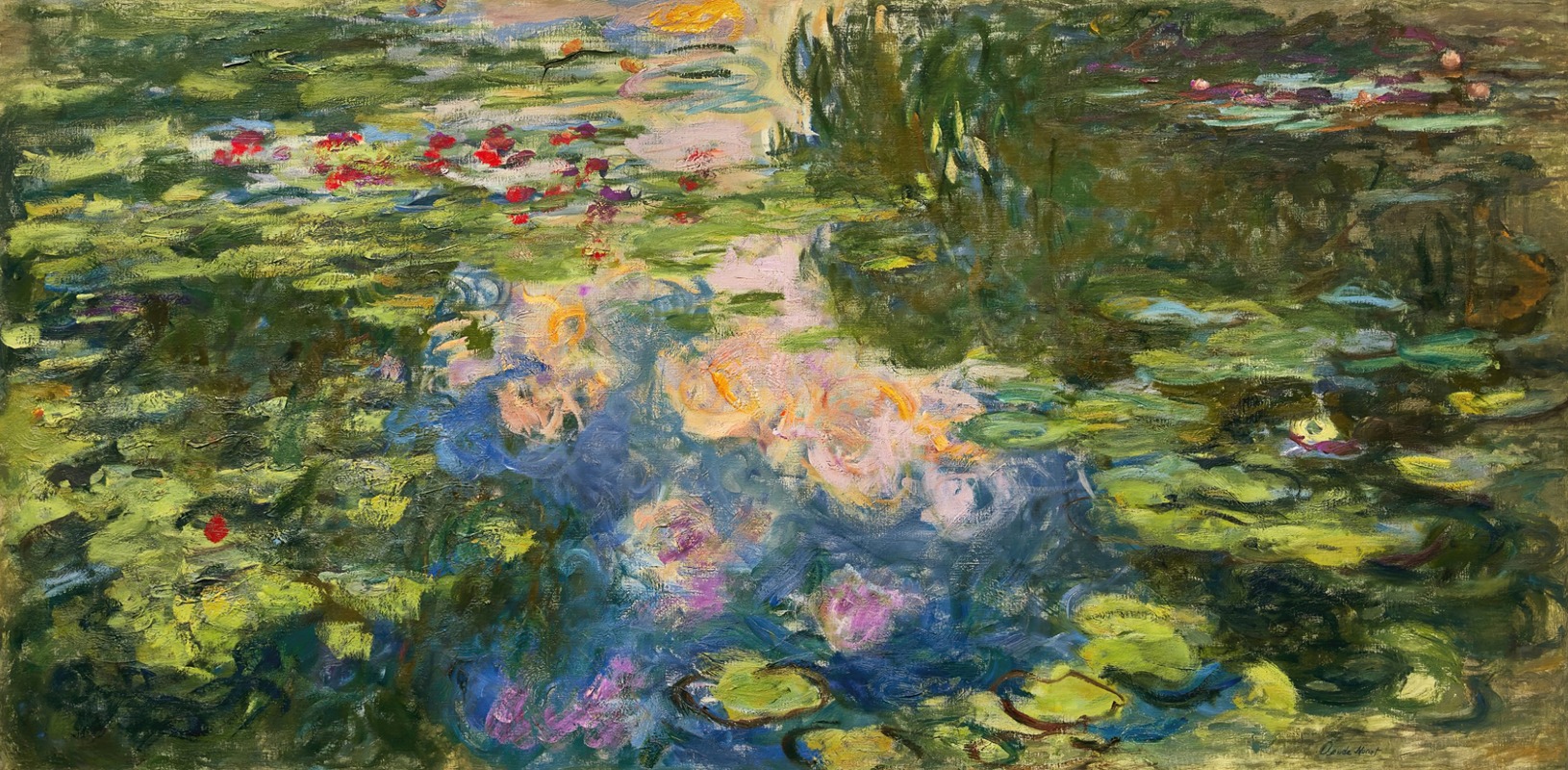
Le Bassin aux nymphéas
Claude Monet
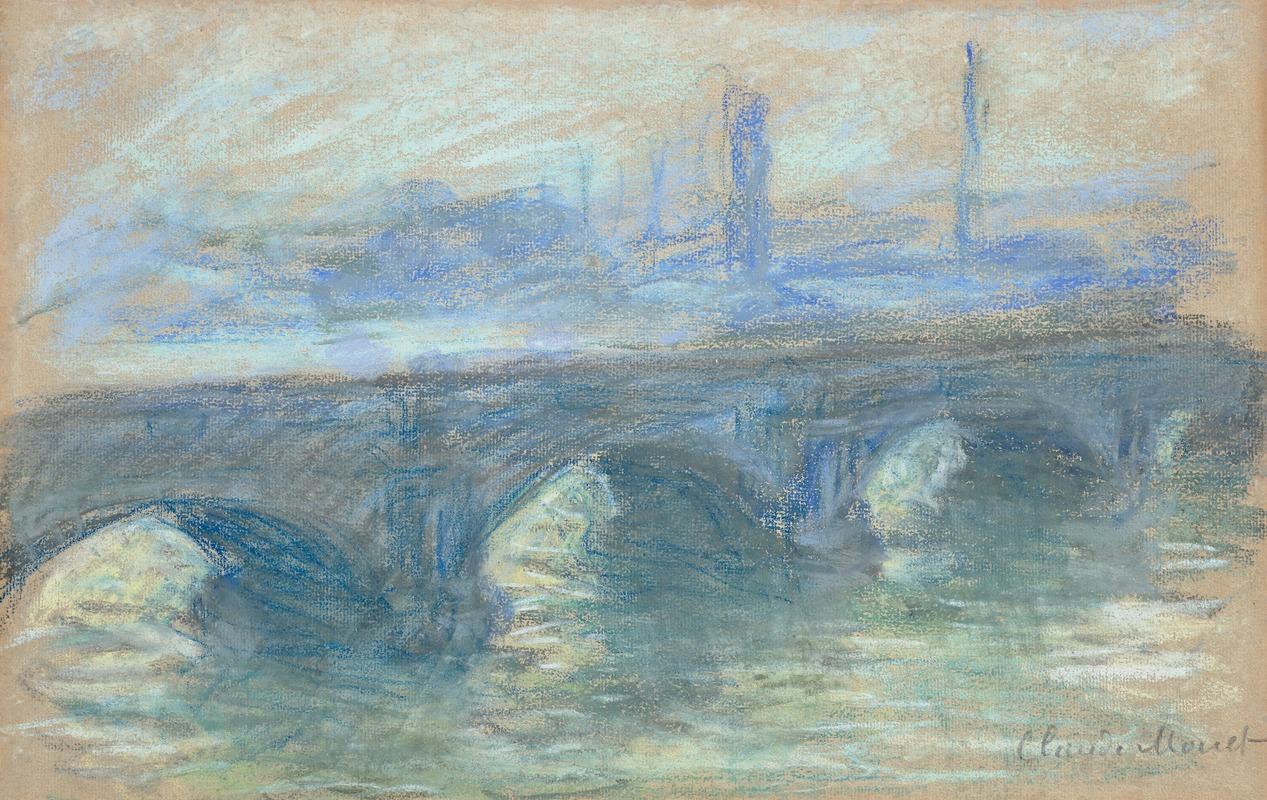
Waterloo Bridge
Claude Monet

Printemps à Giverny, effet d’après-midi
Claude Monet