Discover insights about this artwork
Charing Cross Bridge — History & Facts
Charing Cross Bridge depicts a busy bridge filled with boats and people under a cloudy sky. The colors are soft, with blues and grays dominating the scene. Monet captures the movement of the water and the light reflecting off it, creating a lively atmosphere.
The bridge itself is rendered with quick brush strokes that give it a sense of life and energy. Take a moment to notice the way Monet uses light in this painting. The reflections in the water are painted with quick dabs of color, creating a shimmering effect. If you look closely, you can see the figures of people walking along the bridge, adding to the sense of activity.
The clouds above suggest a change in weather, adding to the dynamic feel of the scene. Claude Monet painted this work during the late 19th century, a time when he was exploring new techniques in Impressionism. This movement focused on capturing light and movement, often painting outdoors to observe the changing conditions. One interesting fact about Monet is that he often painted the same scene multiple times to capture how it looked at different times of day.
Charing Cross Bridge reflects his fascination with light and atmosphere in urban settings.
More Artworks by Claude Monet
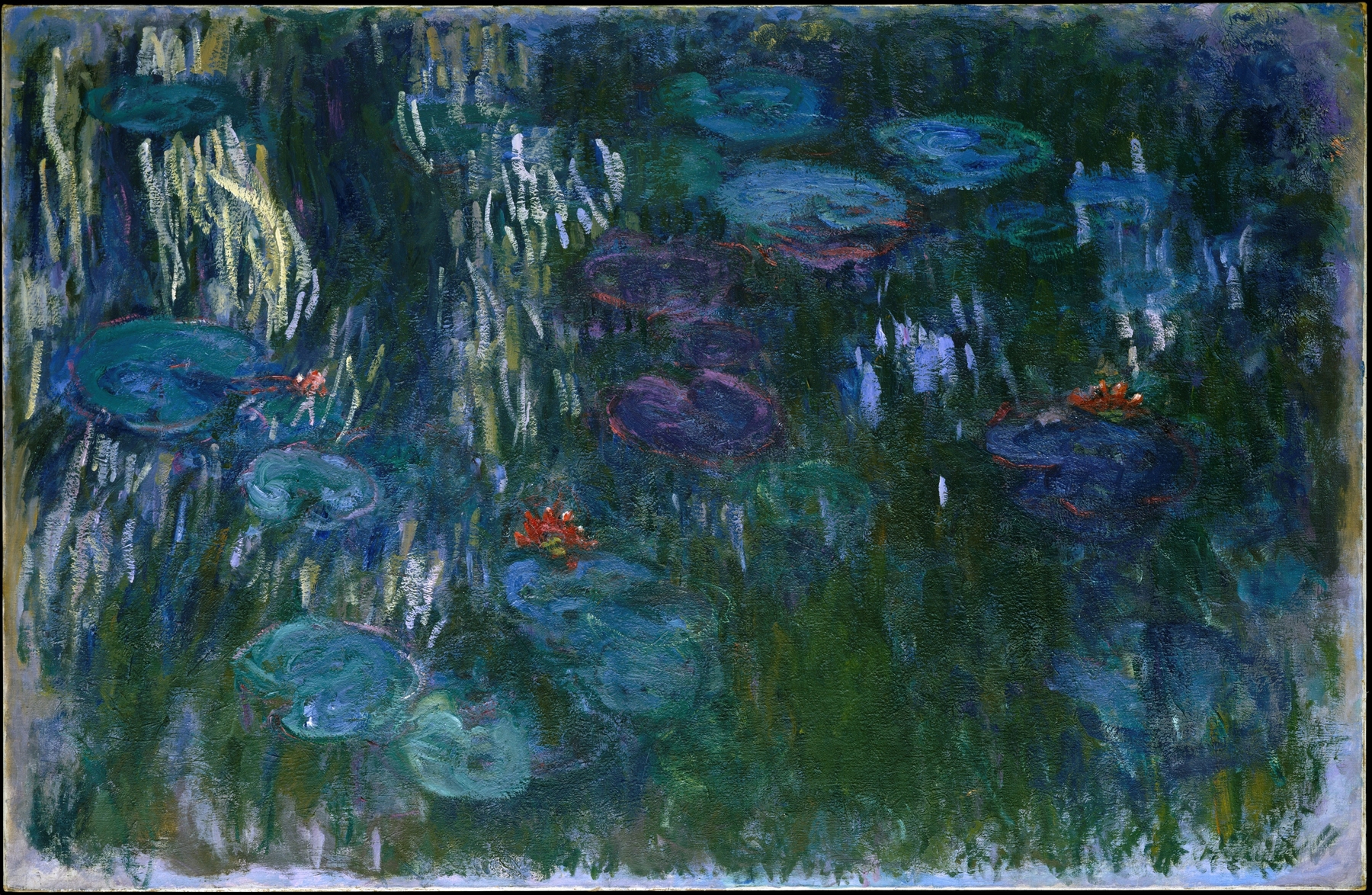
Water Lilies
Claude Monet
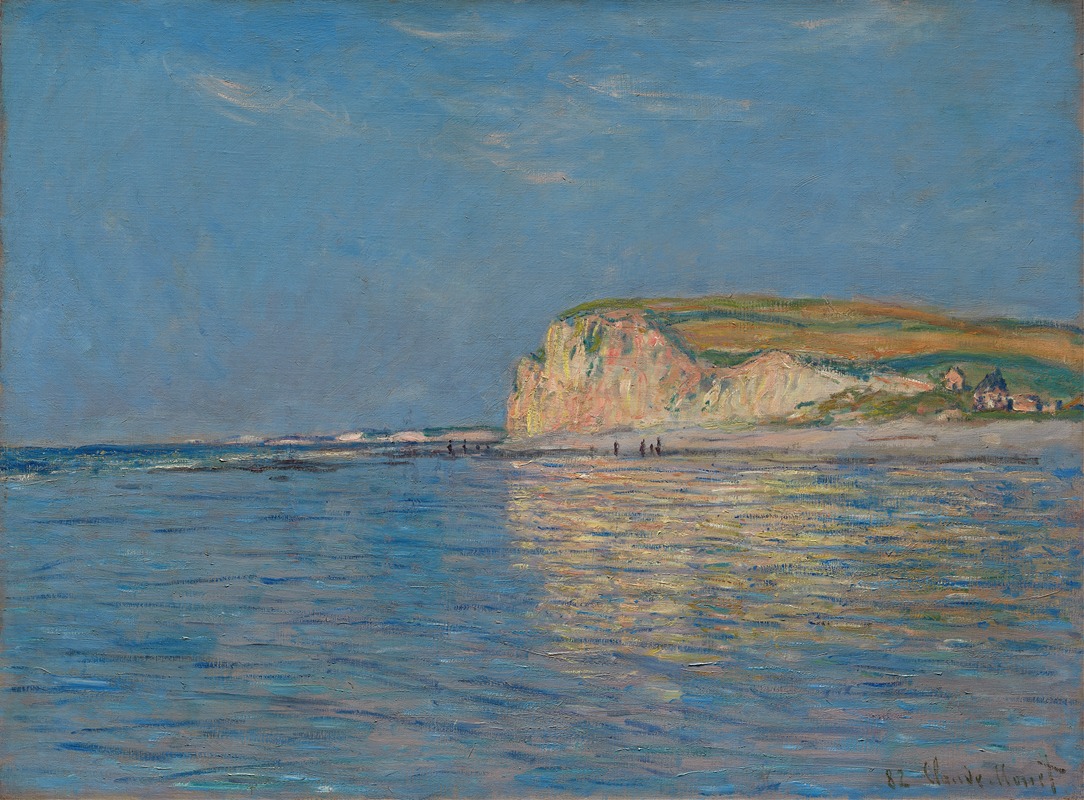
Low Tide at Pourville, near Dieppe
Claude Monet
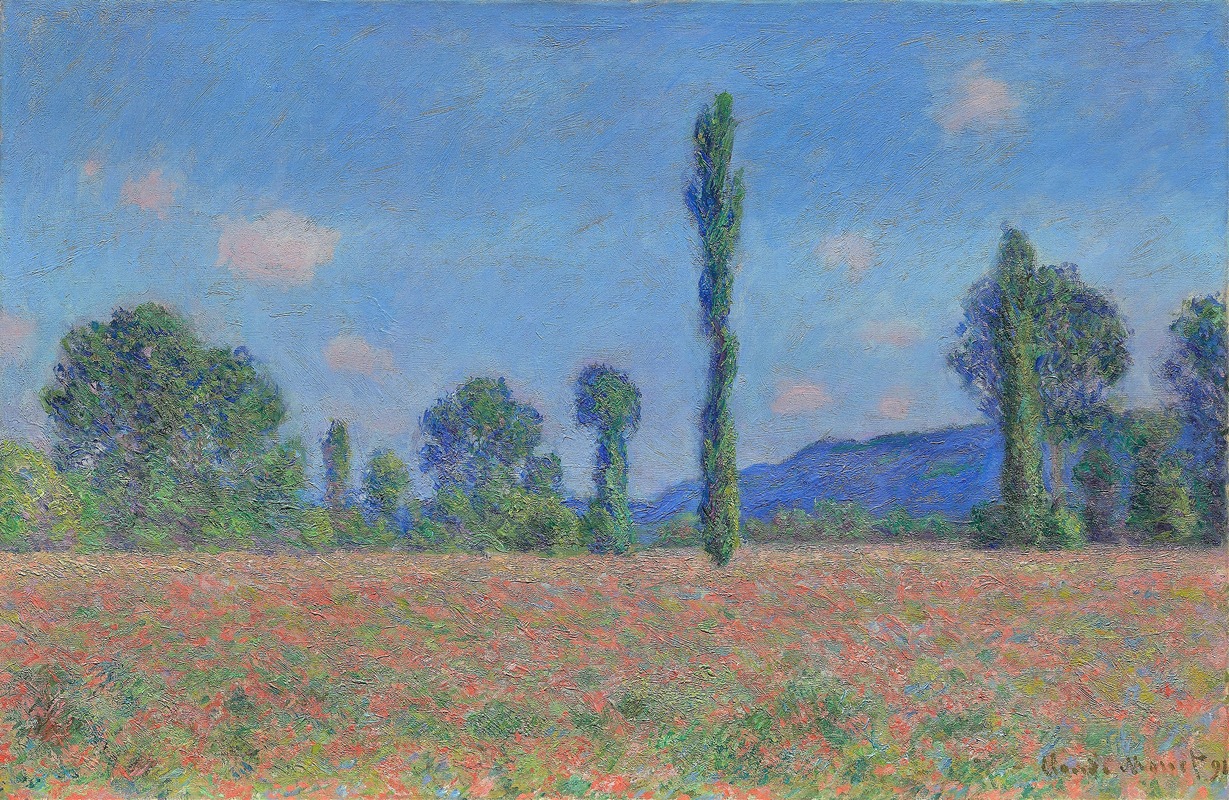
Poppy Field (Giverny)
Claude Monet
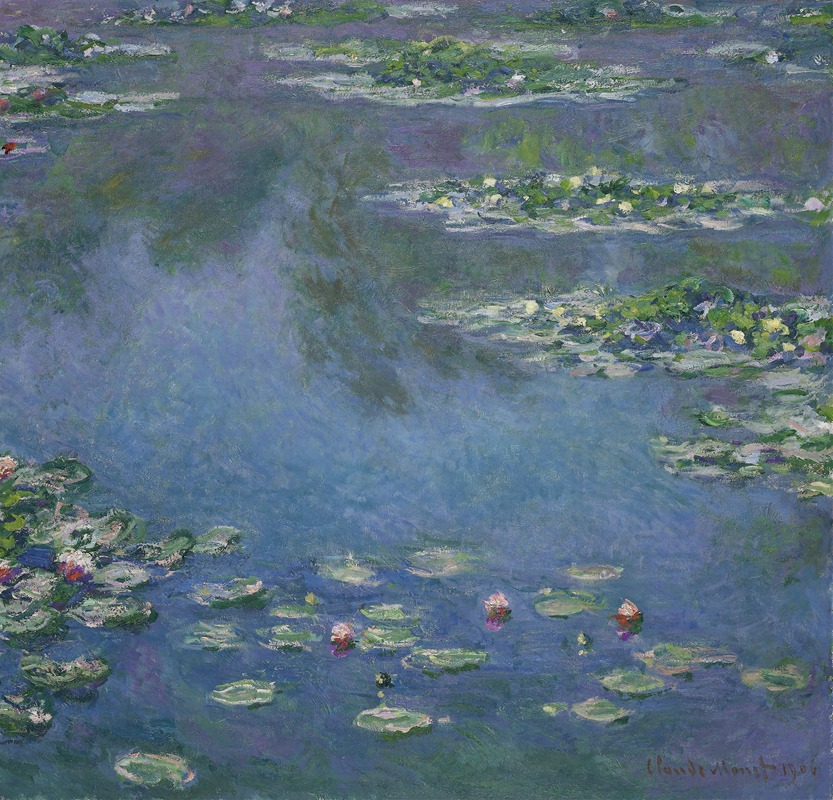
Water Lilies
Claude Monet
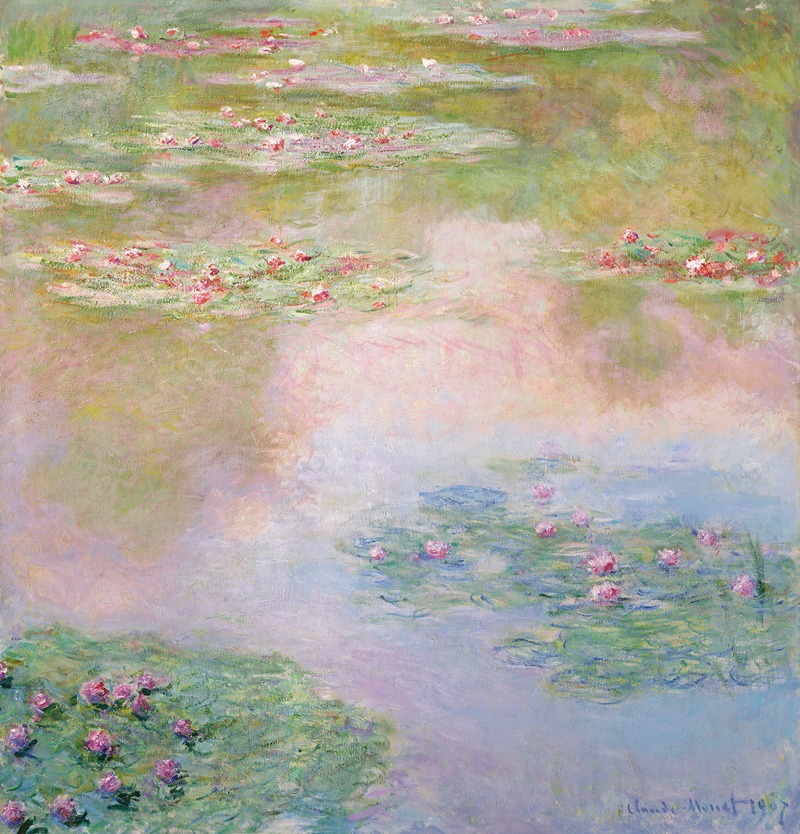
Nymphéas
Claude Monet
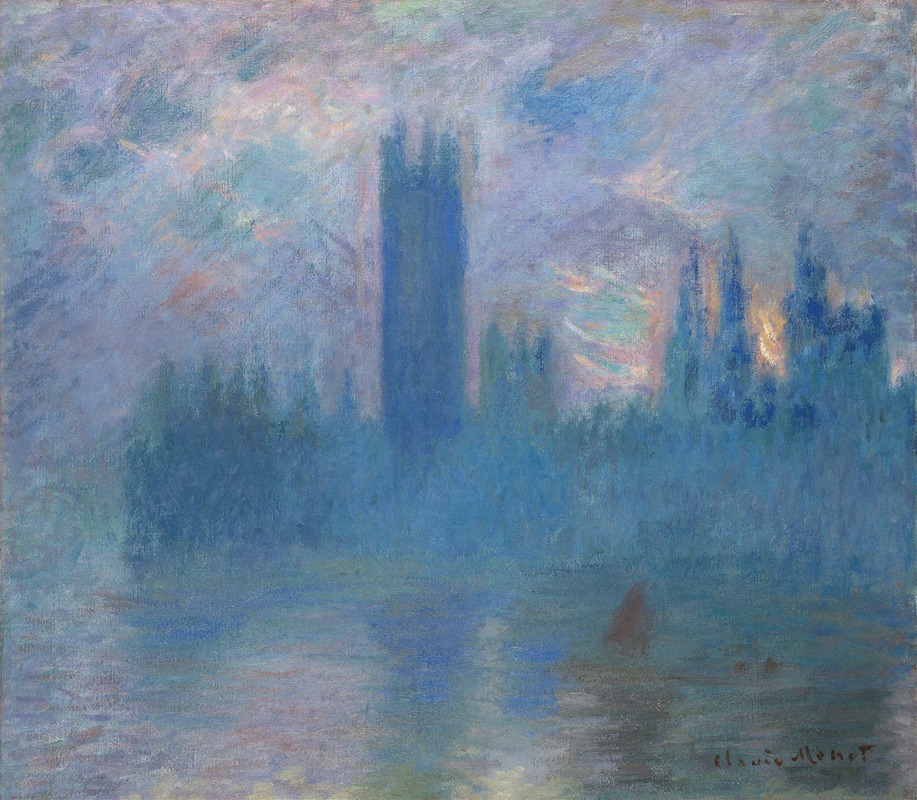
Houses of Parliament, London
Claude Monet
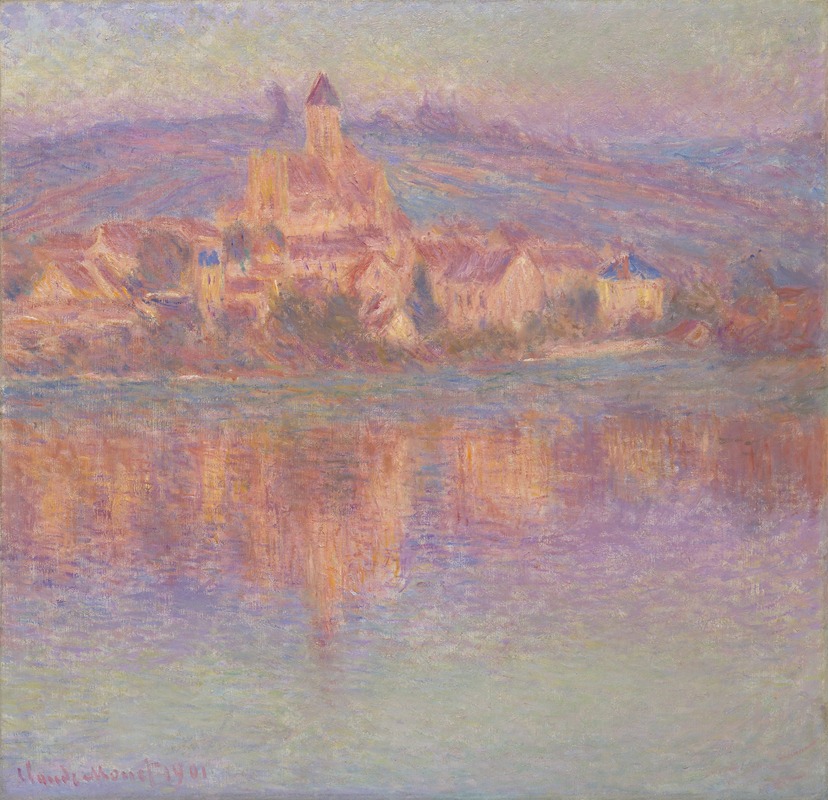
Vétheuil
Claude Monet
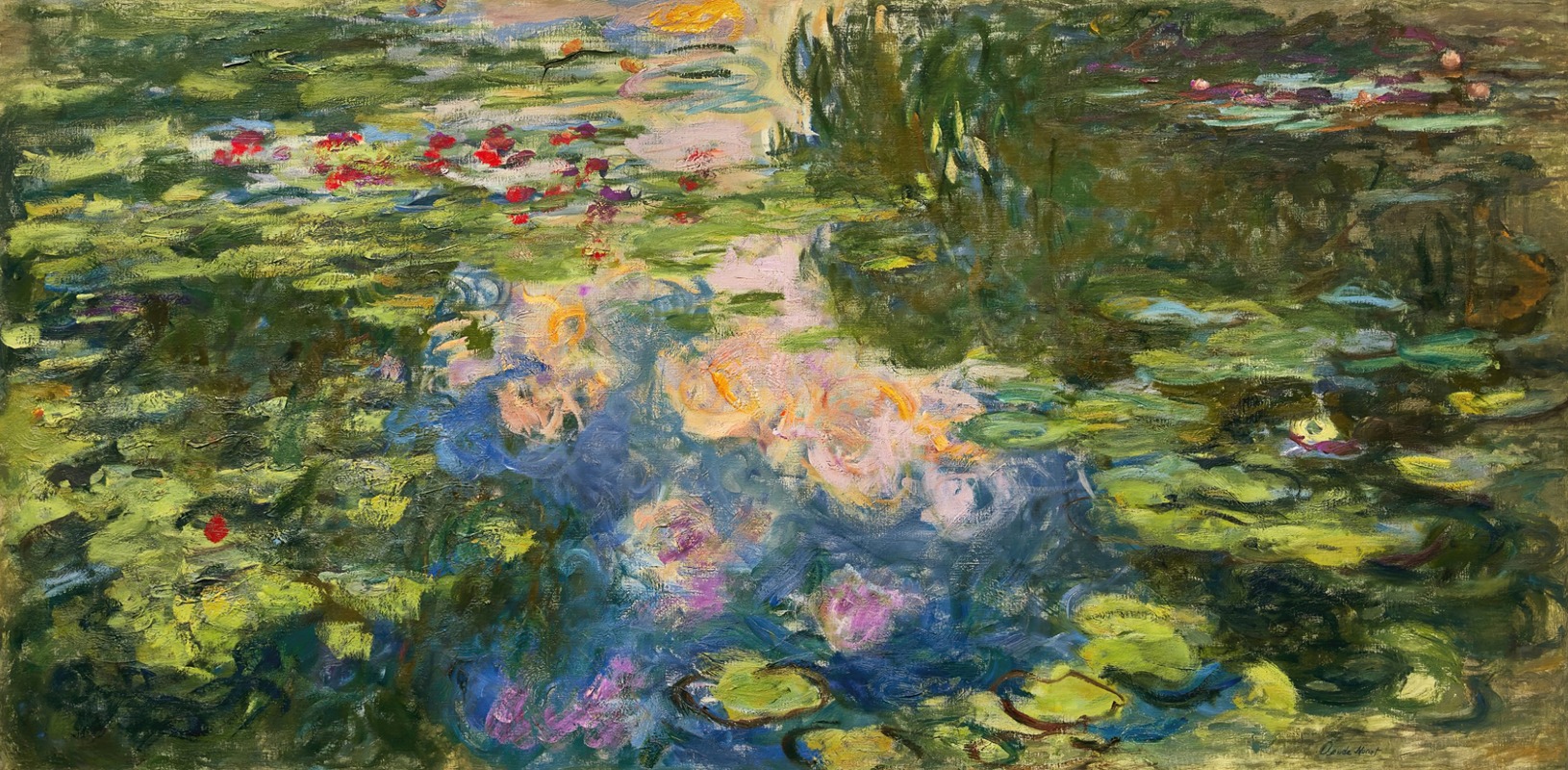
Le Bassin aux nymphéas
Claude Monet
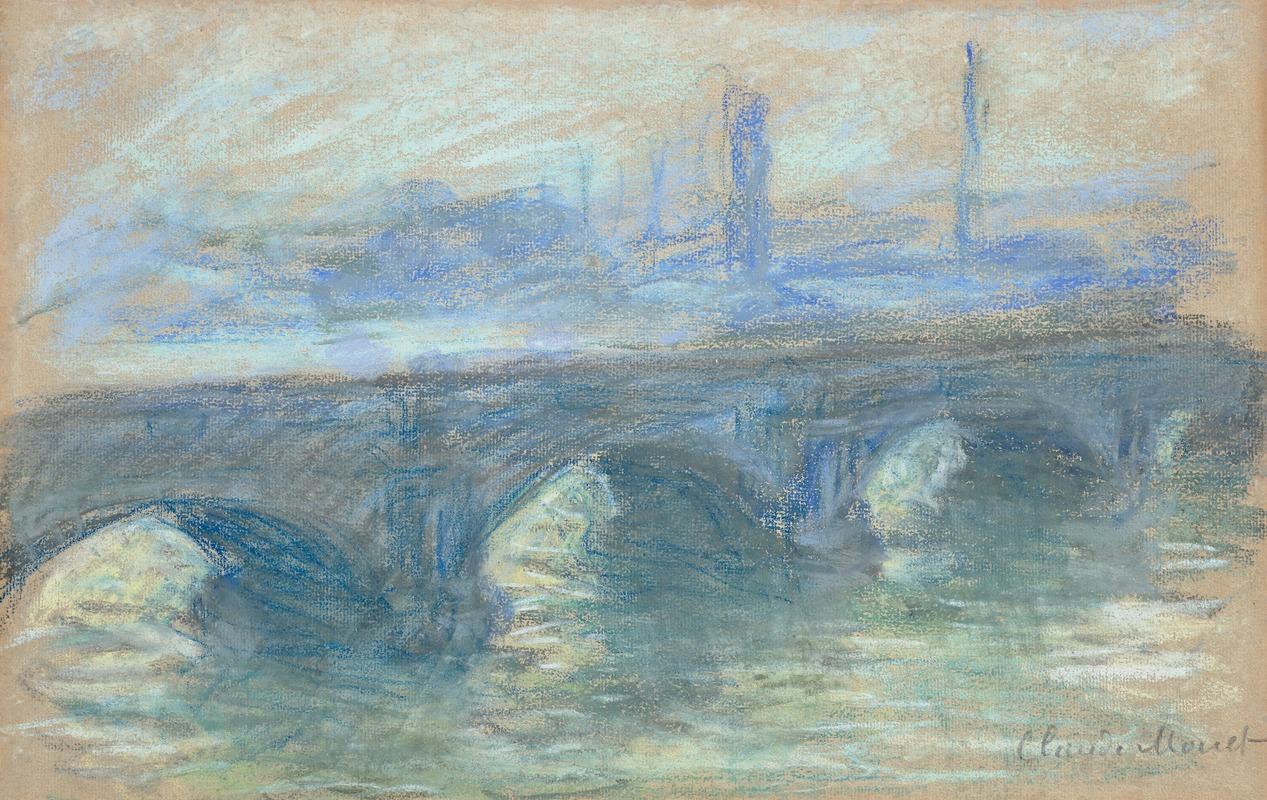
Waterloo Bridge
Claude Monet

Printemps à Giverny, effet d’après-midi
Claude Monet