Discover insights about this artwork
Charing Cross Bridge — History & Facts
In Charing Cross Bridge, Claude Monet presents a lively scene filled with vibrant colors. The painting features the iconic bridge set against a backdrop of bustling London. Soft blues and greens dominate the canvas, while hints of warm colors suggest the activity of the city.
The water reflects the sky, adding a sense of movement to the scene. Monet employs his signature Impressionist technique, using loose brushstrokes to create a sense of immediacy. The play of light on the water is particularly striking, showcasing his ability to capture atmospheric effects. The composition draws the viewer's eye across the bridge and into the city.
This work exemplifies Monet's fascination with urban landscapes. Charing Cross Bridge was painted during a period when Monet was exploring the effects of light and color in urban settings. Interestingly, this painting is part of a series that Monet created, focusing on the same subject at different times of day and weather conditions. Monet's innovative approach to capturing fleeting moments in time marked a significant shift in the art world.
This work remains a testament to his enduring legacy in Impressionism.
More Artworks by Claude Monet
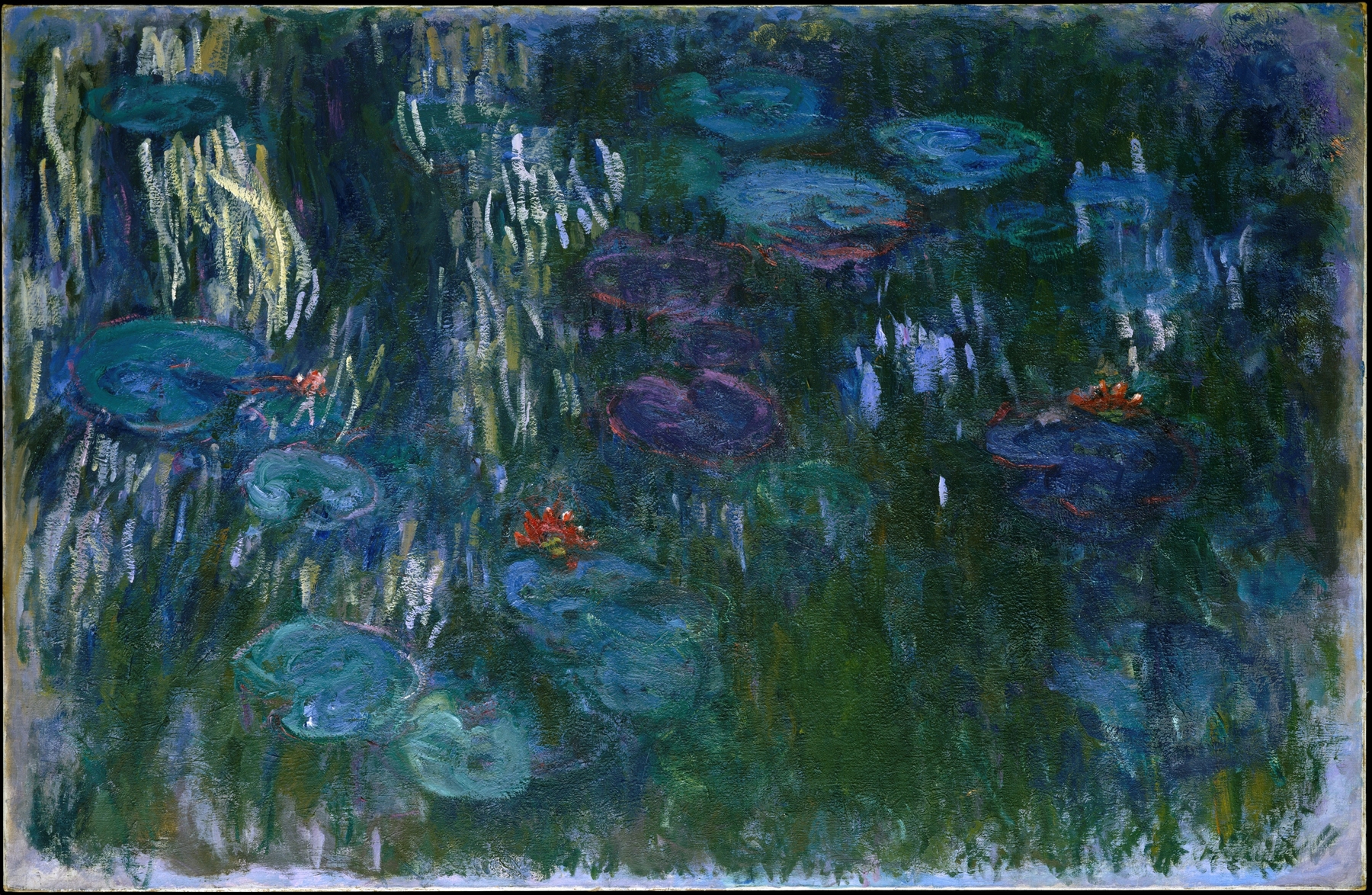
Water Lilies
Claude Monet
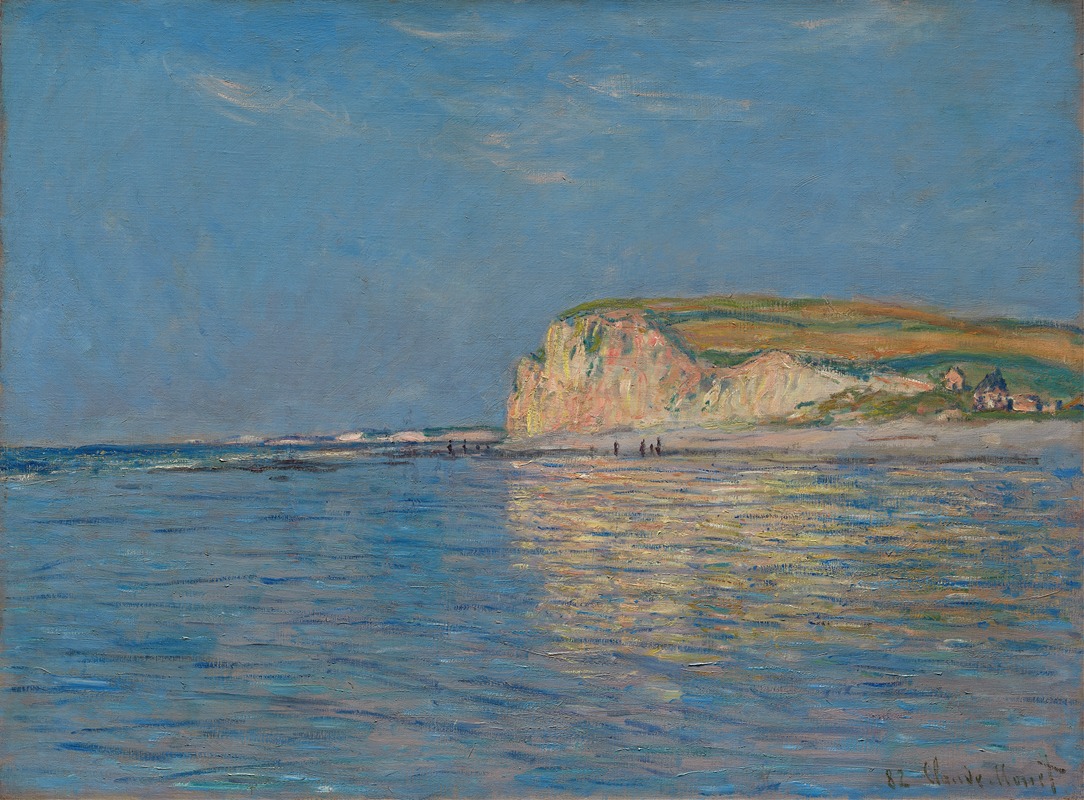
Low Tide at Pourville, near Dieppe
Claude Monet
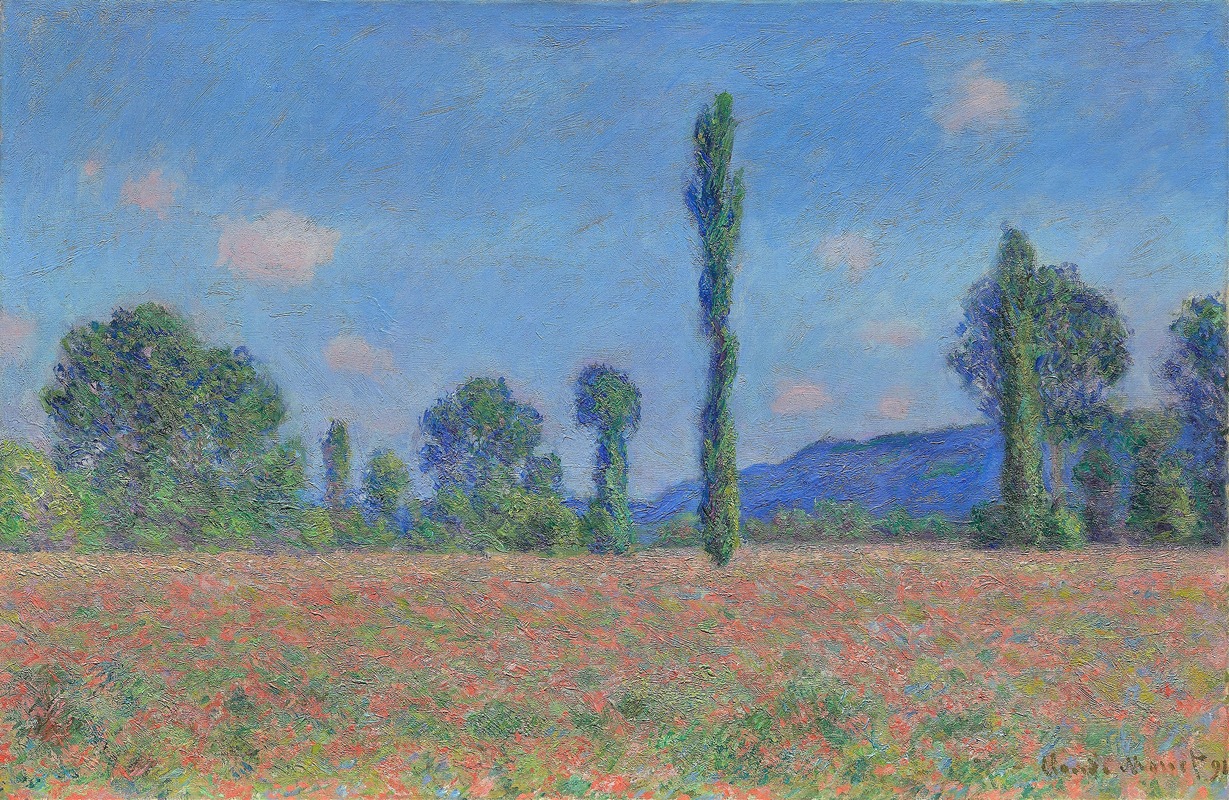
Poppy Field (Giverny)
Claude Monet
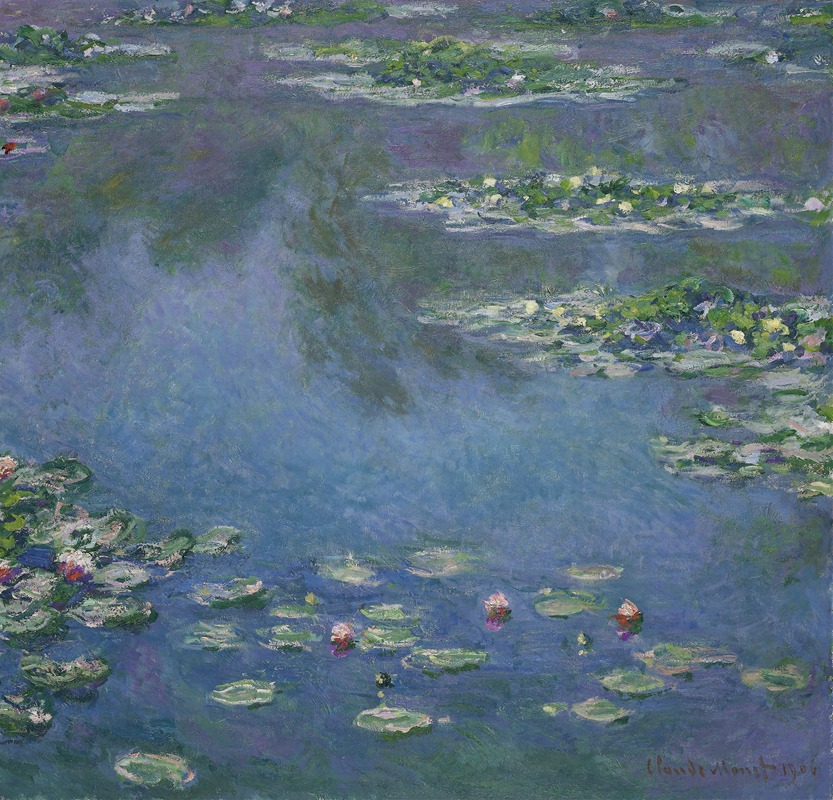
Water Lilies
Claude Monet
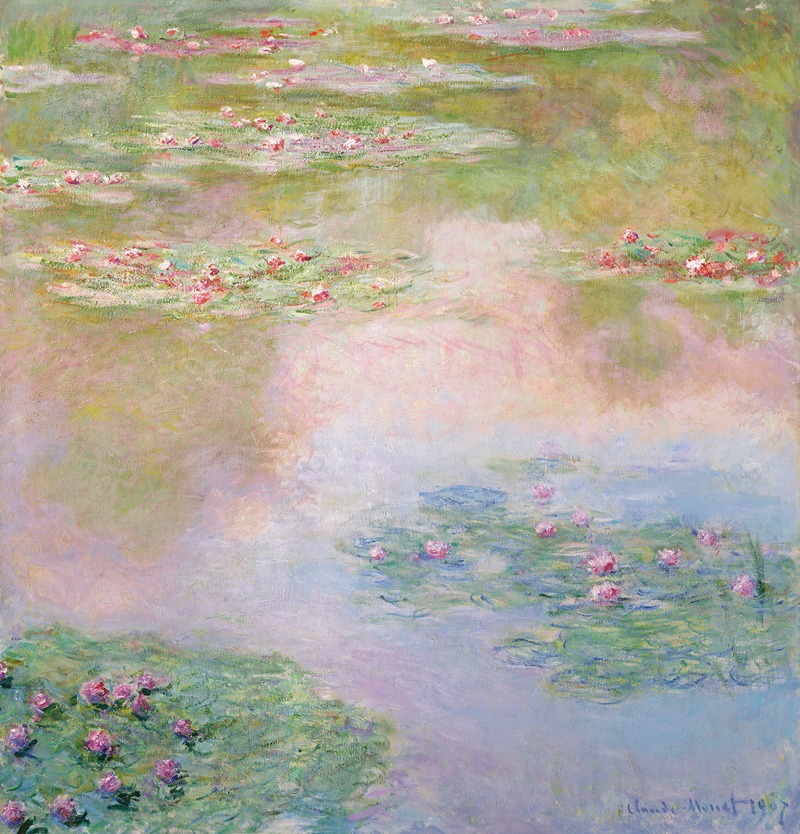
Nymphéas
Claude Monet
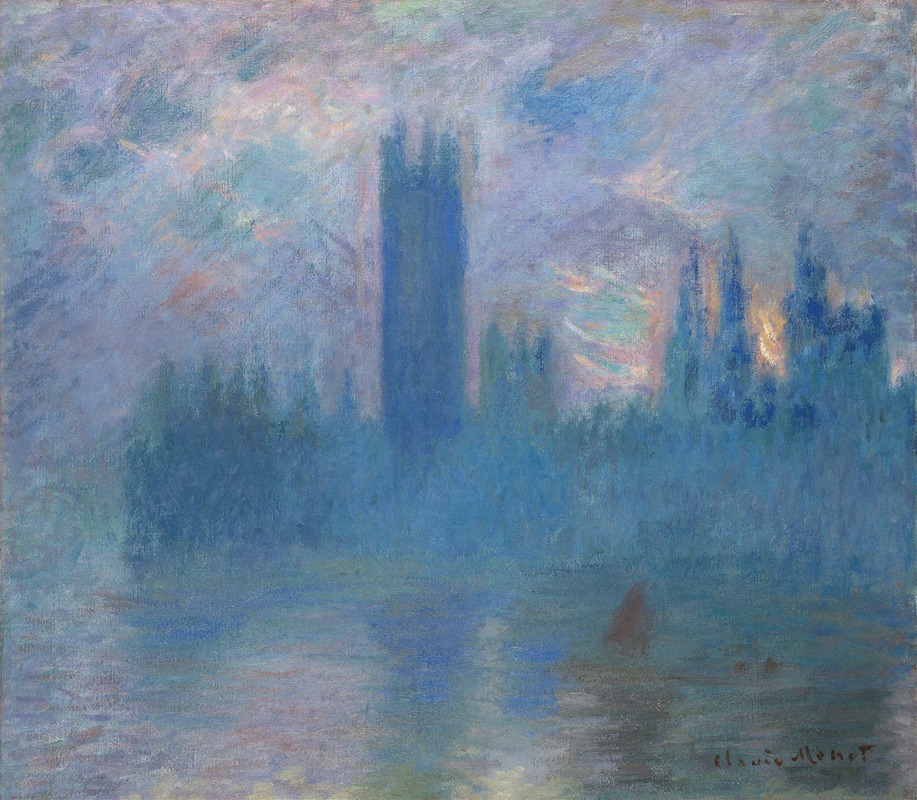
Houses of Parliament, London
Claude Monet
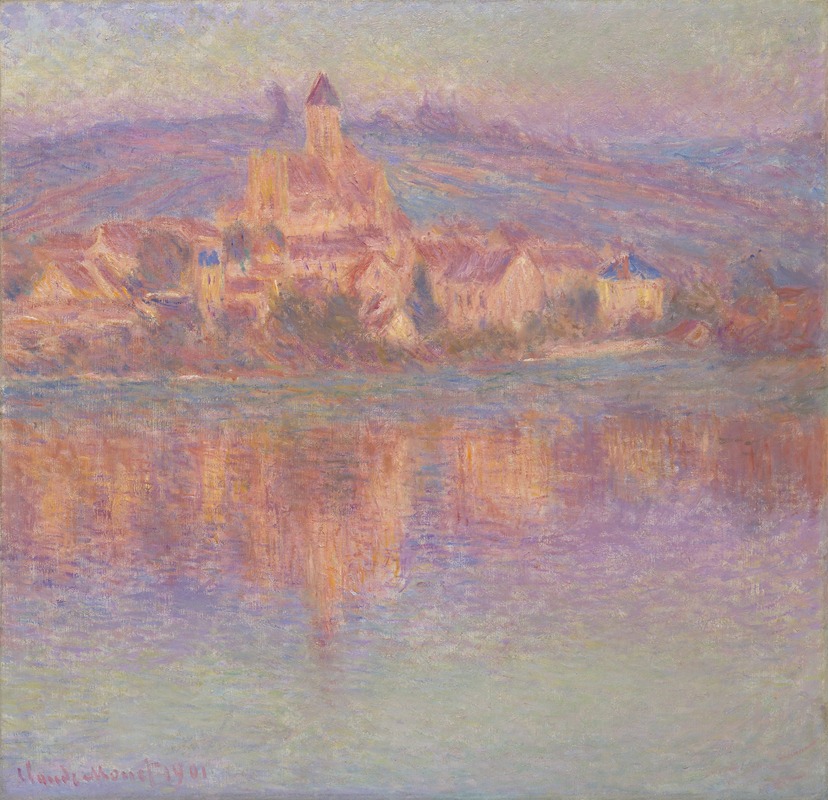
Vétheuil
Claude Monet
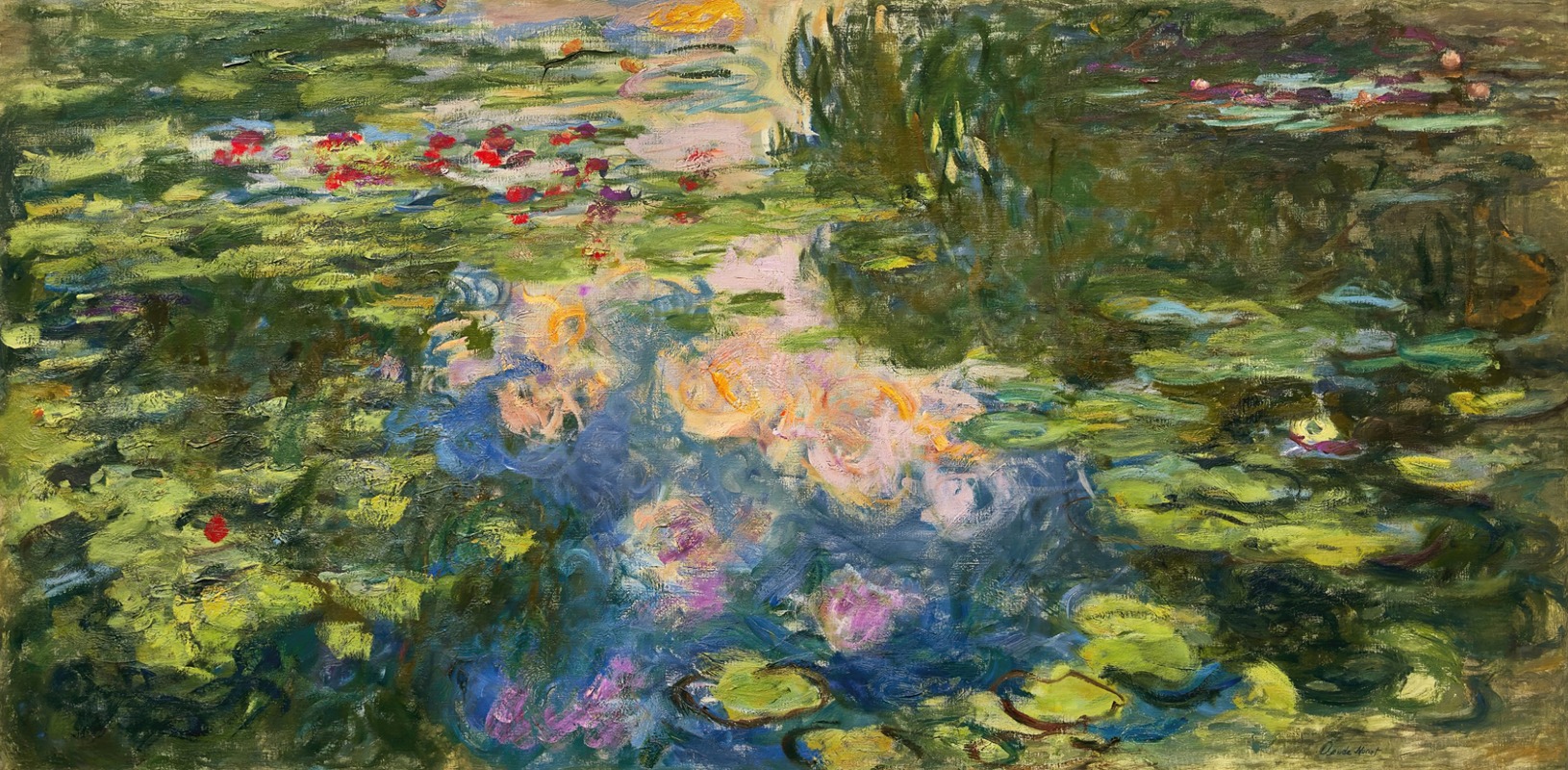
Le Bassin aux nymphéas
Claude Monet
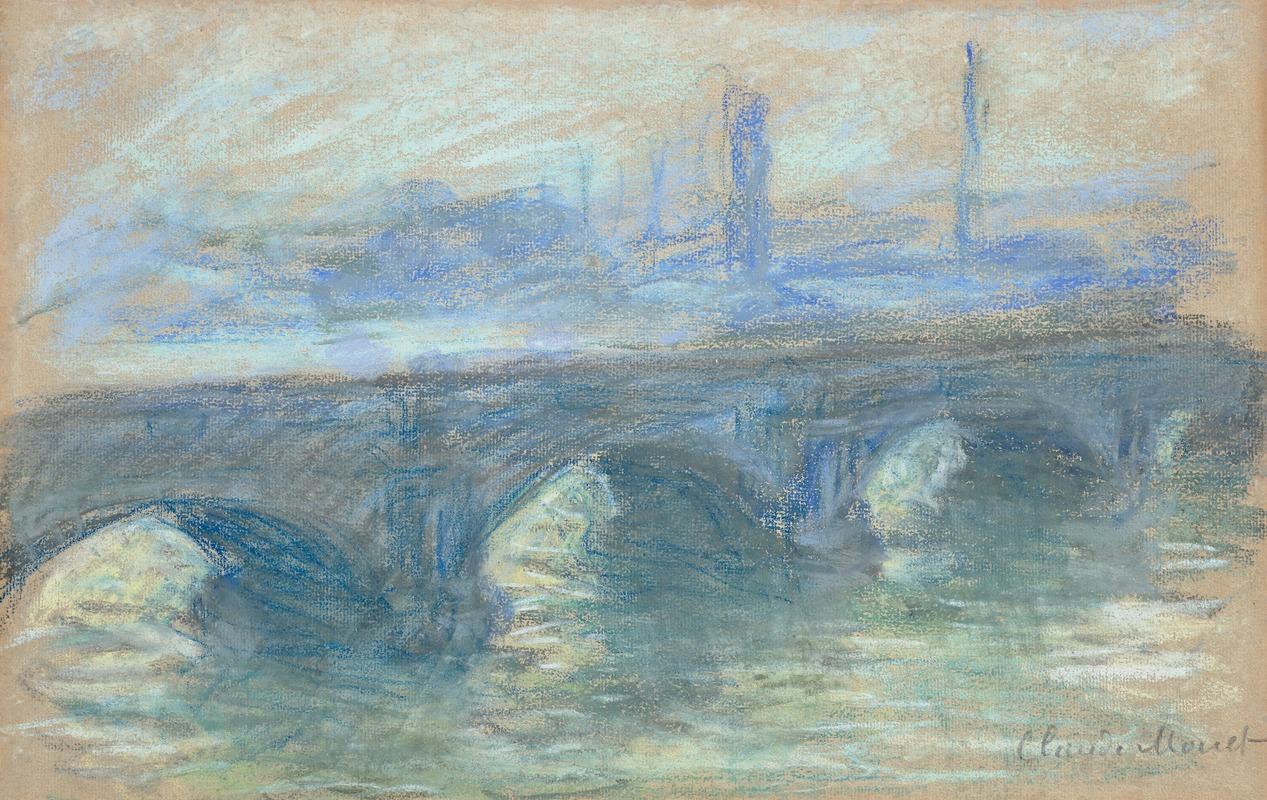
Waterloo Bridge
Claude Monet

Printemps à Giverny, effet d’après-midi
Claude Monet