Chasse à courre — History & Facts
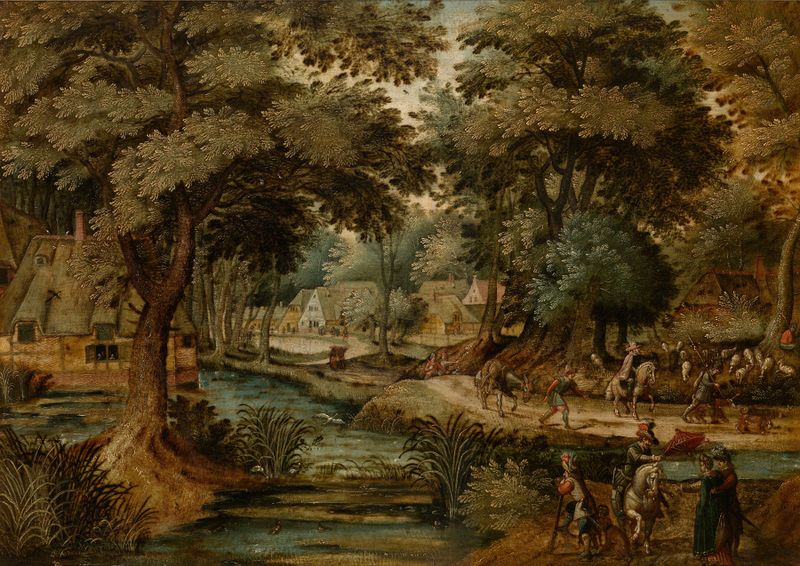
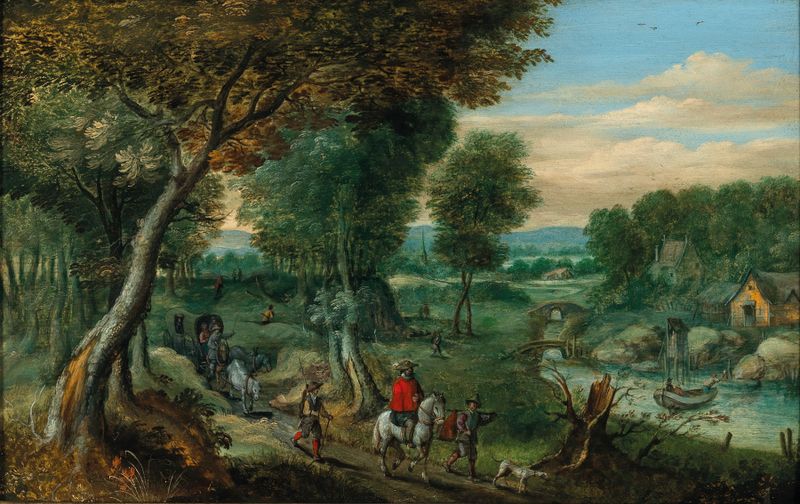
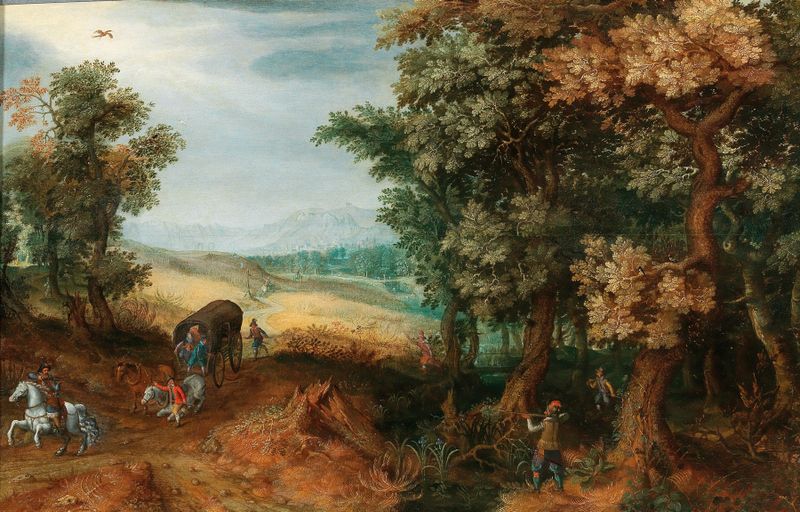
Did the painter know this moment would outlive them? In Chasse à courre, captured in the brushstrokes of Mattheus Molanus, we find ourselves at the intersection of time and revelation, where each detail whispers secrets of the chase and the thrill of the hunt. Look closely at the vibrant greens that blanket the scene, drawing your eye to the elegantly galloping horses on the left. Notice how the sunlight dapples through the trees, illuminating the figures and their animated expressions, breathing life into the composition. The interplay of light and shadow enhances the urgency of the hunt, while the delicate rendering of textures invites you to feel the rhythm of nature and the pulse of excitement in the air. Yet beneath this lively exterior lies a deeper tension.
The hunters, caught in pursuit, reflect humanity's eternal struggle between civilization and the wild, the nature of dominance and submission. Each horse, with its muscled frame and flaring nostrils, embodies freedom and instinct, while the hunters, clad in their formal attire, symbolize societal constraints. This juxtaposition raises questions about the true nature of victory and conquest, leaving us to ponder what it means to capture a moment that forever eludes control. Molans painted this work during a time when the aristocracy celebrated the sport of hunting, an echo of a world where art served both as leisure and a reflection of social status.
The exact date remains unknown, but in the absence of records, we can infer that this piece arose amidst a flourishing of genre painting in the 17th century, when artists like him were beginning to explore the nuances of everyday life and the fleeting moments that define human experience.