A wooded landscape with an ambush — History & Facts
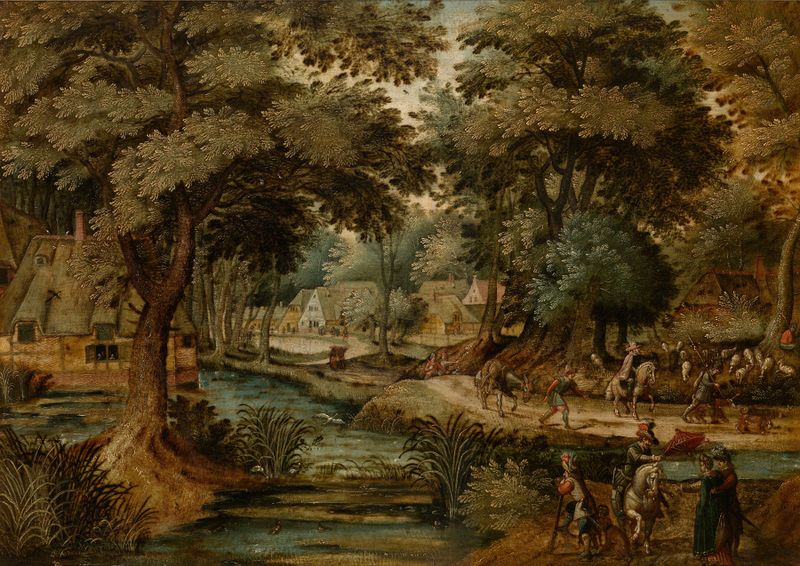
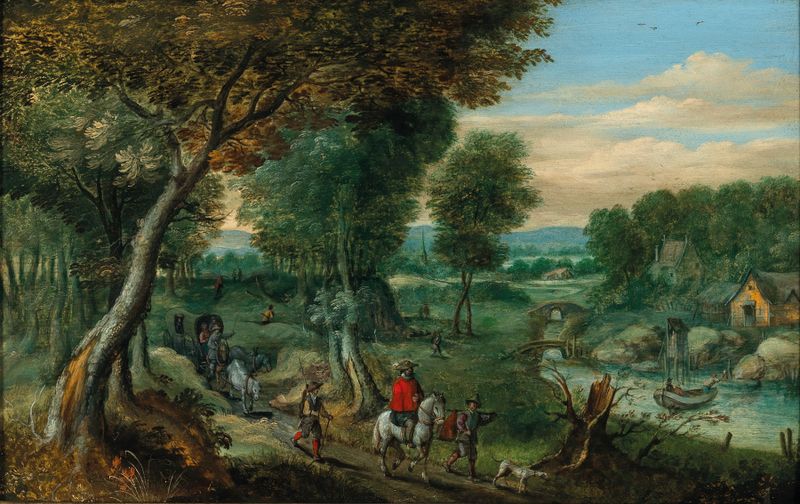
In a world veiled in layers of pristine innocence, the landscape captures the fleeting moments we often overlook. Look to the center, where a serene grove of trees creates a natural archway, inviting you deeper into the heart of the scene. The rich greens and soft browns pulse with life, while dappled sunlight filters through the leaves, casting gentle shadows on the ground. Notice how the artist has meticulously blended colors to guide your gaze, creating a harmonious balance that seems to breathe.
The stillness of the moment is palpable, as if the forest holds its breath, knowing something lies beneath the surface of this idyllic setting. Deeper insights reveal an undercurrent of tension amidst the tranquility. The shadows hint at the lurking presence of an ambush, suggesting innocence caught in a web of danger. The juxtaposition of peaceful nature and the potential for violence creates an emotional tug-of-war, inviting contemplation on the fragility of safety.
Small details, like the delicate flutter of a bird in flight or the rustle of leaves, speak to a forgotten time when nature's calm could easily be disrupted. Molanus created this piece during an era marked by a burgeoning interest in landscape painting, likely influenced by the contextual changes in artistic expression. While the exact date of A wooded landscape with an ambush remains unknown, the artist was active in the late 16th to early 17th century, a time when the interplay of light and nature began to take a central role in European art. As the world around him evolved, he captured the duality of innocence and peril, forever immortalizing a moment suspended in time.