Discover insights about this artwork
Château Noir — History & Facts
In Château Noir, Paul Cézanne presents a landscape dominated by a dark, imposing château. The painting features a palette of deep greens and browns, with touches of blue and yellow that bring life to the scene. The château stands out against a backdrop of trees and rolling hills, creating a sense of depth.
Cézanne's brushwork adds texture and movement, inviting the viewer to explore the landscape. The painting is executed in oil on canvas, a medium that allows for rich color application and texture. Cézanne's technique involves layering colors and using short, visible brushstrokes, which is characteristic of his Post-Impressionist style. The dimensions of Château Noir are approximately 65 x 81 cm, making it a medium-sized work that commands attention.
The composition is balanced, with the château positioned slightly off-center, drawing the eye. Château Noir was painted during a period when Cézanne was exploring the relationship between color and form. This work is significant as it reflects his departure from traditional perspective, focusing instead on the structural elements of the landscape. Interestingly, this painting is part of the collection at the Musée d'Orsay, where it contributes to the understanding of Post-Impressionism.
Cézanne's influence on modern art is profound, as he paved the way for future movements like Cubism.
More Artworks by Paul Cézanne
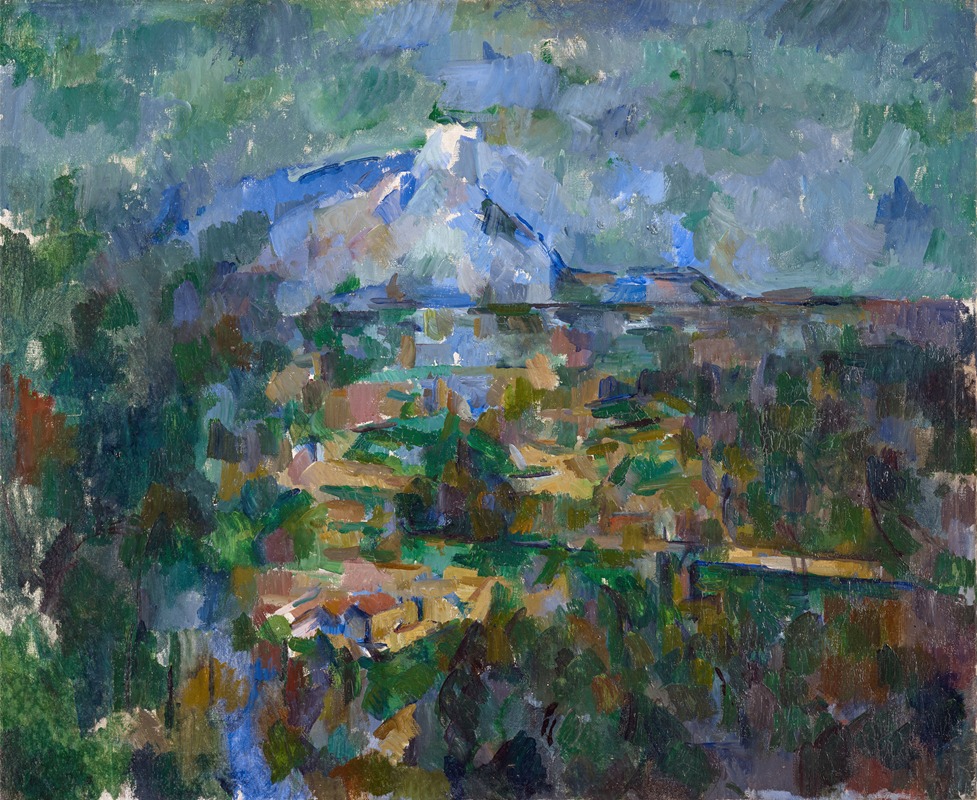
The Mont Sainte-Victoire Seen From Les Lauves
Paul Cézanne
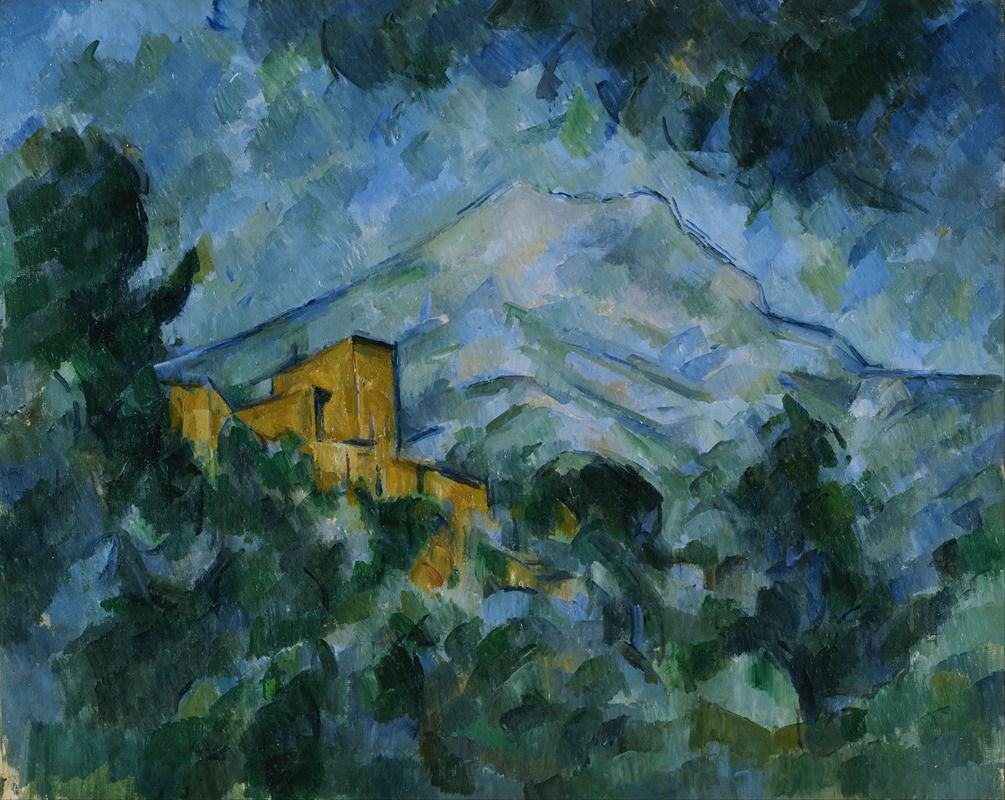
Mont Sainte-Victoire and Château Noir
Paul Cézanne
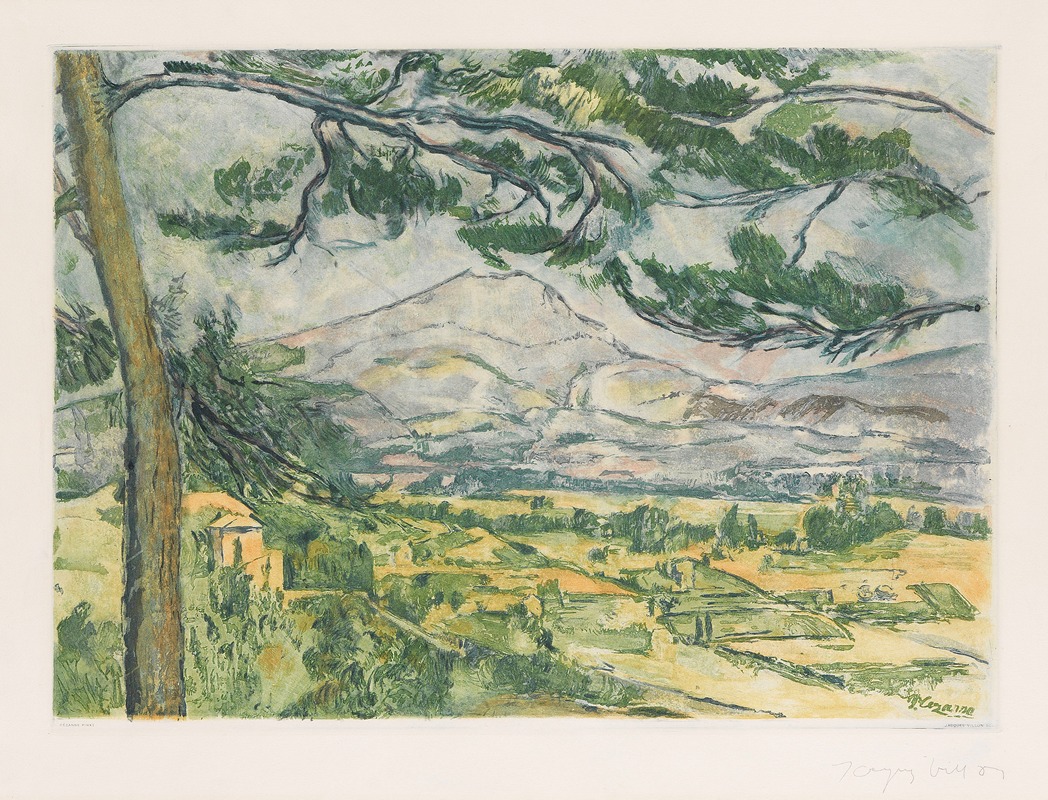
La Montagne Sainte-Victoire
Paul Cézanne
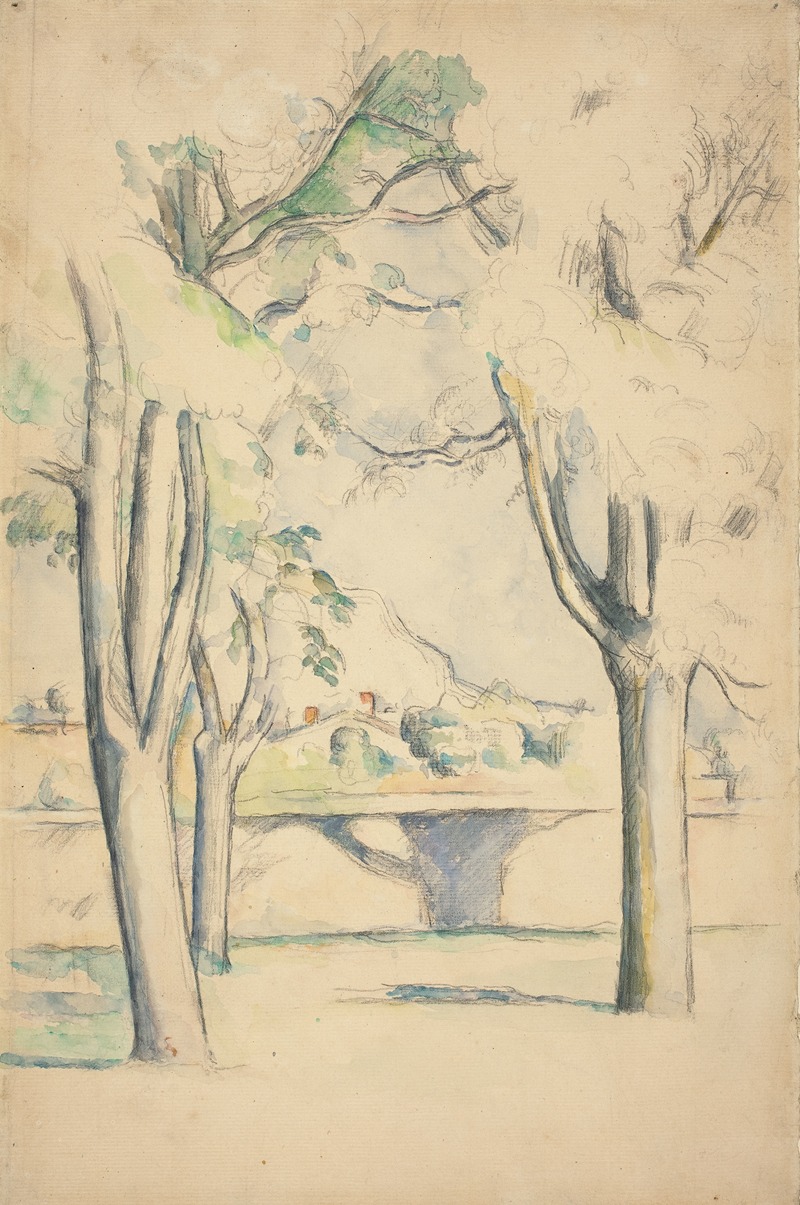
Mont Sainte-Victoire Seen beyond the Wall of the Jas de Bouffan
Paul Cézanne
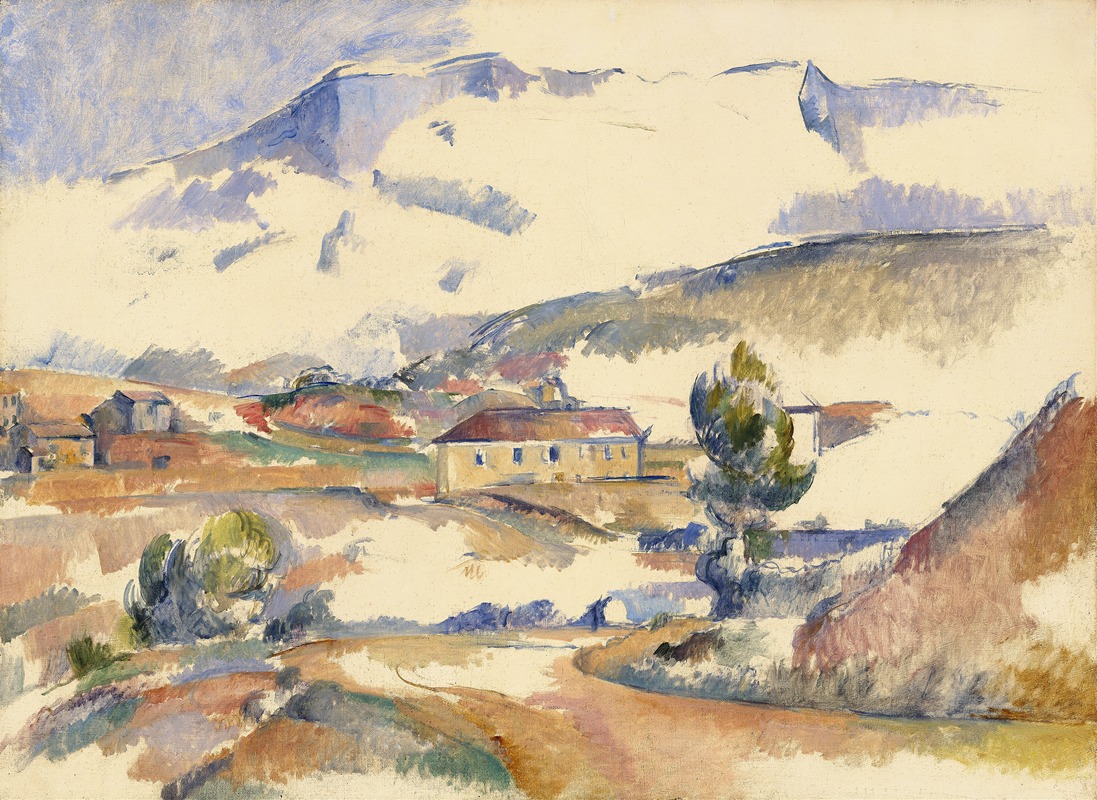
Montagne Sainte-Victoire,from near Gardanne
Paul Cézanne
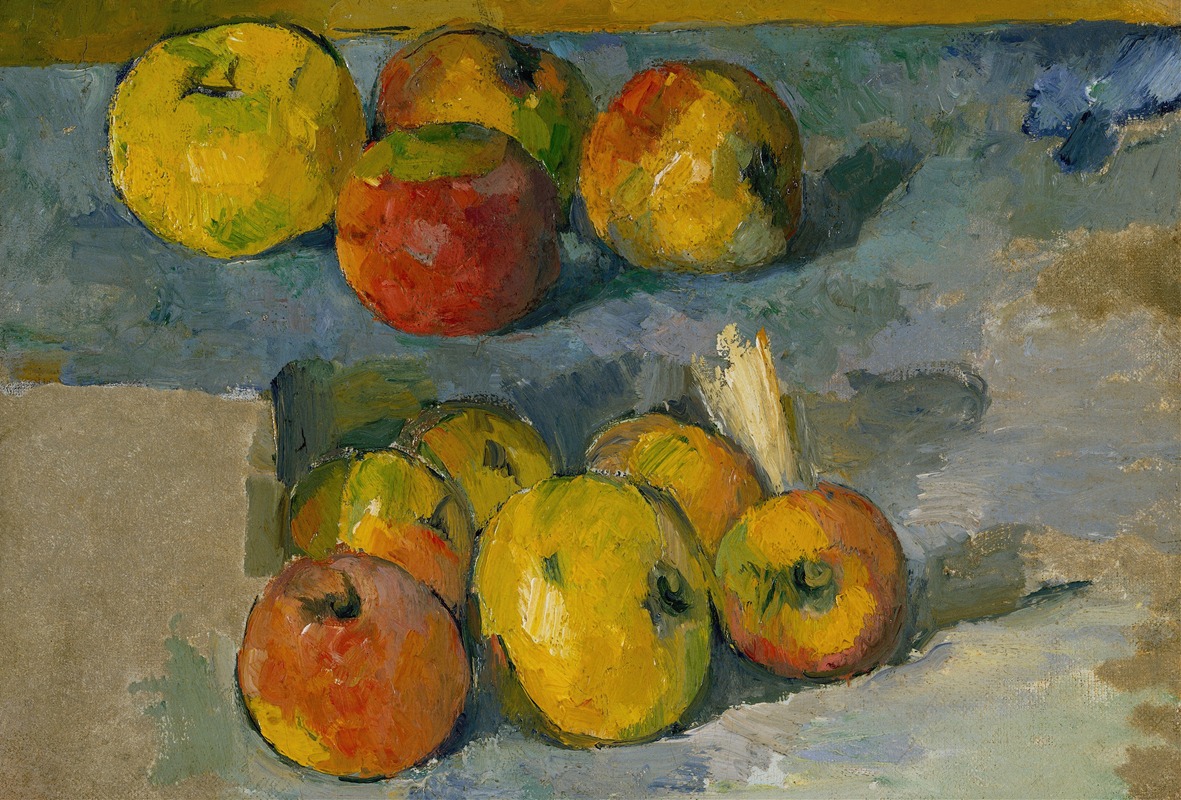
Apples
Paul Cézanne
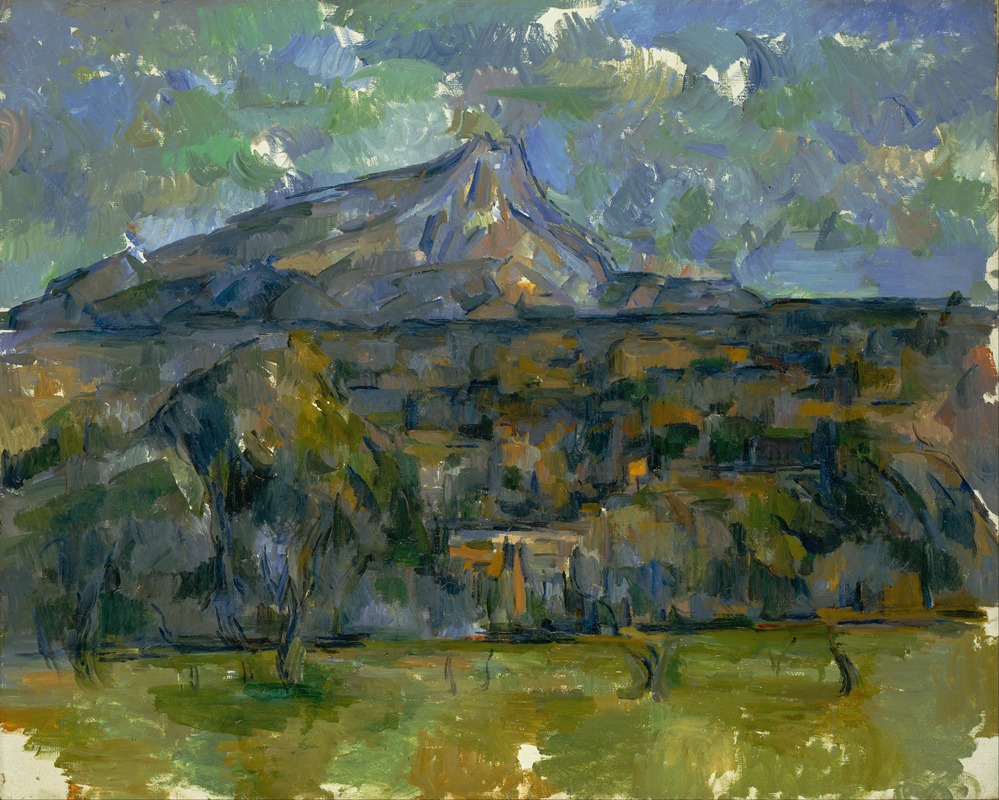
Mont Sainte-Victoire
Paul Cézanne
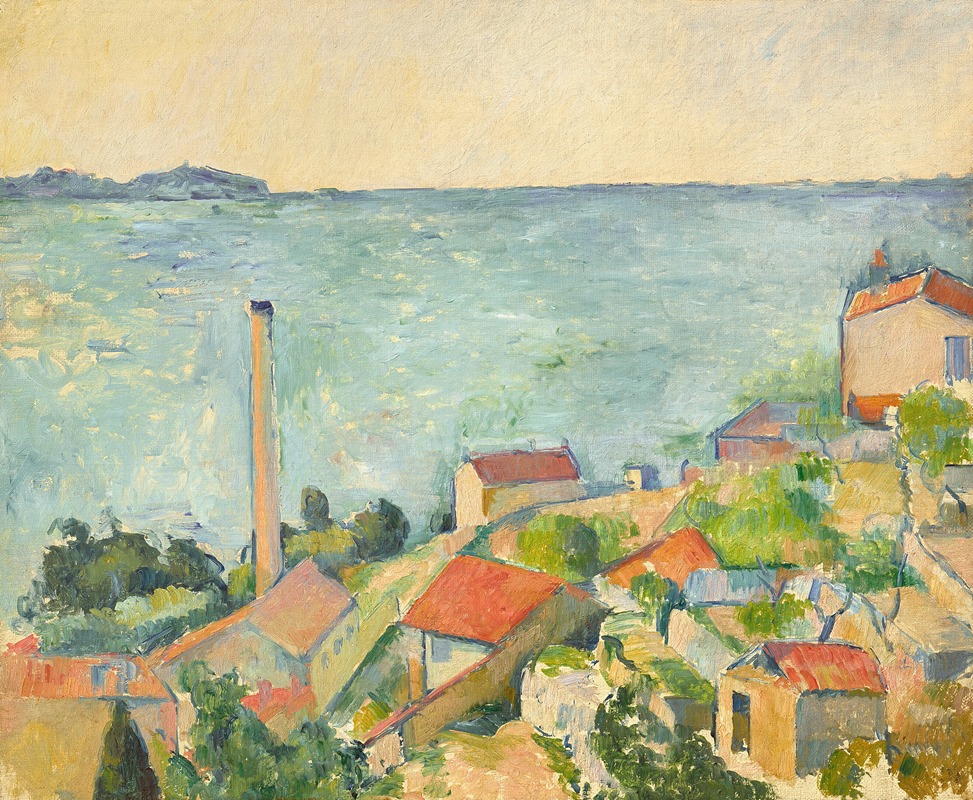
La mer à l’Estaque
Paul Cézanne
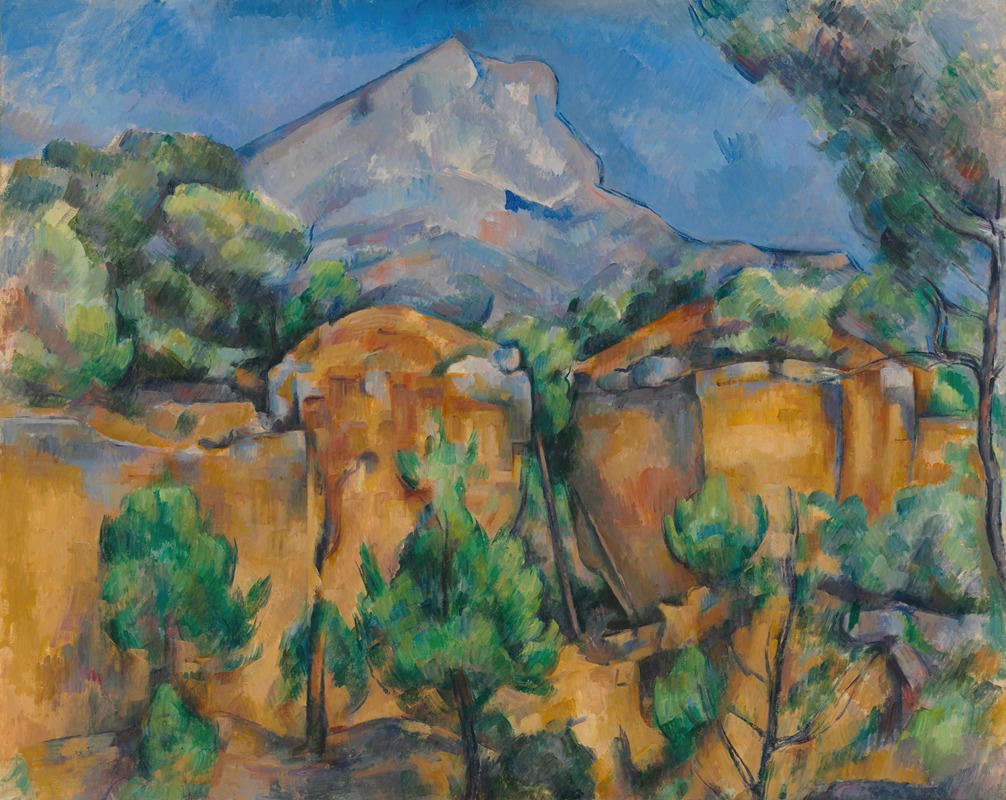
La Montagne Sainte-Victoire vue de la carrière Bibémus
Paul Cézanne
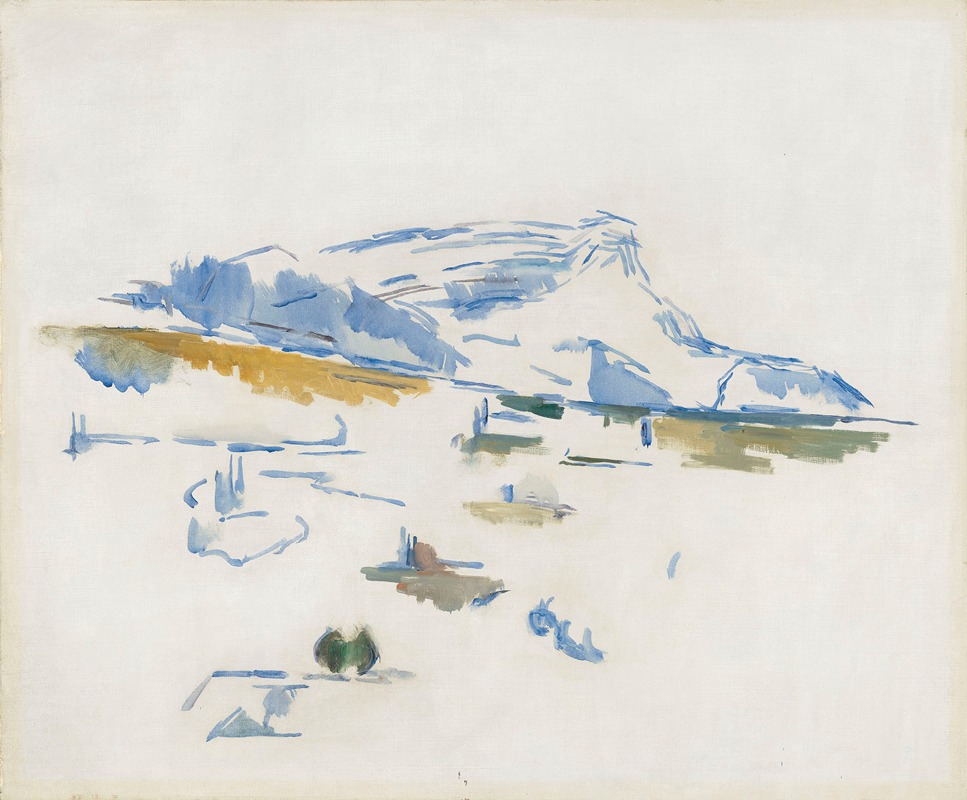
La Montagne Sainte-Victoire vue des Lauves
Paul Cézanne