
Children funeral — History & Facts
What first draws the eye in Children funeral by Albert Anker is the solemn, almost choreographed gathering of children at the heart of the scene, their pale dresses and attentive faces illuminated against the darker, older mourners and the shadowed church wall. The painter leads us gently from the freshly dug grave in the foreground—its raw earth and tools a stark reminder of the moment’s finality—upward to the group of children singing or reciting, their voices seemingly suspended in the still air. Every gesture is charged with meaning: the bowed heads, the comforting embrace, the handkerchief pressed to a mother’s face.
The lush greenery and the old church offer a counterpoint, suggesting both the continuity of community and the cycles of nature. Light falls softly, picking out the white shroud and floral wreath, drawing the viewer into the quiet dignity of rural mourning. Painted in 1863, this work belongs to a moment in European art when scenes of everyday life—especially those touching on rites of passage—were given new gravity and detail. In the mid-19th century, artists like Anker found patrons among the rising middle class, who valued images that reflected their own values: family, community, and the rituals that knit them together.
While history has kept few traces of this particular painting’s early journey, we know it is now held by the Schweizerisches Institut für Kunstwissenschaft, a fitting home for a work so rooted in the rhythms of Swiss village life. The image invites us to linger, to notice how each figure’s grief is both personal and shared, and to imagine the stories that continue beyond the frame.
More Artworks by Albert Anker

Portrait Of A Girl
Albert Anker
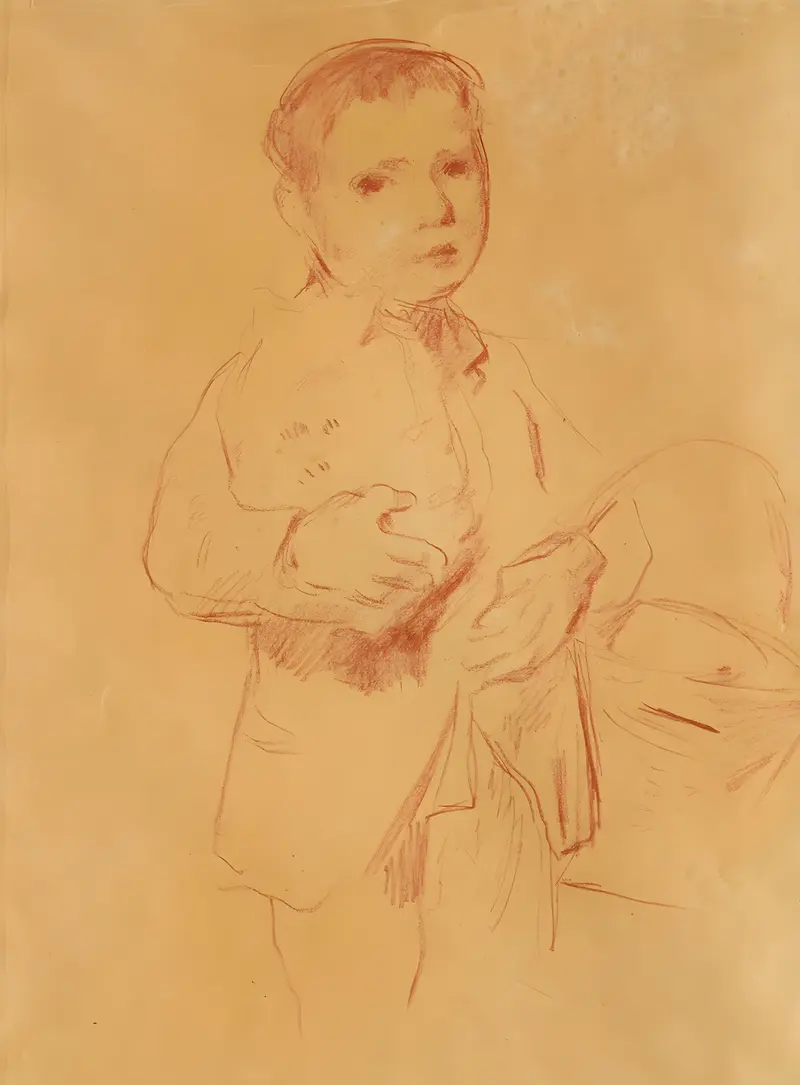
Boy with a basket
Albert Anker
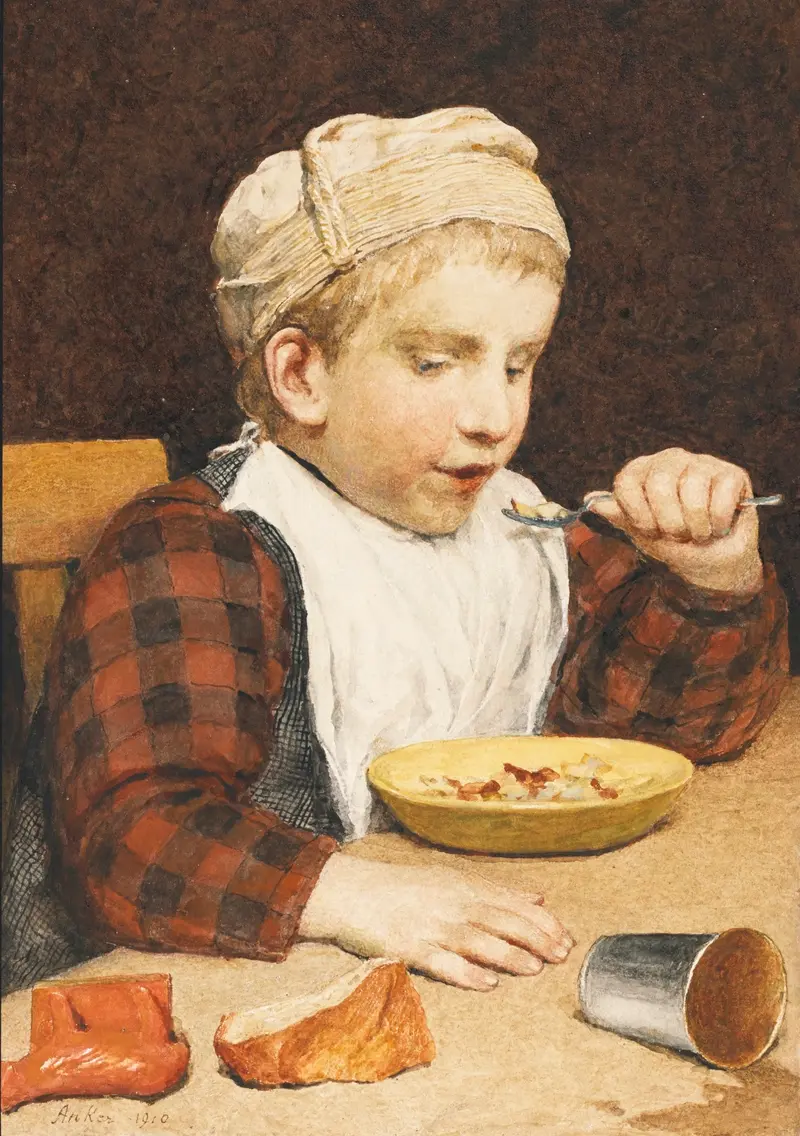
Knabe Mit Mütze Beim Essen
Albert Anker
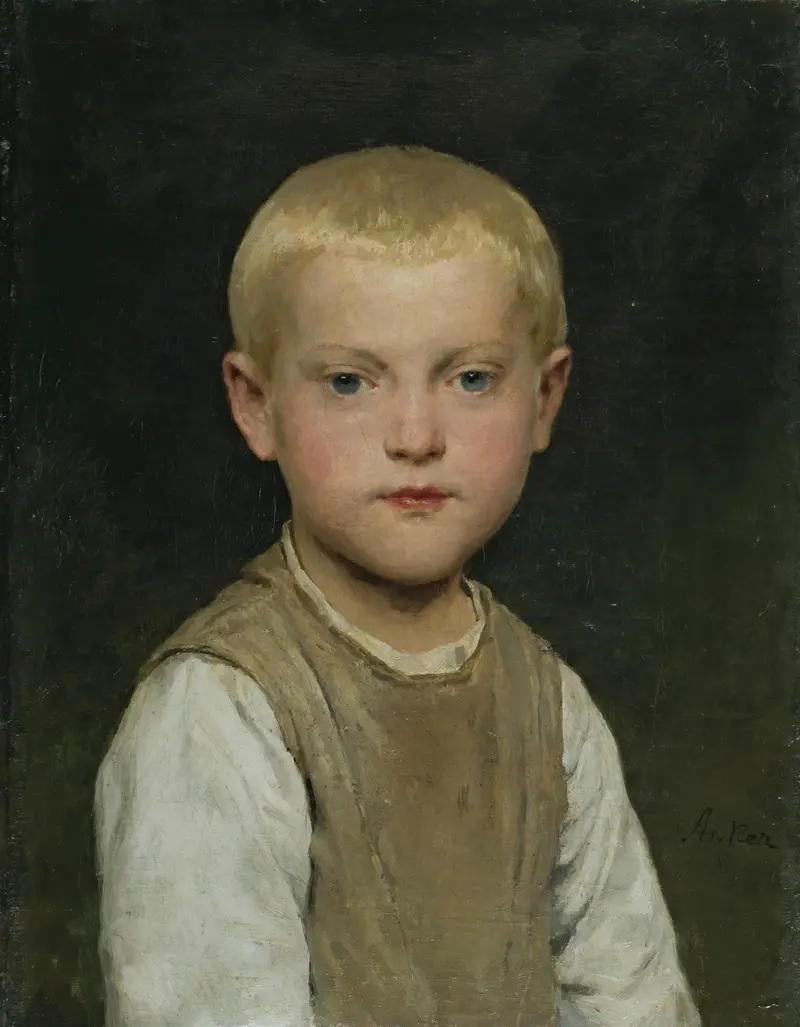
Knabenbildnis (Dr Heiri)
Albert Anker
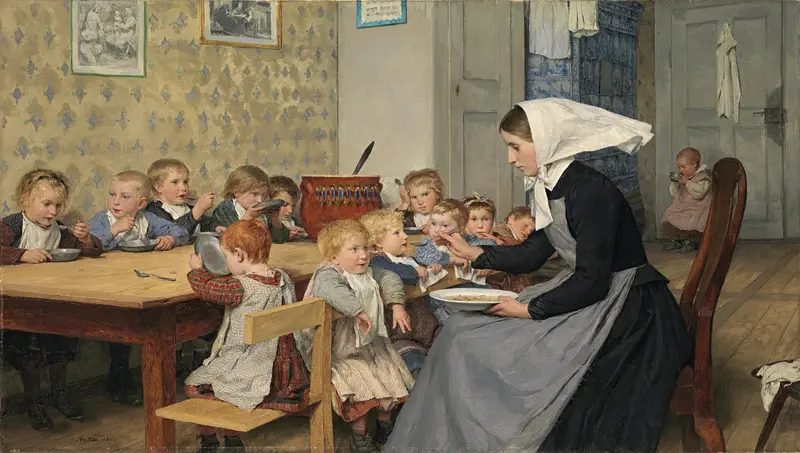
Die Kinderkrippe I
Albert Anker

L’instituteur et le pasteur
Albert Anker
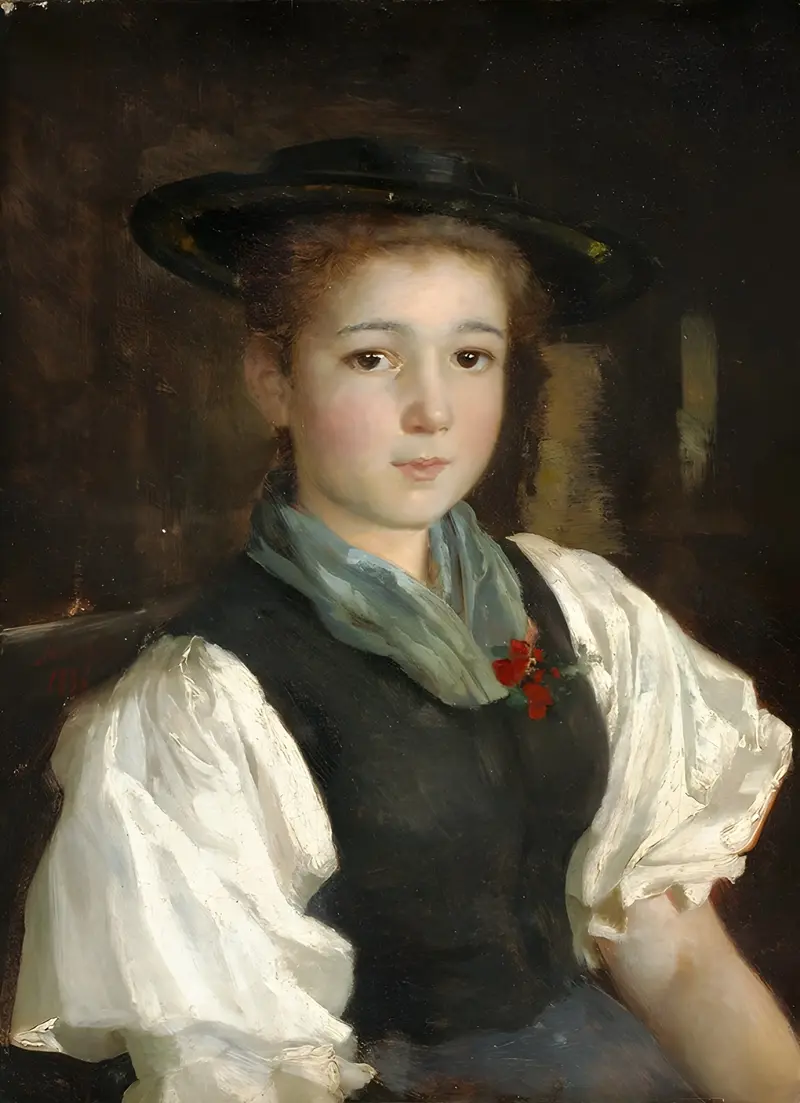
Bauernmädchen (Farm Girl)
Albert Anker
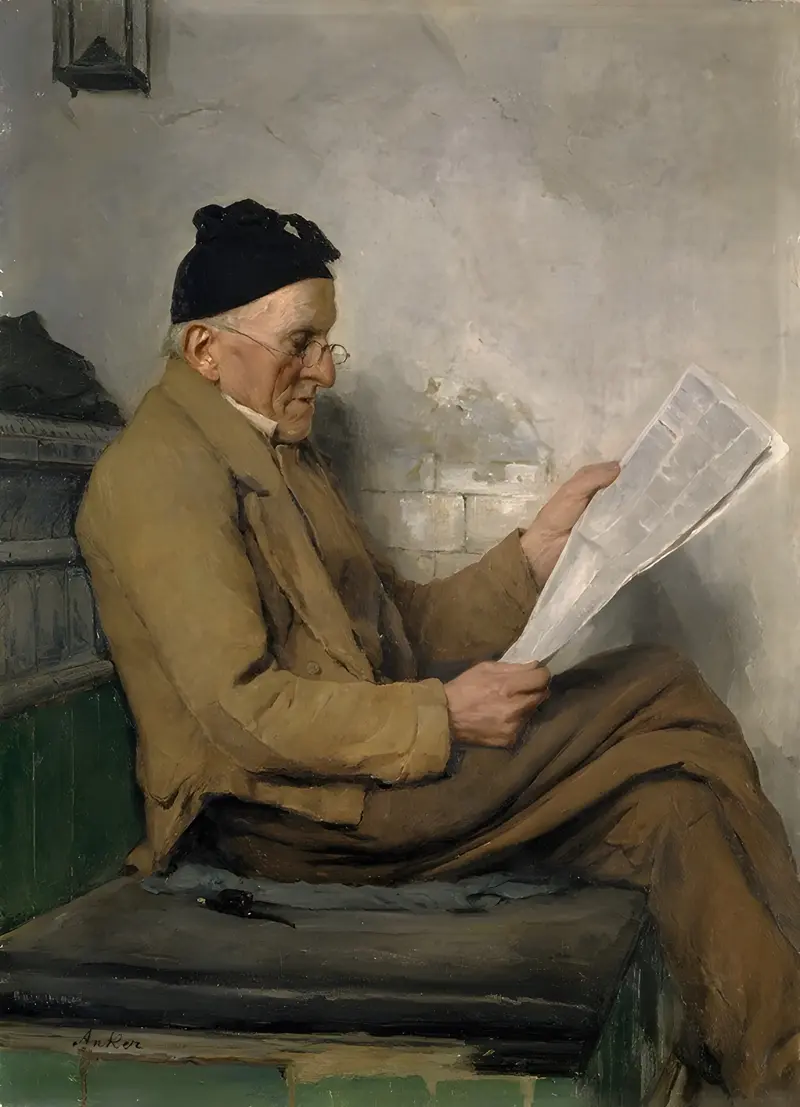
Farmer Reading on the Stove Bench
Albert Anker
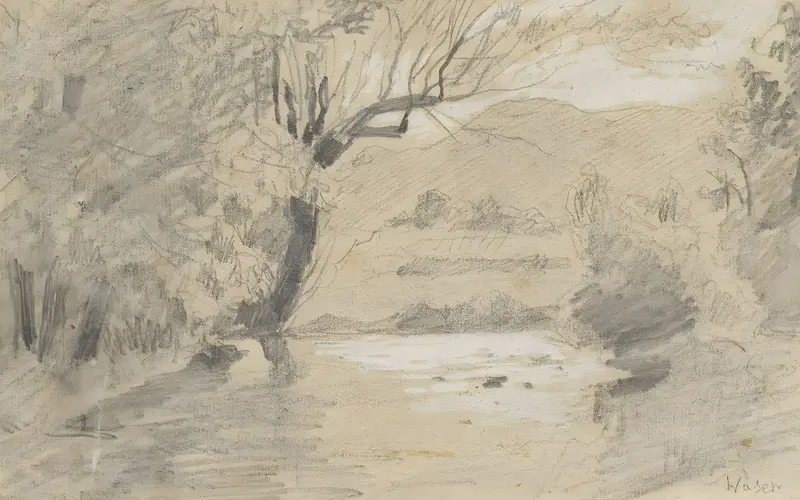
Flusslandschaft in Wasen (Emmental)
Albert Anker
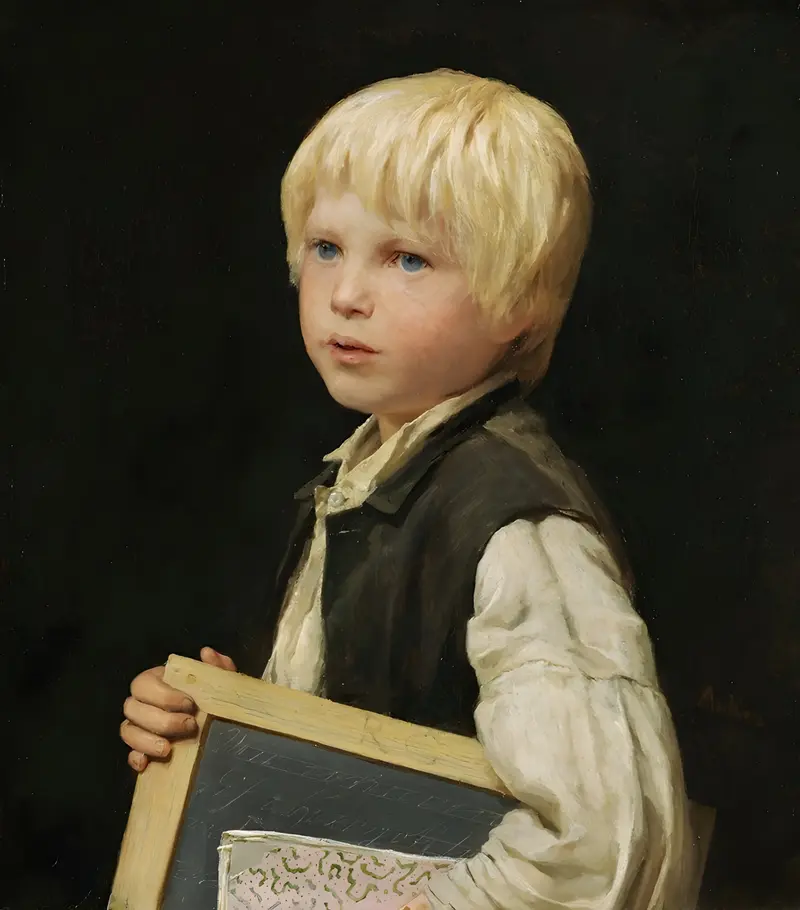
School Boy
Albert Anker
More Genre Scene Art

Banquet of the Officers of the St George Civic Guard
Frans Hals

Rembrandt and Saskia in the Scene of the Prodigal Son
Rembrandt van Rijn

Bal du moulin de la Galette
Pierre-Auguste Renoir

Quadrille at the Moulin Rouge
Henri de Toulouse-Lautrec

A Burial at Ornans
Gustave Courbet

When Will You Marry?
Paul Gauguin