
Chiryū — History & Facts
Can paint confess what words never could? In Chiryū, Hokusai captures a moment of longing, where the silent language of the heart speaks through waves and air. Look closely at the undulating lines of water, where shades of deep indigo flirt with hints of white foam. The fluidity of the brushstrokes draws the eye across the vast expanse of the sea, while the distant mountains rise majestically in the background, cloaked in mist. Notice how the light dances on the crest of each wave, illuminating the tension between the chaos of the ocean and the serenity of the distant horizon, creating a bridge between emotion and nature. Beneath the surface of this landscape lies a profound yearning—perhaps for connection, peace, or a return to a simpler time.
The juxtaposition between the turbulent waves and the tranquil mountains reflects the balance of turbulent emotions within us all. The sweeping curves of the water evoke a sense of movement, suggesting that longing is an ever-present force, one that propels us forward even as we seek solace. Hokusai painted Chiryū in 1804, during a period of intense creativity and exploration in Edo, Japan. This was a time when ukiyo-e art was flourishing, embodying the fleeting beauty of life.
Reflecting his deep connection to nature and the spiritual themes prevalent in Japanese culture, Hokusai’s work resonates with both the historical context and his personal journey as an artist, seeking to express the inexpressible.
More Artworks by Katsushika Hokusai
Browse all →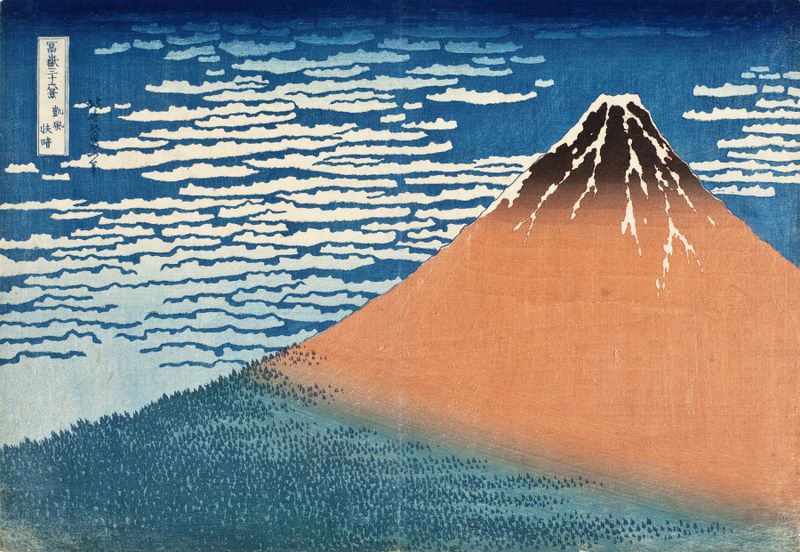
South Wind, Clear Dawn
Katsushika Hokusai

South Wind, Clear Weather
Katsushika Hokusai

Clear Weather with a Southerly Wind
Katsushika Hokusai
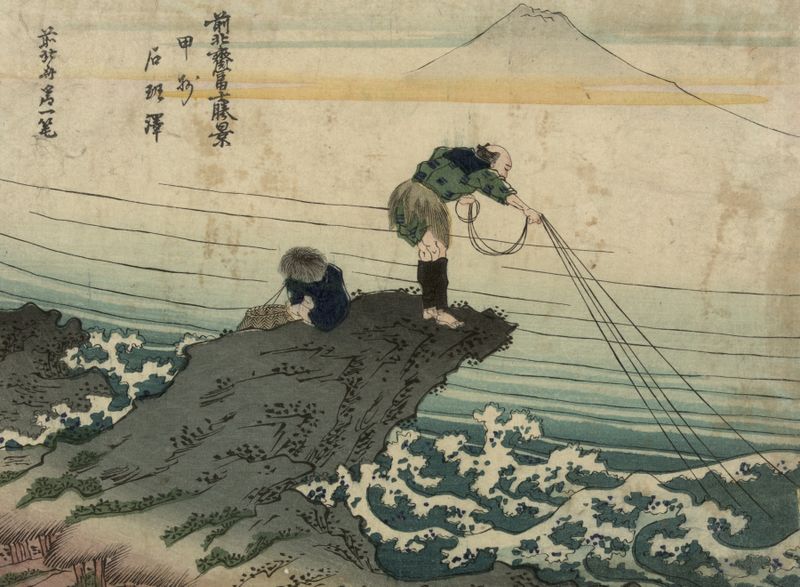
Kōshū kajikazawa
Katsushika Hokusai

Rainstorm beneath the Summit (Sanka Haku-u)
Katsushika Hokusai

Kōshū kajikazawa 2
Katsushika Hokusai
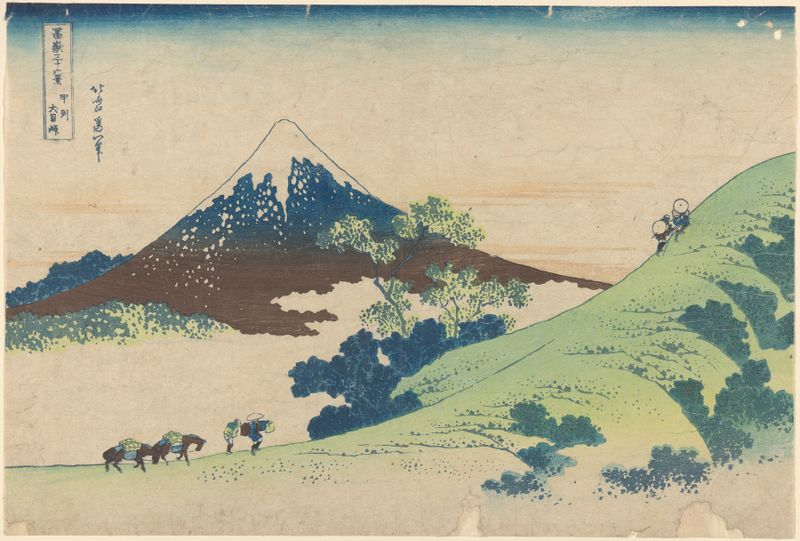
Inume Pass in Kai Province (Kôshû inume-tôge)
Katsushika Hokusai

Yoro Falls in Mino Province (Mino no Yoro no taki), from the series "A Tour of Waterfalls in Various Provinces (Shokoku taki meguri)"
Katsushika Hokusai
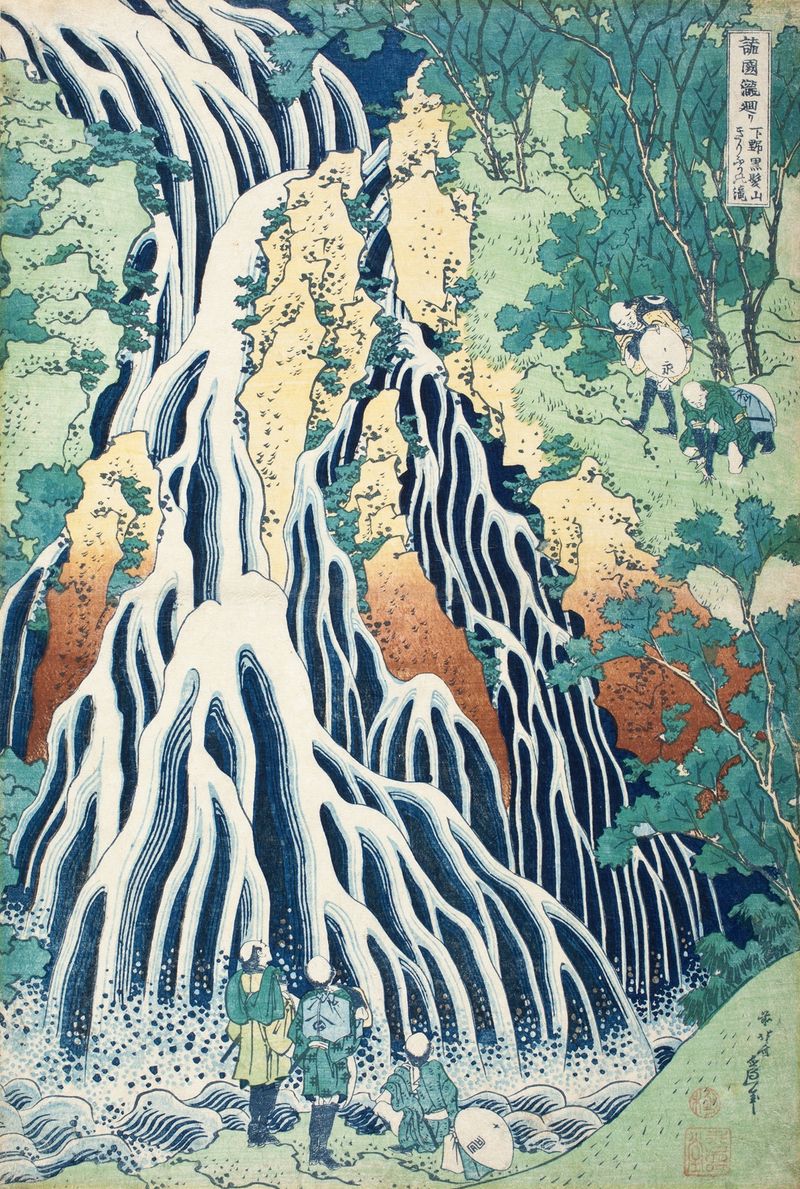
Falls of Kirifuri at Mt. Kurokami, Shimotsuke Province
Katsushika Hokusai
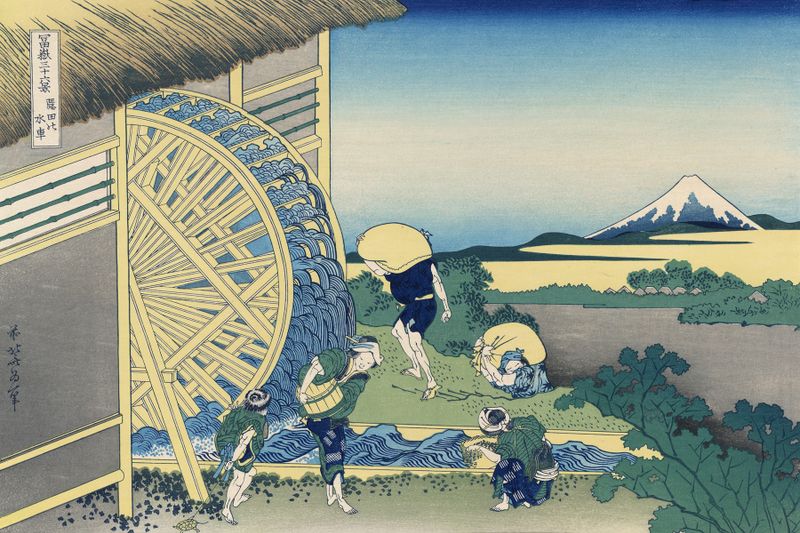
Onden no suisha
Katsushika Hokusai





