
Christ and the Samaritan Woman (The White Flower Bouquet) — History & Facts
In Christ and the Samaritan Woman (The White Flower Bouquet), Odilon Redon presents a serene scene featuring Christ and the Samaritan woman. The colors are soft and muted, predominantly featuring whites, blues, and gentle earth tones. The figures are depicted in a moment of quiet conversation, surrounded by a lush bouquet of white flowers that symbolize purity and grace.
The background is abstract, enhancing the focus on the figures and their interaction. The painting showcases Redon's characteristic use of color and form, typical of the Symbolism movement. The brushwork is fluid, creating a dreamlike quality that invites the viewer into the scene. The composition is balanced, with the figures placed harmoniously within the frame.
The use of light and shadow adds depth, emphasizing the emotional connection between the characters. Odilon Redon was a prominent figure in the Symbolist movement, known for his imaginative and often mystical works. This painting, created in the 1890s, reflects his interest in spirituality and the human condition. An interesting fact about this work is that the white flowers in the bouquet are often interpreted as a symbol of hope and renewal, aligning with the themes of redemption present in the biblical narrative.
More Artworks by Odilon Redon
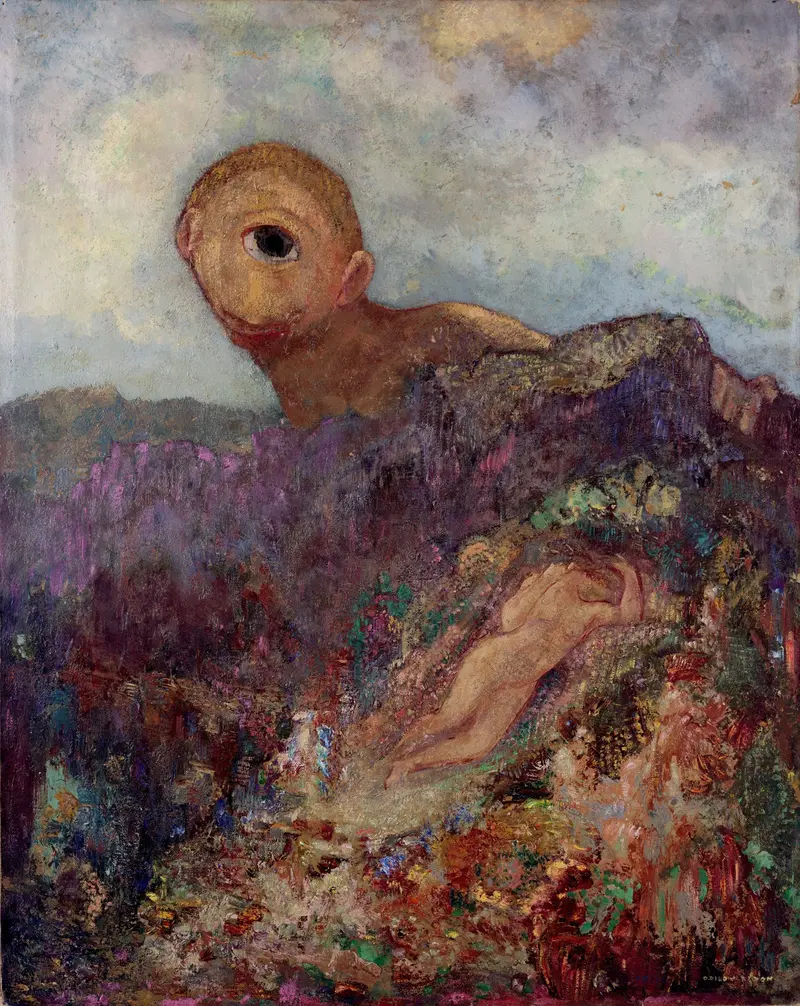
The Cyclops
Odilon Redon

Still Life with Flowers
Odilon Redon
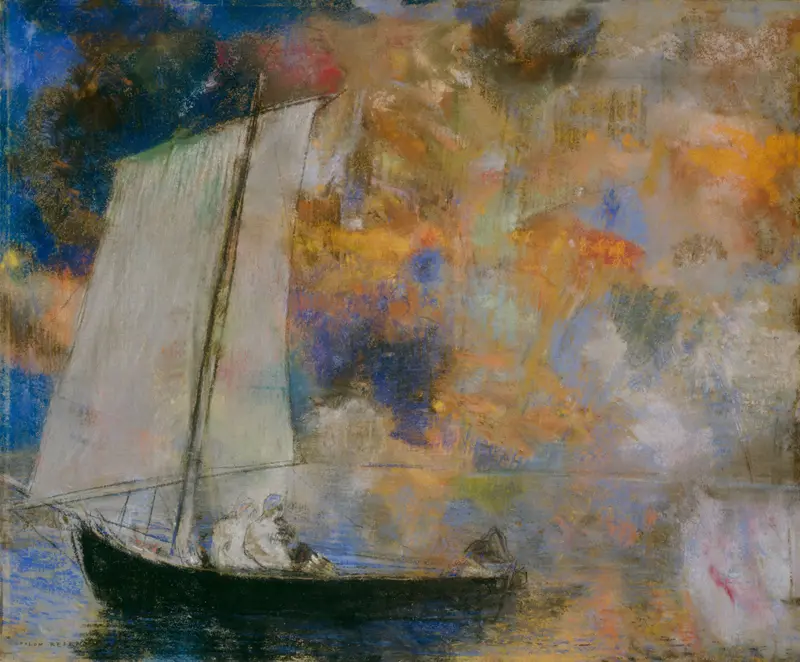
Flower Clouds
Odilon Redon
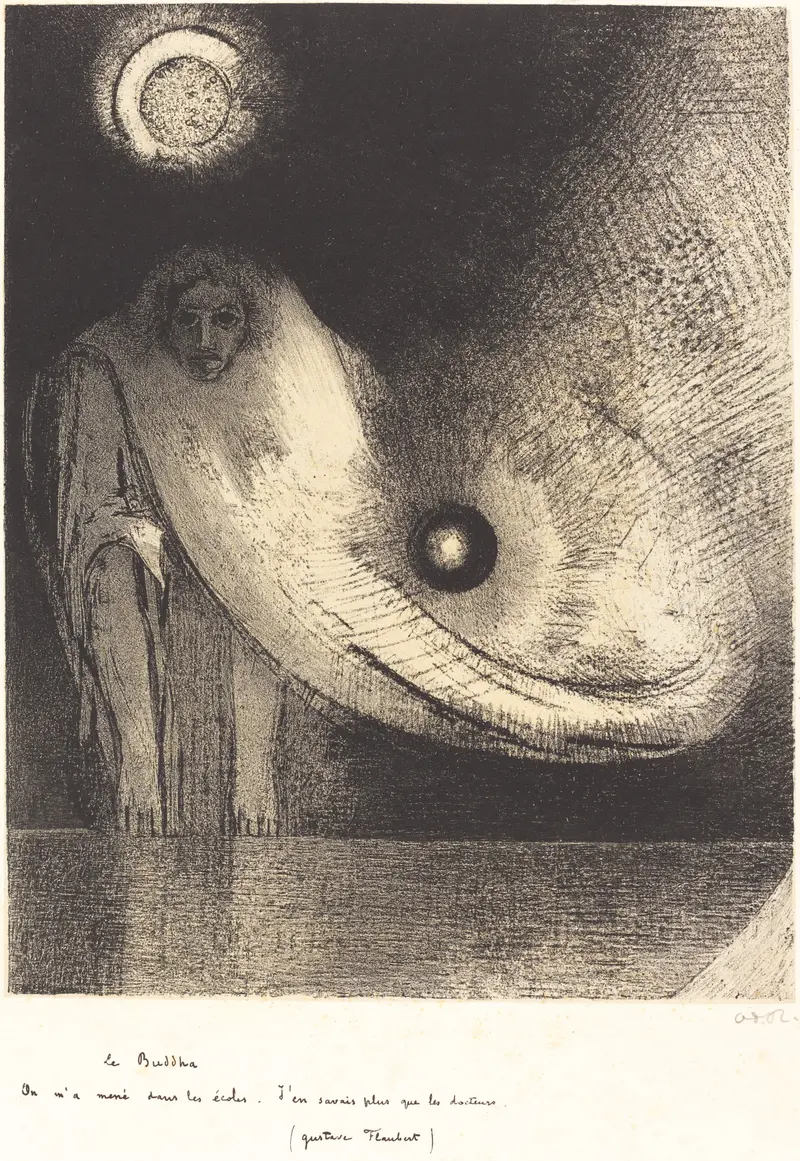
Le Buddha
Odilon Redon
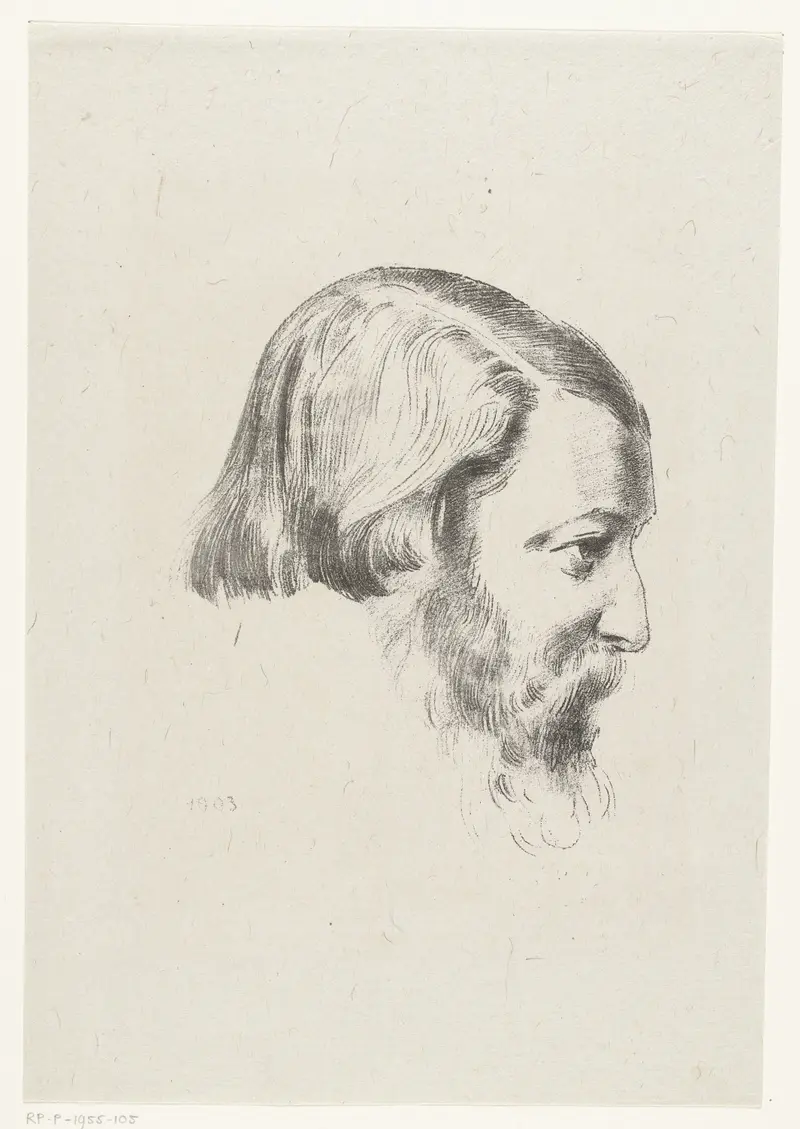
Portrait de Paul Sérusier
Odilon Redon
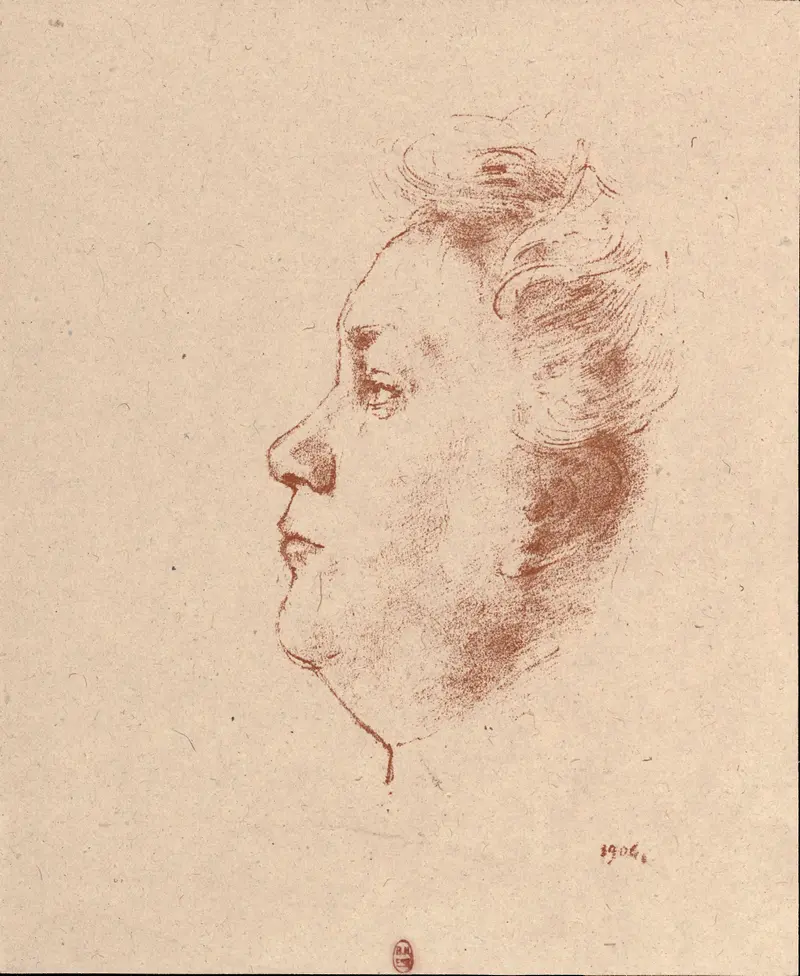
Mlle. Juliette Dodu
Odilon Redon
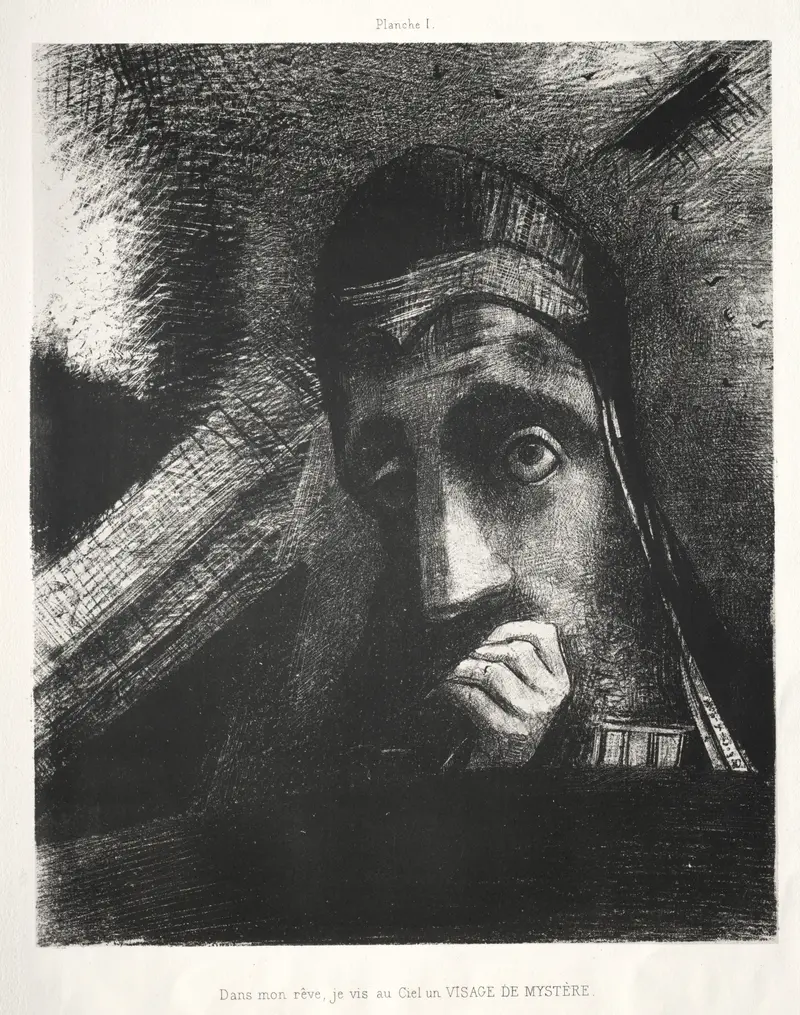
In My Dream I Saw in the Sky a Face of Mystery
Odilon Redon

Ophelia with a Blue Wimple in the Water
Odilon Redon
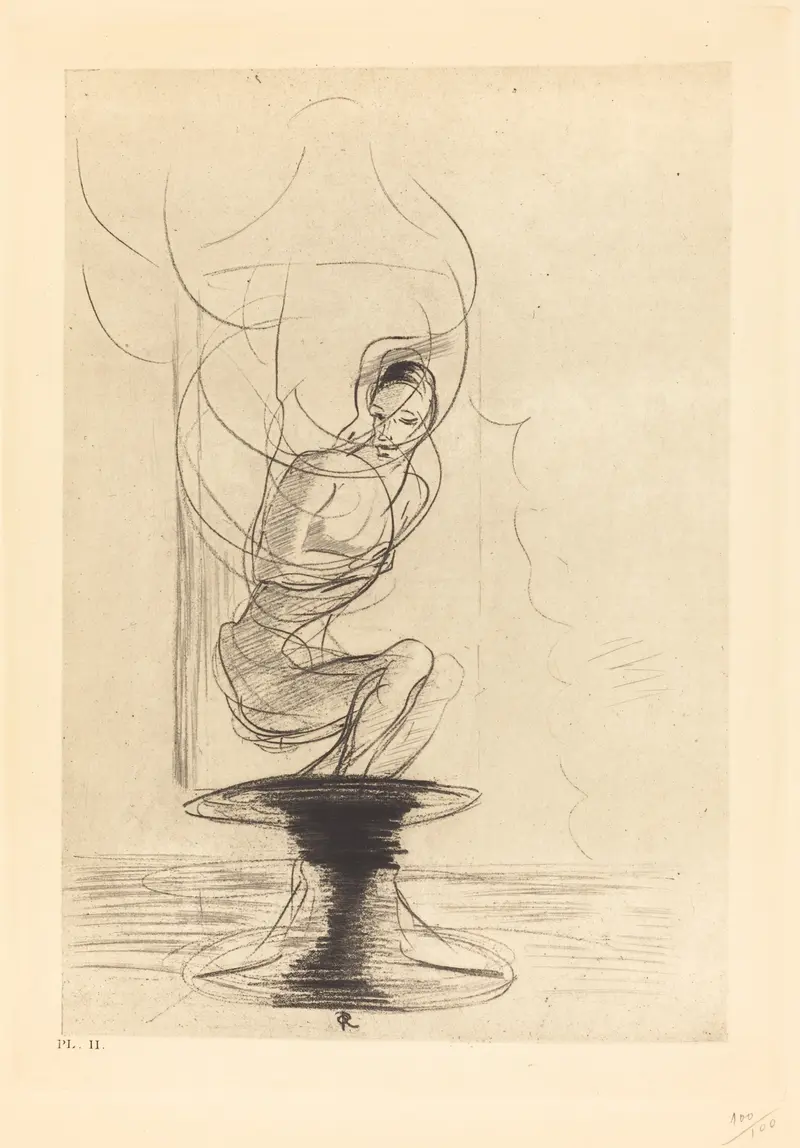
Parfois on trouve un vieux flacon qui se souvient, d’ou jaillit toute vive une ame qui revient
Odilon Redon
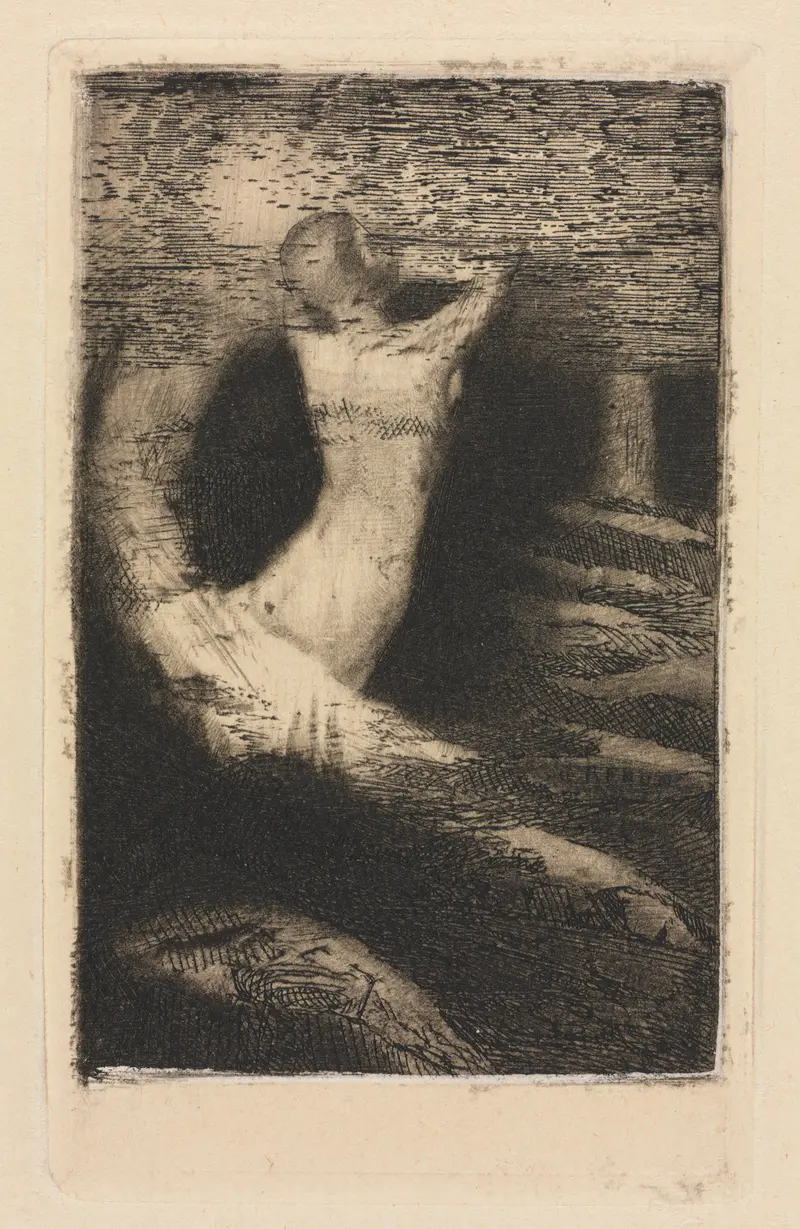
Passage of a Soul
Odilon Redon





