
Christ Appears in front of Mary Magdalene (Noli me tangere) — History & Facts
Can beauty exist without sorrow? In the delicate balance of revelation, the soul often finds its deepest truths intertwined with pain. Look closely at the luminous figure of Christ, radiating an ethereal glow in the center of the composition. His gentle gesture beckons Mary Magdalene, who stands in a posture of awe and hesitation—her eyes wide, her hands clasped, as if caught between faith and disbelief. The soft, golden light that bathes the scene enhances the serenity of the moment, while the sweeping landscape around them, painted in lush greens and soft blues, draws the viewer into a world alive with possibility and transformation. The contrast between light and shadow plays a crucial role in conveying the emotional gravity of this encounter.
Notice the deep shadows that cling to Mary’s form, representing her past burdens, unmoved by the divine presence before her. In that tension lies a powerful reflection on resurrection and forgiveness, reinforcing the notion that true beauty often emerges from the depths of sorrow. The outstretched hand of Christ invites both intimacy and distance, emphasizing the duality of connection and longing. In 1681, Lorrain painted this work amidst a flourishing period for Baroque art, where emotional depth and divine representation were pivotal themes.
Living in Rome, the artist was influenced by the evolving culture surrounding him, marked by a renewed interest in spirituality and classical beauty. This painting captures a pivotal moment not only in the narrative of Christ’s resurrection but also in the artist's exploration of light, landscape, and human emotion.
More Artworks by Claude Lorrain
Browse all →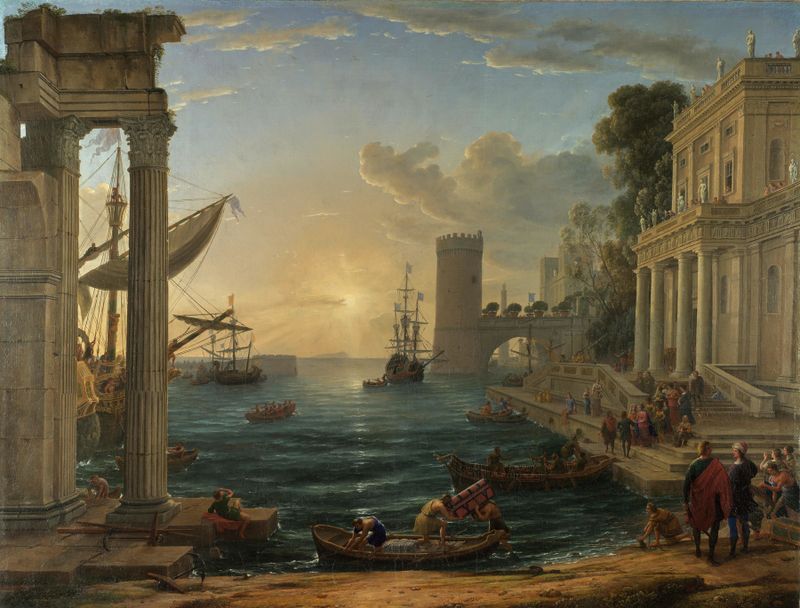
The Embarkation of the Queen of Sheba
Claude Lorrain
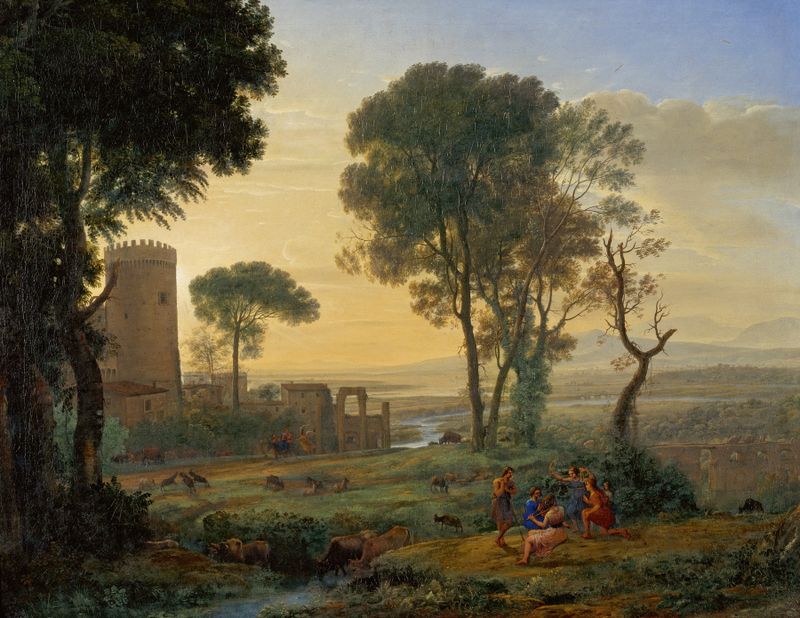
Landscape with the Flight into Egypt
Claude Lorrain
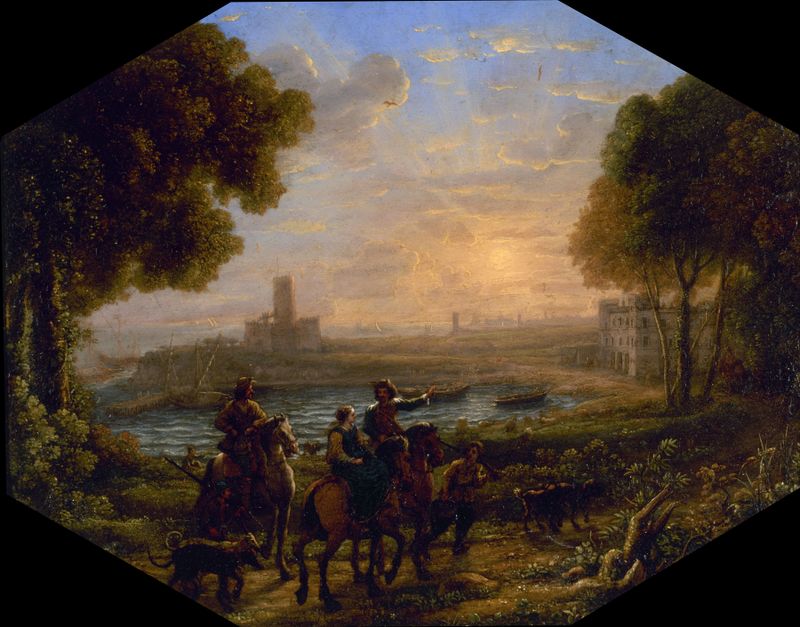
Paysage avec le port de Santa Marinella
Claude Lorrain
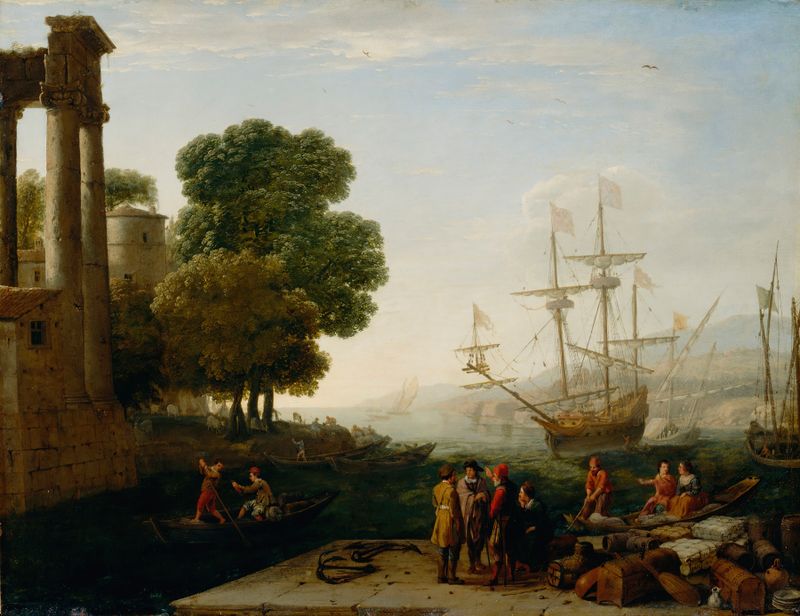
A Seaport at Sunset
Claude Lorrain
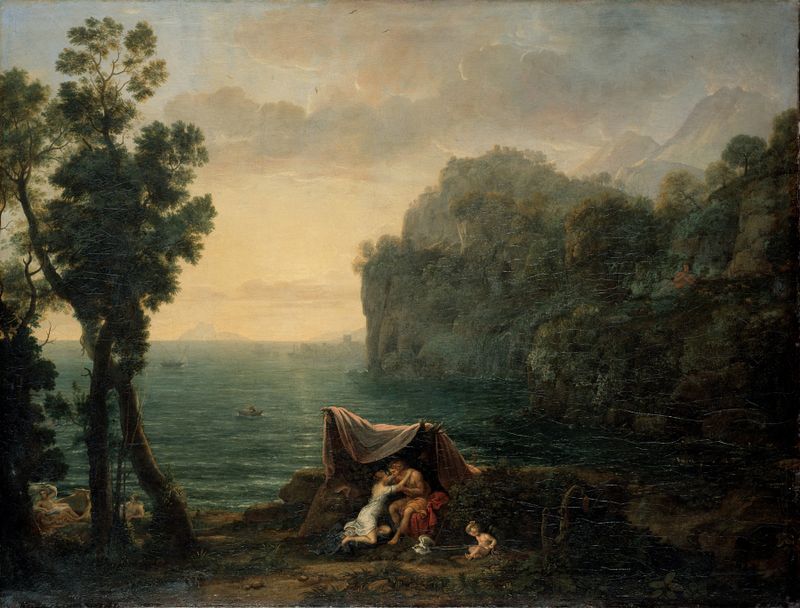
Landscape with Acis and Galatea
Claude Lorrain
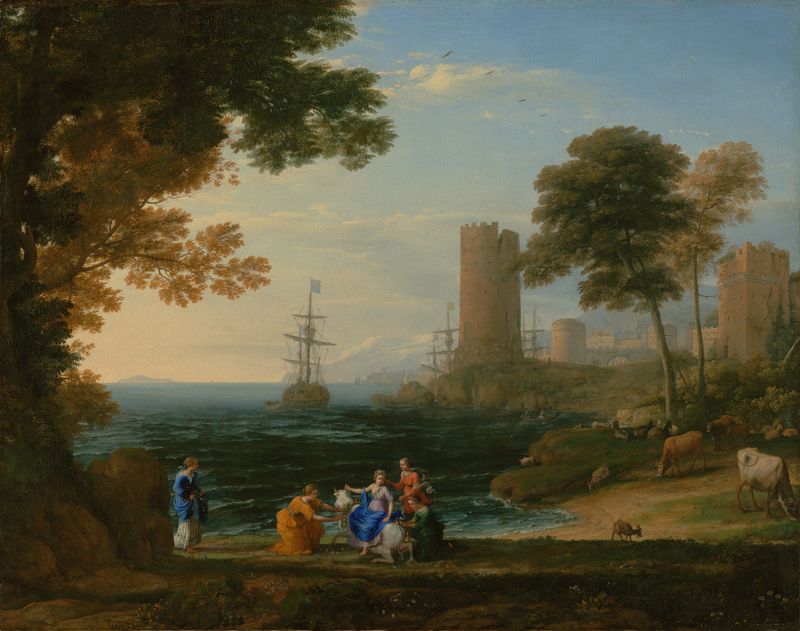
Coast View with the Abduction of Europa
Claude Lorrain
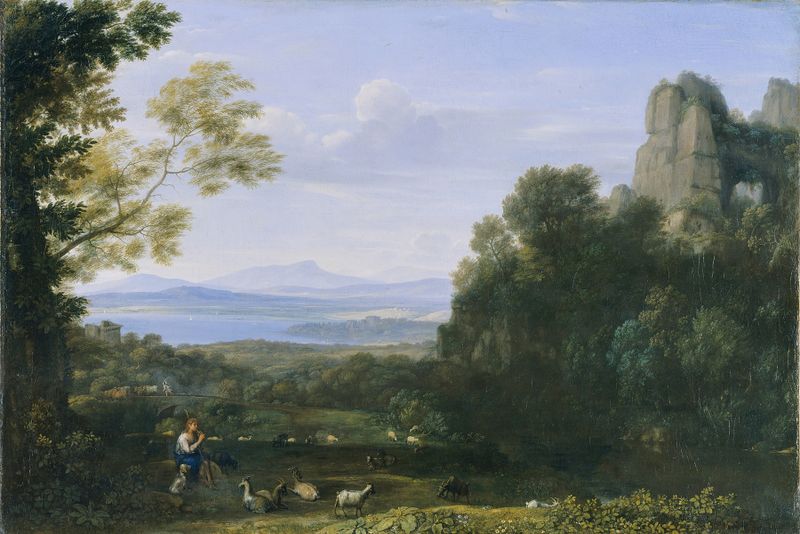
Landscape with Apollo and Mercury
Claude Lorrain
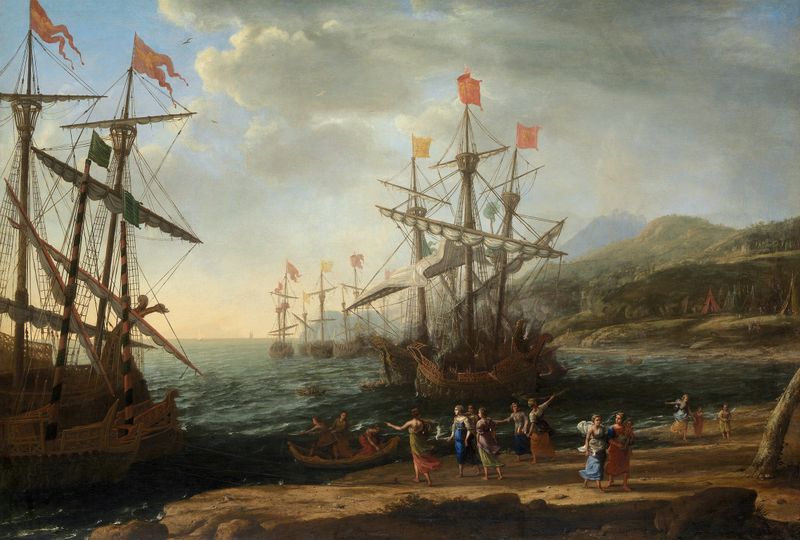
The Trojan Women Setting Fire to Their Fleet
Claude Lorrain
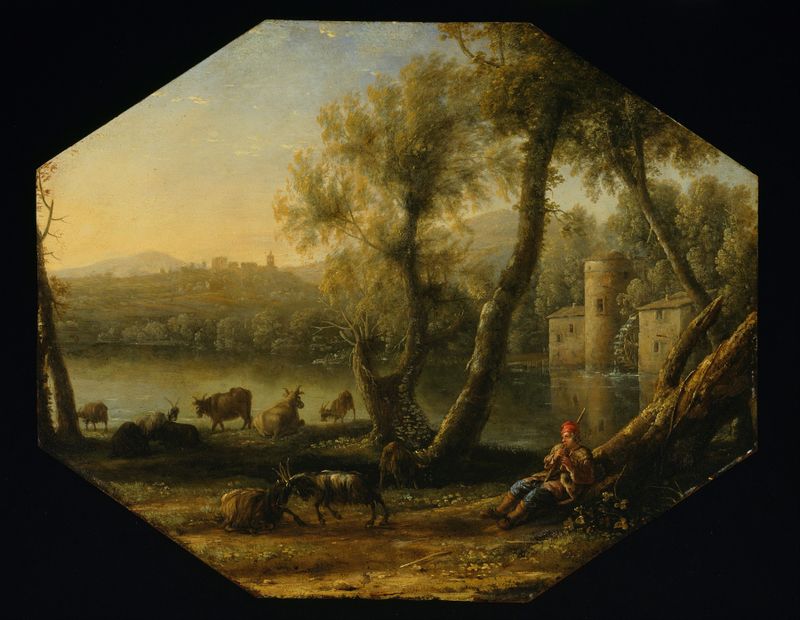
Pastoral landscape
Claude Lorrain
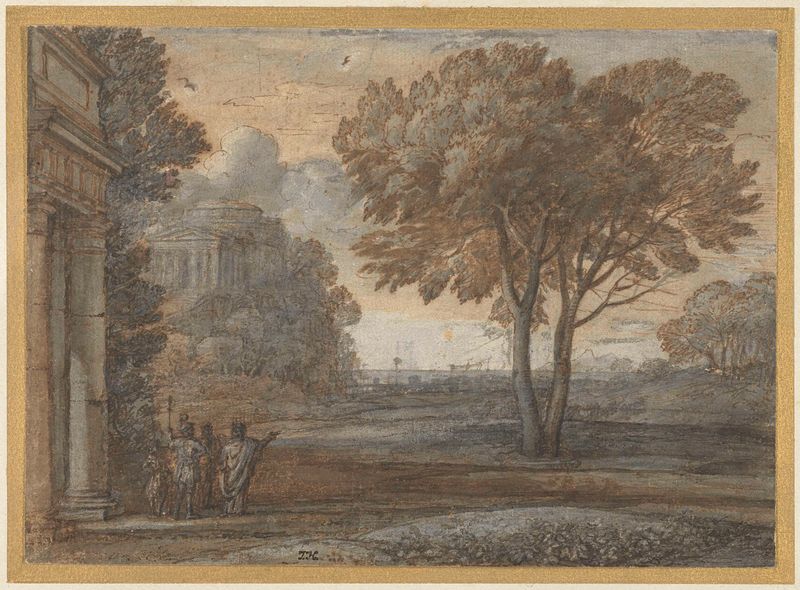
Aeneas op Delos
Claude Lorrain
More Religious Art
Browse all →
The Return of the Prodigal Son
Rembrandt van Rijn

The Garden of Earthly Delights
El Bosco

Count Orgaz’ funeral
El Greco

The Hundred Guilder Print: the central piece with Christ preaching, the plate arched
Rembrandt van Rijn

The Descent from the Cross
Rogier van der Weyden

The return of the prodigal son
Rembrandt van Rijn