
Christ As Ecce Homo — History & Facts
In Christ As Ecce Homo, Guido Reni presents a somber portrayal of Christ. The painting features deep, rich colors, predominantly reds and browns, which enhance the emotional weight of the scene. Christ is depicted with a crown of thorns, his expression one of sorrow and resignation.
The background is dark and minimal, focusing attention on the figure of Christ. The painting is executed in oil on canvas, a common medium for the Baroque period. Reni's technique showcases his skill in creating lifelike textures and subtle details, particularly in the rendering of Christ's facial features. The use of chiaroscuro, the contrast of light and shadow, adds depth and drama to the composition.
The dimensions are approximately 100 x 80 cm, making it a sizable work that commands attention. Guido Reni was a prominent Italian Baroque painter known for his graceful figures and dramatic use of color. This particular work, painted in the 1620s, reflects the Counter-Reformation's emphasis on emotional expression in religious art. An interesting fact is that Reni's depiction of Christ in this work has influenced many subsequent artists, establishing a standard for representations of the Ecce Homo theme in Western art.
More Artworks by Guido Reni

Salome with the Head of Saint John the Baptist
Guido Reni
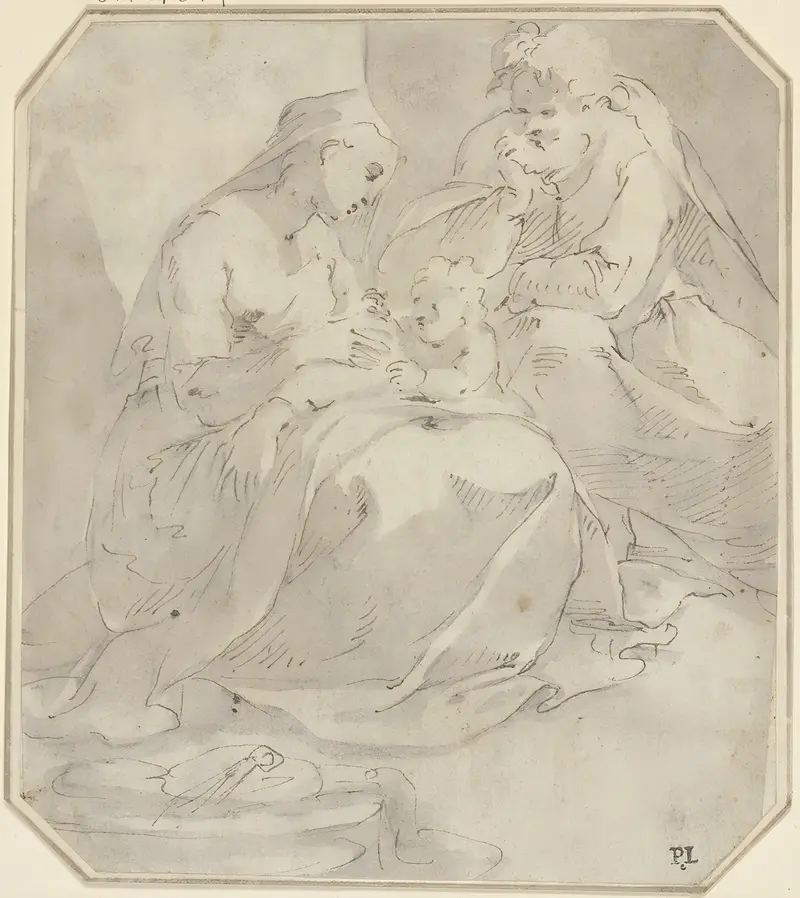
Holy family
Guido Reni
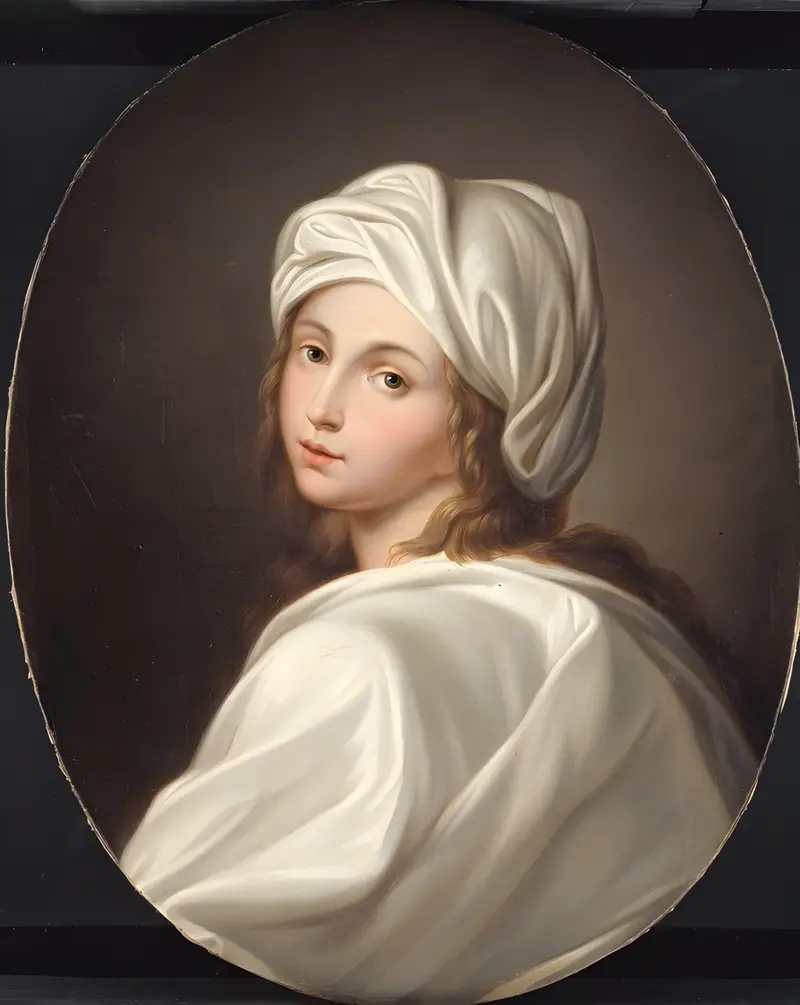
Portrait of Beatrice Cenci
Guido Reni
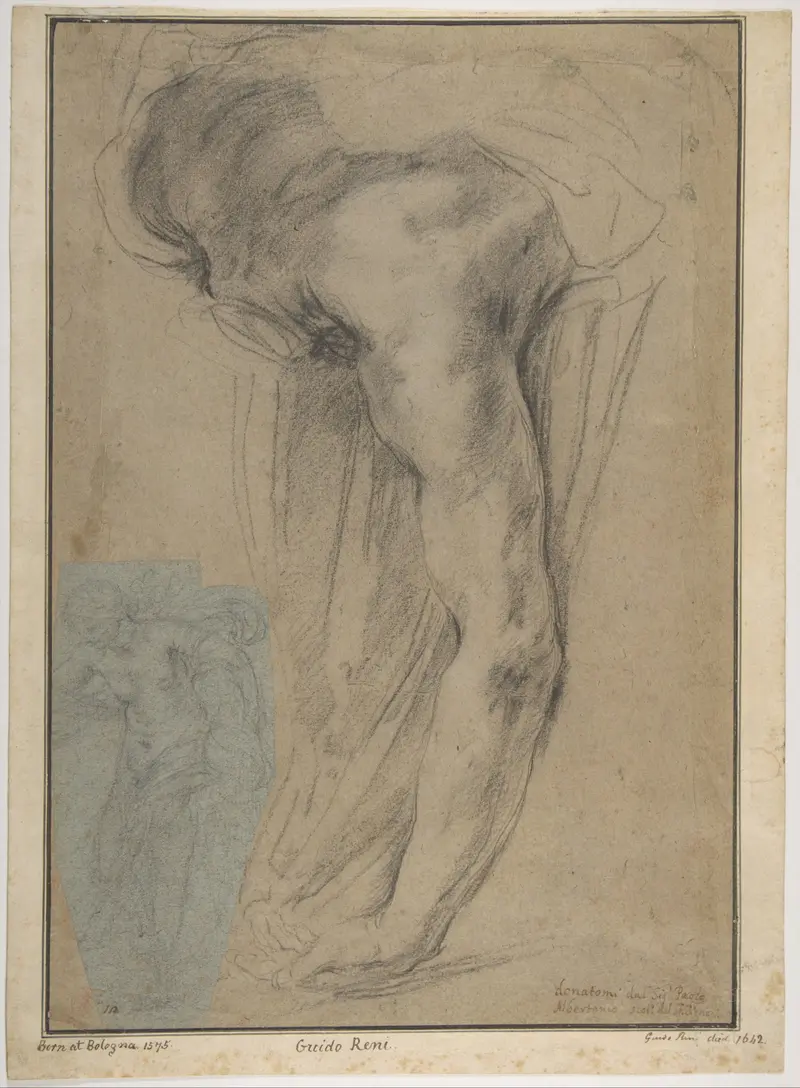
The Reclining Headless Body of Holoferne
Guido Reni
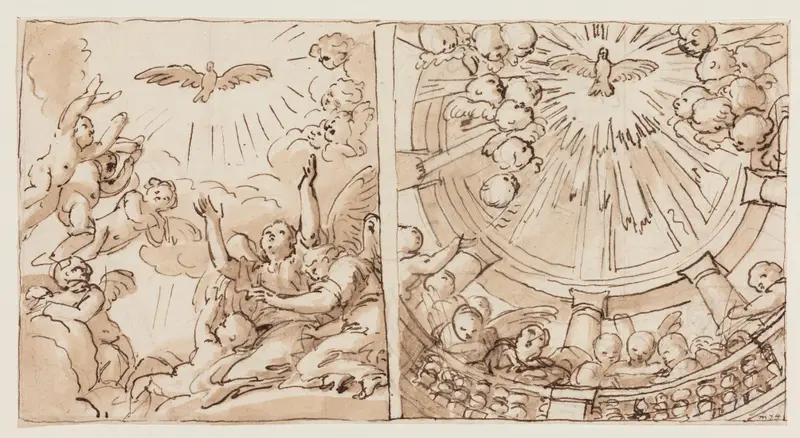
To scener med engle, der omgiver og tilbeder Helligåndsduen, der i det ene tilfælde daler ned mellem skyer, i det andet fra en kuppel, båret af søjler
Guido Reni
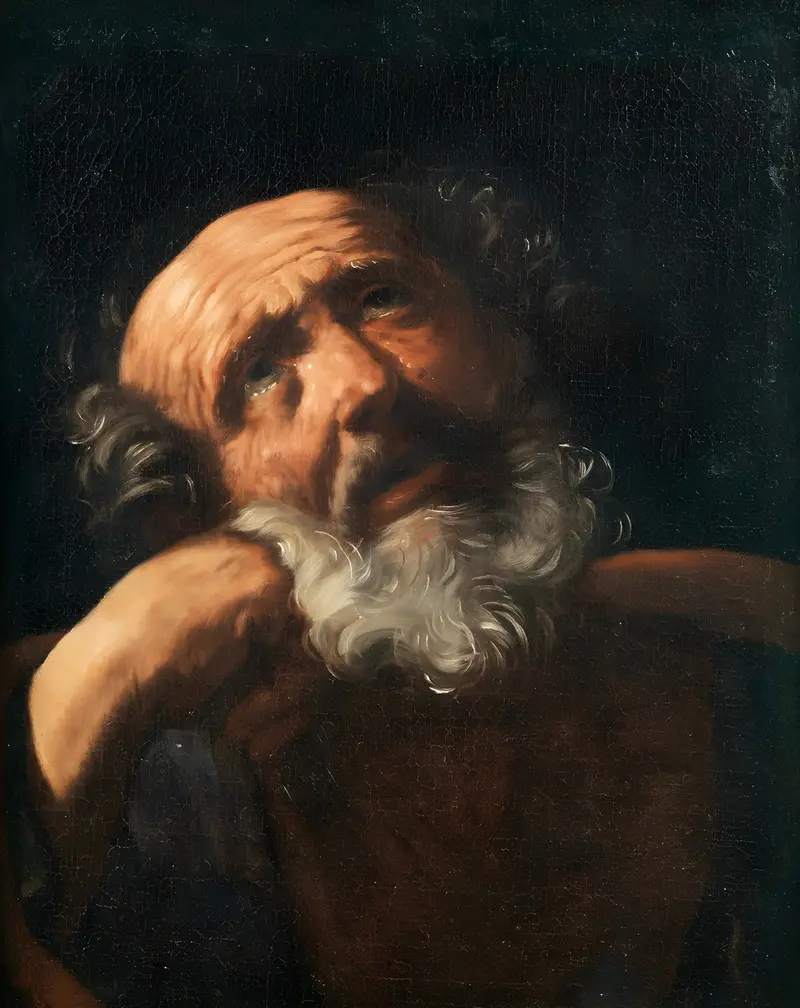
Saint Peter
Guido Reni
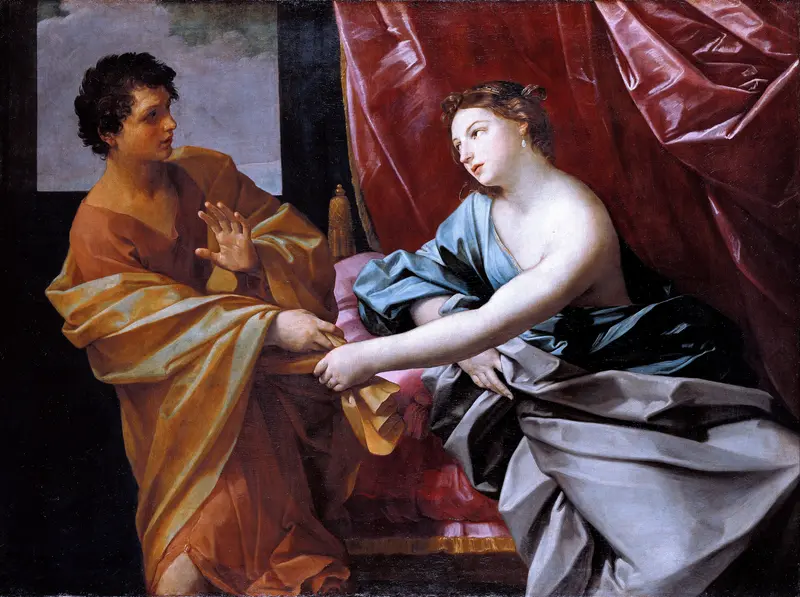
Joseph and Potiphar’s Wife
Guido Reni
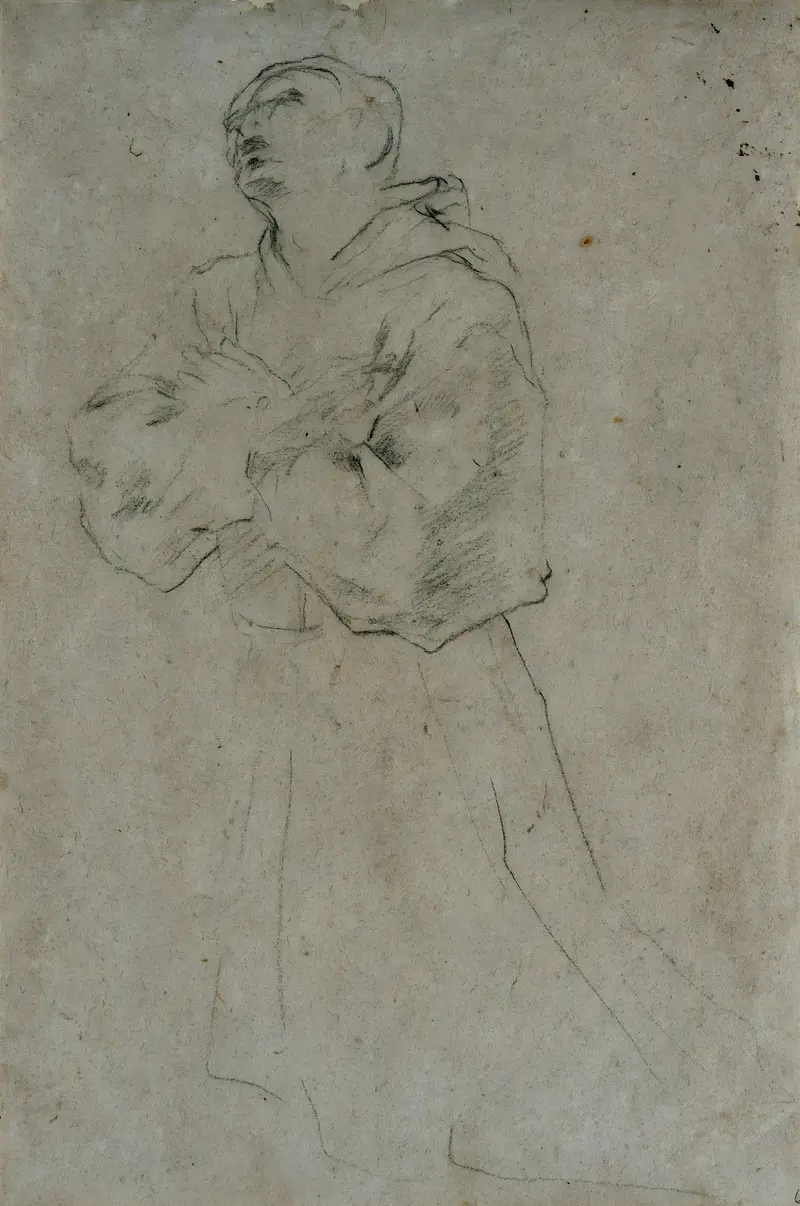
Kneeling Monk
Guido Reni
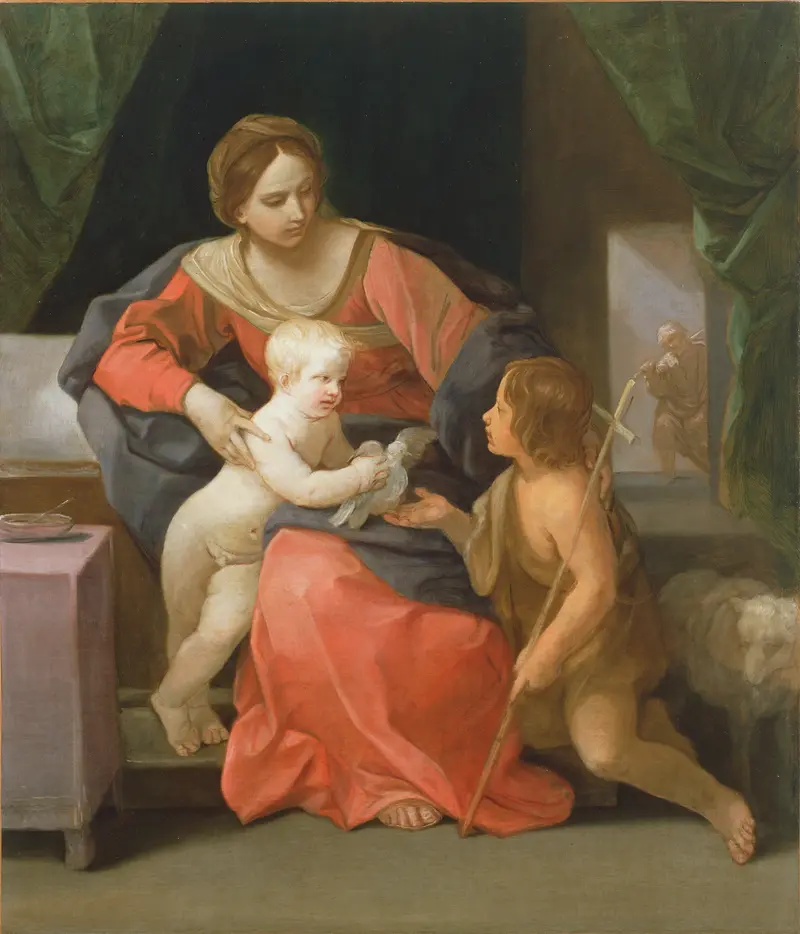
Virgin and Child with Saint John the Baptist
Guido Reni
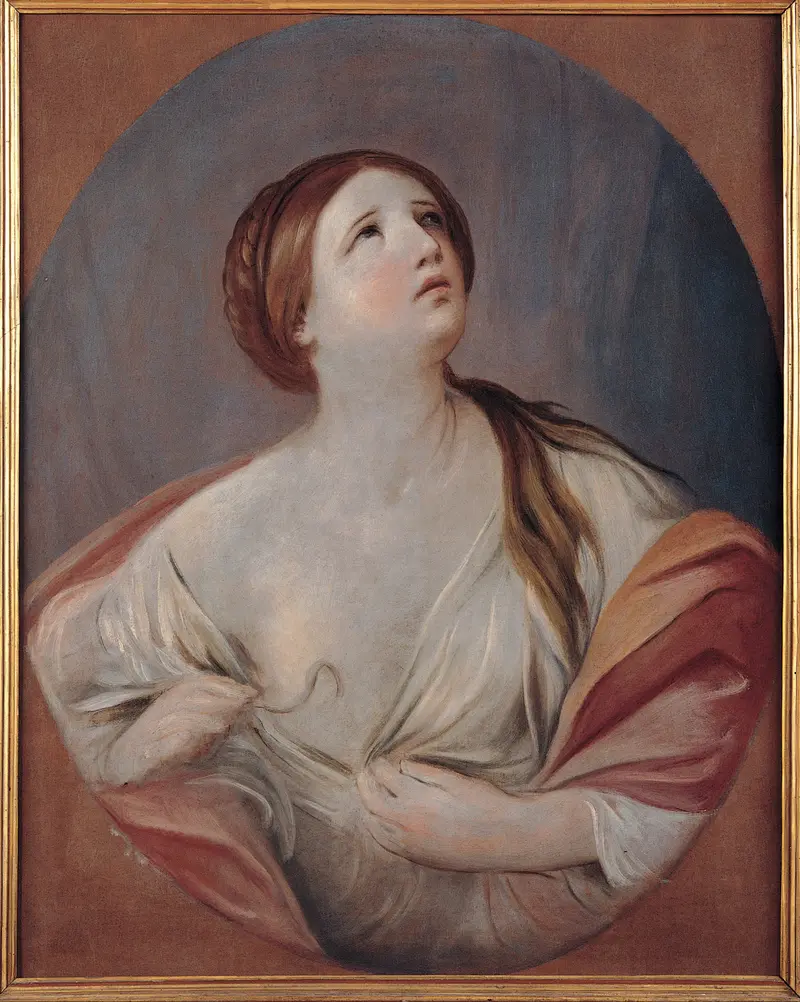
Cleopatra
Guido Reni





