
Christ Church Gate, Canterbury — History & Facts
What secret hides in the quiet of the canvas? Beneath its serene façade, Christ Church Gate, Canterbury whispers of fragility and the passage of time, inviting viewers to peel back layers of history and emotion. Look to the left at the intricately carved stone archway, its weathered texture contrasting with the soft, almost ethereal light that bathes the scene. Notice how the delicate brushstrokes blend warm hues of gold and soft blues, creating a tranquil atmosphere while hinting at the fleeting nature of existence. The gentle play of light and shadow enhances the architectural details, drawing attention to both the gate and the surroundings, encapsulating a moment of stillness in an ever-changing world. At first glance, the painting may seem merely a picturesque representation of a historic structure, yet it embodies deeper tensions—the coexistence of man-made beauty and the inexorable decay of time.
The luminous skies above suggest hope and renewal, while the sturdy yet crumbling architecture speaks to the impermanence of human endeavors. This duality urges viewers to consider their own vulnerabilities, the fragility of life echoed in Turner's careful rendering of both nature and mankind. During the years 1793 to 1794, Turner was immersed in the vibrant art scene of London, pushing the boundaries of landscape painting. This period marked his early experimentation with light and color, bridging the gap between neoclassicism and romanticism.
As he painted Christ Church Gate, the artist sought to capture not only the physical reality of the gate but also the profound emotional landscapes that it evoked, reflecting the changing attitudes of an era poised on the brink of modernity.
More Artworks by Joseph Mallord William Turner
Browse all →
Dort or Dordrecht- The Dort Packet-Boat from Rotterdam Becalmed
Joseph Mallord William Turner
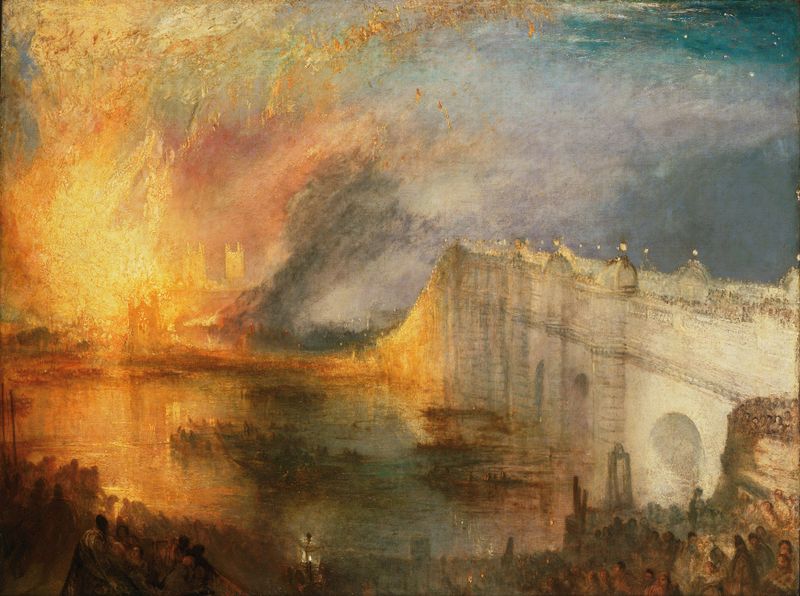
The Burning of the Houses of Lords and Commons, October 16, 1834
Joseph Mallord William Turner
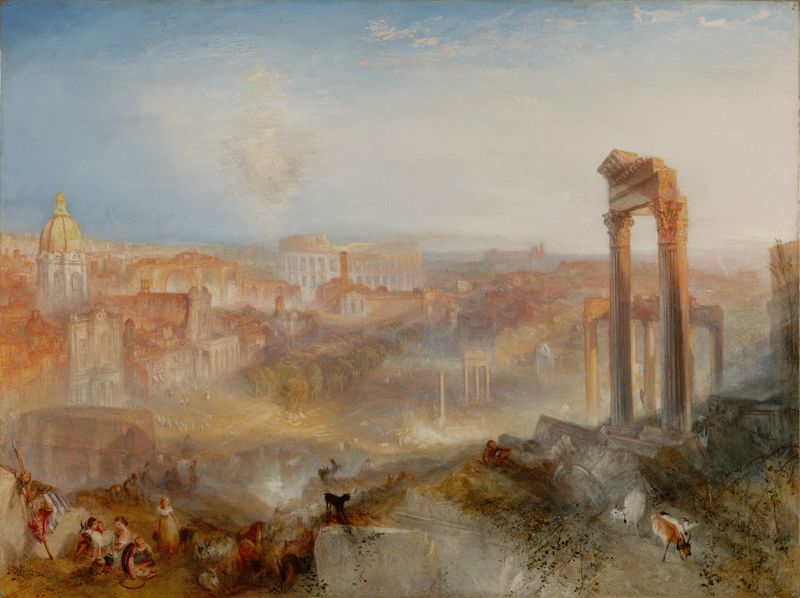
Modern Rome – Campo Vaccino
Joseph Mallord William Turner
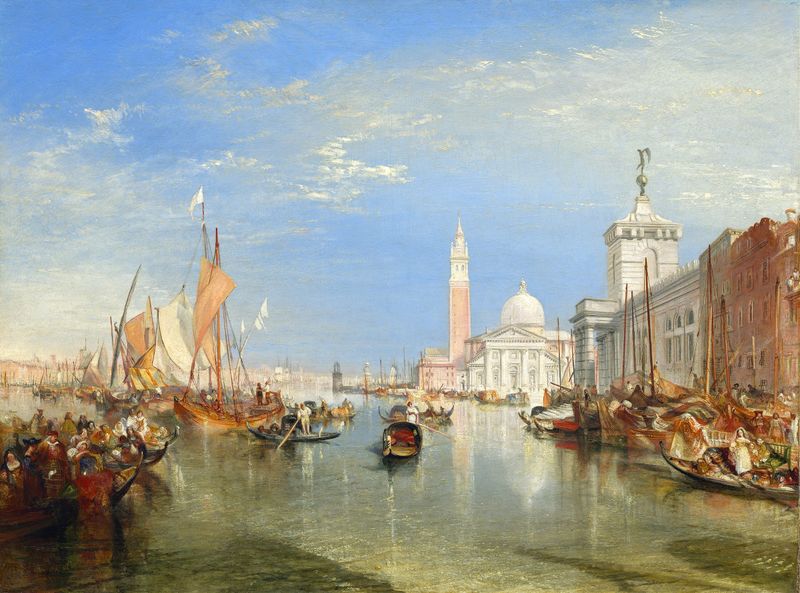
Venice – The Dogana and San Giorgio Maggiore
Joseph Mallord William Turner

The Burning of the Houses of Lords and Commons, 16 October 1834
Joseph Mallord William Turner
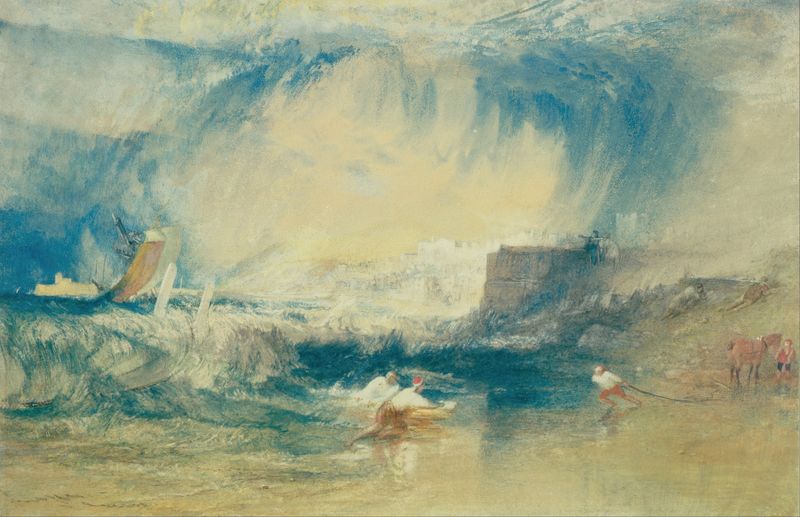
Lyme Regis, Dorsetshire, England
Joseph Mallord William Turner
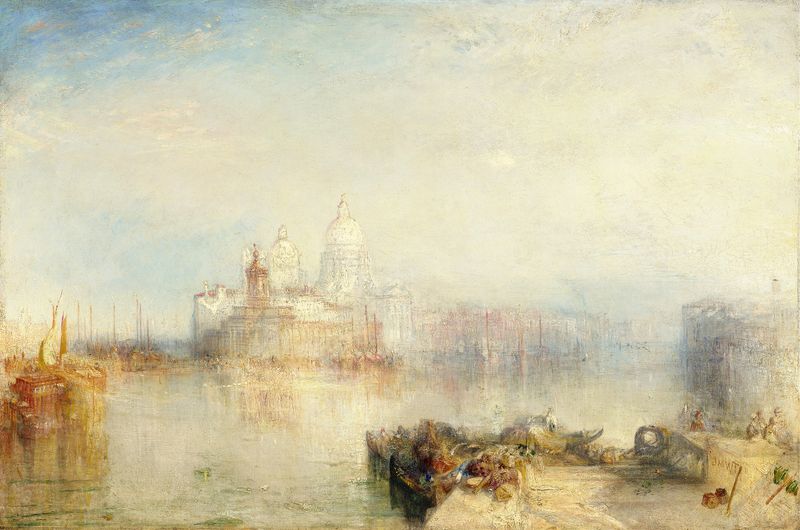
The Dogana and Santa Maria della Salute, Venice
Joseph Mallord William Turner
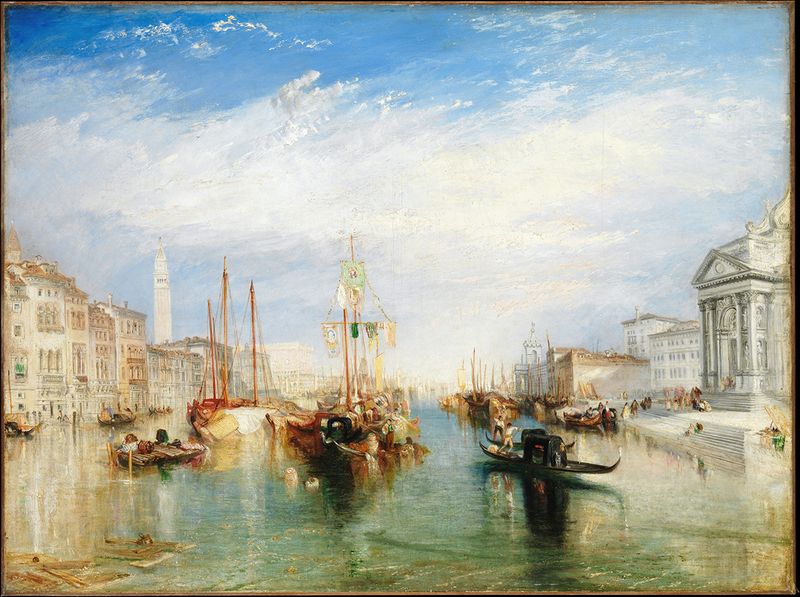
Venice, from the Porch of Madonna della Salute
Joseph Mallord William Turner
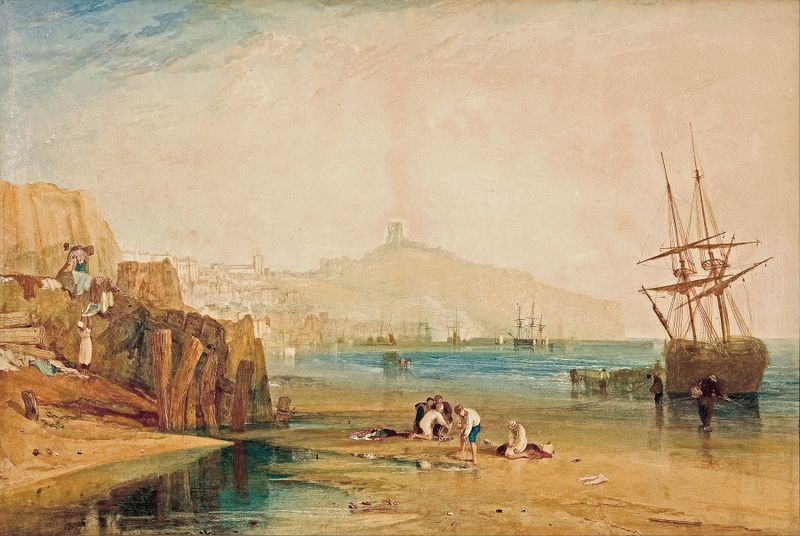
Scarborough town and castle; morning; boys catching crabs
Joseph Mallord William Turner
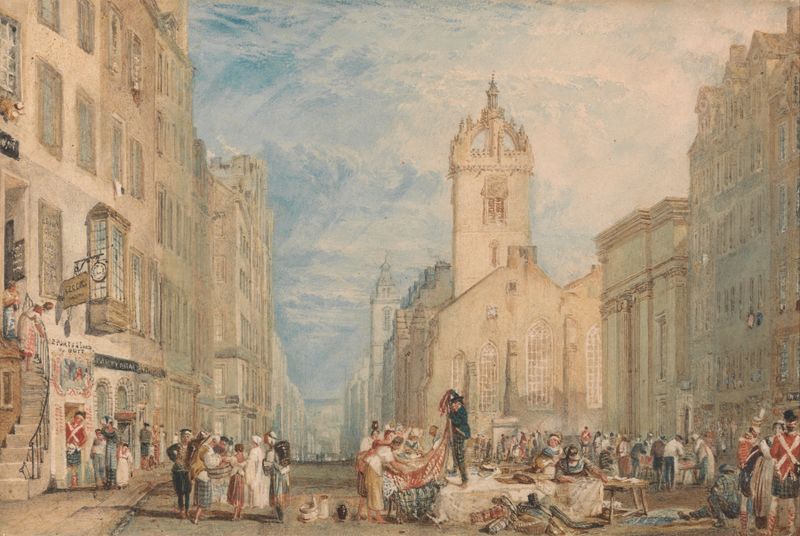
High Street, Edinburgh
Joseph Mallord William Turner
More Architecture Art
Browse all →
The statue of Liberty
Frédéric Auguste Bartholdi

View of Houses in Delft, Known as ‘The Little Street’
Johannes Vermeer

View of Houses in Delft, Known as ‘The Little Street’
Johannes Vermeer

The Cathedral in Rouen. The portal, Grey Weather
Claude Monet

The yellow house
Vincent van Gogh

The Church in Auvers-sur-Oise, View from the Chevet
Vincent van Gogh