
Christ on the Mount of Olives — History & Facts
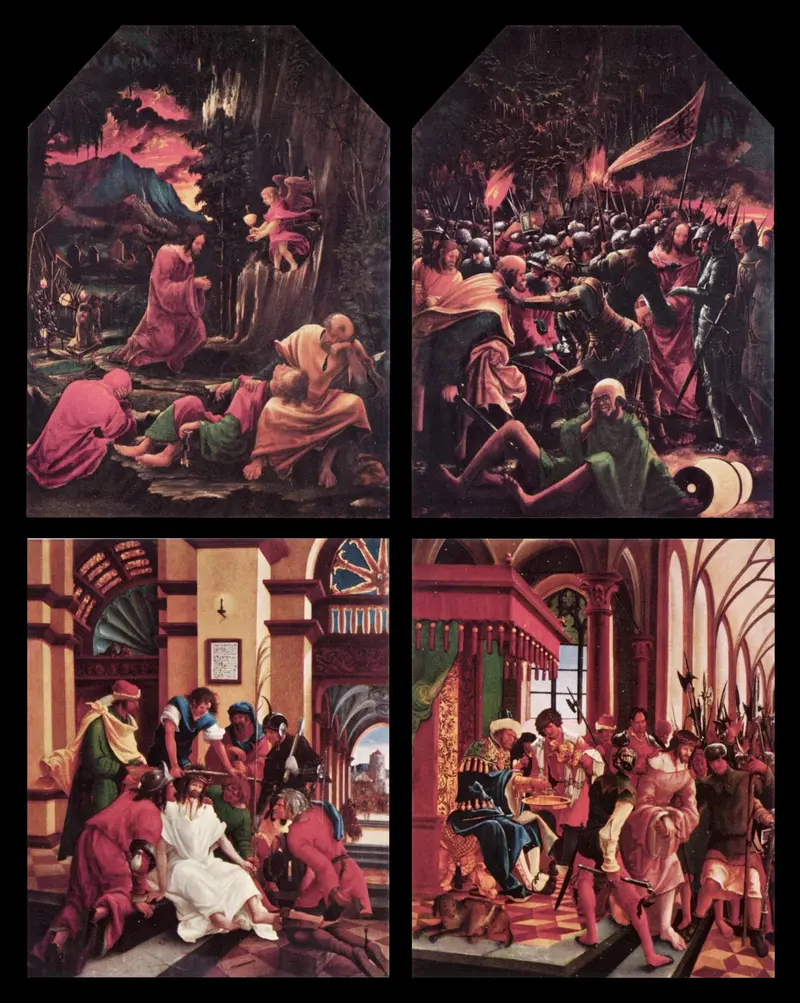
The first thing that seizes the eye in Christ on the Mount of Olives is the burning sky, a feverish red that seems to set the whole landscape on edge. In this charged atmosphere, Albrecht Altdorfer draws us into a moment of utter solitude and tension: Christ, kneeling in prayer, is caught between the looming threat of the soldiers in the distance and the oblivious slumber of his disciples in the foreground. The angel, descending with a golden chalice, hovers just above the ground, a supernatural visitor who brings both comfort and the certainty of fate.
Every gesture is loaded with meaning—the clasped hands of Christ, the heavy sleep of the disciples, the torch-lit approach of the arresting party. The landscape itself feels alive, the jagged mountains and twisted trees echoing the turmoil within the scene. This painting belongs to the early sixteenth century, a time when artists in the German-speaking lands were pushing the boundaries of devotional imagery. Works like this—created circa 1509-1516—were often commissioned for altarpieces, designed to immerse viewers in the drama of the Passion and encourage personal meditation.
Altdorfer, known for his pioneering landscapes, here uses nature not as a backdrop but as a participant in the story, amplifying the emotional stakes. History has kept few traces of this specific panel, but its survival in collections such as The Yorck Project reminds us how these images once shaped the spiritual imagination of their time. The restless sky and the silent figures invite you to linger, searching for the moment when night gives way to destiny.
More Artworks by Albrecht Altdorfer

Landscape with Two Pines
Albrecht Altdorfer
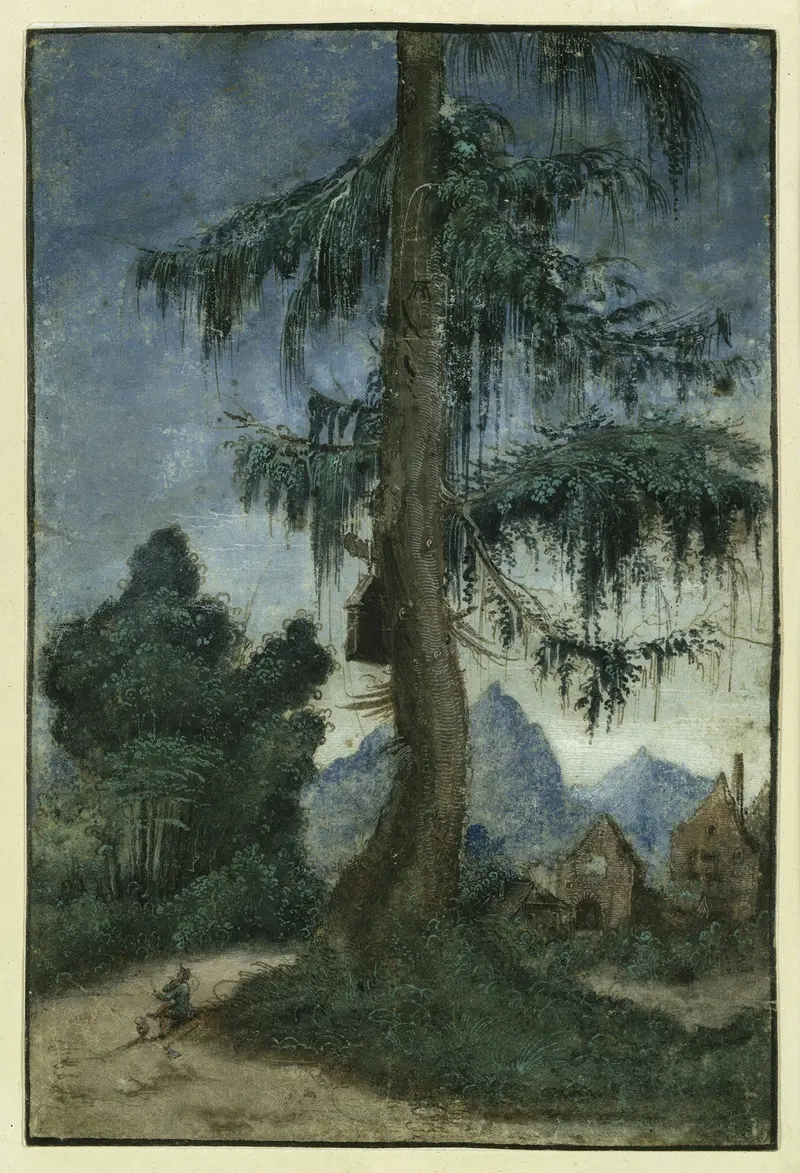
Landscape with spruce
Albrecht Altdorfer
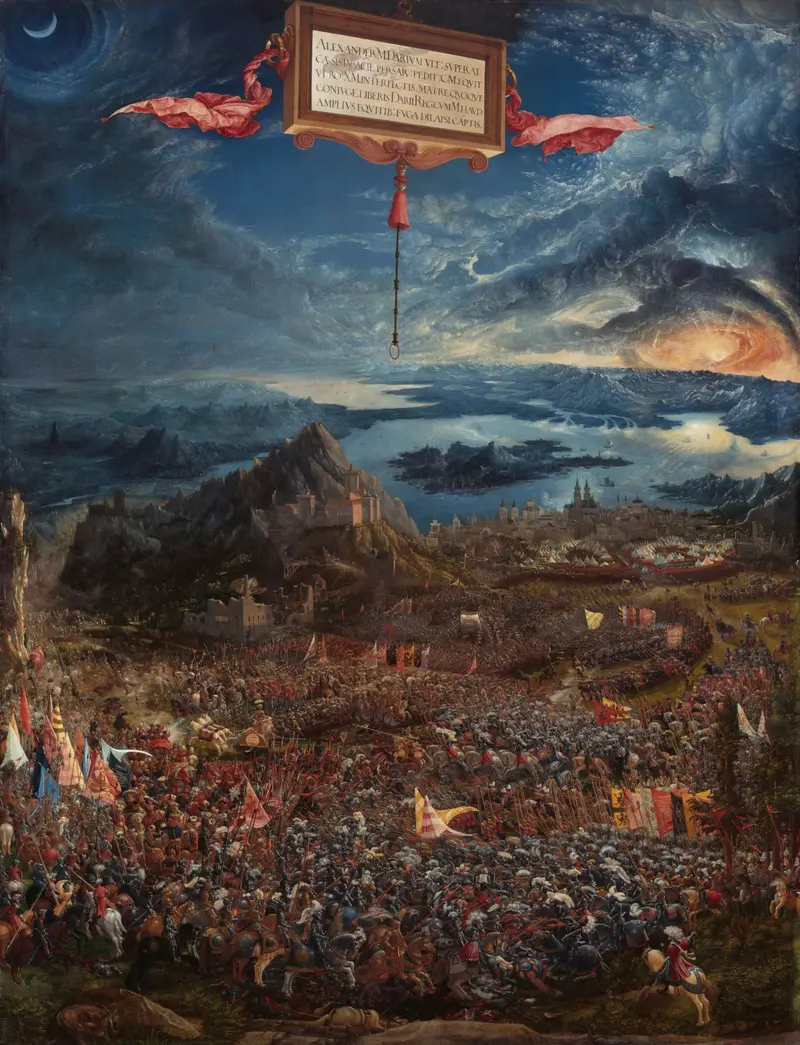
The Battle of Alexander at Issus
Albrecht Altdorfer
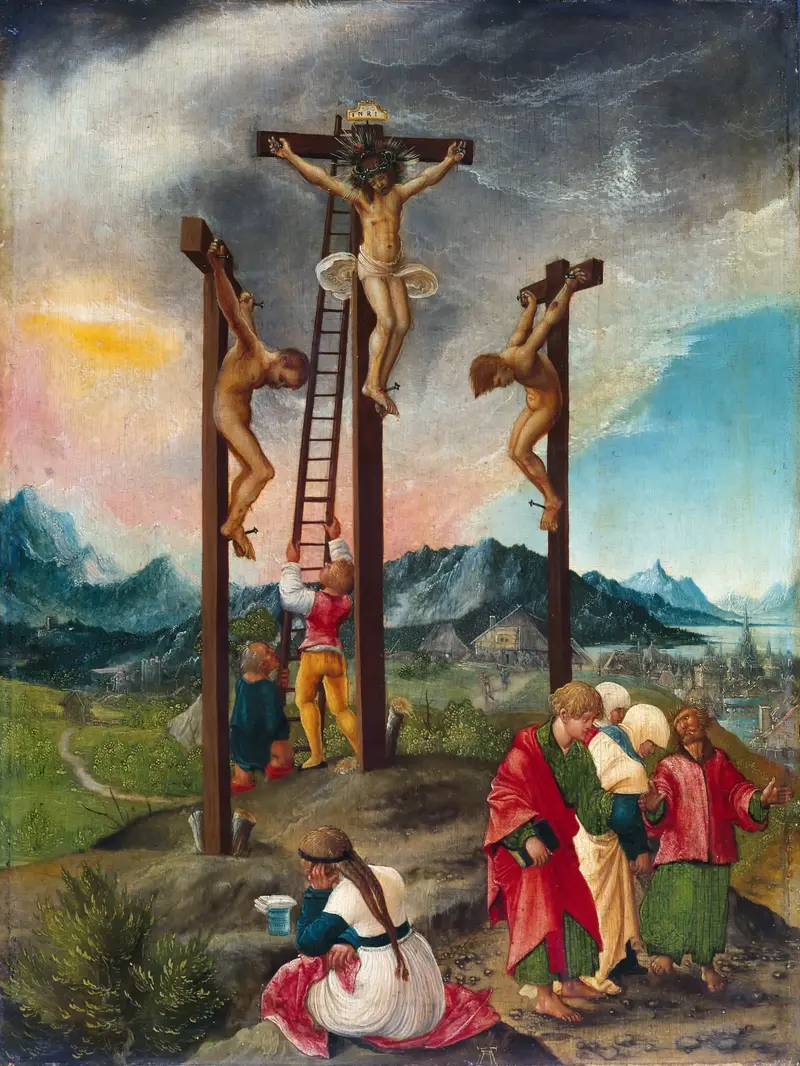
Christ on the Cross between the Two Thieves
Albrecht Altdorfer
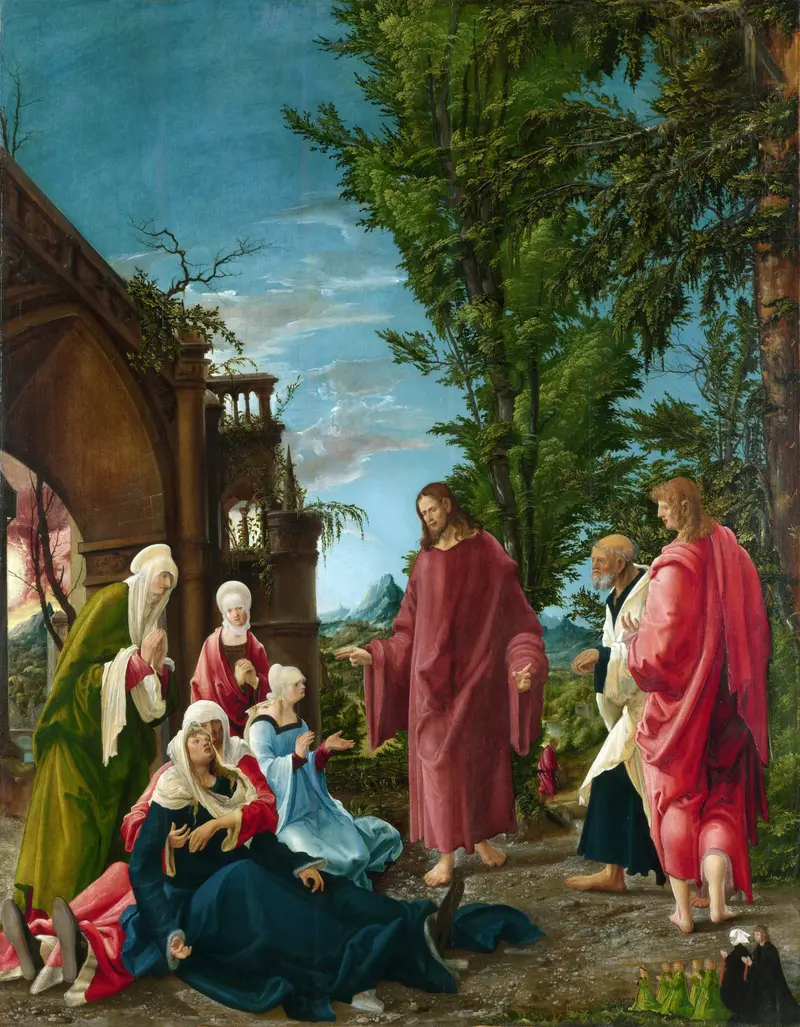
Christ Taking Leave of his Mother
Albrecht Altdorfer
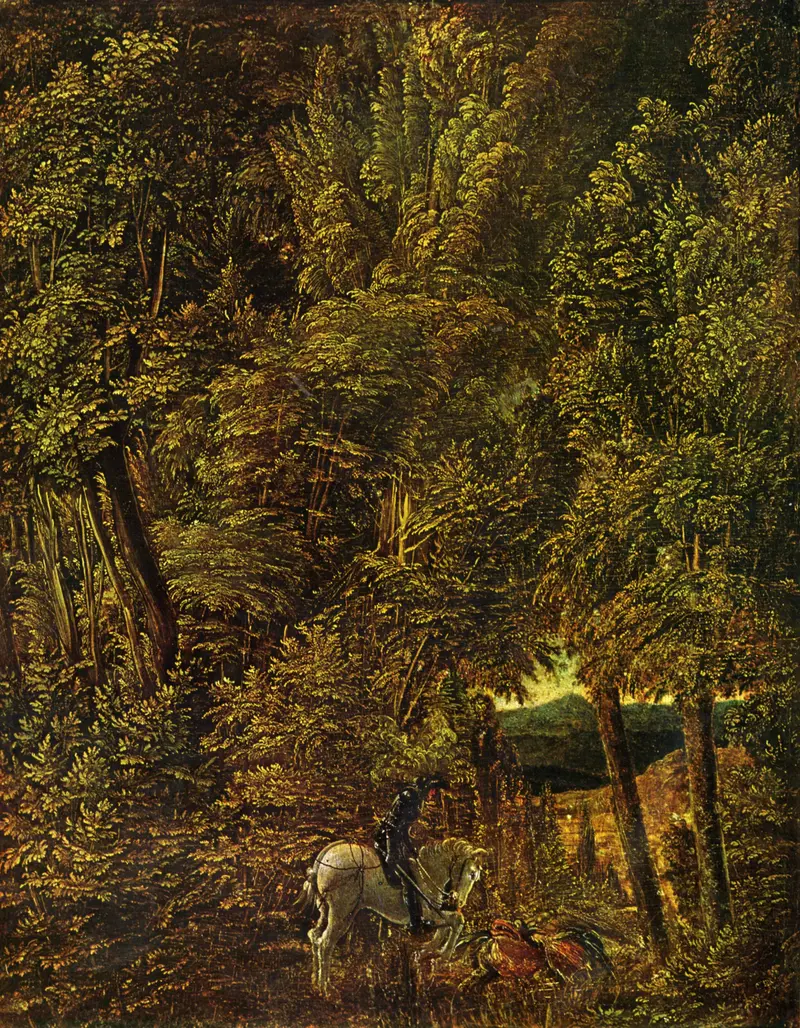
Countryside of Wood With Saint George Fighting the Dragon
Albrecht Altdorfer
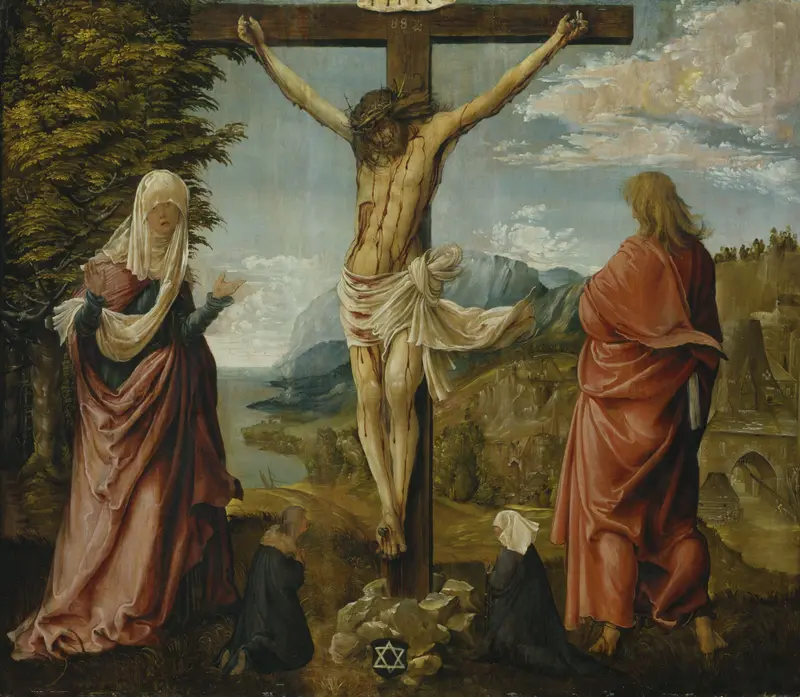
Crucifixion with Mary and John
Albrecht Altdorfer
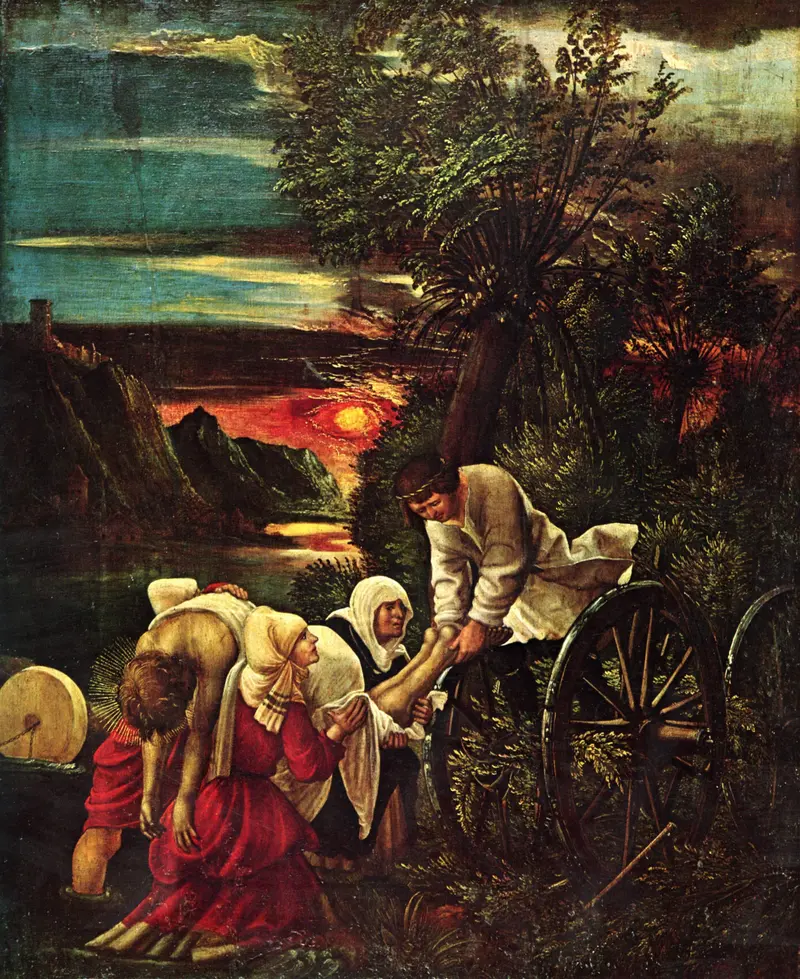
Finding of the Body of Saint Florian
Albrecht Altdorfer
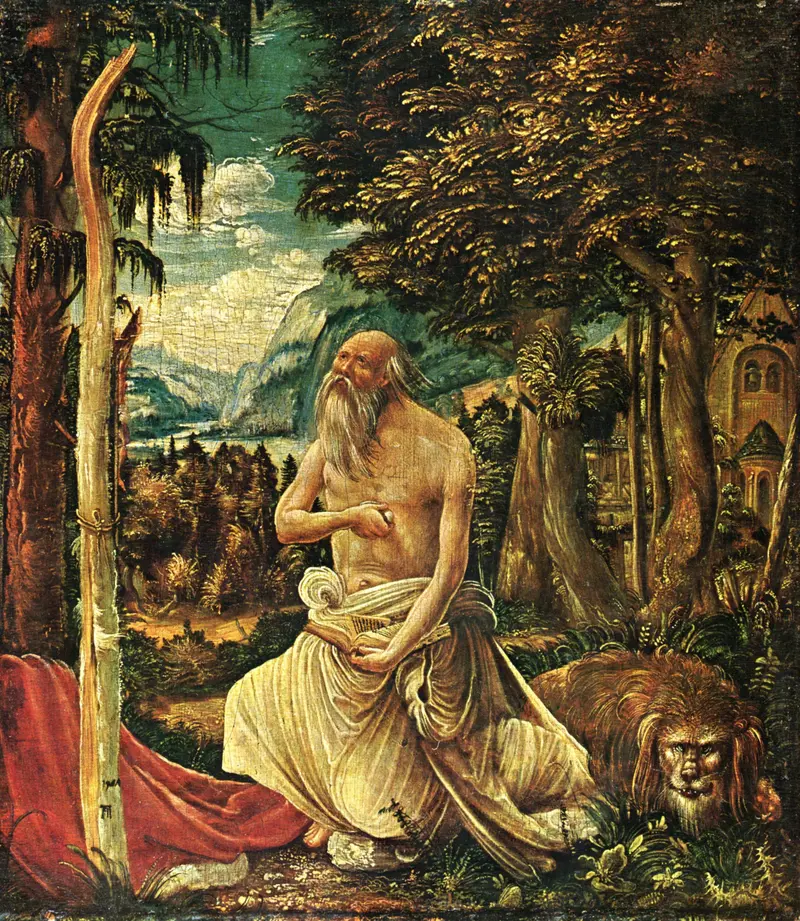
Penitent Hieronymus
Albrecht Altdorfer
Pilate Washing His Hands by Altdorfer
Albrecht Altdorfer





