
Christus aan het kruis genageld — History & Facts
In the turmoil of existence, the human spirit seeks movement even within stillness. Albrecht Dürer captures this tension in Christus aan het kruis genageld, where the crucifixion resonates with profound emotion and masterful technique. To truly appreciate the painting, look first at the figure of Christ, centrally positioned on the cross. Notice how Dürer employs chiaroscuro to highlight the contours of His body, illuminating both suffering and serenity.
The intricate details of the nails piercing His hands draw the viewer’s eye, inviting contemplation of their symbolic weight. Surrounding elements, like the subtly rendered sky and the anguished figures of onlookers in the background, enhance the dramatic composition, creating a visual dialogue between despair and transcendence. Delve deeper into the artwork to uncover emotional tensions; the juxtaposition of Christ’s stillness against the turbulent expressions of pain among the witnesses evokes a sense of shared suffering. The delicate brushwork on the flesh contrasts with the starkness of the wooden cross, emphasizing the tension between the divine and the earthly.
Even the background shadows seem to pulse with movement, suggesting the weight of the moment extends beyond the canvas, resonating with the audience's own anguish and hope. Dürer painted Christus aan het kruis genageld in 1509, during a time when the Renaissance was reshaping European perspectives on art and spirituality. Living in Nuremberg, he was influenced by the growing emphasis on naturalism and emotional depth, striving to blend the sacred and the profound through meticulous detail. This period marked a pivotal transformation in his career, as he sought to elevate visual narrative, capturing the essence of human experience in a way that would resonate through the ages.
More Artworks by Albrecht Dürer
Browse all →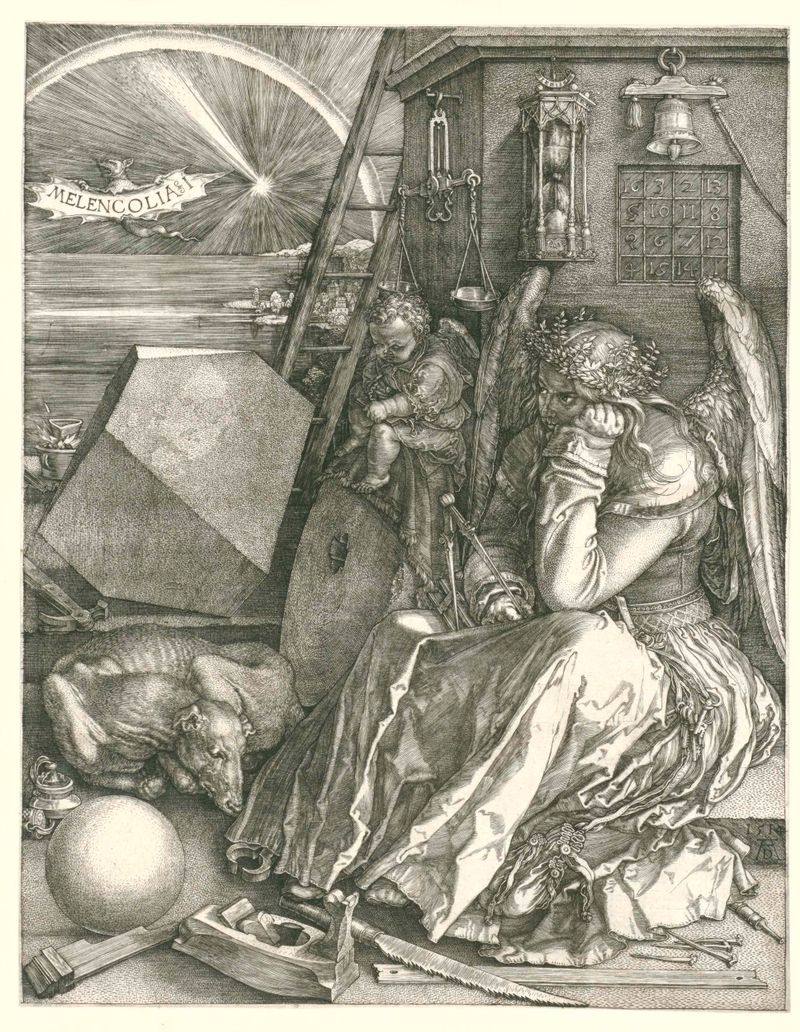
Melancholia
Albrecht Dürer
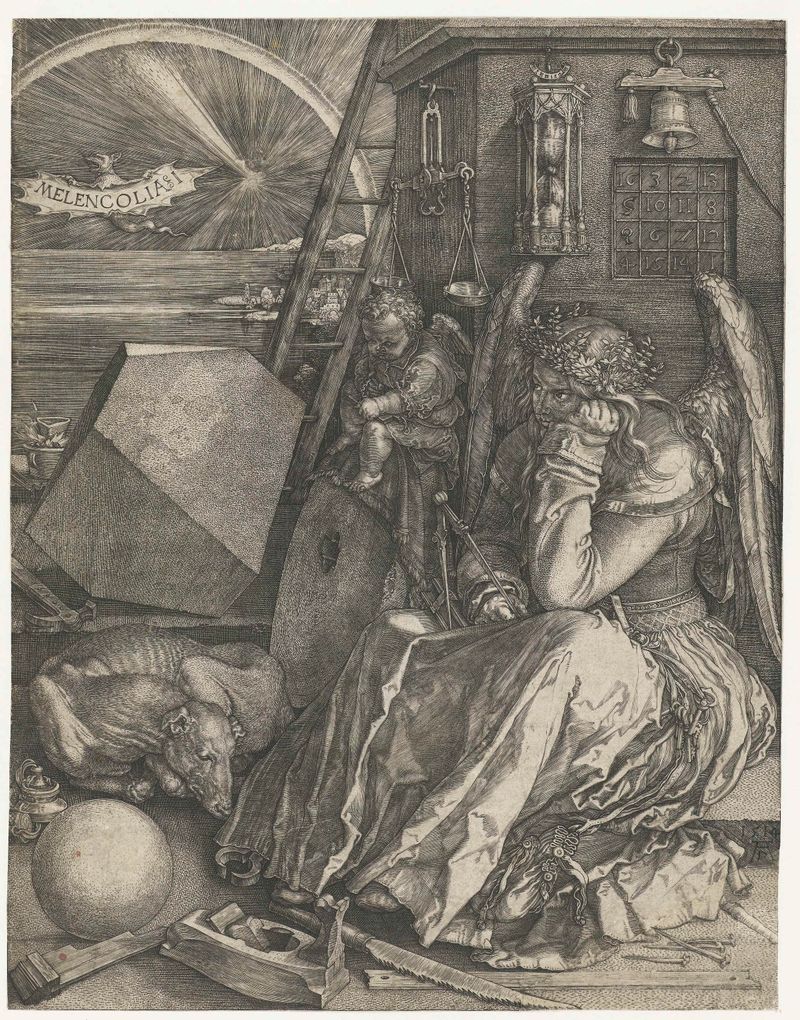
Melancholie
Albrecht Dürer
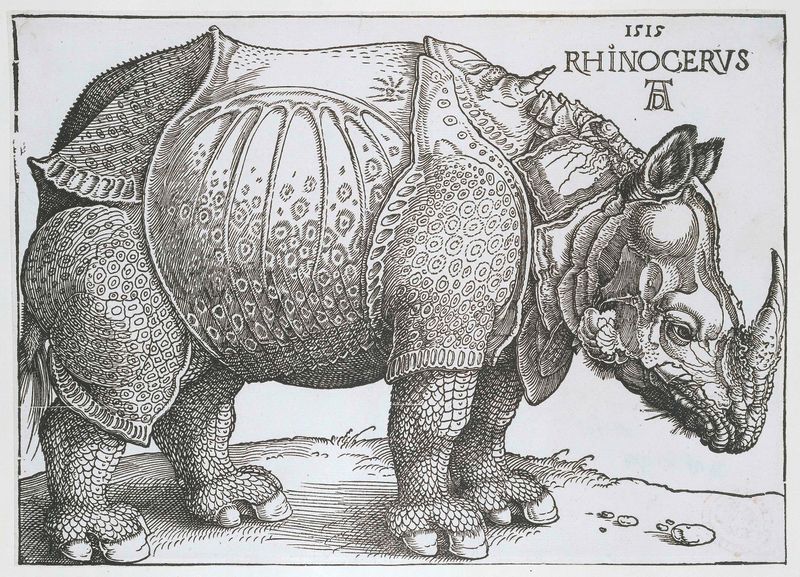
Neushoorn
Albrecht Dürer
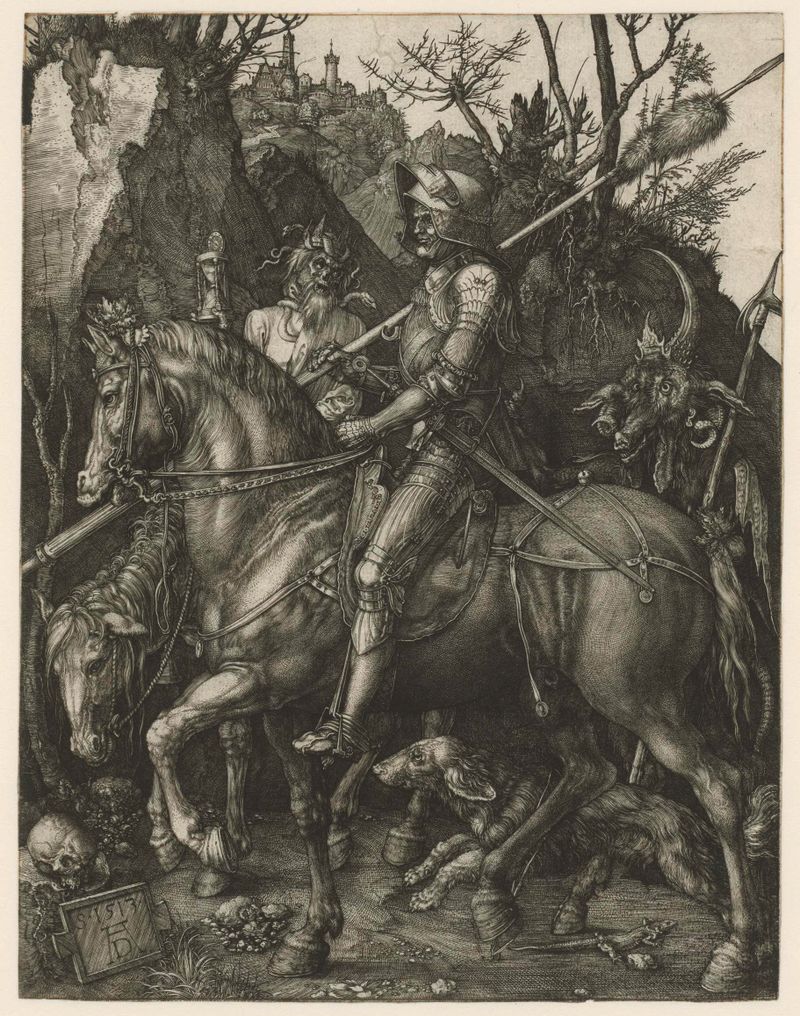
Knight, Death, and the Devil
Albrecht Dürer

De vier ruiters van de apocalyps
Albrecht Dürer

De vier ruiters van de apocalyps
Albrecht Dürer
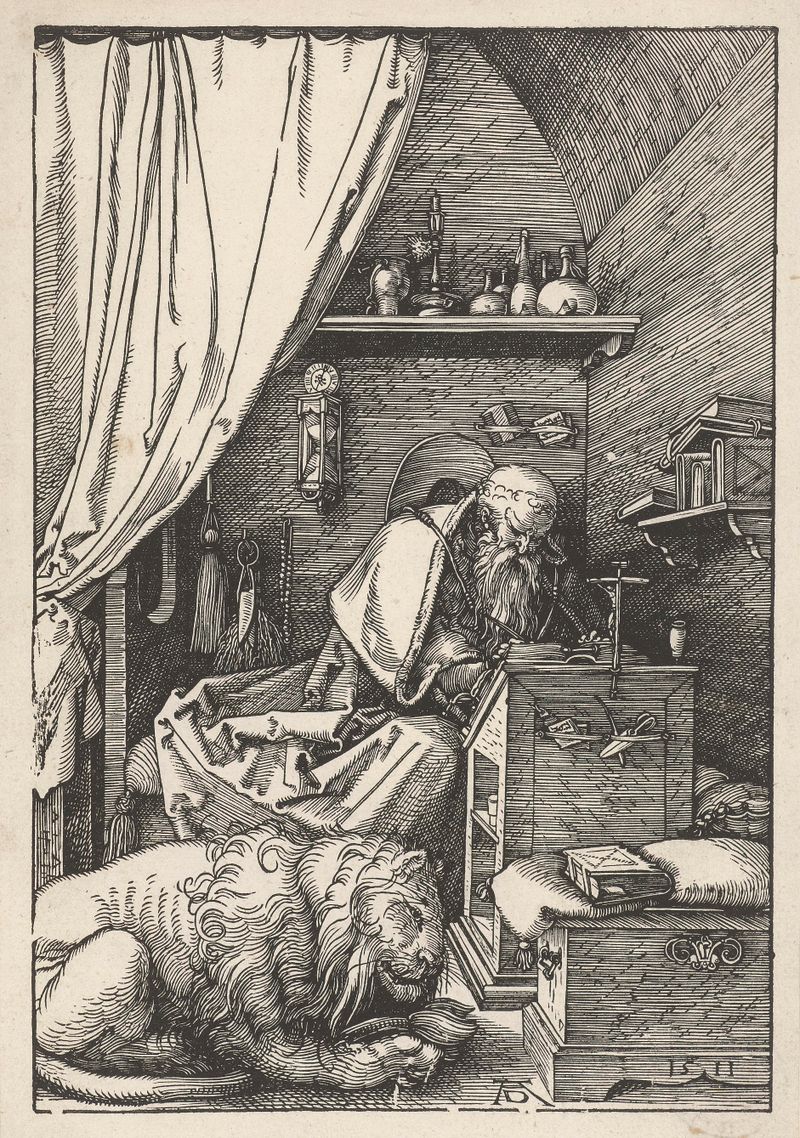
De Heilige Hiëronymus in zijn studeervertrek
Albrecht Dürer
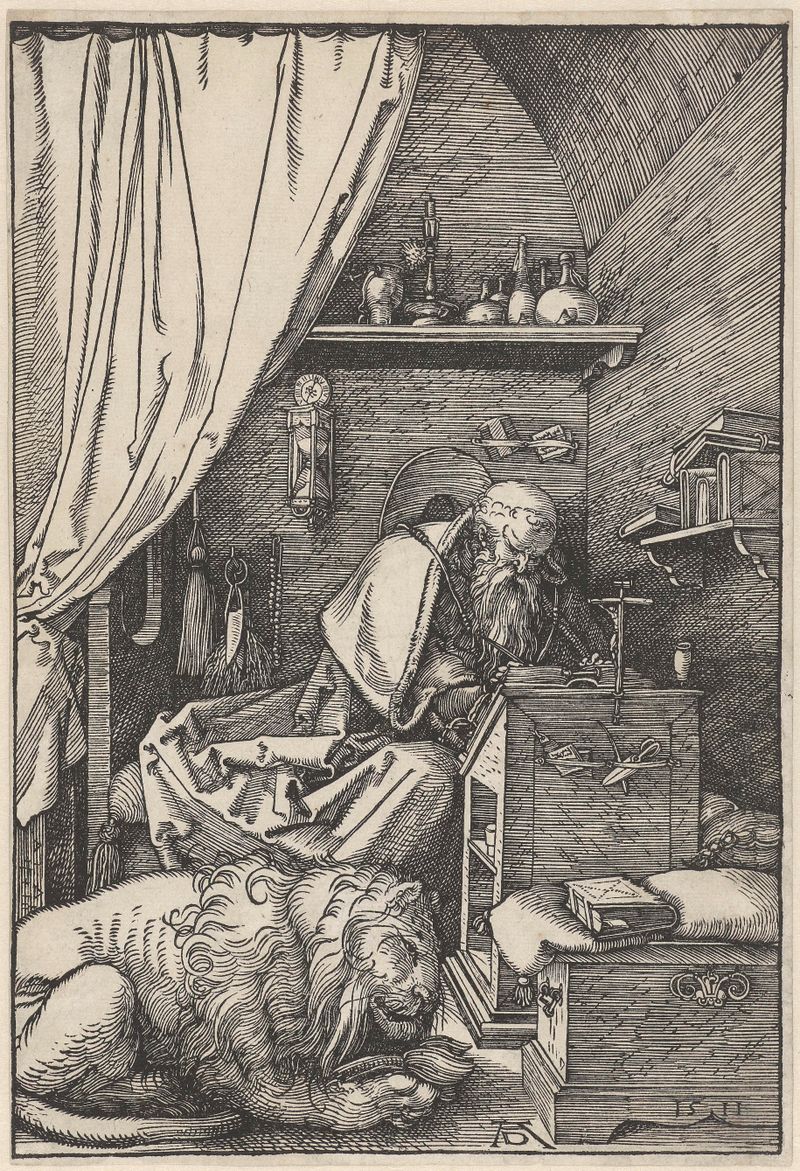
De Heilige Hiëronymus in zijn studeervertrek
Albrecht Dürer
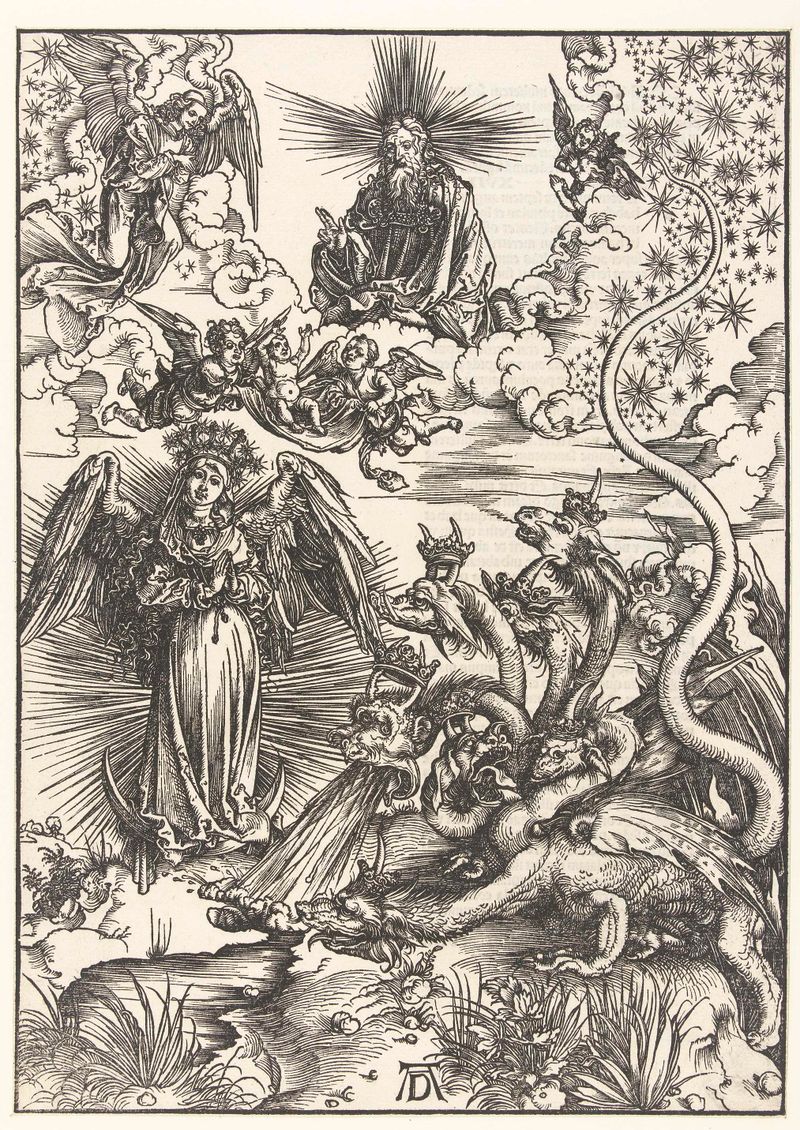
De apocalyptische vrouw en de zevenkoppige draak
Albrecht Dürer
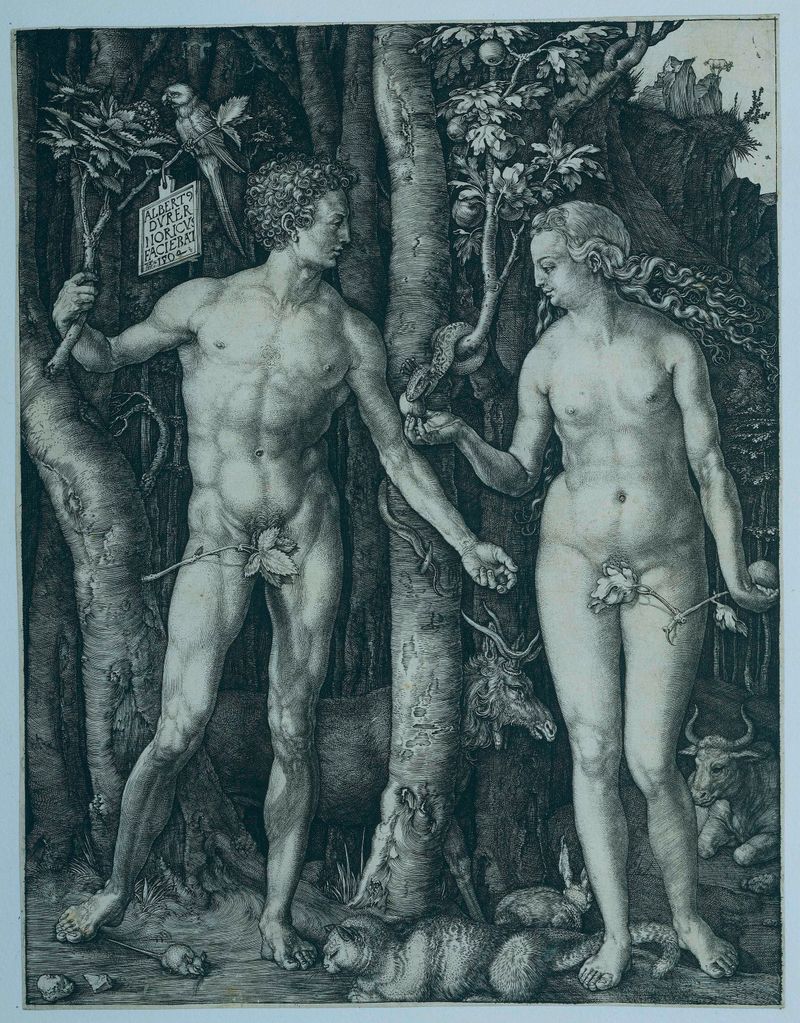
Adam en Eva
Albrecht Dürer
More Religious Art
Browse all →
The Return of the Prodigal Son
Rembrandt van Rijn

The Garden of Earthly Delights
El Bosco

Count Orgaz’ funeral
El Greco

The Hundred Guilder Print: the central piece with Christ preaching, the plate arched
Rembrandt van Rijn

The Descent from the Cross
Rogier van der Weyden

The return of the prodigal son
Rembrandt van Rijn