
Christus aan het volk getoond (Ecce homo) — History & Facts
Can paint confess what words never could? Albrecht Dürer’s Ecce homo invites the viewer into a moment of divine revelation, where balance hangs delicately between despair and redemption. Focus first on the somber expression of Christ, positioned centrally, hands bound and head crowned with thorns. His gaze meets yours, imbued with a deep sense of resignation and strength. The soft yet ethereal light highlights the contours of his face, emphasizing the stark contrast between his pale skin and the darkness surrounding him.
Dürer’s exquisite attention to detail in the fabric of his garments and the texture of his skin creates a compelling realism, drawing you into this poignant moment. Hidden within the serene chaos of the piece are layers of emotional tension. The mournful expressions of the crowd suggest a collective sorrow, while their varied gestures encapsulate a spectrum of human reaction—from pity to guilt. The interplay between light and shadow not only reveals Christ’s anguish but also reflects the audience's inner conflict, forcing you to confront the duality of suffering and compassion that defines humanity.
This balance between hope and despair is underscored by the muted color palette, creating an atmosphere that resonates with a heavy yet contemplative silence. Painted in 1512, this work emerged during a period of profound transformation in Europe, as the Renaissance burgeoned and artists like Dürer grappled with new ideas about faith and humanity. Living in Nuremberg, he was deeply influenced by both the tumult of the Reformation and the resurgence of classical ideals. This piece can be seen as a reflection of that era’s struggle to reconcile spiritual belief with human experience, capturing the artist's quest to find harmony in discord.
More Artworks by Albrecht Dürer
Browse all →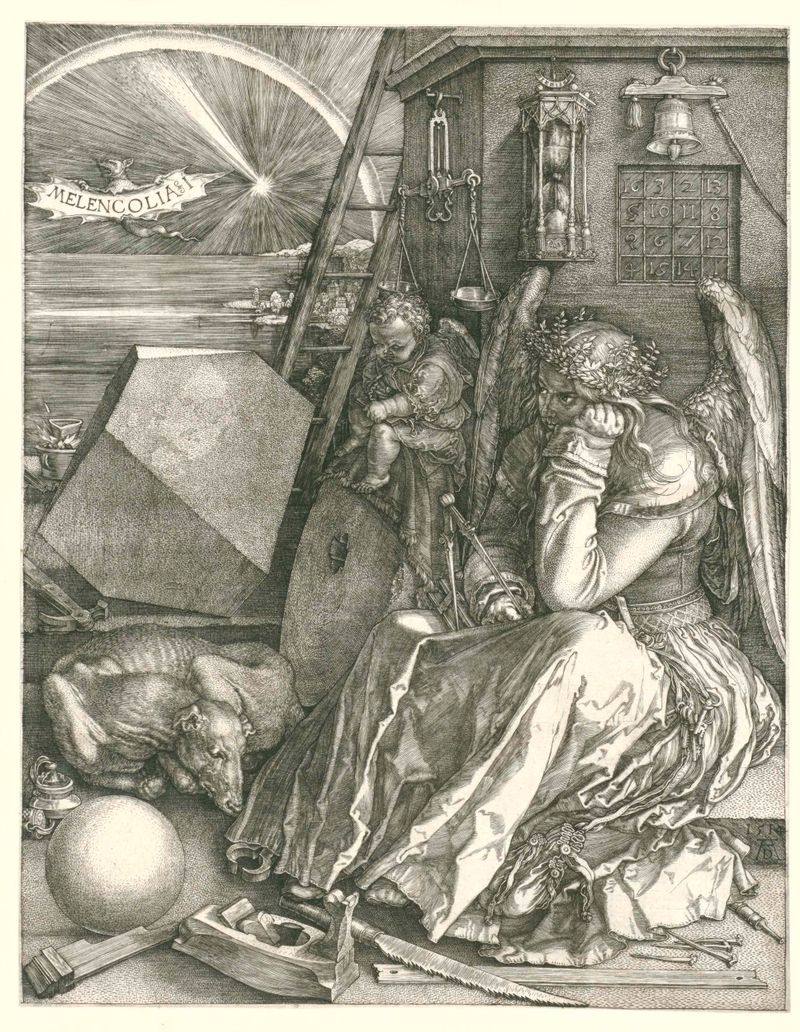
Melancholia
Albrecht Dürer
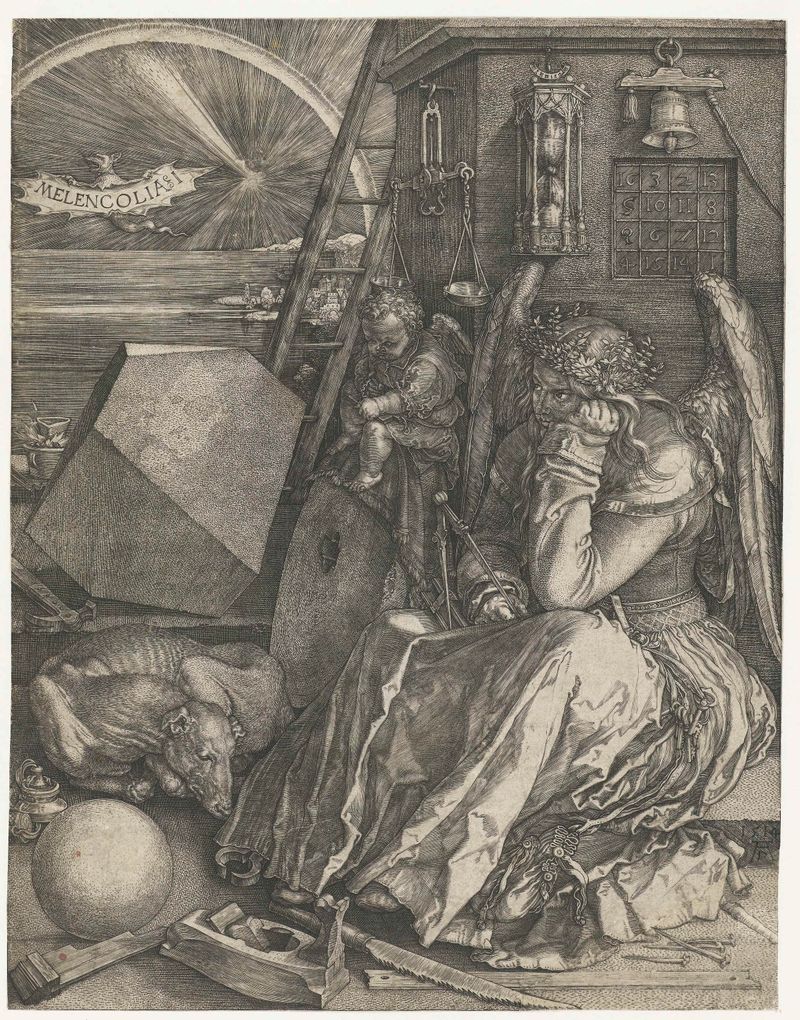
Melancholie
Albrecht Dürer

Neushoorn
Albrecht Dürer
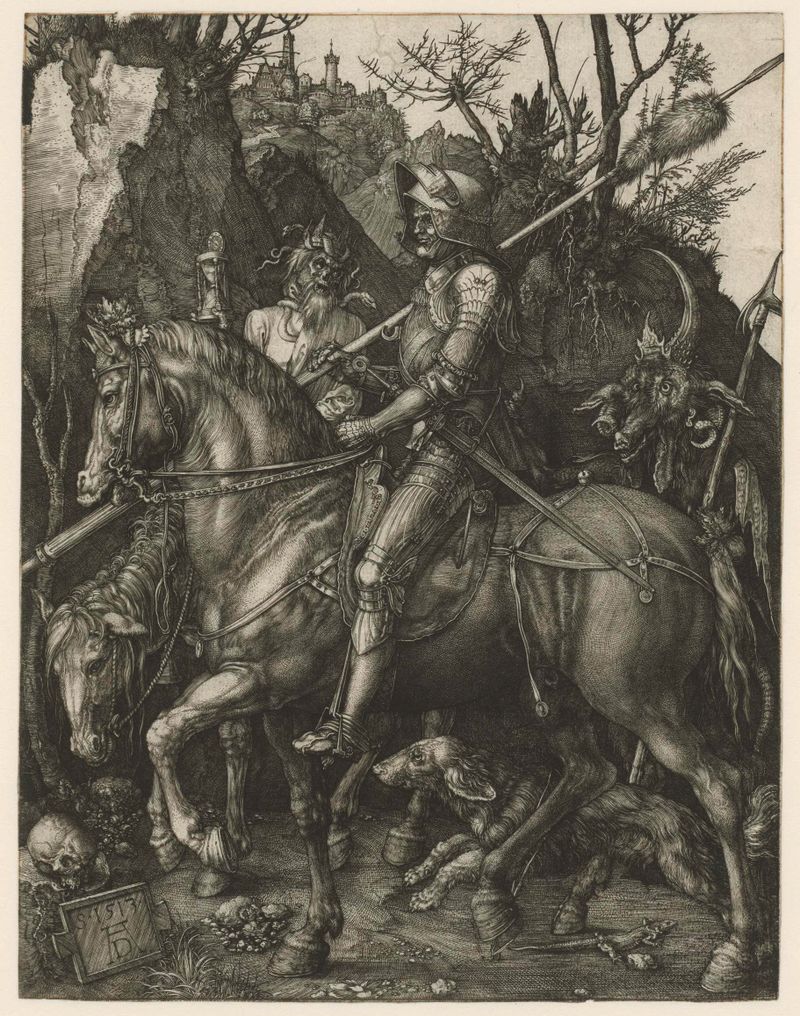
Knight, Death, and the Devil
Albrecht Dürer

De vier ruiters van de apocalyps
Albrecht Dürer

De vier ruiters van de apocalyps
Albrecht Dürer
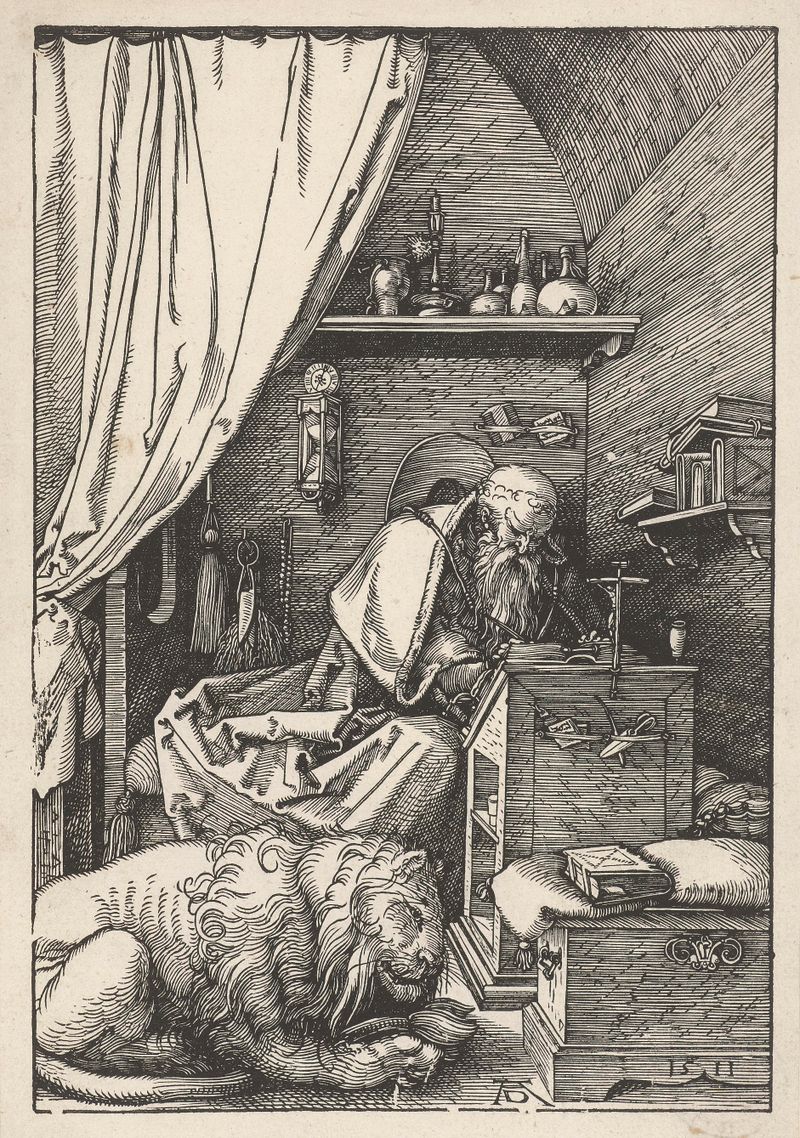
De Heilige Hiëronymus in zijn studeervertrek
Albrecht Dürer
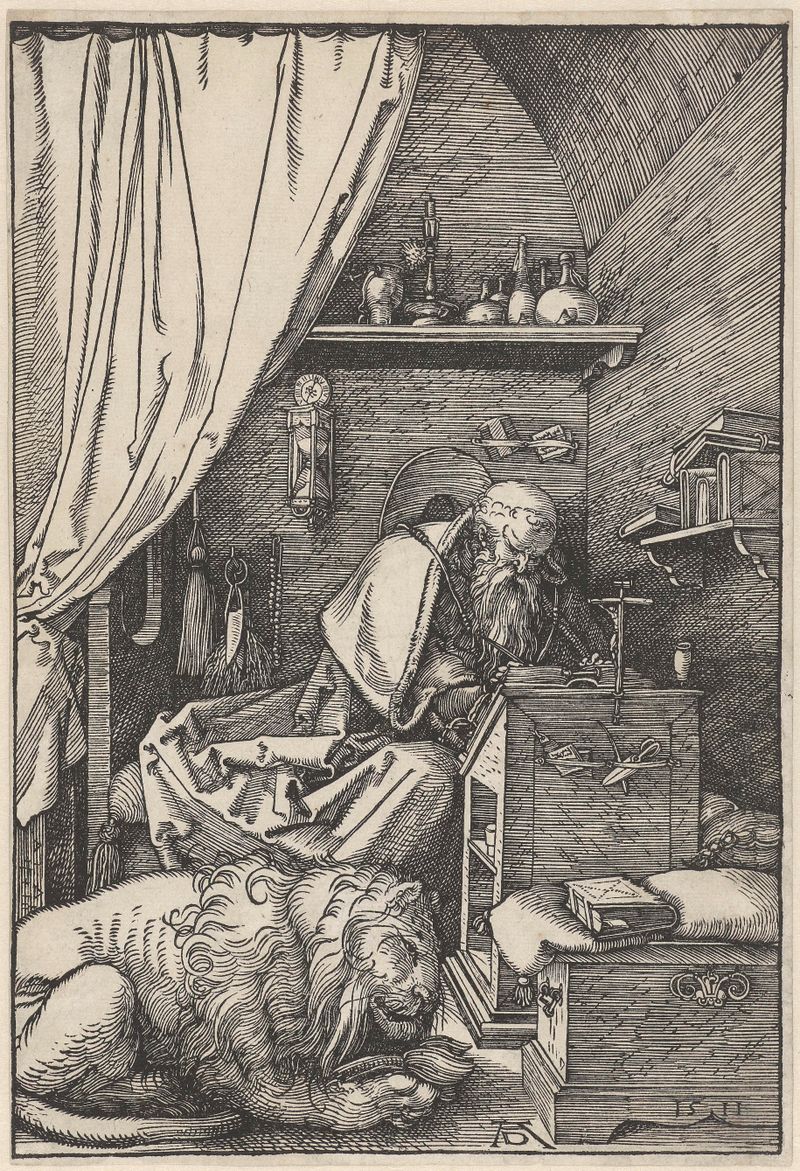
De Heilige Hiëronymus in zijn studeervertrek
Albrecht Dürer
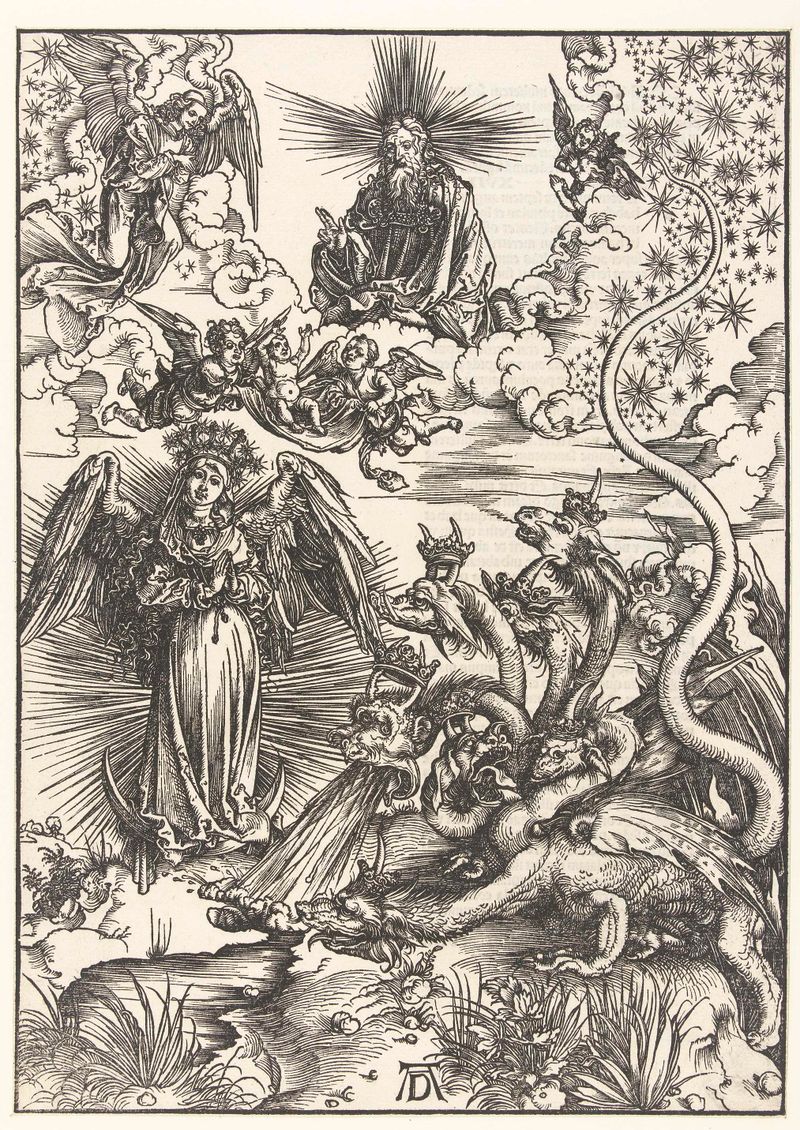
De apocalyptische vrouw en de zevenkoppige draak
Albrecht Dürer
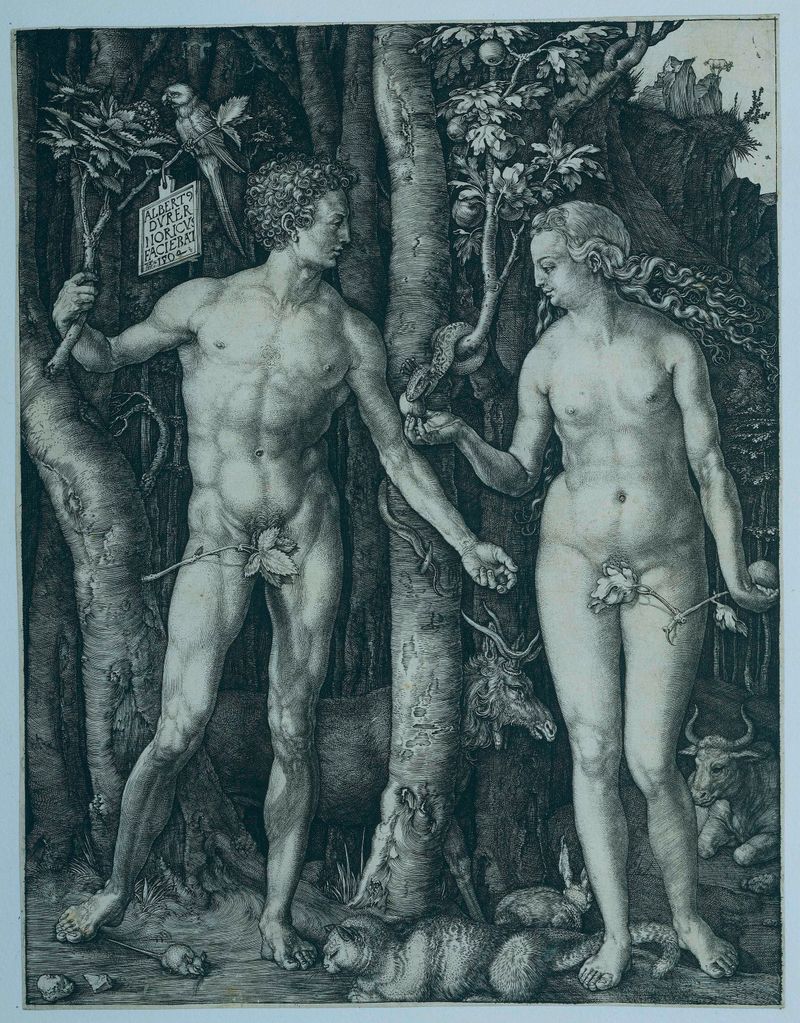
Adam en Eva
Albrecht Dürer
More Religious Art
Browse all →
The Return of the Prodigal Son
Rembrandt van Rijn

The Garden of Earthly Delights
El Bosco

Count Orgaz’ funeral
El Greco

The Hundred Guilder Print: the central piece with Christ preaching, the plate arched
Rembrandt van Rijn

The Descent from the Cross
Rogier van der Weyden

The return of the prodigal son
Rembrandt van Rijn