
Christus aan het volk getoond (Ecce homo) — History & Facts
In the hands of a master, light transforms memory into a vivid imprint on the canvas, capturing moments that might otherwise fade away. Look to the figure at the center of the composition, a solemn Christ standing before a crowd with outstretched arms. The interplay of light accentuates the divine aura surrounding him, radiating from his illuminated face that contrasts sharply against the darker, ambiguous figures in the background. Notice how Dürer employs intricate line work and a muted palette, allowing the light to act as a silent narrative device, guiding the viewer’s eye and evoking a sense of reverence. Delve deeper into the expressions of the onlookers, their faces a tapestry of confusion, awe, and skepticism.
The emotional tension between Christ’s calm demeanor and the crowd's varied reactions unravels a rich commentary on faith, authority, and human nature. Further, the delicate interplay of light and shadow serves to highlight the struggle between enlightenment and ignorance—between what the figures choose to see and what they remain blind to. In 1509, Dürer created this piece during a period of personal and artistic exploration in Nuremberg. Having returned from Italy, he was integrating the influences of Renaissance ideals while grappling with the complex spiritual themes of his time.
This artwork exemplifies his mastery in marrying meticulous technique with profound philosophical inquiries, marking a significant moment in the evolution of Northern European art.
More Artworks by Albrecht Dürer
Browse all →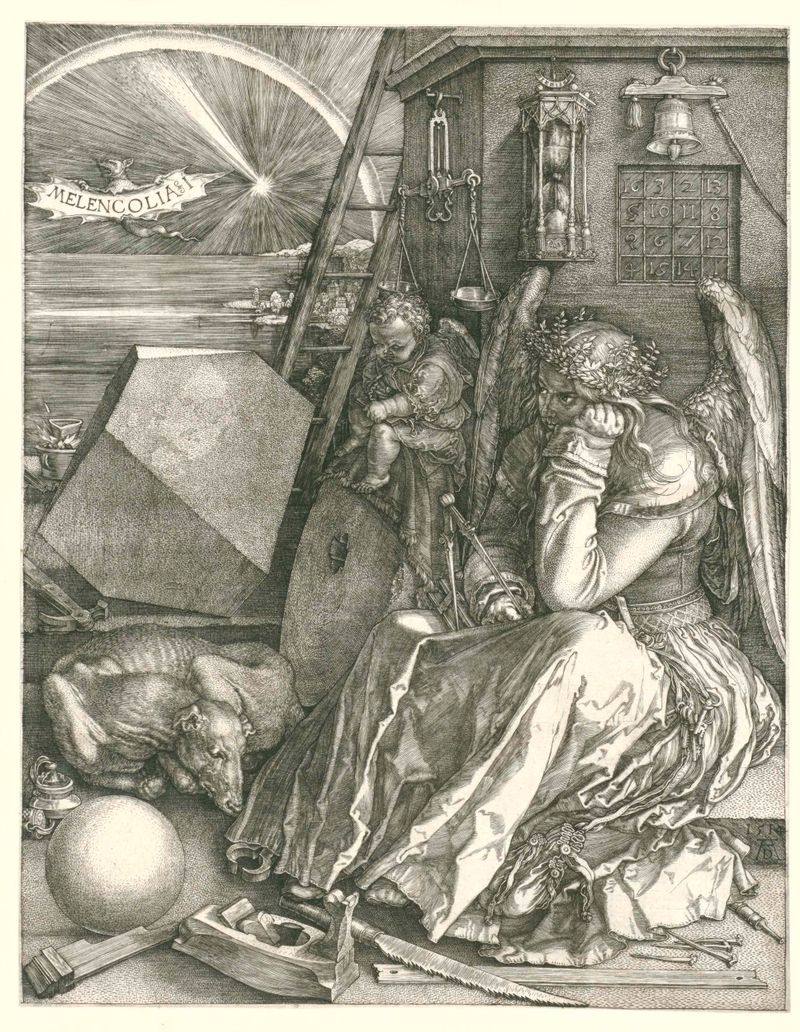
Melancholia
Albrecht Dürer
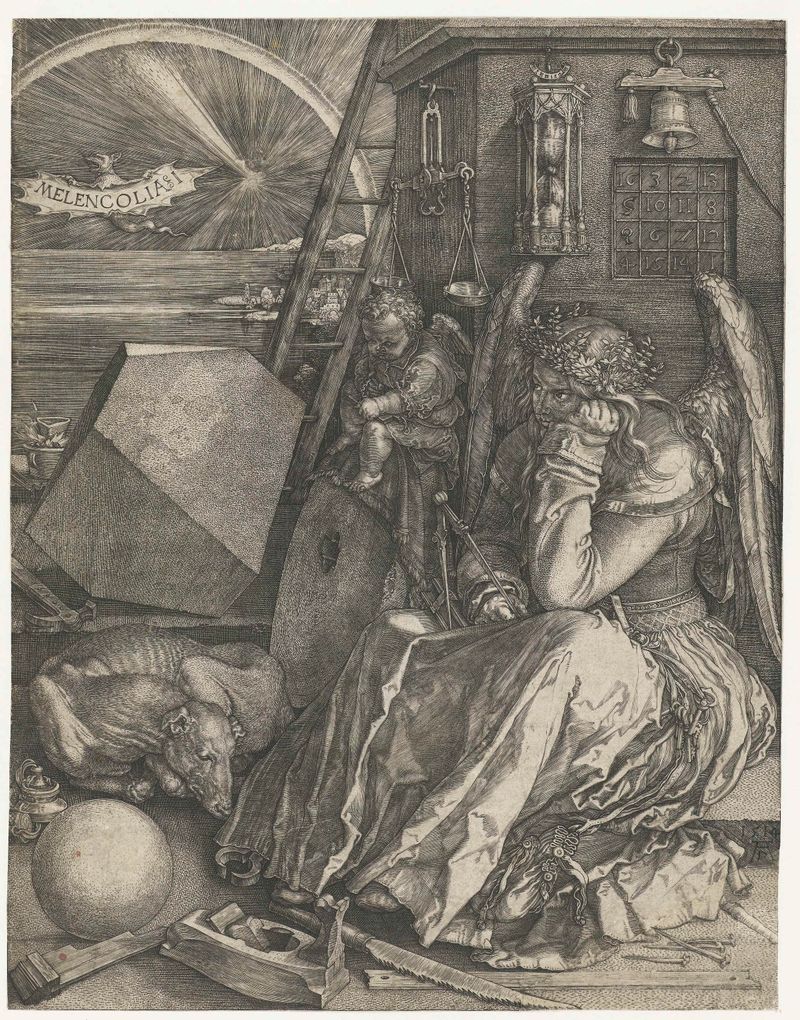
Melancholie
Albrecht Dürer

Neushoorn
Albrecht Dürer
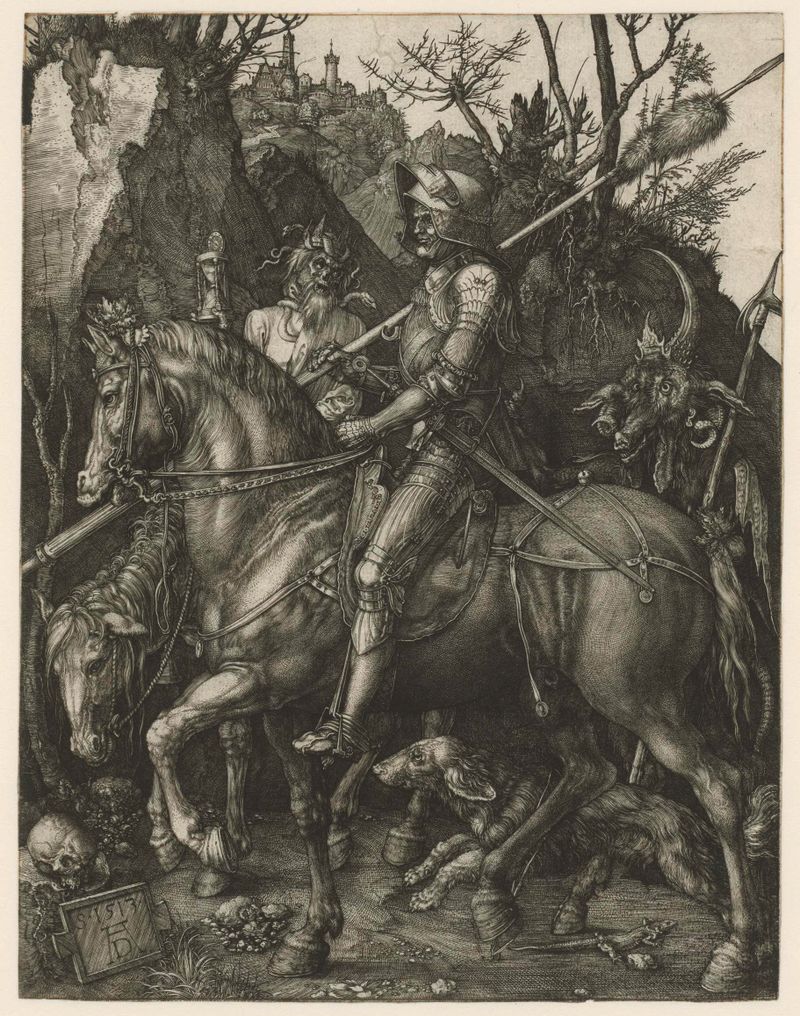
Knight, Death, and the Devil
Albrecht Dürer

De vier ruiters van de apocalyps
Albrecht Dürer

De vier ruiters van de apocalyps
Albrecht Dürer
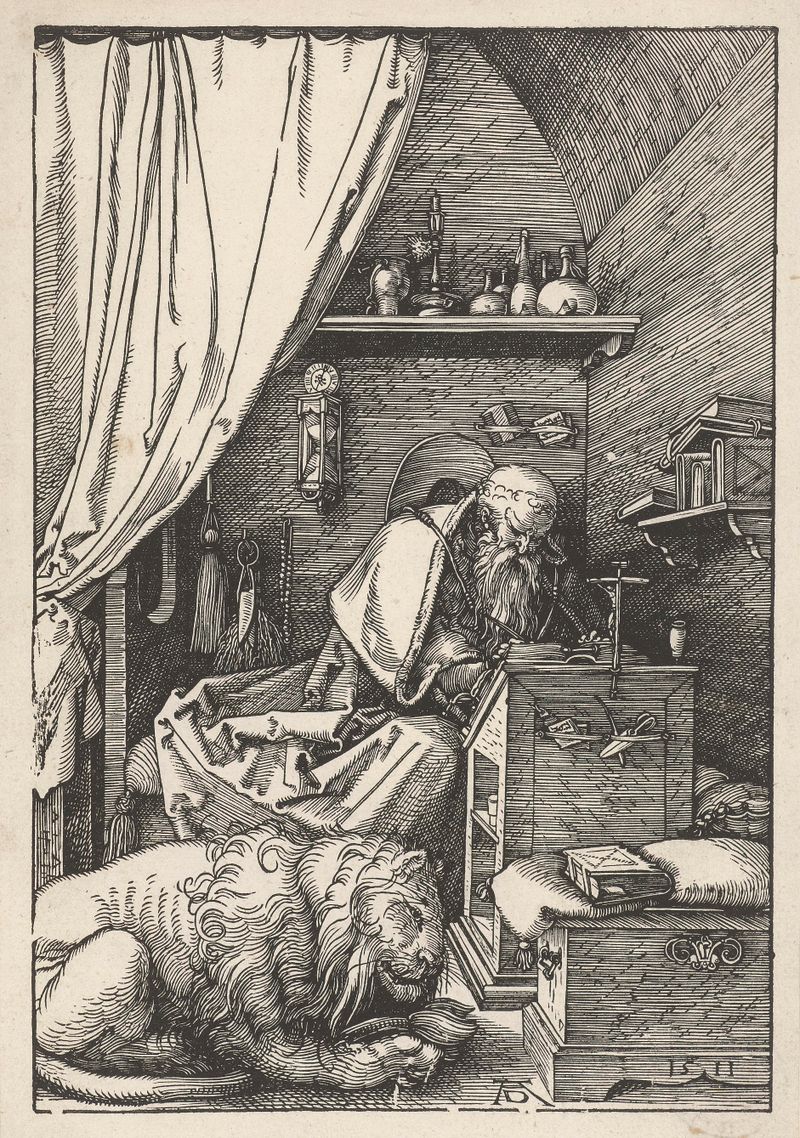
De Heilige Hiëronymus in zijn studeervertrek
Albrecht Dürer
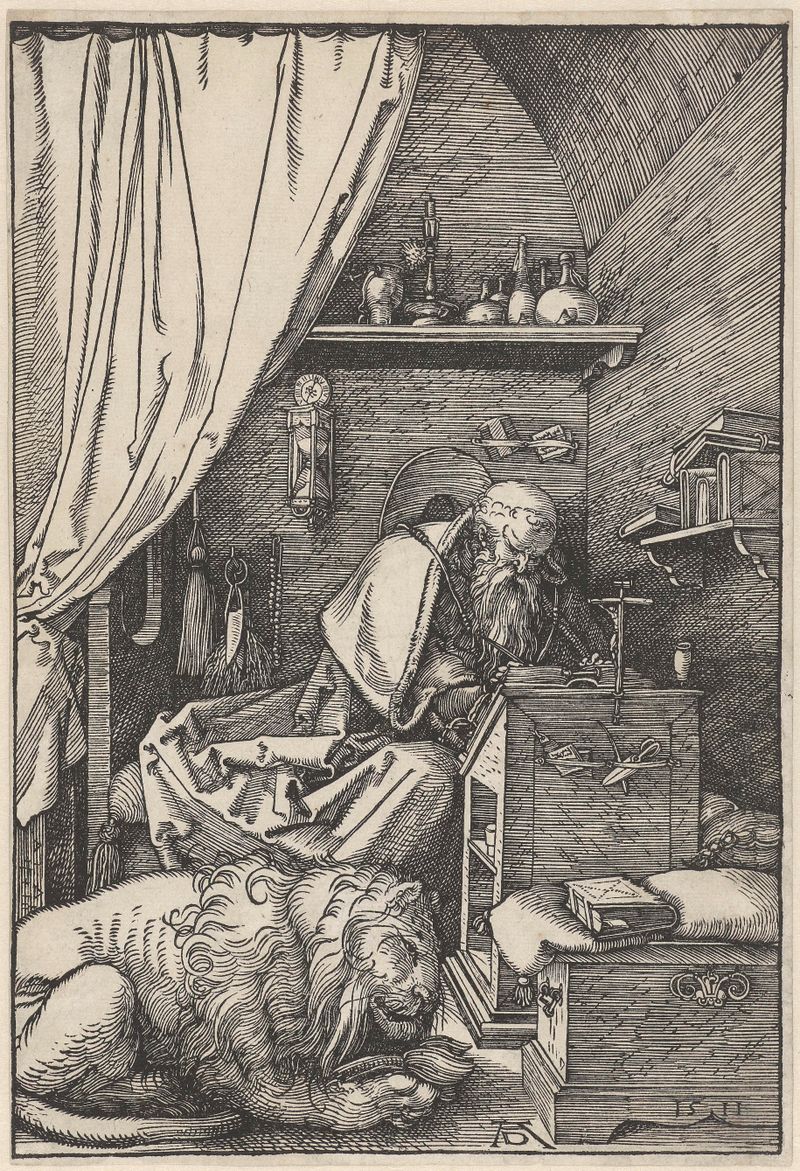
De Heilige Hiëronymus in zijn studeervertrek
Albrecht Dürer
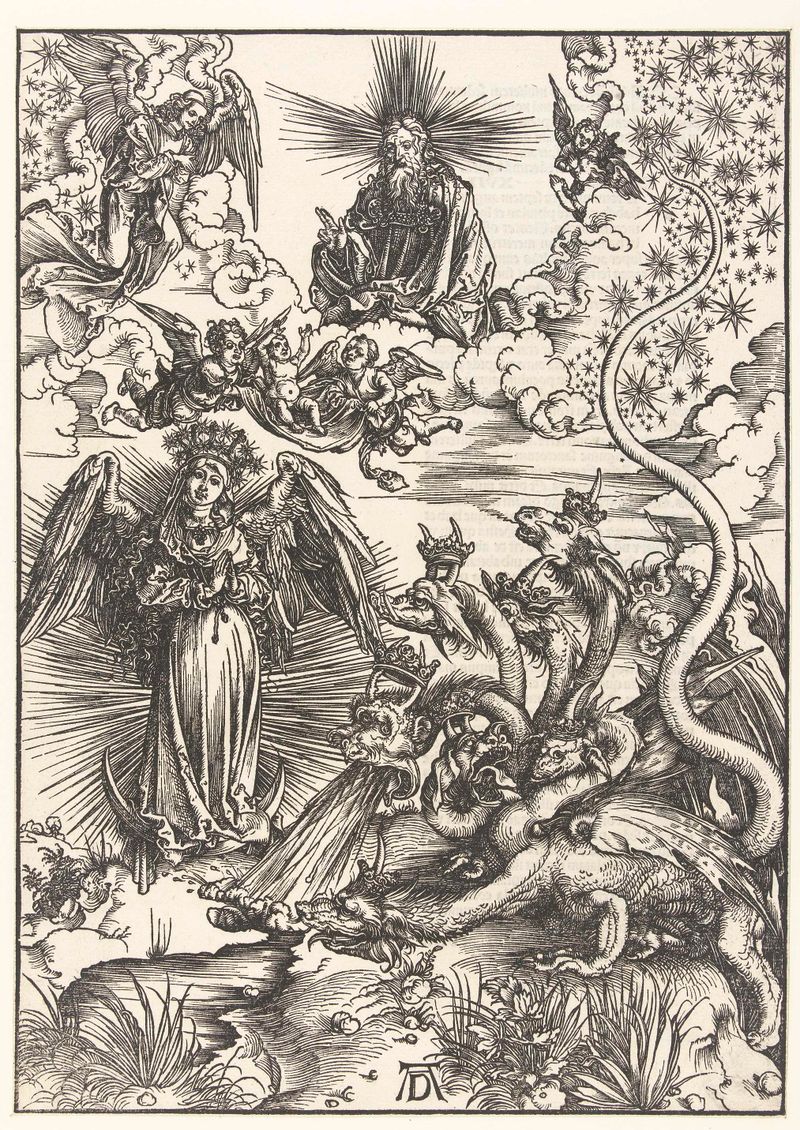
De apocalyptische vrouw en de zevenkoppige draak
Albrecht Dürer
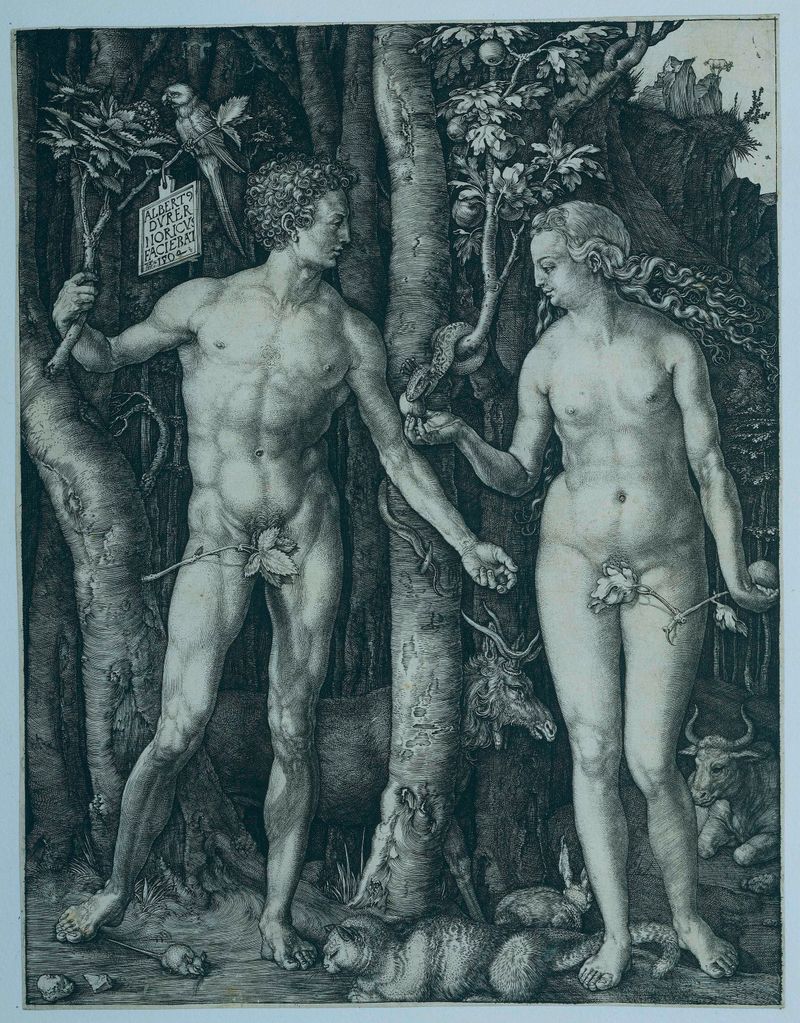
Adam en Eva
Albrecht Dürer
More Religious Art
Browse all →
The Return of the Prodigal Son
Rembrandt van Rijn

The Garden of Earthly Delights
El Bosco

Count Orgaz’ funeral
El Greco

The Hundred Guilder Print: the central piece with Christ preaching, the plate arched
Rembrandt van Rijn

The Descent from the Cross
Rogier van der Weyden

The return of the prodigal son
Rembrandt van Rijn