
Christus als Man van Smarten, met gebonden handen — History & Facts
What if silence could speak through light? In Christus als Man van Smarten, met gebonden handen, the artist captures the weight of destiny, enveloping a moment fraught with profound tension. Look to the center of the composition, where the figure of Christ stands, bound and serene amidst a darkened background. Notice how the light cascades gently from above, illuminating his face and hands, creating a stark contrast with the shadows that envelop his form. The warm tones of his skin and the subtle use of color in the fabric of his garments draw the viewer's eye while simultaneously evoking a sense of vulnerability and strength. Delve deeper into the expressive details that reveal layers of meaning.
The binding of Christ's hands suggests restraint, yet his posture speaks of acceptance and resignation to fate. The sorrow etched on his face reflects a haunting awareness of the suffering to come, inviting the viewer to ponder themes of sacrifice and redemption. The interplay of light and shadow not only emphasizes the emotional gravity of the scene but also evokes a sense of divine presence, silently guiding his destiny. Created in 1512, this piece emerged during a turbulent time for Dürer, who was grappling with his own identity within the Renaissance movement.
Residing in Nuremberg, he was influenced by changing artistic paradigms that sought to merge humanism with spiritual depth. As he navigated the shifting landscape of art, Christus als Man van Smarten, met gebonden handen stands as a testament to both his mastery and his deep engagement with the complexities of faith and human experience.
More Artworks by Albrecht Dürer
Browse all →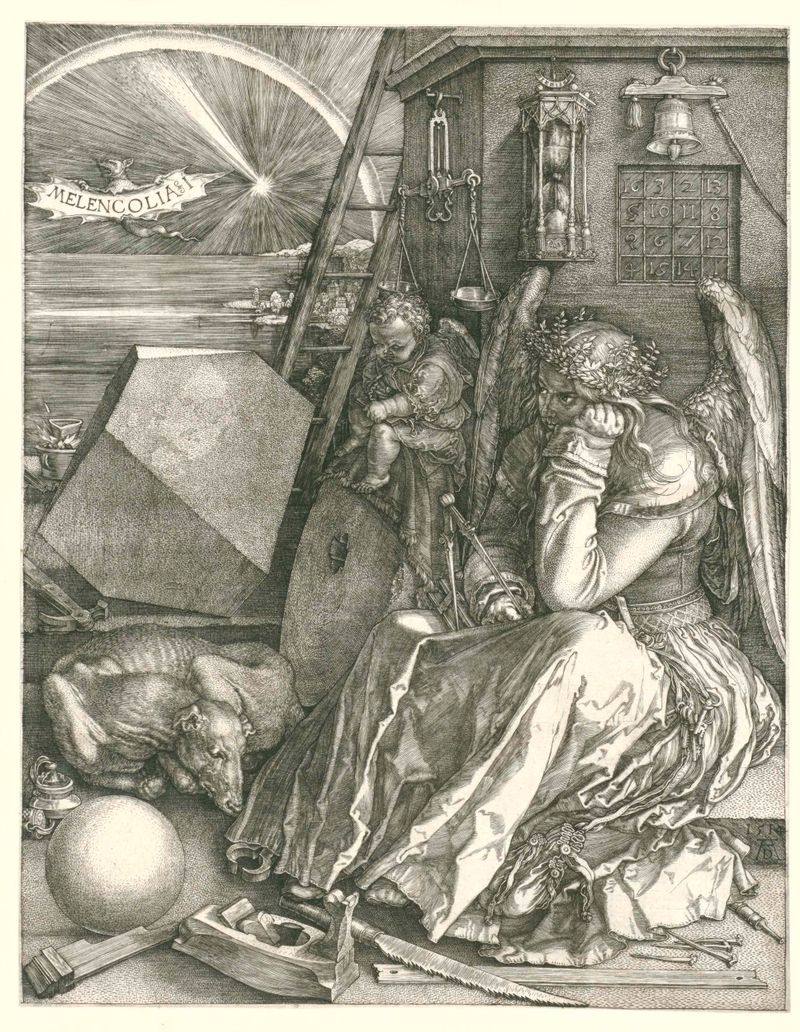
Melancholia
Albrecht Dürer
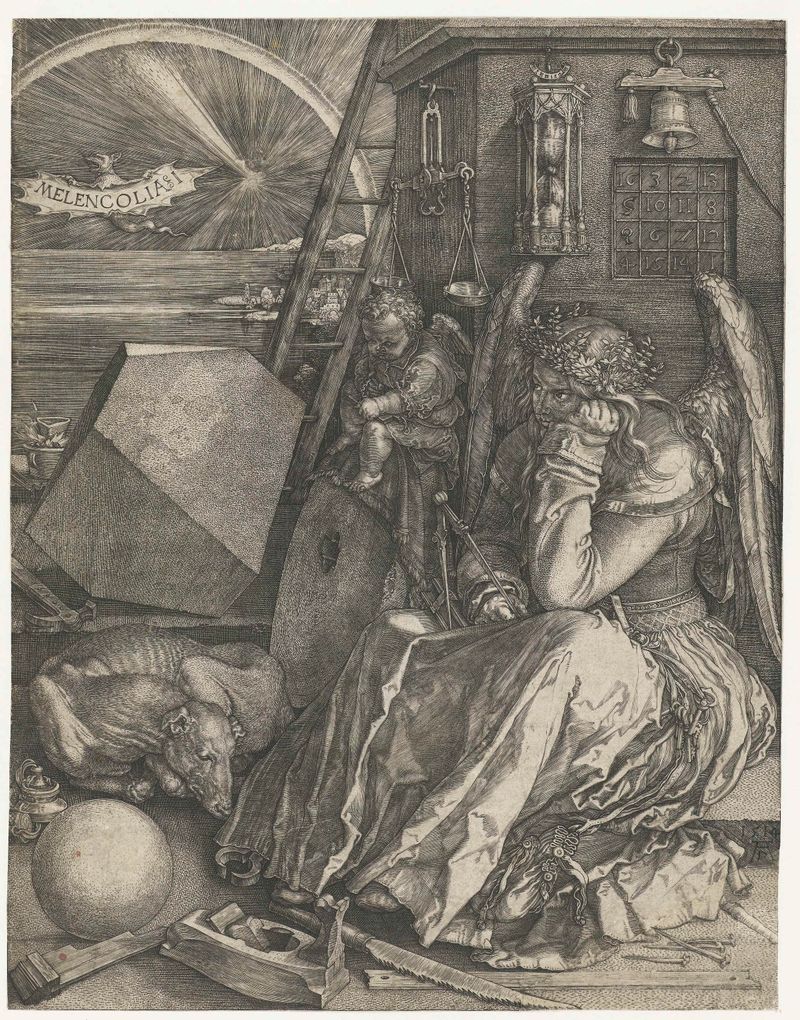
Melancholie
Albrecht Dürer
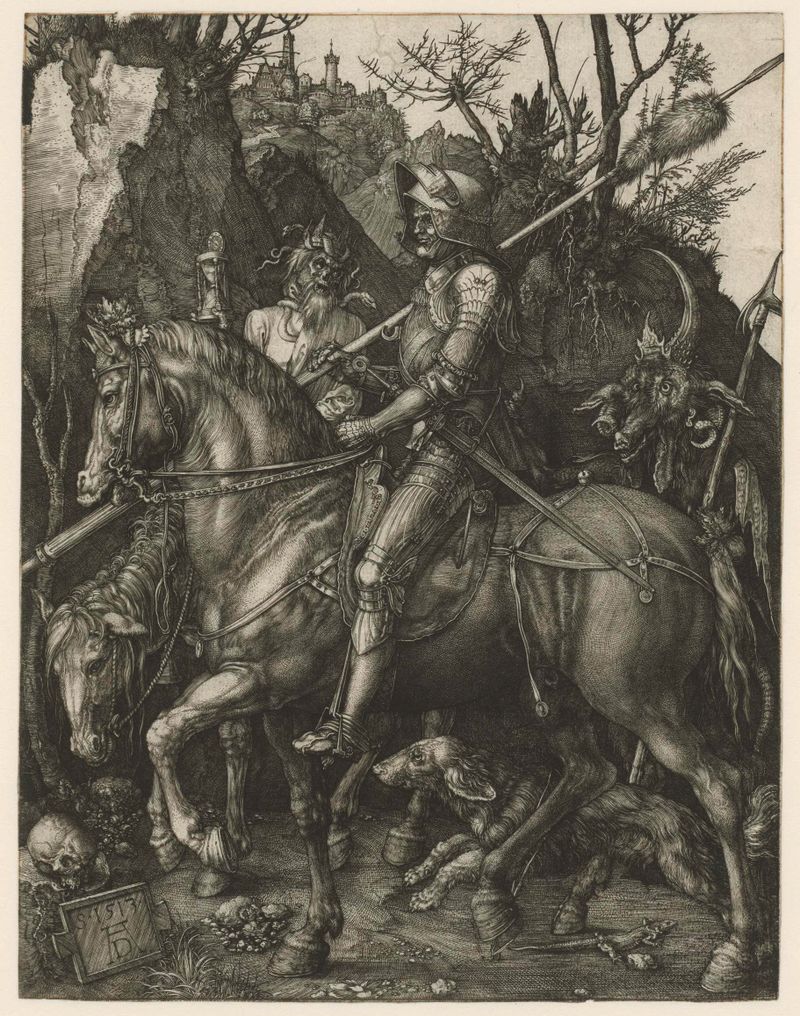
Knight, Death, and the Devil
Albrecht Dürer
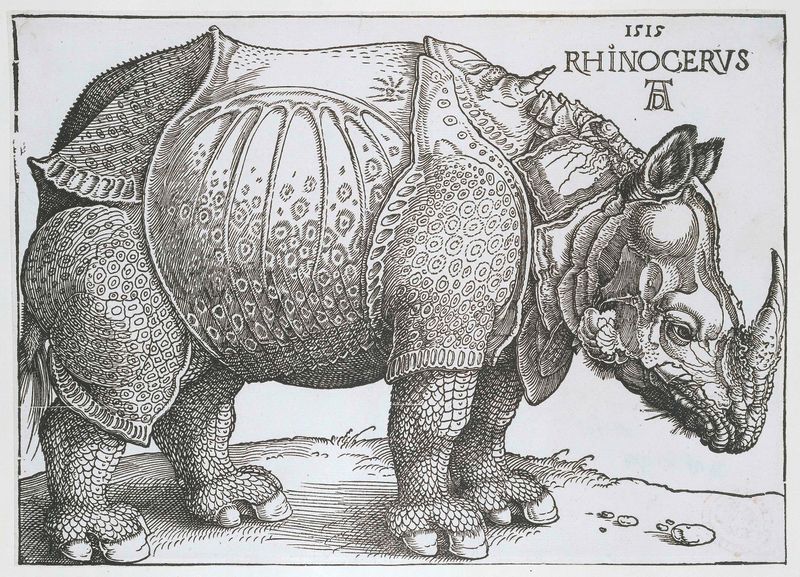
Neushoorn
Albrecht Dürer

De vier ruiters van de apocalyps
Albrecht Dürer

De vier ruiters van de apocalyps
Albrecht Dürer
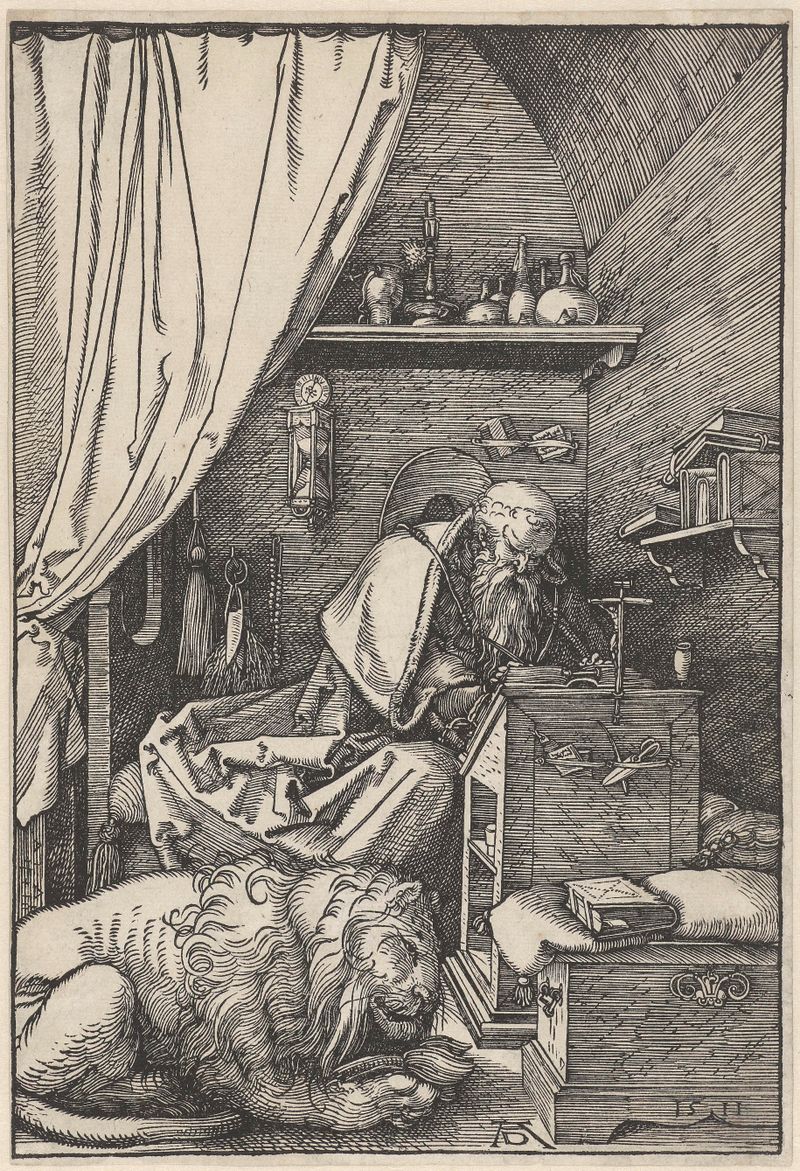
De Heilige Hiëronymus in zijn studeervertrek
Albrecht Dürer
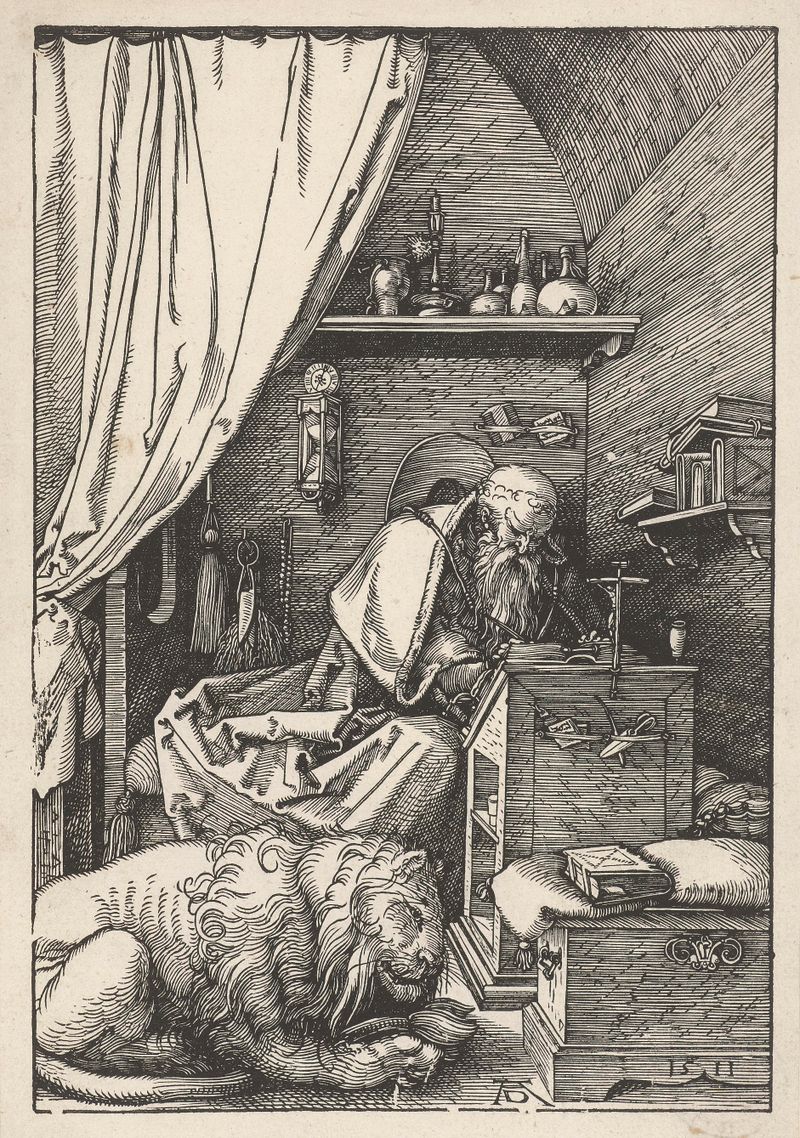
De Heilige Hiëronymus in zijn studeervertrek
Albrecht Dürer
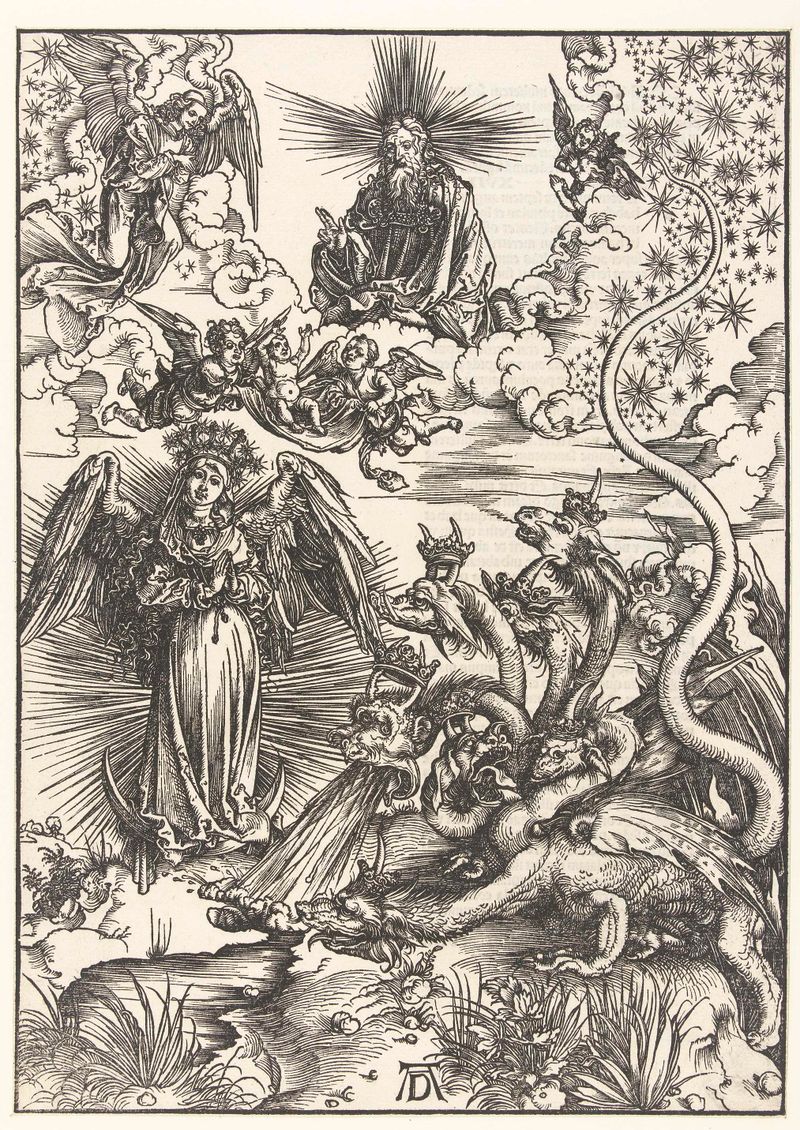
De apocalyptische vrouw en de zevenkoppige draak
Albrecht Dürer
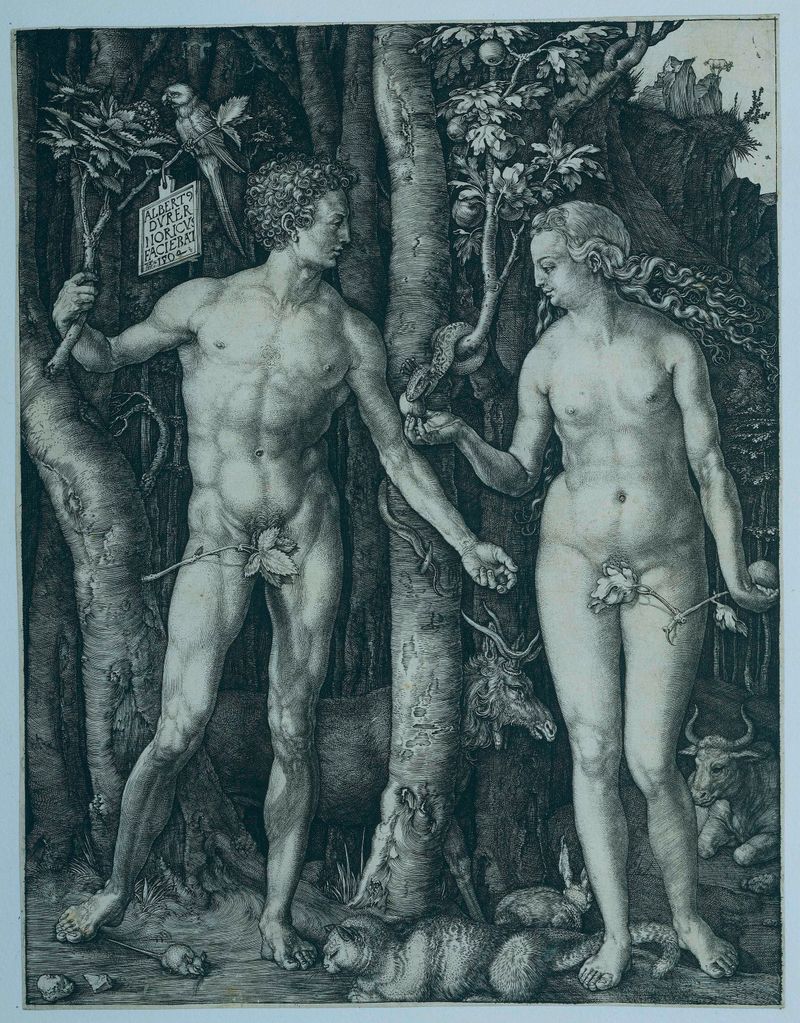
Adam en Eva
Albrecht Dürer
More Religious Art
Browse all →
The Return of the Prodigal Son
Rembrandt van Rijn

The Garden of Earthly Delights
El Bosco

Count Orgaz’ funeral
El Greco

The Hundred Guilder Print: the central piece with Christ preaching, the plate arched
Rembrandt van Rijn

The Descent from the Cross
Rogier van der Weyden

The return of the prodigal son
Rembrandt van Rijn