
Christus als Man van Smarten, met geheven handen — History & Facts
What secret hides in the quiet of the canvas? In Christus als Man van Smarten, met geheven handen, the tension is palpable, a stillness that speaks to the heartache woven into the fabric of existence. Look to the center, where Christ’s hands are raised in agonized surrender, embodying both vulnerability and strength. The stark contrast of light and shadow reveals the contours of his face, accentuating a fragile beauty that evokes deep empathy. Surrounding him, the muted palette of browns and grays invites the viewer to linger in the somber atmosphere, while the delicate details of the drapery enhance the emotional weight of the scene.
Every brushstroke serves to amplify the profound stillness, drawing you deeper into his silent suffering. In this composition, the interplay of light and shadow does more than define form; it symbolizes the duality of human experience — despair intertwined with hope. The raised hands suggest an acceptance of fate, yet they also invoke the struggle against the darkness encroaching upon the light. The absence of any overt action allows the viewer to confront their own feelings about suffering, faith, and redemption, making the painting resonate on a profoundly personal level. During the late 15th and early 16th centuries, Dürer was immersed in a world of artistic fervor and spiritual inquiry.
He created this work between 1498 and 1502, a period marked by his exploration of human emotion and the complexities of religious themes. Situated in Nuremberg, where the Renaissance was burgeoning, Dürer was influenced by both the classical ideals of beauty and the emerging humanist philosophy, infusing his art with an unprecedented depth that continues to captivate audiences today.
More Artworks by Albrecht Dürer
Browse all →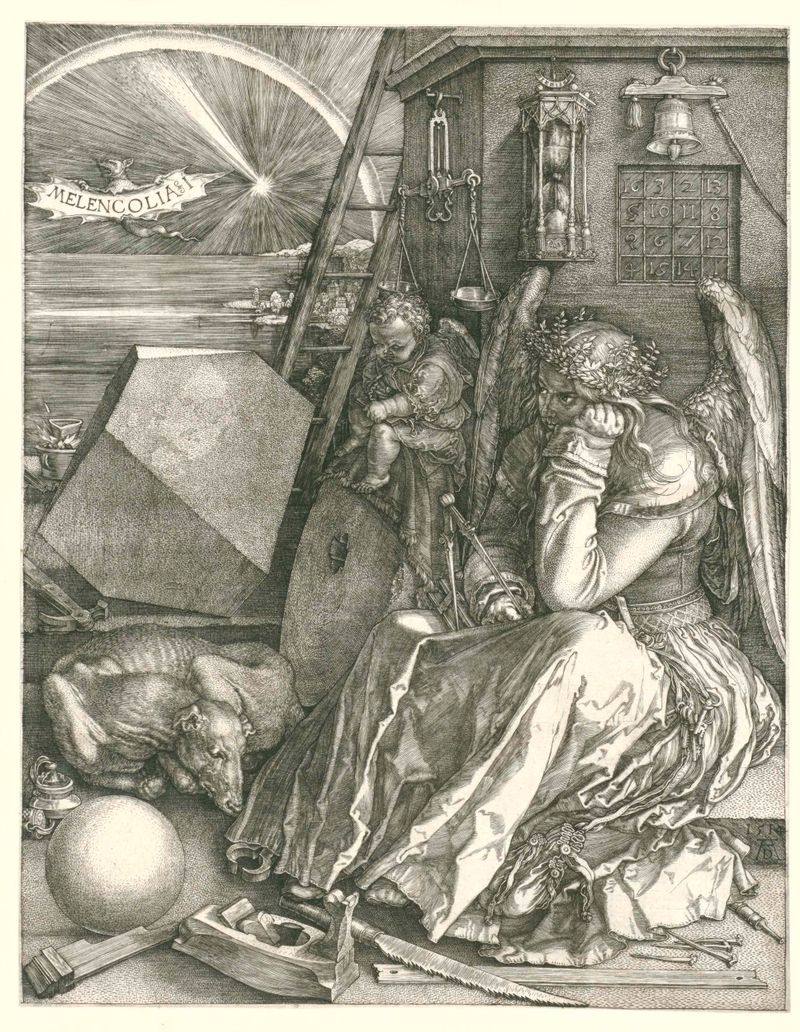
Melancholia
Albrecht Dürer
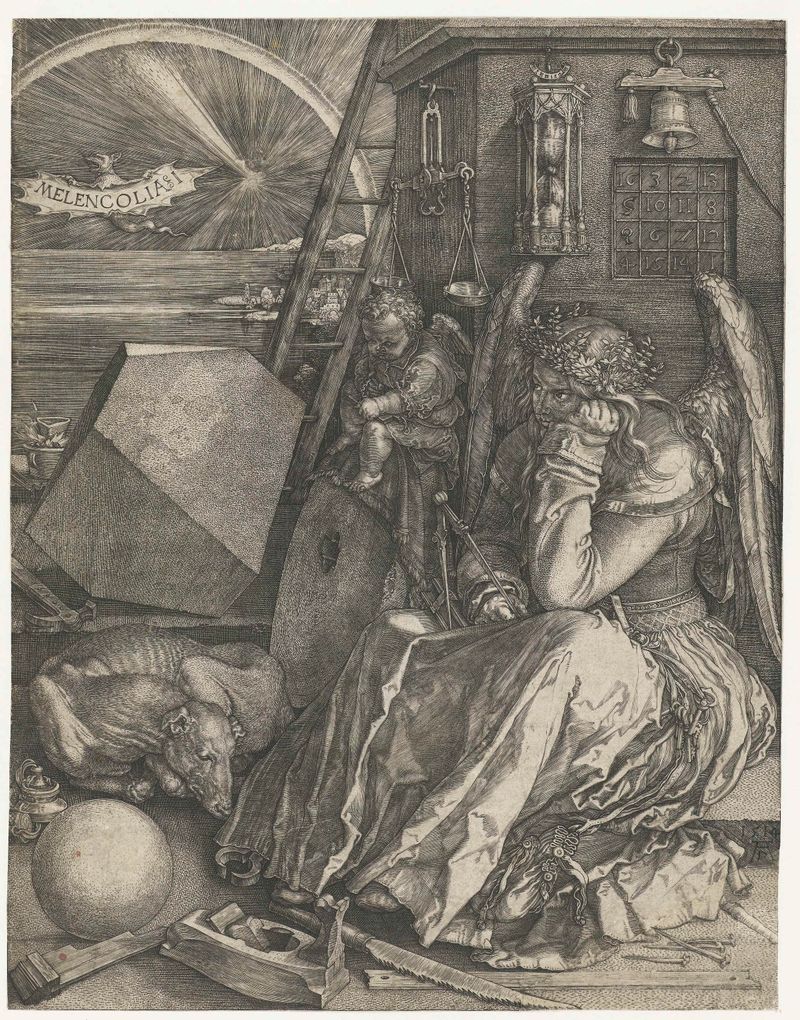
Melancholie
Albrecht Dürer

Neushoorn
Albrecht Dürer
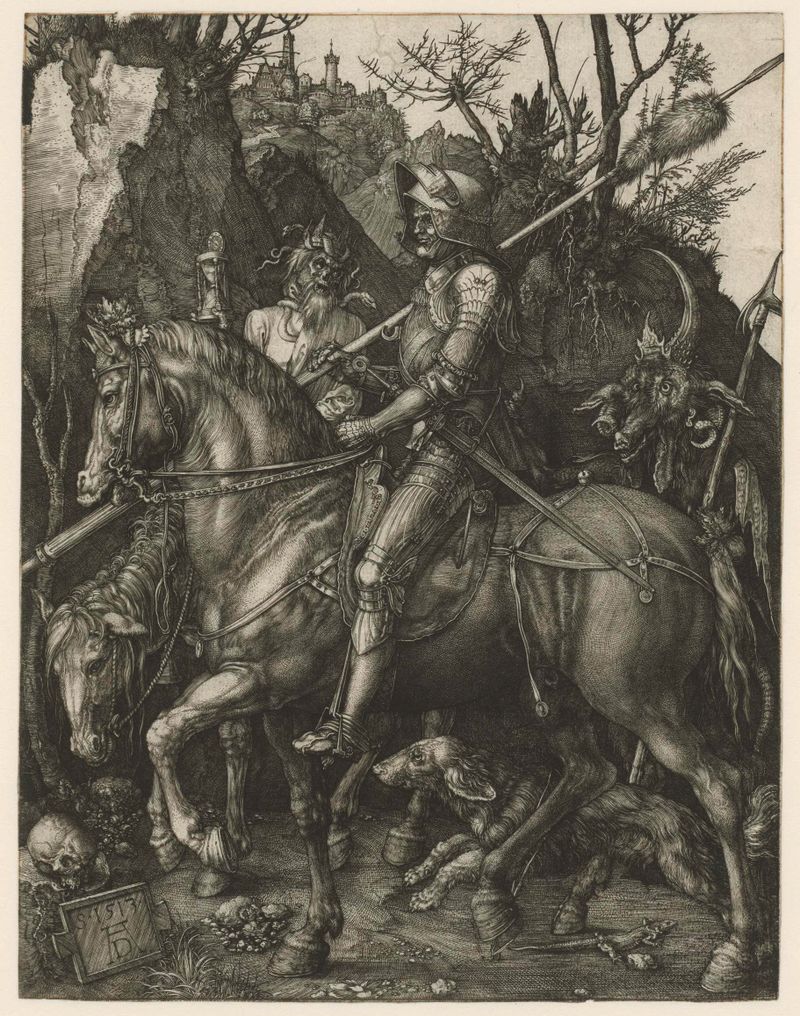
Knight, Death, and the Devil
Albrecht Dürer

De vier ruiters van de apocalyps
Albrecht Dürer

De vier ruiters van de apocalyps
Albrecht Dürer
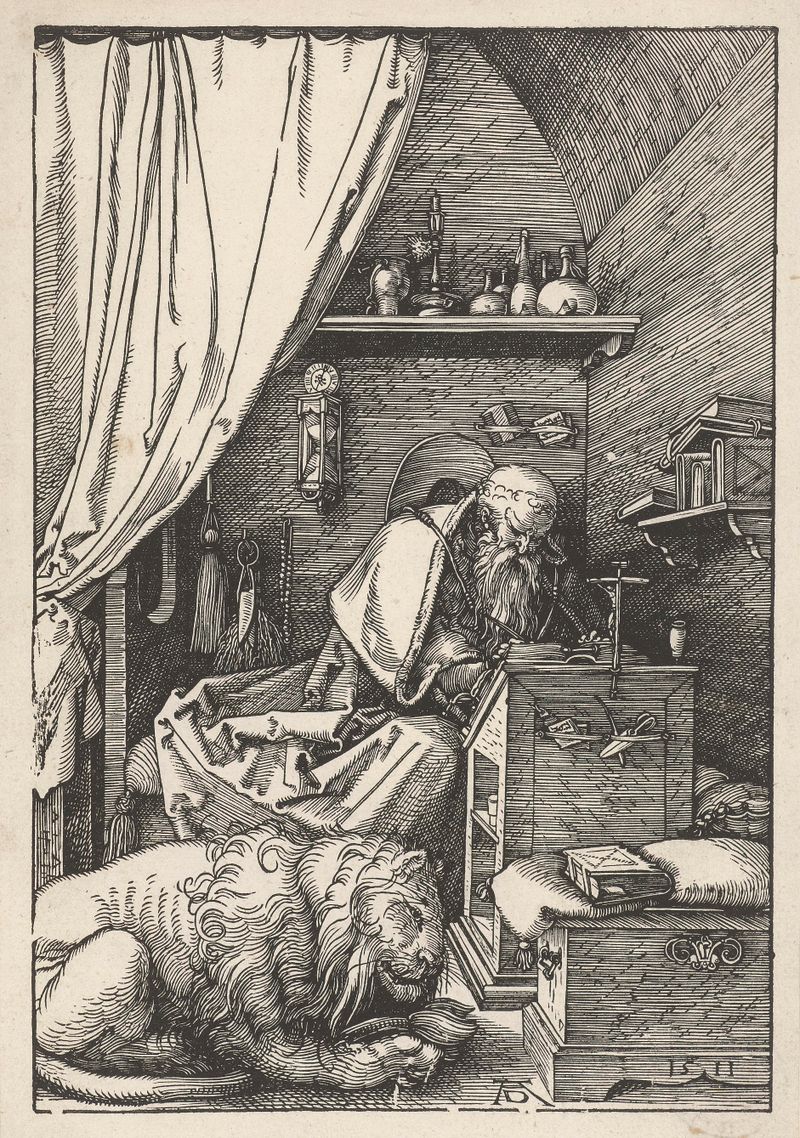
De Heilige Hiëronymus in zijn studeervertrek
Albrecht Dürer
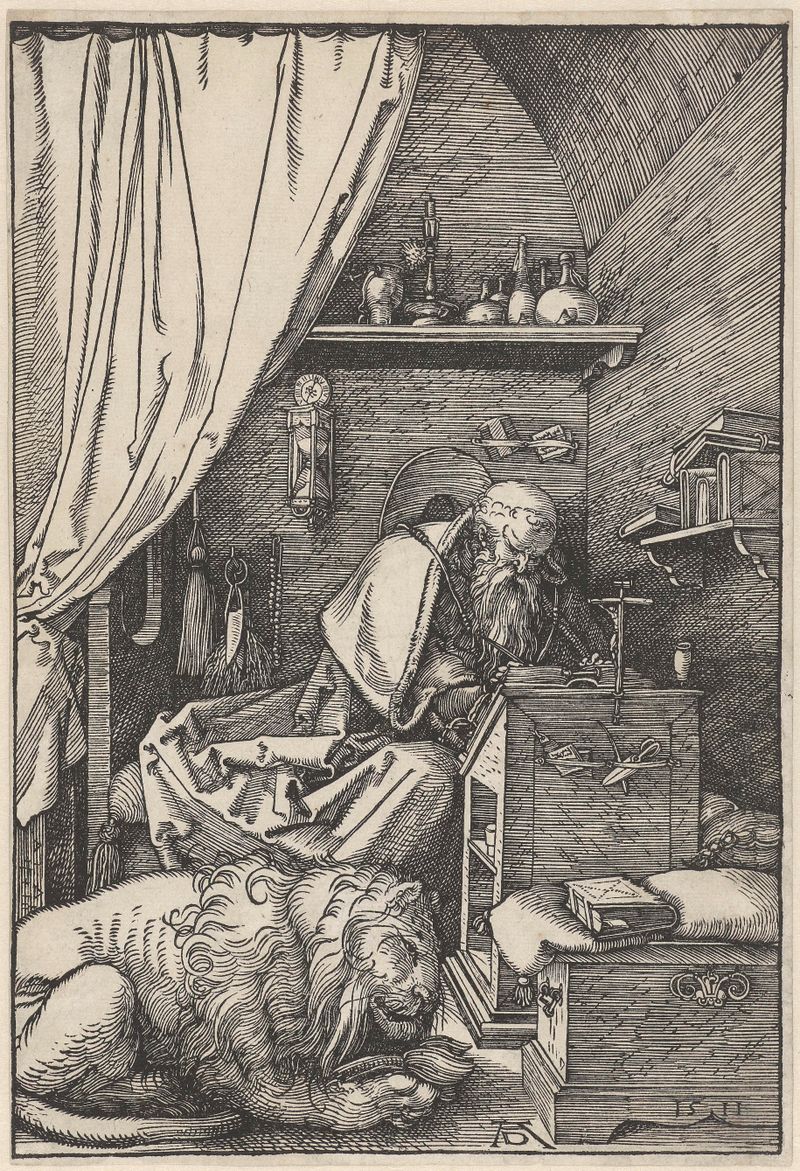
De Heilige Hiëronymus in zijn studeervertrek
Albrecht Dürer
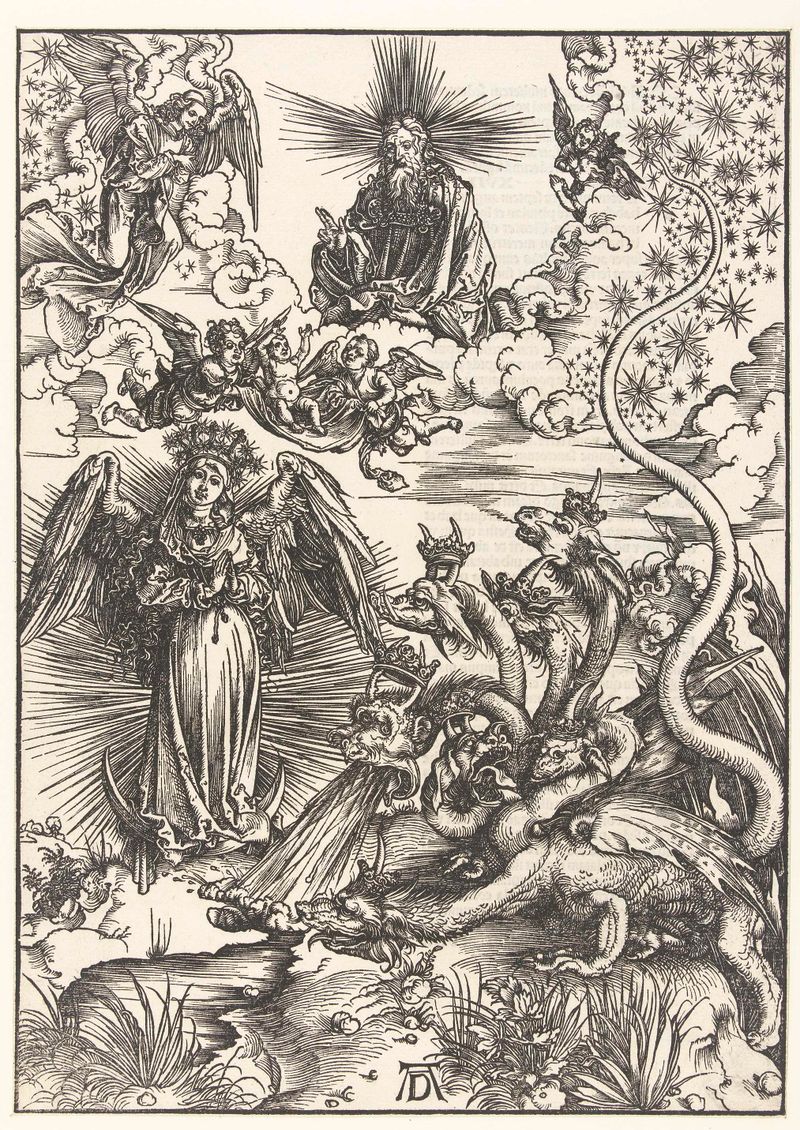
De apocalyptische vrouw en de zevenkoppige draak
Albrecht Dürer
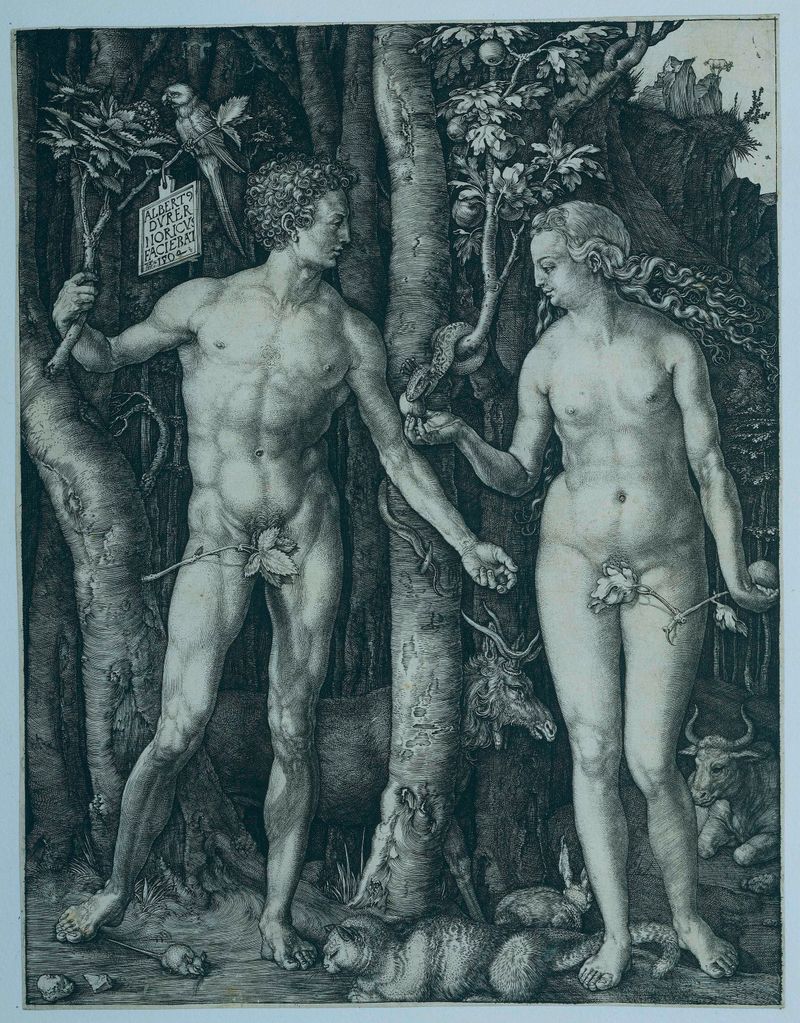
Adam en Eva
Albrecht Dürer
More Religious Art
Browse all →
The Return of the Prodigal Son
Rembrandt van Rijn

The Garden of Earthly Delights
El Bosco

Count Orgaz’ funeral
El Greco

The Hundred Guilder Print: the central piece with Christ preaching, the plate arched
Rembrandt van Rijn

The Descent from the Cross
Rogier van der Weyden

The return of the prodigal son
Rembrandt van Rijn