
Christus als Man van Smarten, zittend — History & Facts
In the stillness of art, a profound void beckons for contemplation, inviting the viewer to explore the depths of sorrow captured within its embrace. The interplay between absence and presence reveals an unspoken narrative that transcends time. Look to the center of the composition, where Christ is seated, his head bowed and expression heavy with contemplation. The delicate linework and soft shading draw your gaze, inviting you to notice how the light falls upon the contours of his sorrowful visage.
Dürer's masterful use of chiaroscuro enhances the emotional weight, creating a palpable tension that fills the space around the figure, while the muted palette reinforces the gravity of the moment. Within this stillness lies a tension between the ethereal and the corporeal. The intricate details of Christ’s garments contrast with the simplicity of his pose, illustrating the duality of suffering and dignity. The void surrounding him serves as a reminder of isolation, evoking the universal experience of grief.
Each brushstroke whispers of a deeper, spiritual inquiry, urging the viewer to confront their own reflections on pain and redemption. Dürer created this piece in 1515 amidst a transformative era in art and religion, as the Reformation began to shift the cultural landscape. Living in Nuremberg, his work reflected the growing interest in humanism and emotional depth, stirring the viewer's conscience in an age increasingly preoccupied with spiritual introspection. At this juncture, he was revisiting traditional religious themes through a lens that emphasized personal experience and vulnerability.
More Artworks by Albrecht Dürer
Browse all →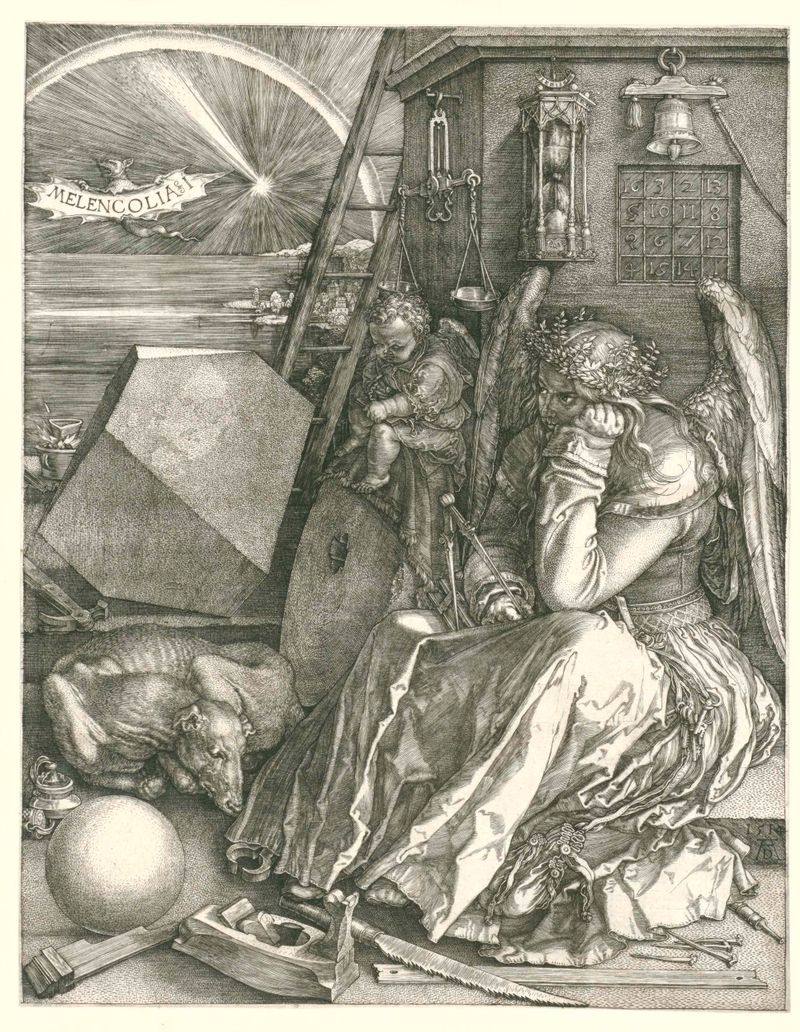
Melancholia
Albrecht Dürer
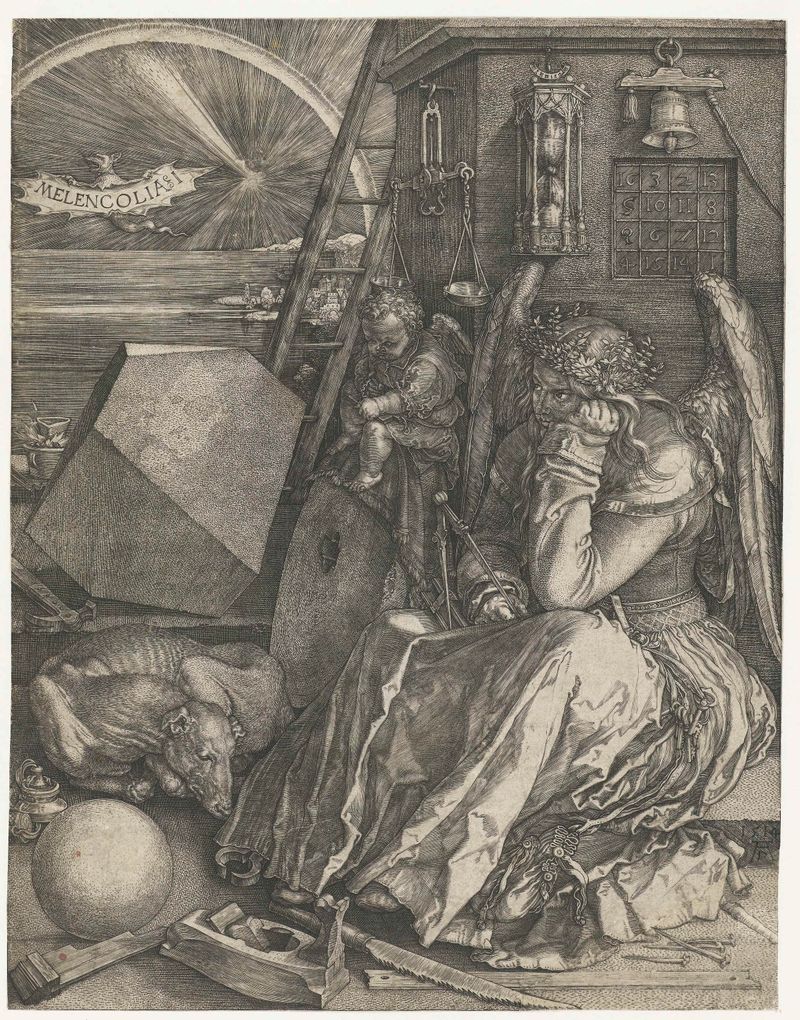
Melancholie
Albrecht Dürer
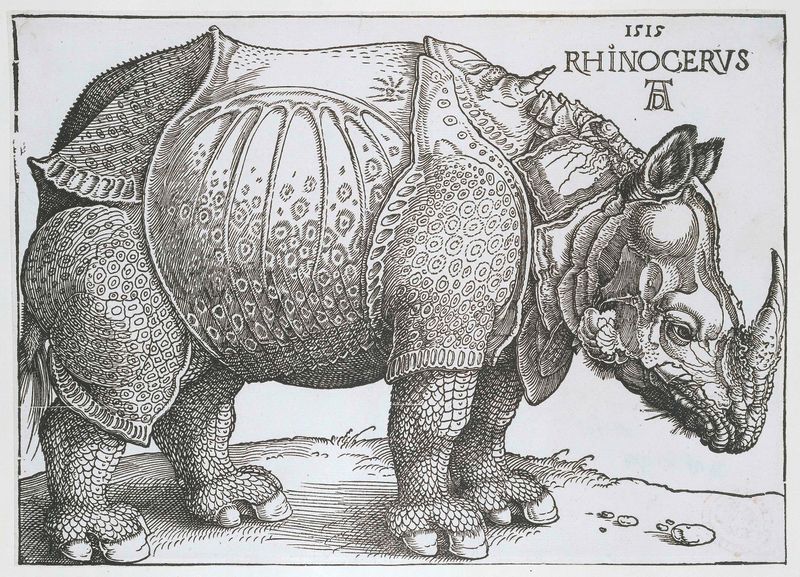
Neushoorn
Albrecht Dürer
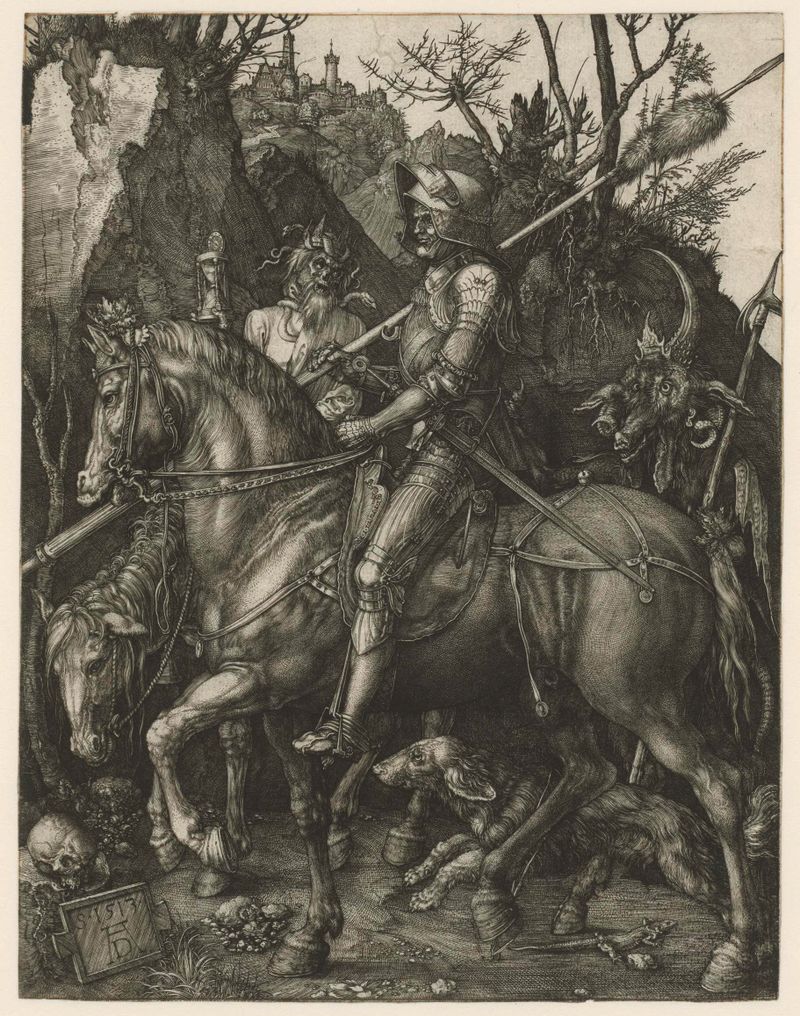
Knight, Death, and the Devil
Albrecht Dürer

De vier ruiters van de apocalyps
Albrecht Dürer

De vier ruiters van de apocalyps
Albrecht Dürer
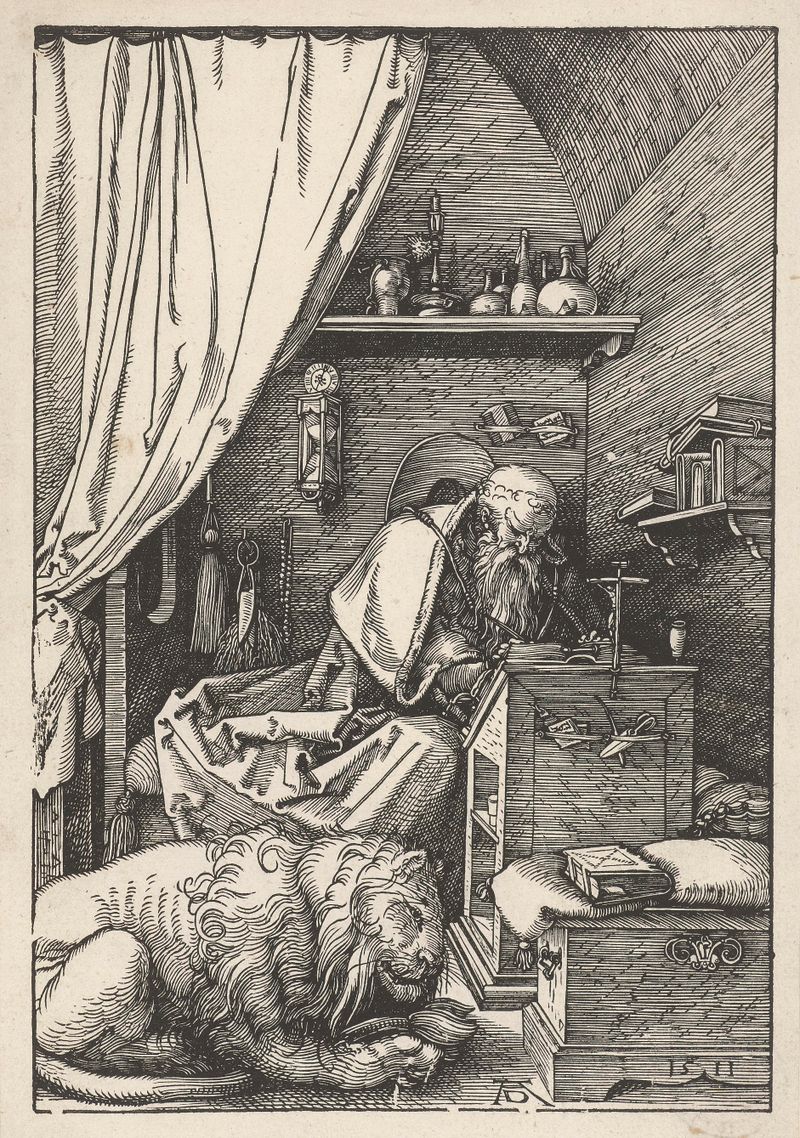
De Heilige Hiëronymus in zijn studeervertrek
Albrecht Dürer
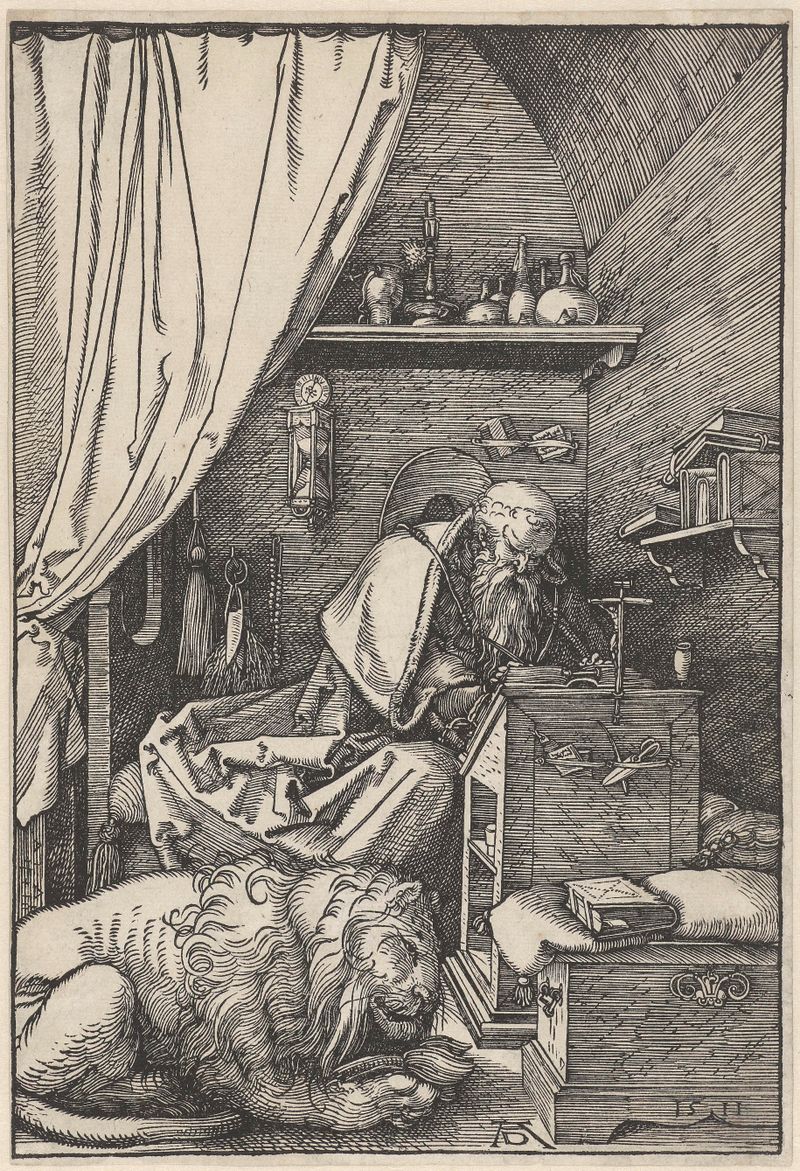
De Heilige Hiëronymus in zijn studeervertrek
Albrecht Dürer
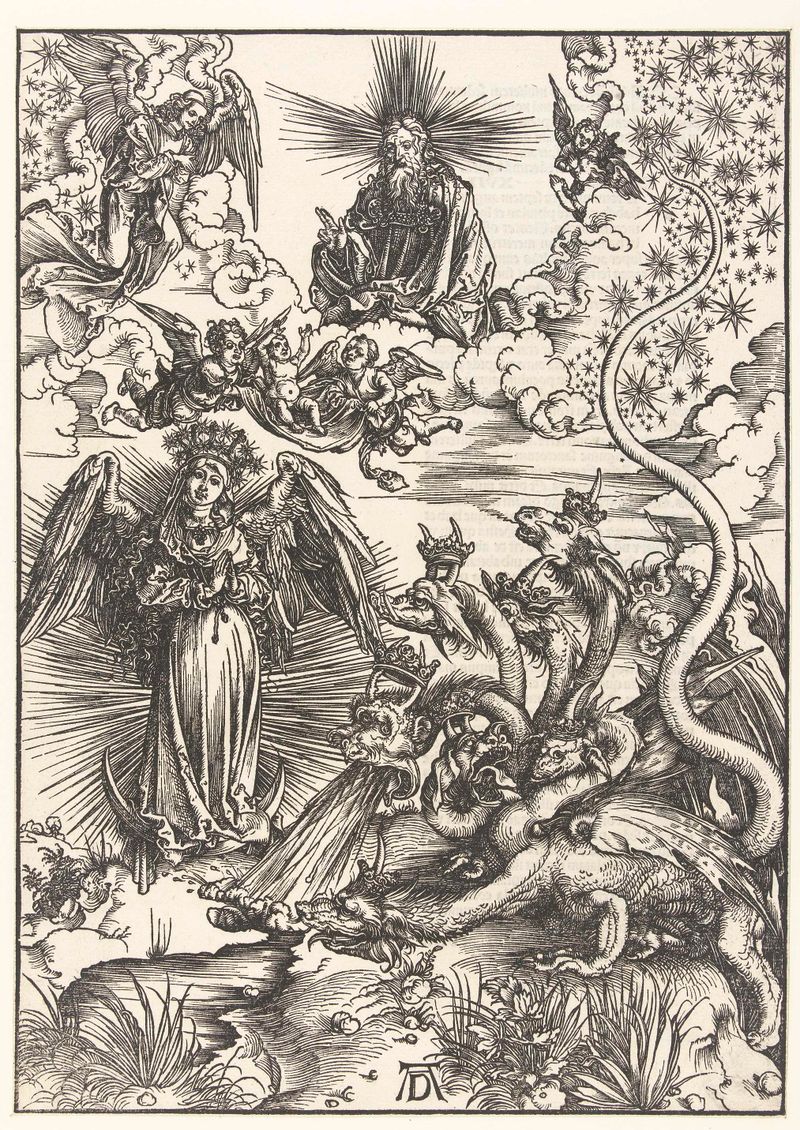
De apocalyptische vrouw en de zevenkoppige draak
Albrecht Dürer
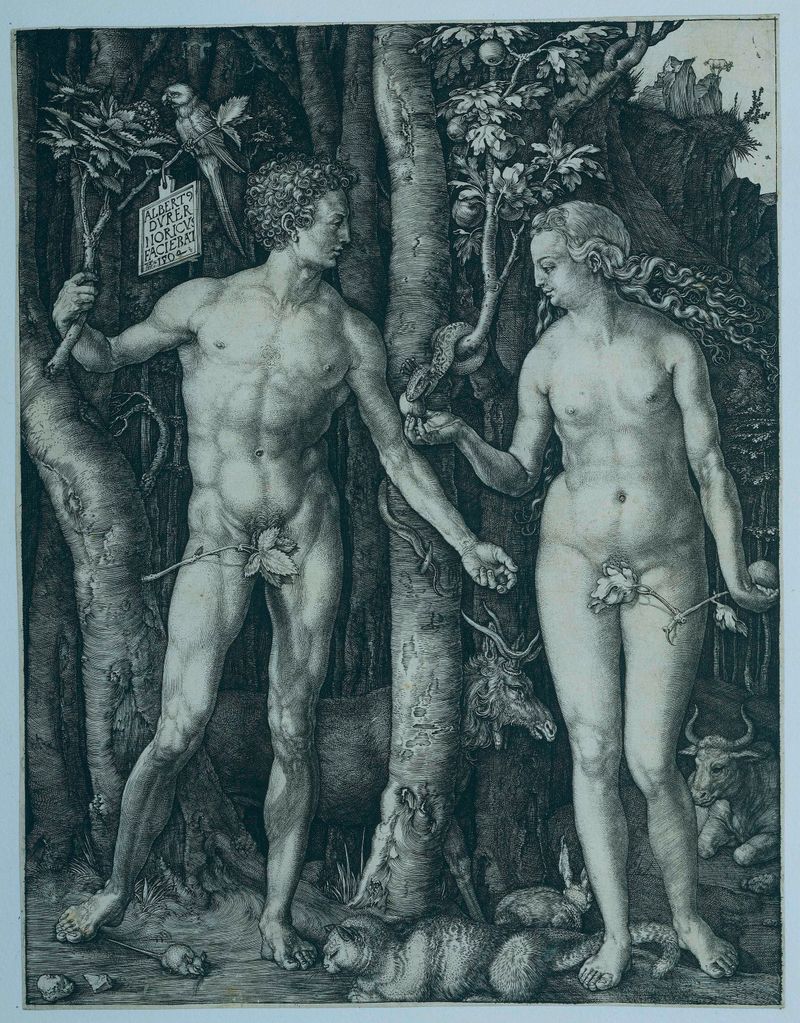
Adam en Eva
Albrecht Dürer
More Religious Art
Browse all →
The Return of the Prodigal Son
Rembrandt van Rijn

The Garden of Earthly Delights
El Bosco

Count Orgaz’ funeral
El Greco

The Hundred Guilder Print: the central piece with Christ preaching, the plate arched
Rembrandt van Rijn

The Descent from the Cross
Rogier van der Weyden

The return of the prodigal son
Rembrandt van Rijn