
Christus als Man van Smarten, zittend — History & Facts
Could a single brushstroke hold eternity? In the realm of artistry, each stroke draws us closer to the delicate balance between suffering and grace. Look to the center of the canvas, where the figure of Christ appears, seated in a moment of profound contemplation. Notice how Dürer masterfully captures the interplay of light and shadow across the figure's gaunt features, a striking juxtaposition that accentuates the depth of emotion in his eyes. The muted palette of earthy tones and soft grays enhances the somber atmosphere, inviting deep reflection on the human condition.
Dürer’s meticulous detail in the drapery surrounding Christ not only suggests the weight of his burden but also leads the viewer's gaze from the serene face down to the intricate folds, creating a visual rhythm that mirrors the balance of despair and hope. Beneath the surface, a complex narrative unfolds. The tension between Christ’s serene expression and the heaviness of his surroundings speaks to the duality of his existence; he embodies both the agony of mortality and the promise of salvation. The subtle positioning of his hands, one resting lightly on his knee, the other gently cupping his chin, suggests a moment of contemplation—an invitation for viewers to share in this intimate vulnerability.
Such details invite layered interpretations, revealing the emotional turmoil that lies beneath a stoic exterior. In 1515, Albrecht Dürer was at the height of his career, navigating the complexities of Northern Renaissance art. Having returned to Nuremberg after a transformative journey through Italy, he was blending classical influences with the rich traditions of his homeland. This work emerged during a time of religious upheaval, reflecting not just personal introspection but also a broader commentary on faith and human suffering in a rapidly changing world.
More Artworks by Albrecht Dürer
Browse all →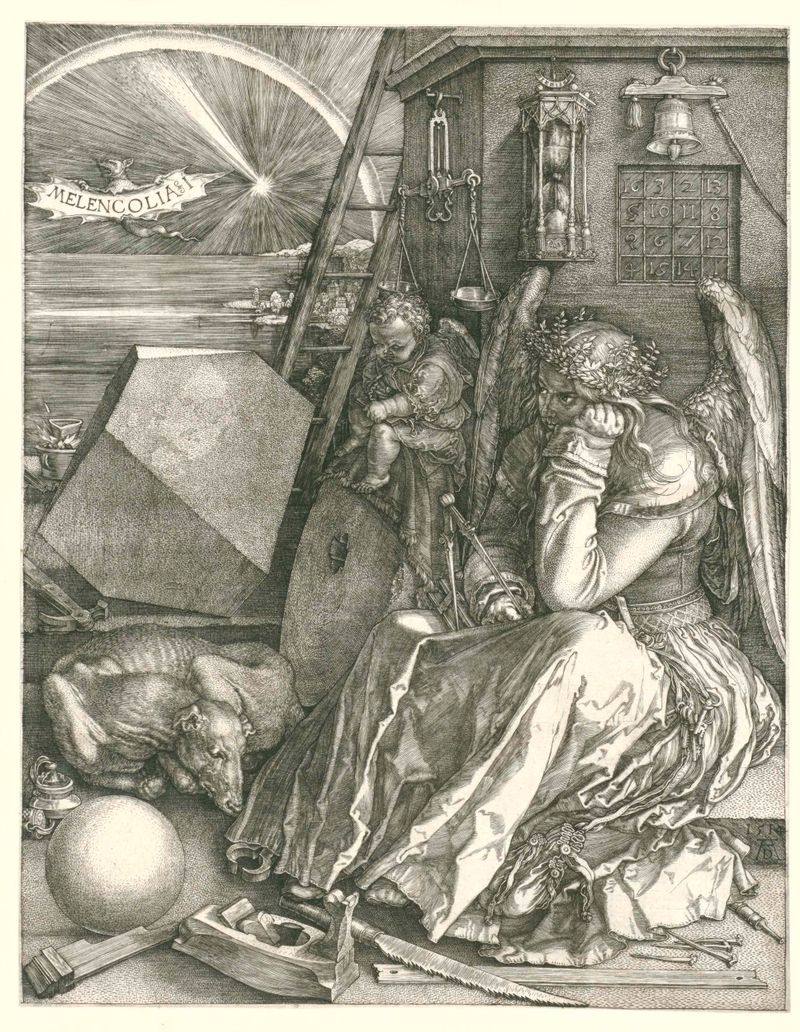
Melancholia
Albrecht Dürer
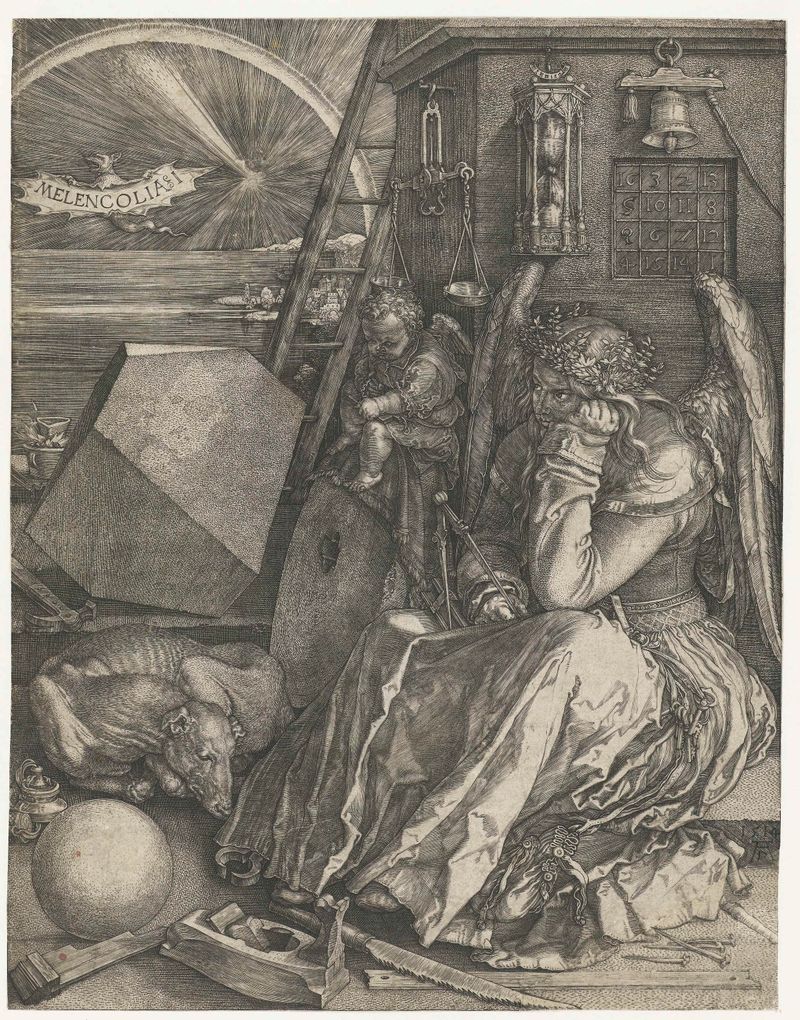
Melancholie
Albrecht Dürer
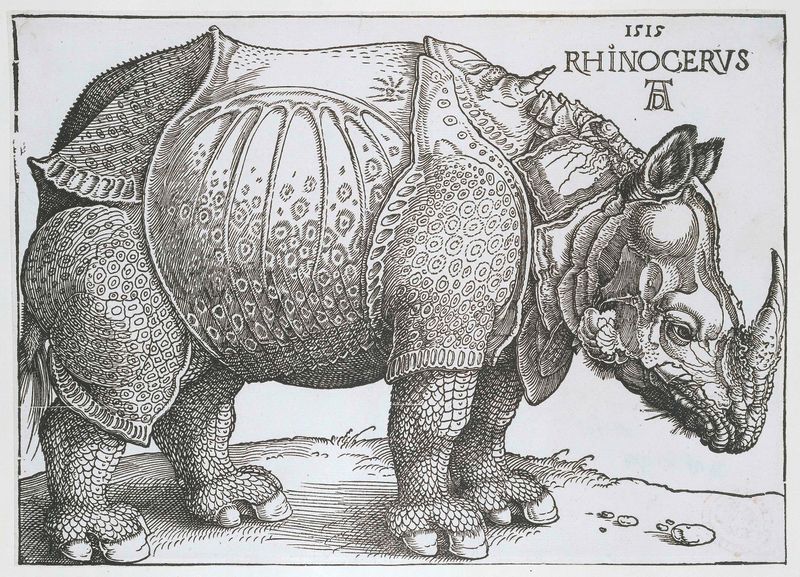
Neushoorn
Albrecht Dürer
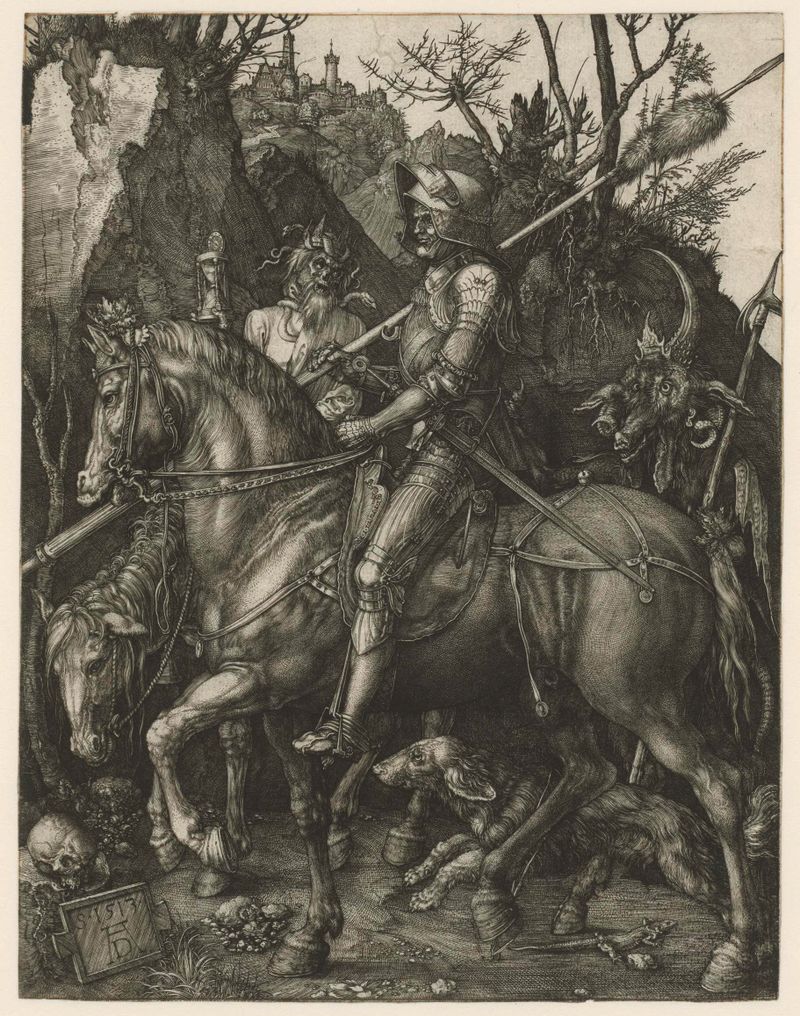
Knight, Death, and the Devil
Albrecht Dürer

De vier ruiters van de apocalyps
Albrecht Dürer

De vier ruiters van de apocalyps
Albrecht Dürer
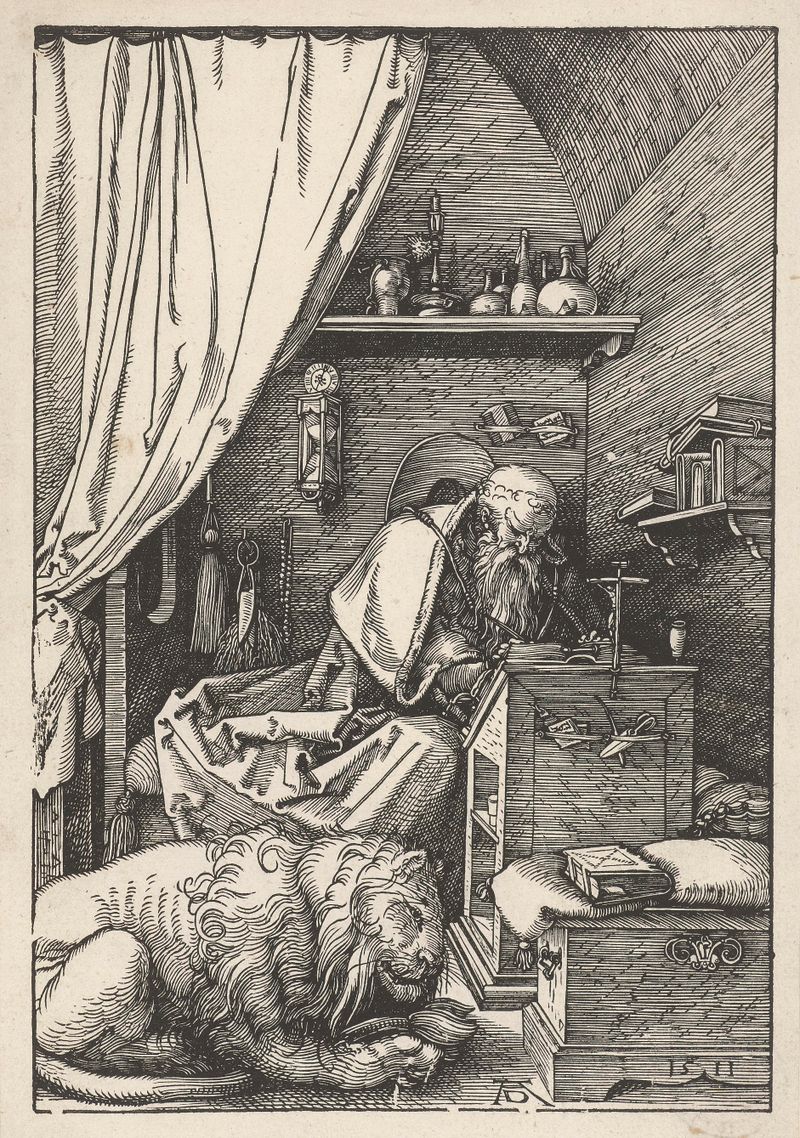
De Heilige Hiëronymus in zijn studeervertrek
Albrecht Dürer
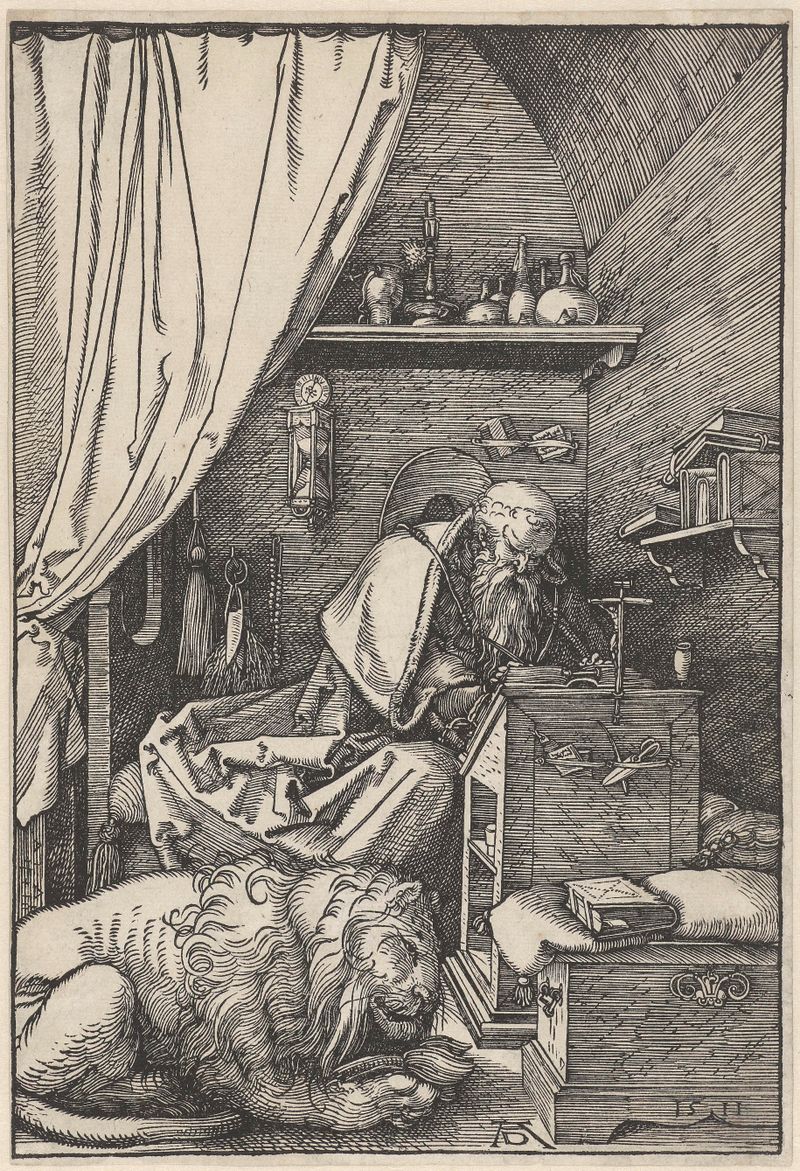
De Heilige Hiëronymus in zijn studeervertrek
Albrecht Dürer
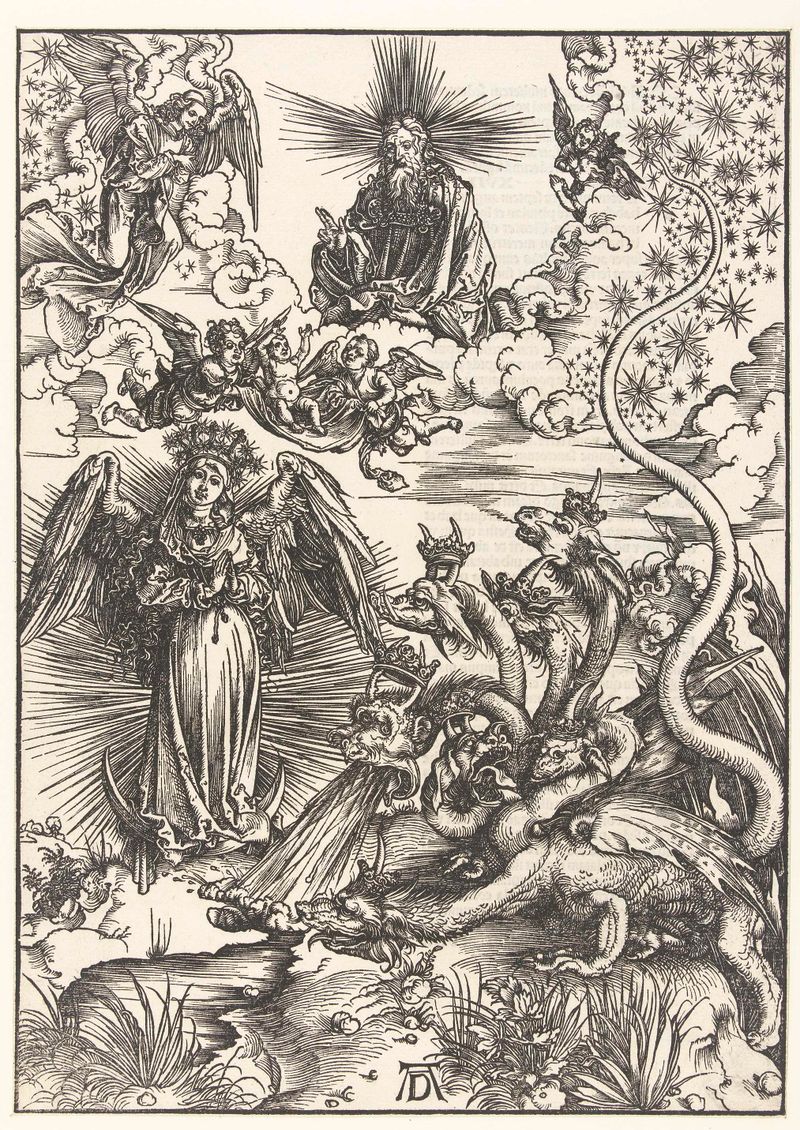
De apocalyptische vrouw en de zevenkoppige draak
Albrecht Dürer
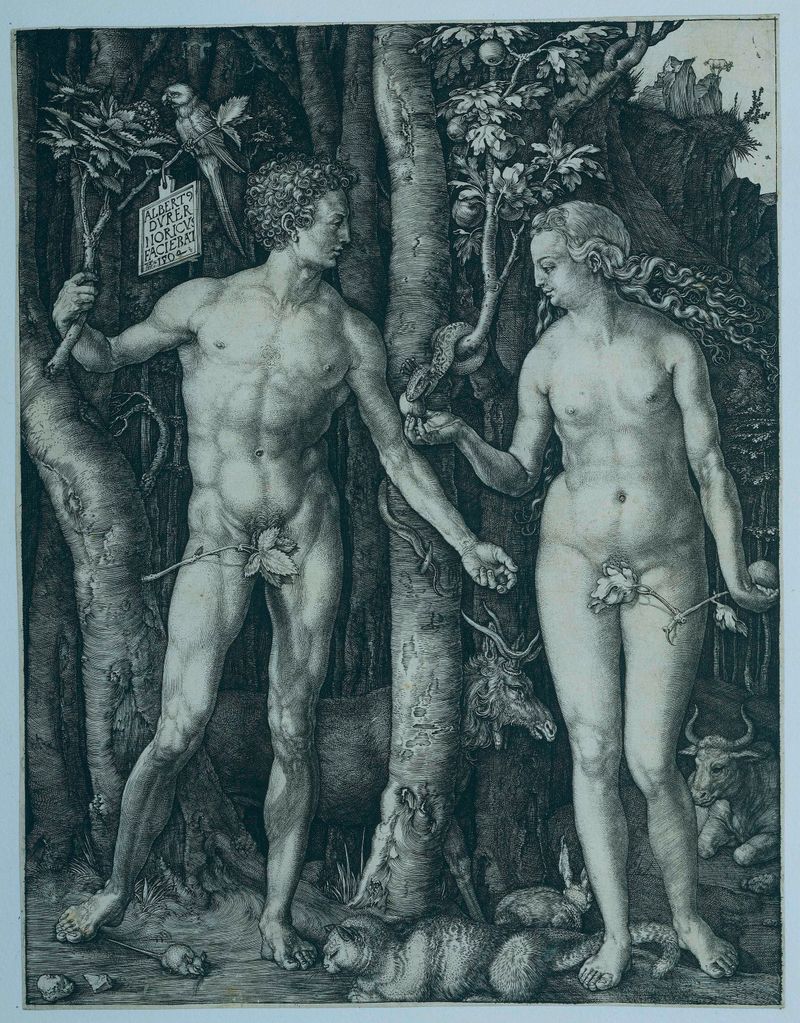
Adam en Eva
Albrecht Dürer
More Religious Art
Browse all →
The Return of the Prodigal Son
Rembrandt van Rijn

The Garden of Earthly Delights
El Bosco

Count Orgaz’ funeral
El Greco

The Hundred Guilder Print: the central piece with Christ preaching, the plate arched
Rembrandt van Rijn

The Descent from the Cross
Rogier van der Weyden

The return of the prodigal son
Rembrandt van Rijn