
Christus doopt in de Jordaan — History & Facts
Who listens when art speaks of silence? In Christus doopt in de Jordaan, an echo of both reverence and turmoil resonates beneath the surface, inviting contemplation on the fragility of peace amid the violence of human experience. Look to the center, where Christ stands poised at the riverbank, his serene expression illuminated by a soft, divine light that gently bathes the figures around him. The deliberate brushstrokes capturing the flowing water and the gathered crowd create a tension between tranquility and the undercurrents of unrest. Notice how the drapery of the garments flows elegantly, yet the rigid postures of the onlookers hint at an unspoken anxiety, a fear of the tumult that may follow spiritual rebirth. Delve deeper into the contrasting emotions present within this sacred moment.
The soft hues of blues and greens contrast sharply with the dark, muted tones of the bystanders, suggesting that while the act of baptism symbolizes hope and renewal, it is set against a backdrop of societal strife. The tension between Christ’s serene presence and the restless energy of the crowd embodies the struggle between divine peace and human turmoil—an eternal conflict captured in a single frame. Created in 1503, this work emerged from the workshop of the Master of Delft during a period marked by religious upheaval and social change in Europe. The artist's exploration of biblical themes resonated deeply with contemporary audiences grappling with questions of faith and identity in an age of uncertainty.
The painting serves not only as a spiritual reflection but also as a commentary on the pervasive violence of the era, echoing the complexities of human existence.
More Artworks by Master of Delft
Browse all →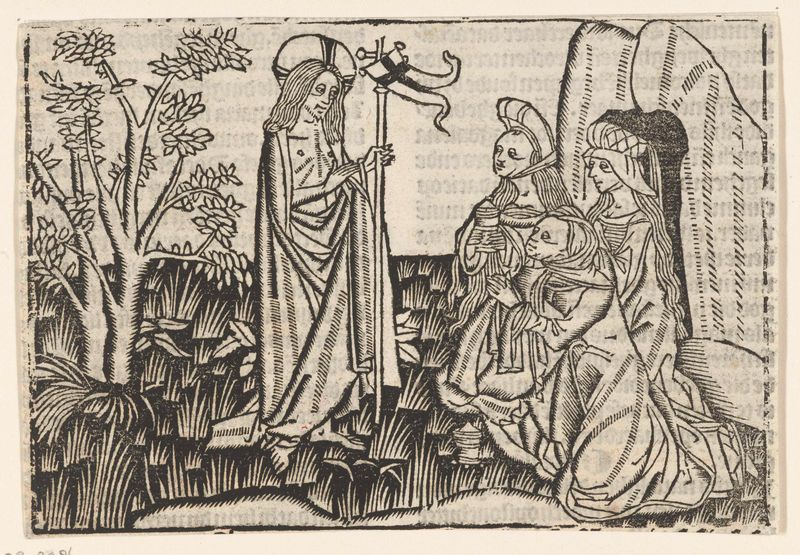
Christus verschijnt aan de drie Maria's
Master of Delft
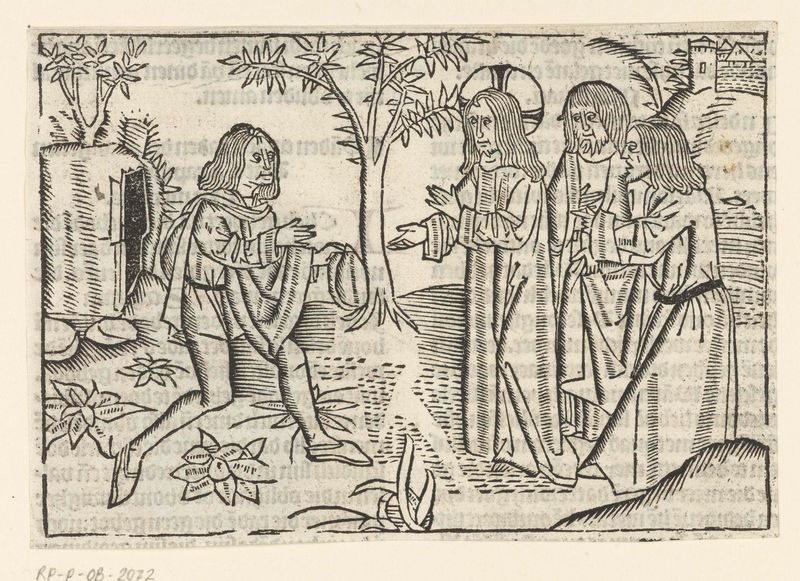
Christus en de rijke jongeling
Master of Delft
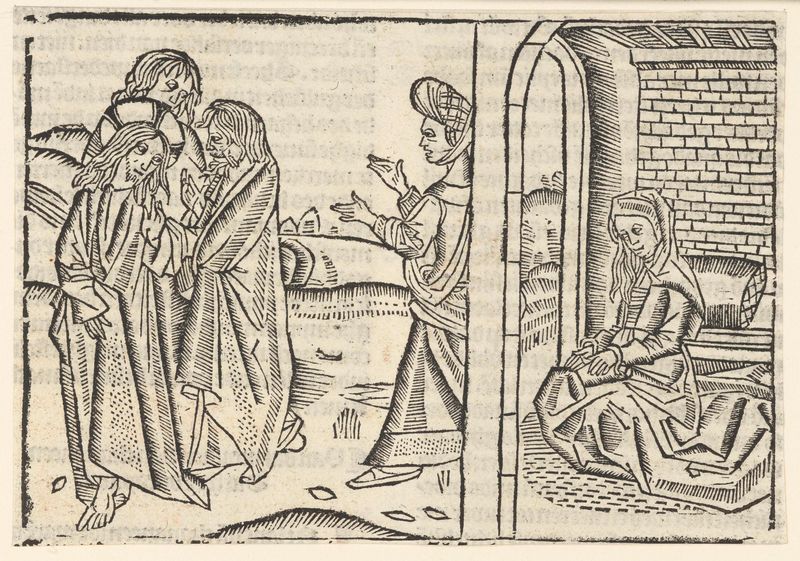
Christus en de Kanaänitische vrouw
Master of Delft
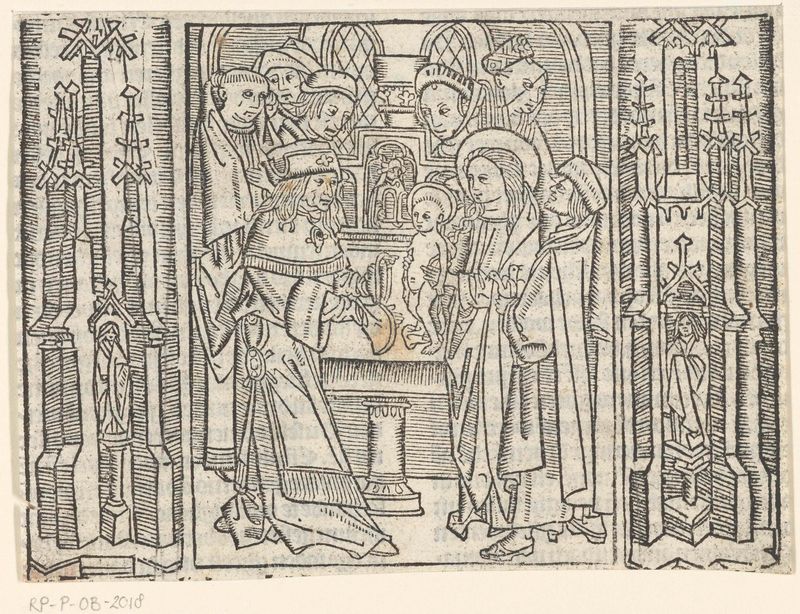
Presentatie van Christus in de tempel
Master of Delft
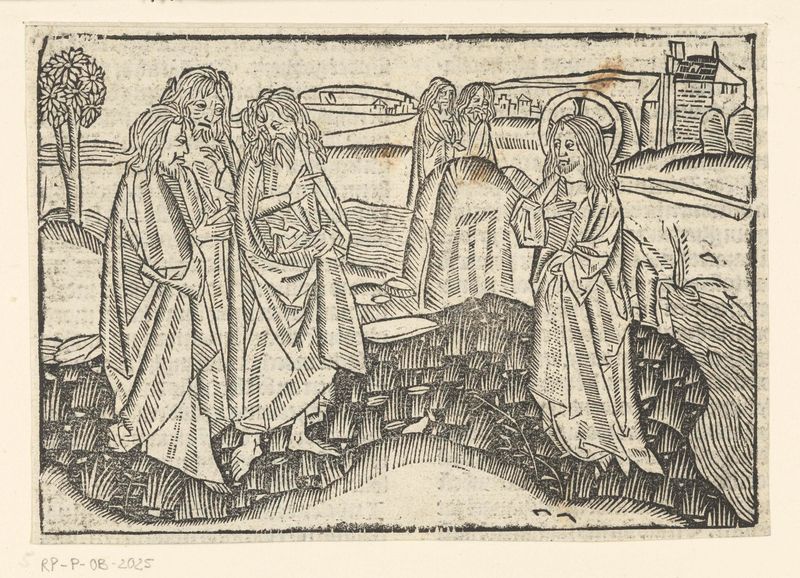
Christus kiest zijn eerste discipelen
Master of Delft
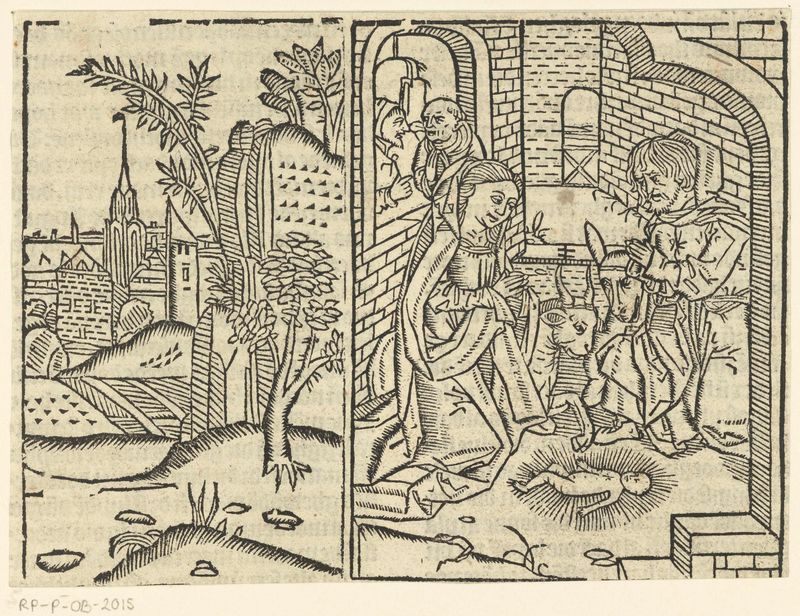
Geboorte van Christus
Master of Delft
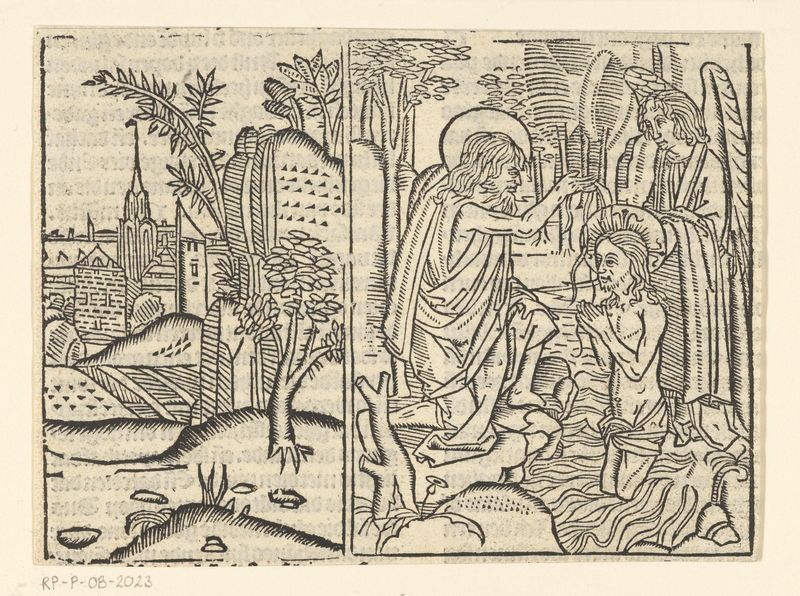
De doop van Christus in de Jordaan
Master of Delft
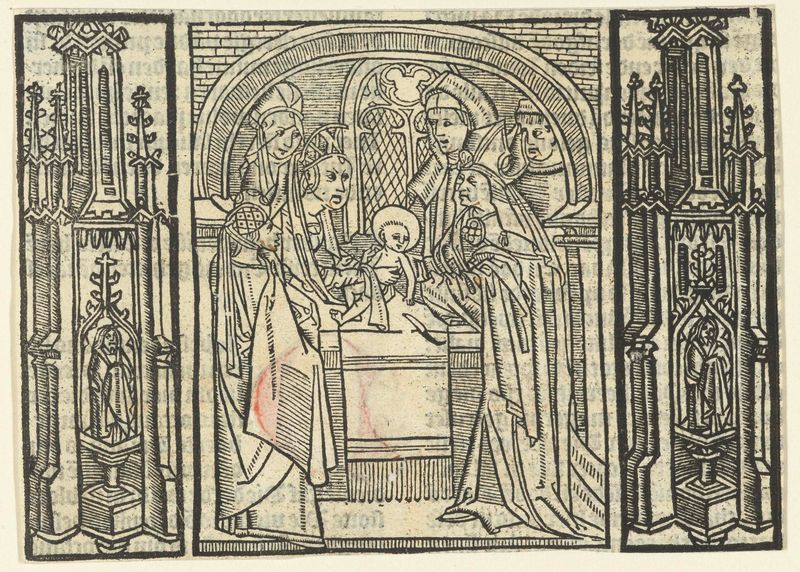
Besnijdenis van Christus
Master of Delft
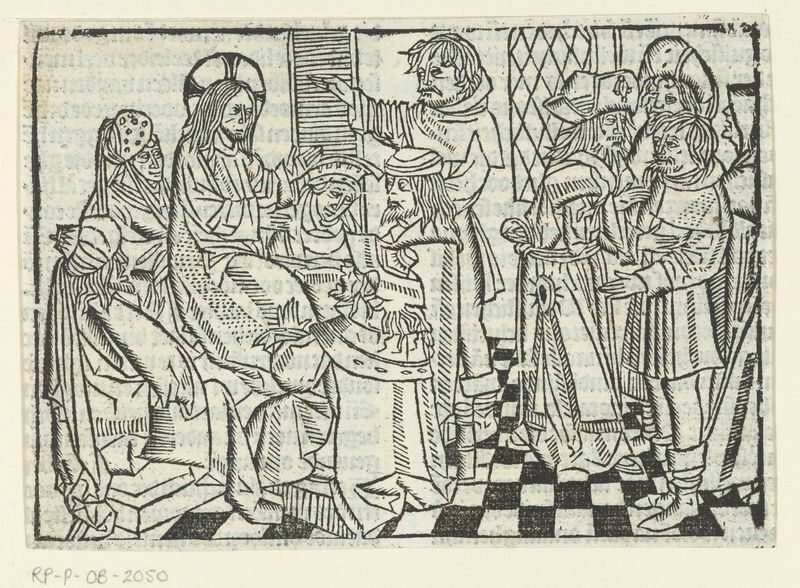
Christus geneest de man met een verdorde hand
Master of Delft
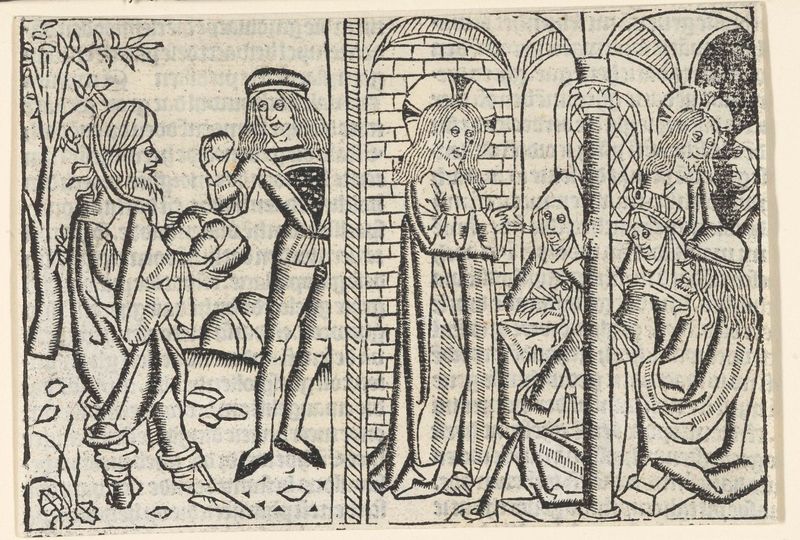
De Farizeeërs willen Christus stenigen
Master of Delft
More Religious Art
Browse all →
The Return of the Prodigal Son
Rembrandt van Rijn

The Garden of Earthly Delights
El Bosco

Count Orgaz’ funeral
El Greco

The Hundred Guilder Print: the central piece with Christ preaching, the plate arched
Rembrandt van Rijn

The Descent from the Cross
Rogier van der Weyden

The return of the prodigal son
Rembrandt van Rijn