
Geboorte van Christus — History & Facts
The loneliness of divine birth weighs heavy in the air, where quiet reverence meets the stark reality of human existence. A stillness pervades the scene, drawing the viewer into a moment suspended between joy and sorrow—a reminder that even miraculous beginnings can carry the weight of solitude. Focus on the gentle light illuminating the figures at the heart of the composition. The soft glow envelops the newborn, casting delicate shadows that highlight the tenderness in the faces surrounding Him.
Look closely at the expressions of the characters, each conveying an array of emotions—wonder, awe, but also an undercurrent of grief—as if aware of the tumultuous journey that lies ahead. The muted color palette enhances the solemnity, while the intricate details of the drapery invite reverence for both the sacred and the vulnerable. Within this captivating tableau lies a poignant juxtaposition: the miracle of birth set against the backdrop of impending sacrifice. Notice the almost palpable distance between the figures, their gestures of worship tinged with isolation.
This emotional tension speaks to the broader theme of human experience—the joy of creation entwined with the loneliness that often accompanies it, suggesting that even in moments of great significance, solitude can linger in the shadows. Created in 1503, this work emerges from a time when the Master of Delft was establishing his unique style within the Northern Renaissance. In an era marked by spiritual exploration and artistic innovation, the artist sought to blend the divine with the deeply human, reflecting the complexities of faith and existence in a rapidly changing world.
More Artworks by Master of Delft
Browse all →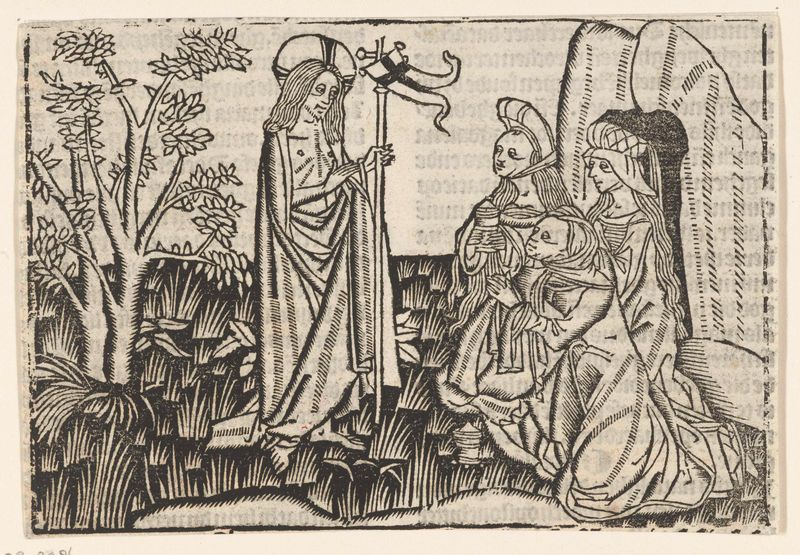
Christus verschijnt aan de drie Maria's
Master of Delft
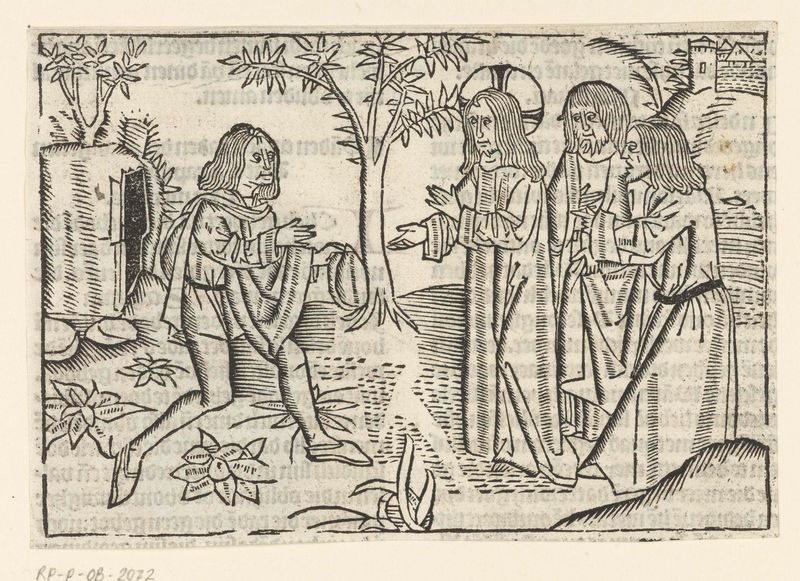
Christus en de rijke jongeling
Master of Delft
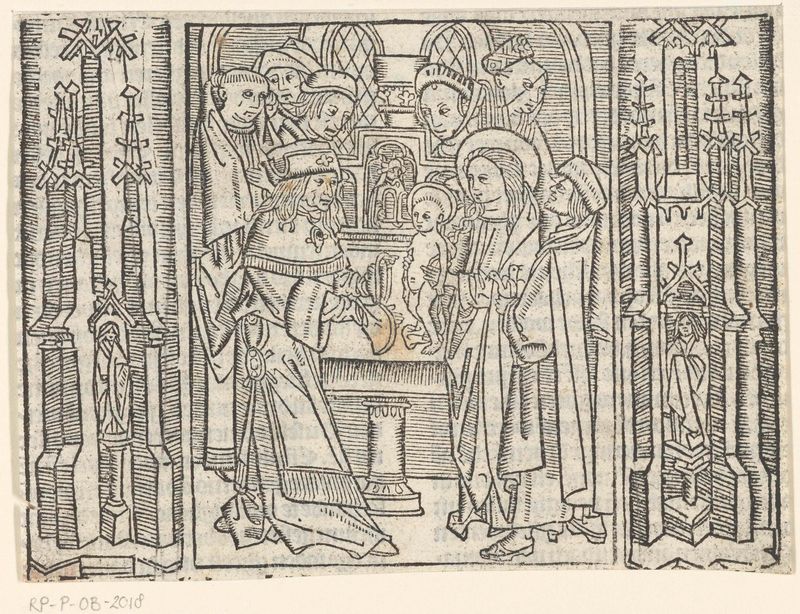
Presentatie van Christus in de tempel
Master of Delft
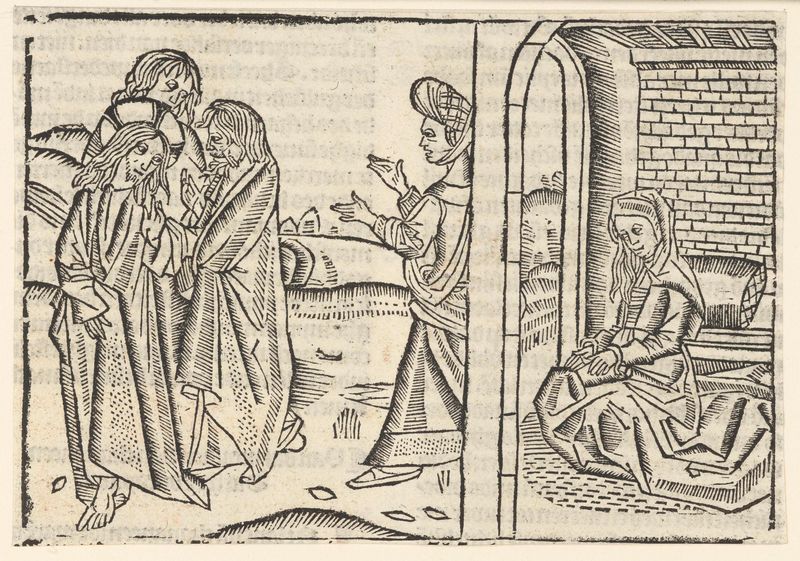
Christus en de Kanaänitische vrouw
Master of Delft
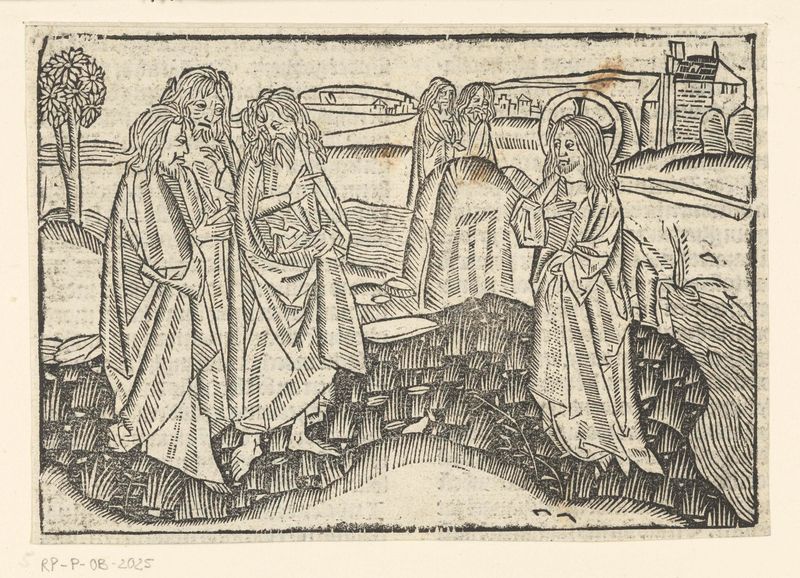
Christus kiest zijn eerste discipelen
Master of Delft
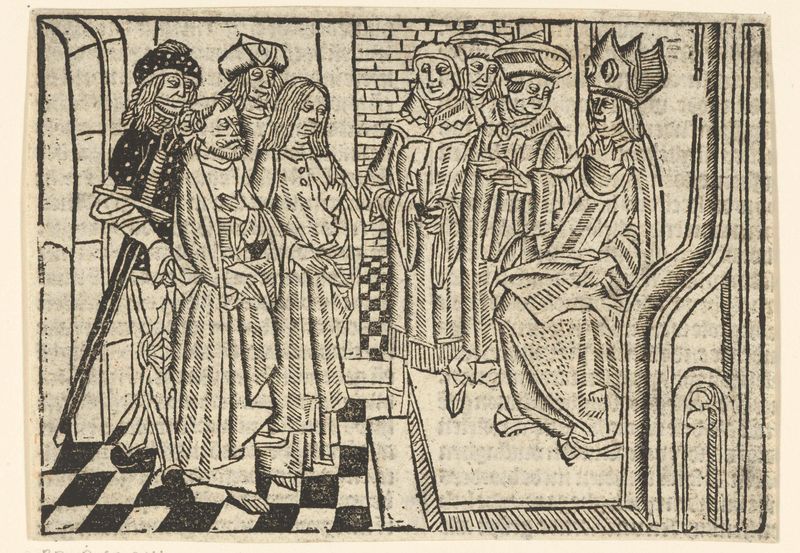
Petrus en Johannes de evangelist voor de hogepriester
Master of Delft
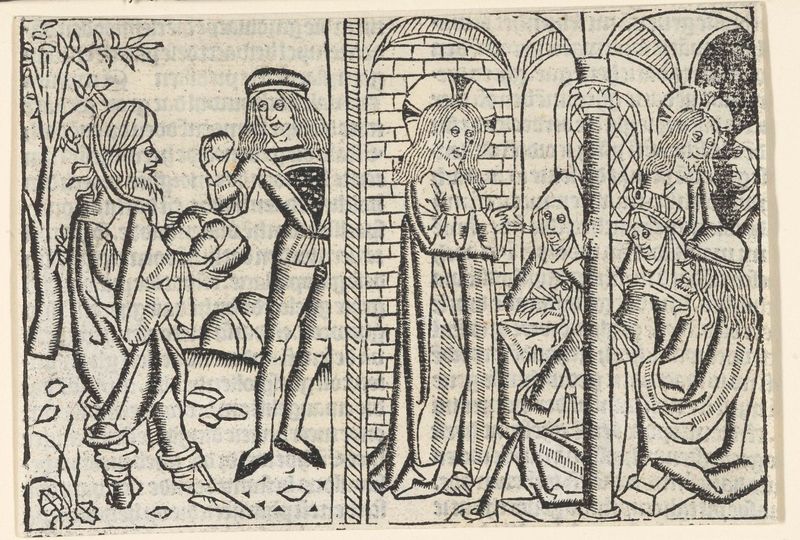
De Farizeeërs willen Christus stenigen
Master of Delft
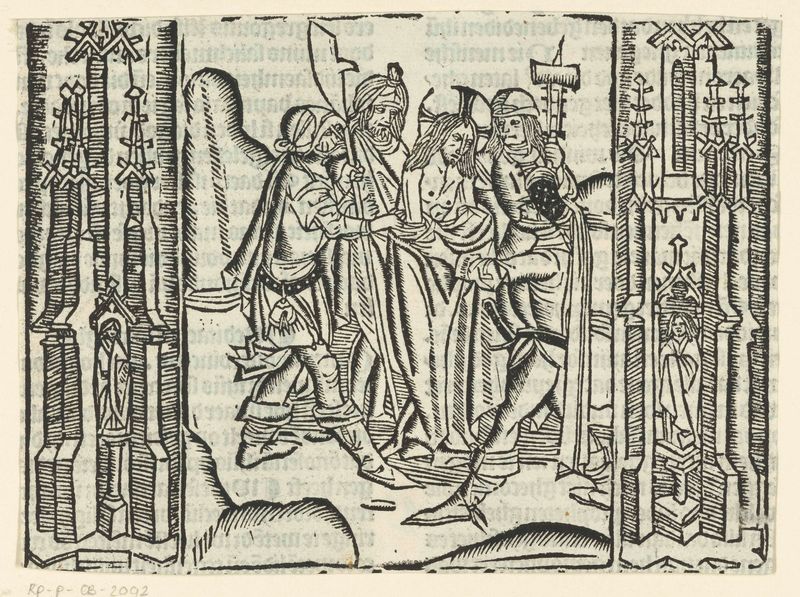
Christus wordt ontkleed
Master of Delft
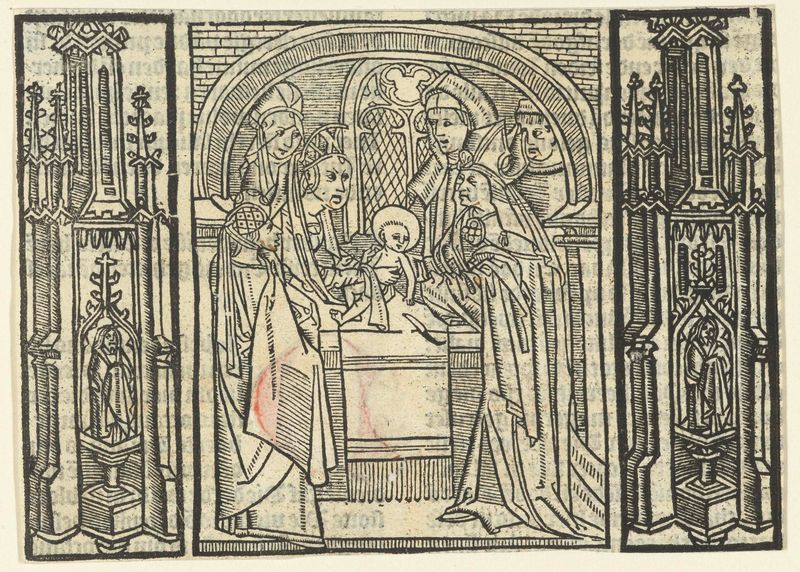
Besnijdenis van Christus
Master of Delft
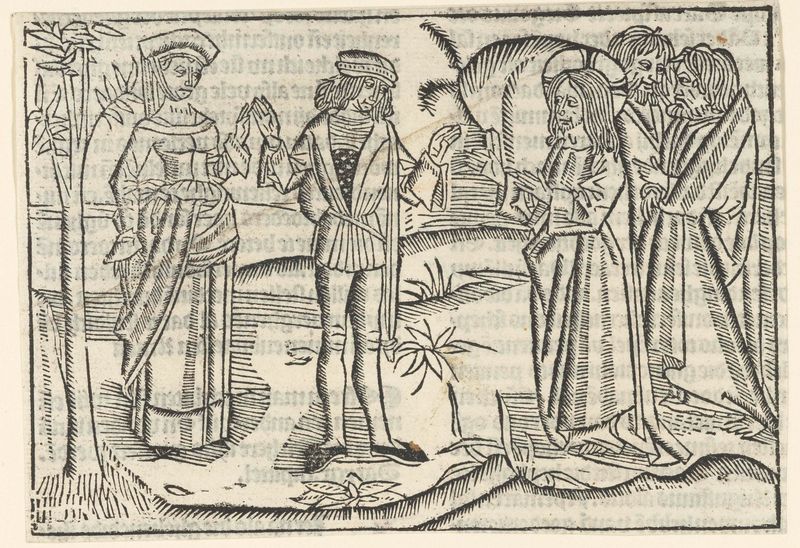
Christus predikt over scheiden
Master of Delft
More Religious Art
Browse all →
The Return of the Prodigal Son
Rembrandt van Rijn

The Garden of Earthly Delights
El Bosco

Count Orgaz’ funeral
El Greco

The Hundred Guilder Print: the central piece with Christ preaching, the plate arched
Rembrandt van Rijn

The Descent from the Cross
Rogier van der Weyden

The return of the prodigal son
Rembrandt van Rijn