
Christus geneest de man met een verdorde hand — History & Facts
When did color learn to lie? In a world where hues often mask reality, the surface of a painting reveals truths that words cannot convey. Look closely at the figures assembled on the canvas, anchored by the central man with the withered hand, a poignant embodiment of suffering. The artist employs a muted palette dominated by earth tones, which emphasizes the somber atmosphere, while subtle highlights draw our gaze towards the outstretched hand, symbolizing both vulnerability and hope. Observe the tender expressions on the faces around him; the contrast between the serene countenance of Christ and the despair of the man speaks volumes, inviting viewers to contemplate the complex relationship between faith and healing. In the background, the figures are shrouded in shadow, their varied postures suggesting a spectrum of emotions ranging from disbelief to awe.
The delicate interplay of light suggests a divine presence, transforming the mundane into the miraculous. The hand, once lifeless, becomes a focal point of potential and renewal, evoking themes of redemption and grace. Each brushstroke reveals a deeper narrative, prompting us to consider the moments of healing that occur not just physically, but also spiritually. The Master of Delft created this work in 1503, a time when Northern Renaissance art was experiencing a shift towards greater realism and emotional depth.
Living in a period marked by religious fervor and social change, the artist was part of a burgeoning movement that sought to intertwine the human experience with divine intervention. This piece, nestled within that transformative context, stands as a testament to the era's exploration of faith, compassion, and the profound human condition.
More Artworks by Master of Delft
Browse all →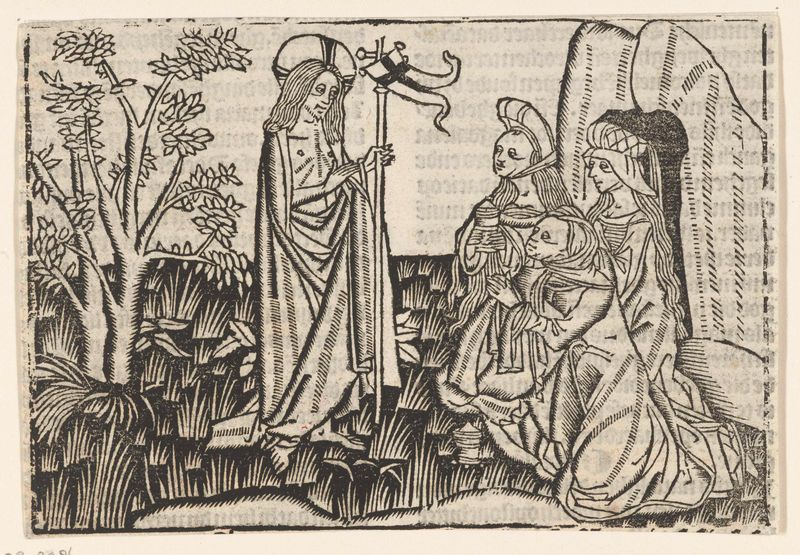
Christus verschijnt aan de drie Maria's
Master of Delft
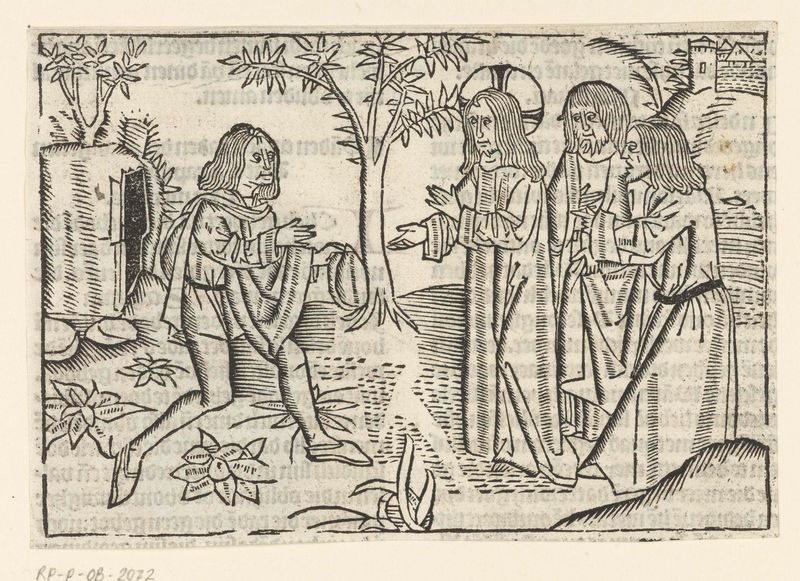
Christus en de rijke jongeling
Master of Delft
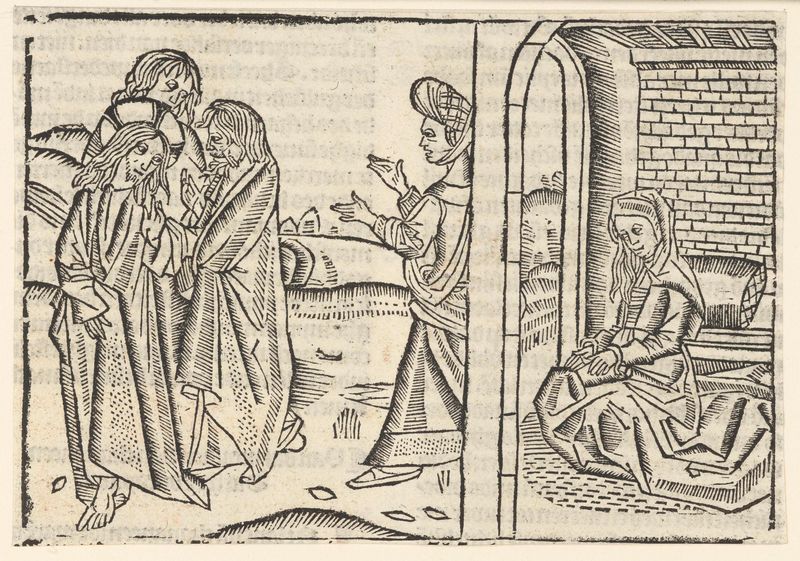
Christus en de Kanaänitische vrouw
Master of Delft
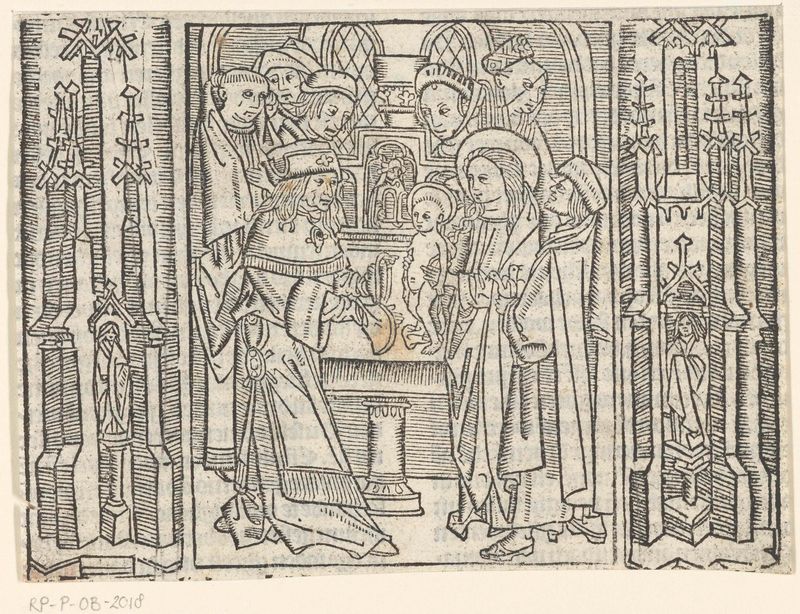
Presentatie van Christus in de tempel
Master of Delft
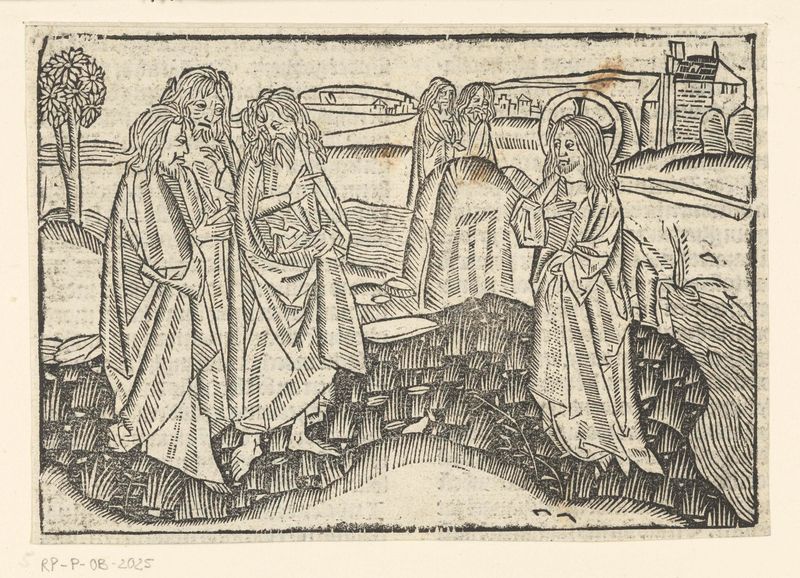
Christus kiest zijn eerste discipelen
Master of Delft
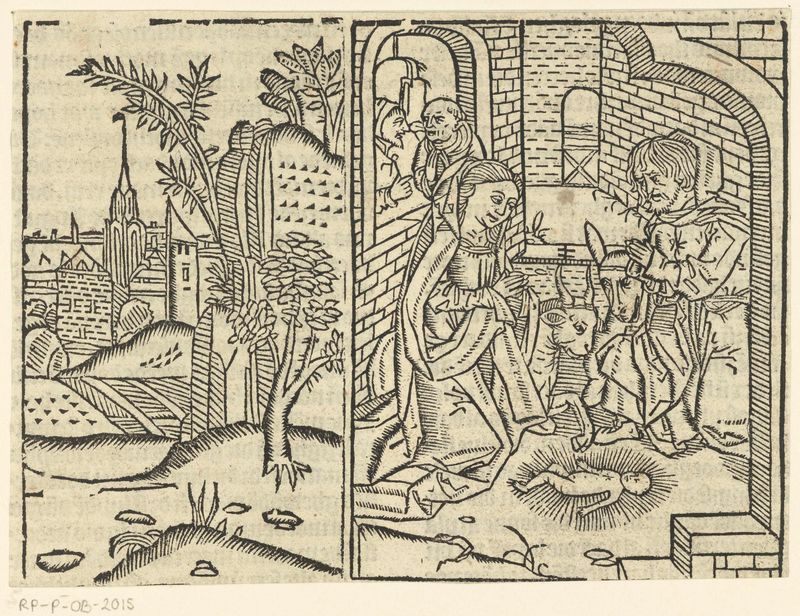
Geboorte van Christus
Master of Delft
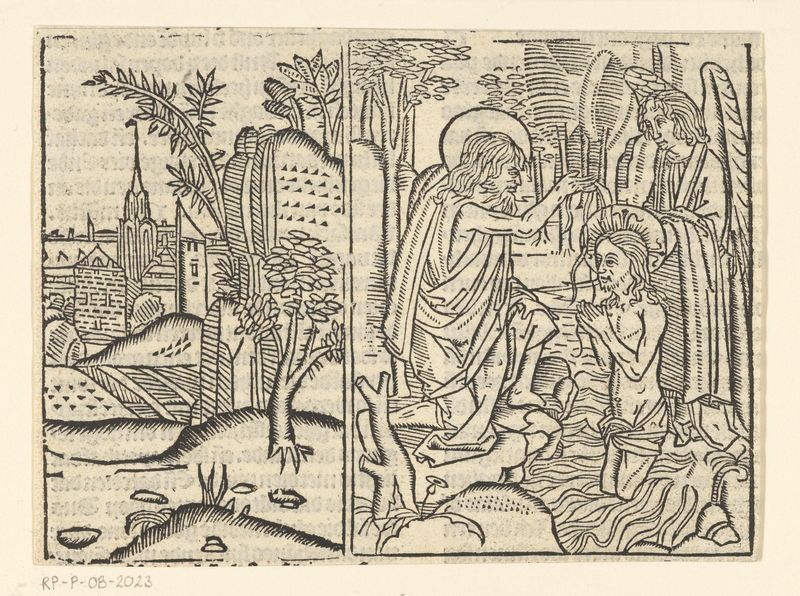
De doop van Christus in de Jordaan
Master of Delft
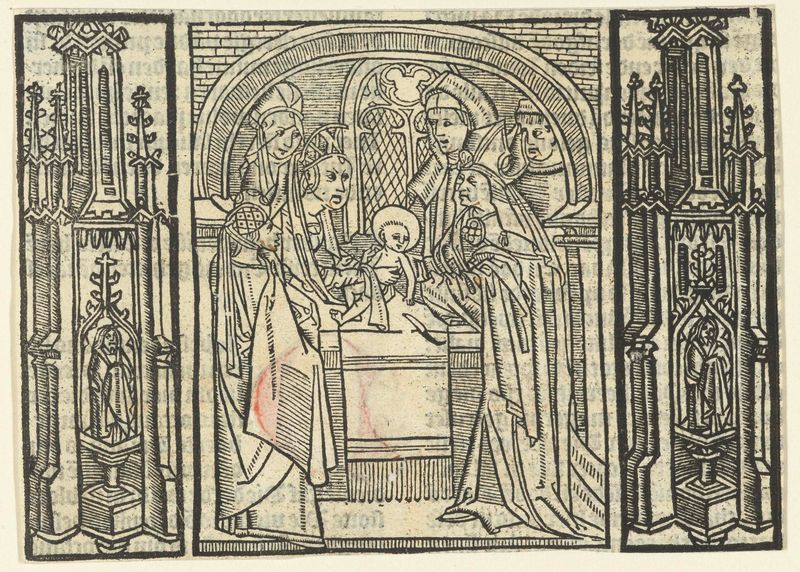
Besnijdenis van Christus
Master of Delft
De Farizeeërs willen Christus stenigen
Master of Delft
Christus predikt over scheiden
Master of Delft
More Religious Art
Browse all →
The Return of the Prodigal Son
Rembrandt van Rijn

The Garden of Earthly Delights
El Bosco

Count Orgaz’ funeral
El Greco

The Hundred Guilder Print: the central piece with Christ preaching, the plate arched
Rembrandt van Rijn

The Descent from the Cross
Rogier van der Weyden

The return of the prodigal son
Rembrandt van Rijn