
Christus en de rijke jongeling — History & Facts
Can paint confess what words never could? In the quiet of the canvas, a confrontation unfolds—one that echoes through the corridors of the heart and mind, exploring the delicate madness of desire and consequence. Look closely at the figure on the left, where the rich young man stands with an expression caught between longing and disbelief. The elaborate details of his garments, woven in lustrous golds and deep reds, draw the eye immediately, contrasting sharply with the somber tones of Christ's robe. Notice how the light caresses the young man's hand, poised slightly away from the divine figure, indicating his hesitation.
The artist's meticulous rendering of fabric and facial expressions creates a palpable tension, as if the moment teeters on the edge of a monumental choice. Delve deeper, and you will find layers of symbolism woven throughout the composition. The young man's gaze, both yearning and desperate, reflects the burdens of wealth and the madness that accompanies it. Behind him, the lush landscape hints at earthly pleasures and the temporal nature of materialism, while the serene countenance of Christ invites contemplation and offers a path to salvation.
Here, the dichotomy of riches versus spiritual fulfillment intertwines, highlighting a profound internal struggle. Created in 1503, this work emerged from the hand of an artist known as the Master of Delft during a time of transition in the Northern Renaissance. The artist's precise techniques and intricate detail mirror the broader artistic shifts of the period, characterized by a growing interest in humanism and the complexities of individual choice. The painting encapsulates not only a personal dialogue between two figures but also a reflection of societal values and the tumultuous questions of faith that permeated the era.
More Artworks by Master of Delft
Browse all →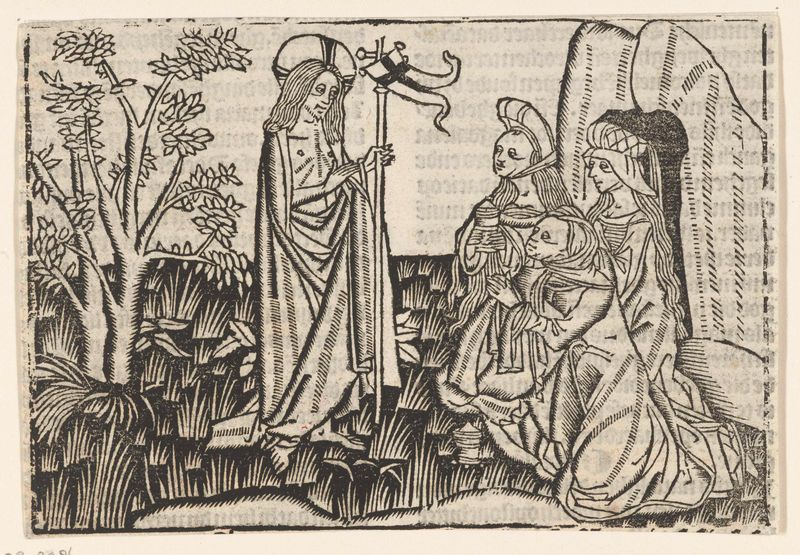
Christus verschijnt aan de drie Maria's
Master of Delft
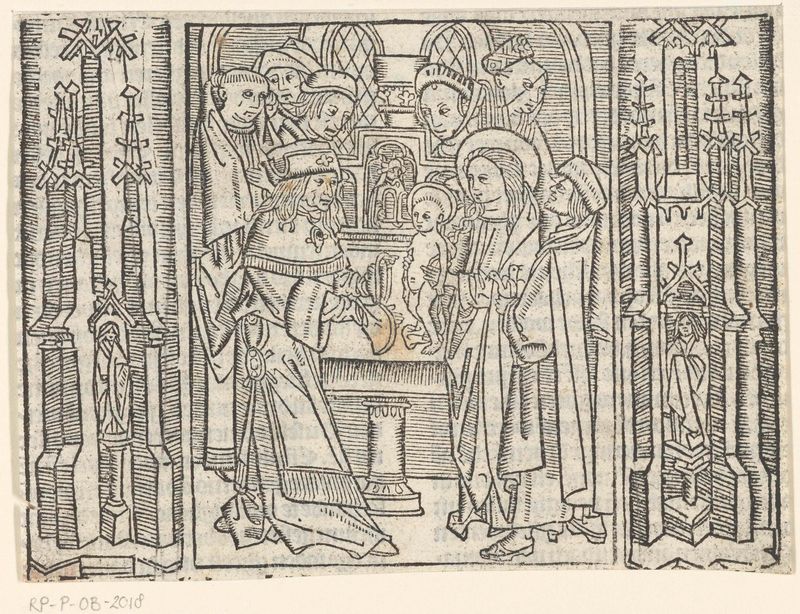
Presentatie van Christus in de tempel
Master of Delft
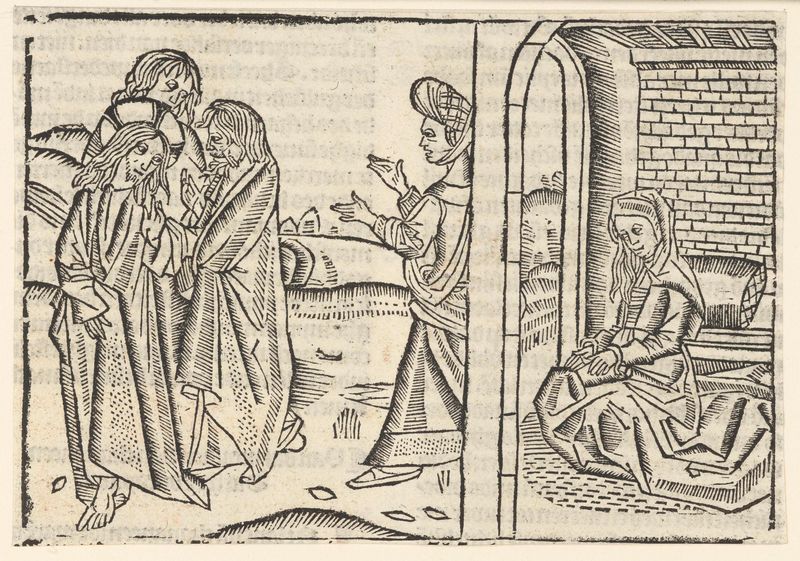
Christus en de Kanaänitische vrouw
Master of Delft
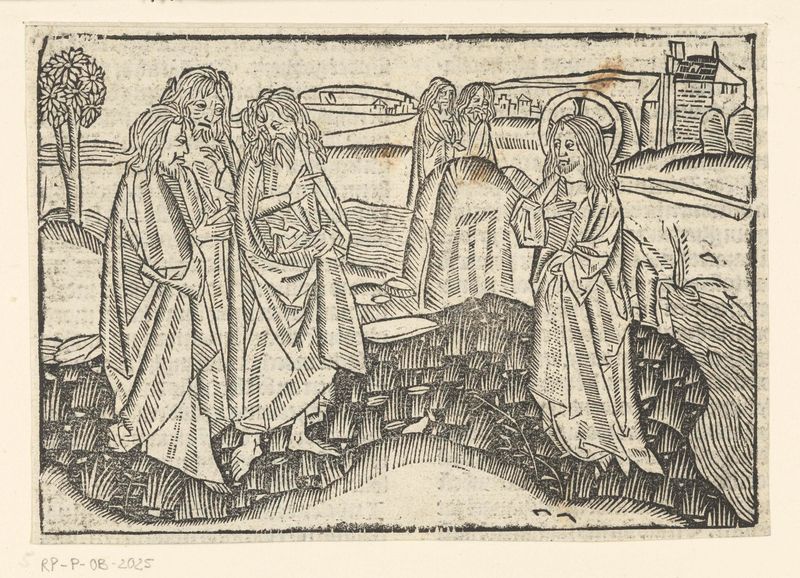
Christus kiest zijn eerste discipelen
Master of Delft
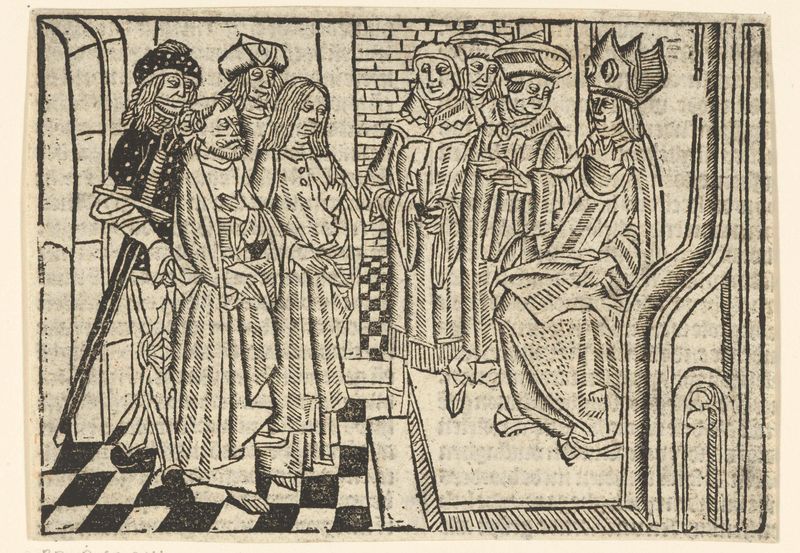
Petrus en Johannes de evangelist voor de hogepriester
Master of Delft
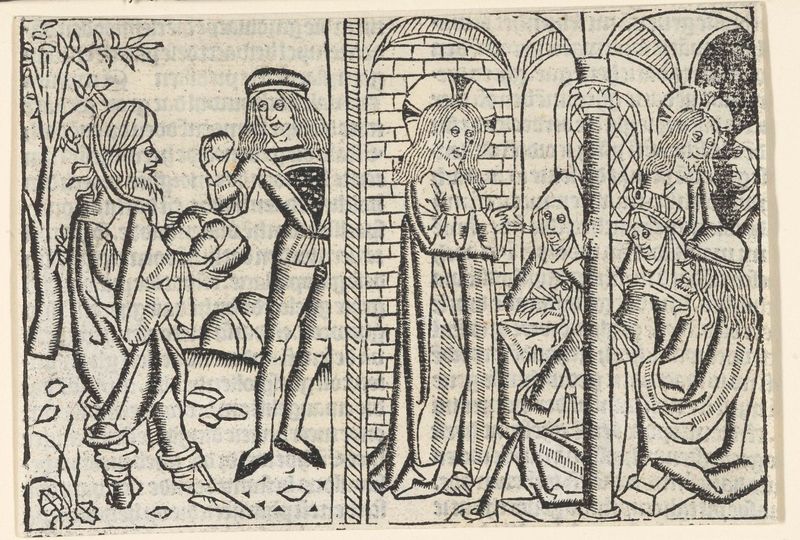
De Farizeeërs willen Christus stenigen
Master of Delft
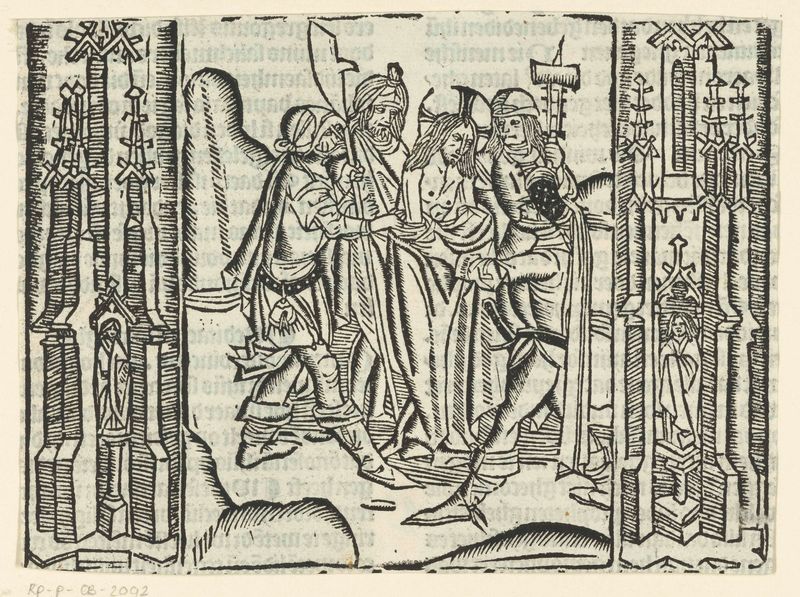
Christus wordt ontkleed
Master of Delft
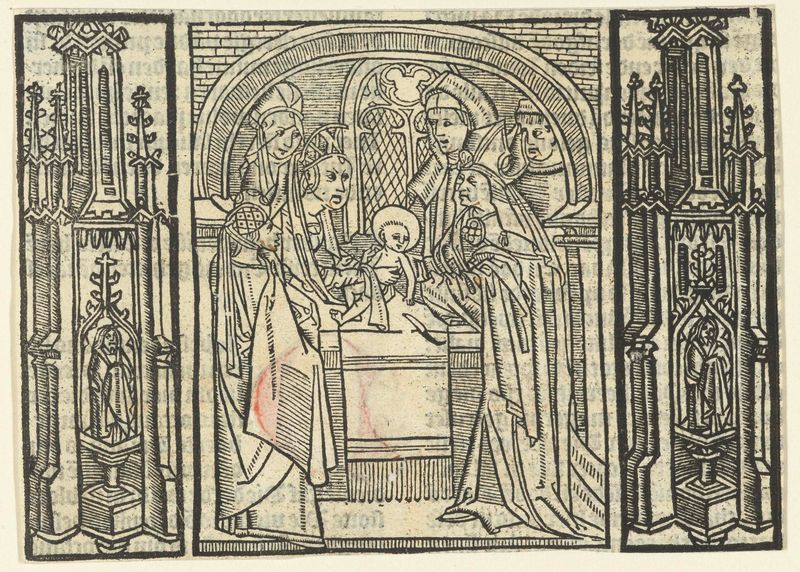
Besnijdenis van Christus
Master of Delft
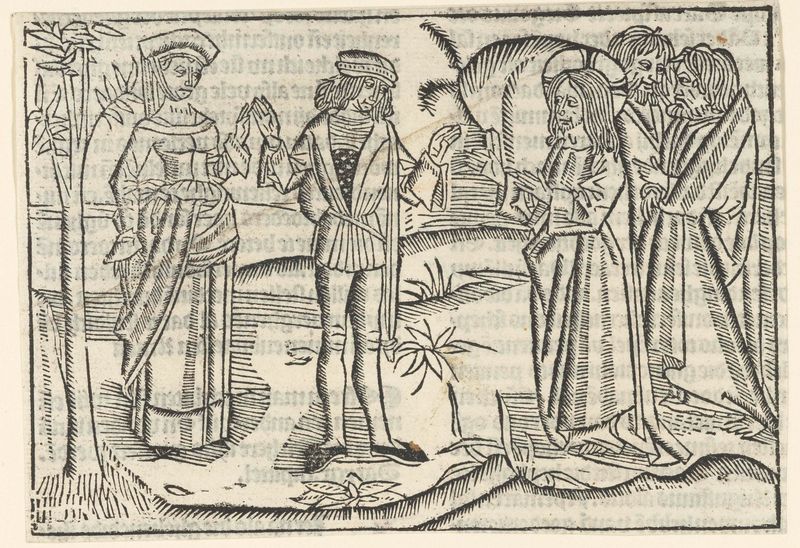
Christus predikt over scheiden
Master of Delft
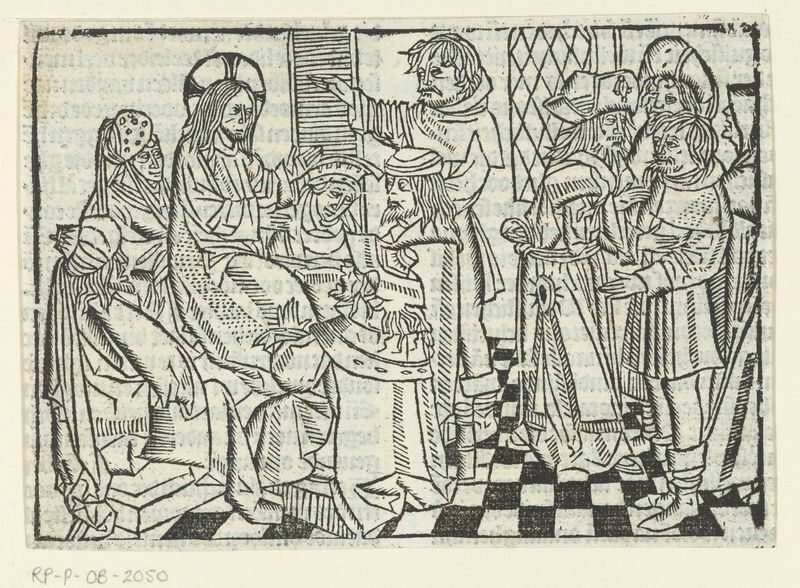
Christus geneest de man met een verdorde hand
Master of Delft
More Religious Art
Browse all →
The Return of the Prodigal Son
Rembrandt van Rijn

The Garden of Earthly Delights
El Bosco

Count Orgaz’ funeral
El Greco

The Hundred Guilder Print: the central piece with Christ preaching, the plate arched
Rembrandt van Rijn

The Descent from the Cross
Rogier van der Weyden

The return of the prodigal son
Rembrandt van Rijn