
De Farizeeërs willen Christus stenigen — History & Facts
In the stillness of a moment, destiny hangs in the balance, woven into the very fabric of existence and choice. Look to the left at the figures frozen in a fierce tableau, their faces a symphony of emotion, each contour speaking to the tension of the encounter. Shadows dance across the scene, marking the figures with deep contrasts that evoke both movement and deliberation. The muted palette carries whispers of anxiety and foreboding, drawing your gaze toward Christ, who stands resolute at the center, illuminated as if by an inner light, embodying hope amidst the gathering storm. As you explore further, notice the gestures that betray intent—the pointed fingers, clenched fists, and furrowed brows—alluding to a moment poised on the edge of violence.
The complexity of the narrative unfolds like a storybook, with each character embodying a distinct role in this moral crucible. The artist’s delicate brushwork captures the raw emotional stakes of the tableau, revealing the contrasts between faith and fear, mercy and condemnation, each detail steeped in significance. In 1503, the Master of Delft created this piece during a time of burgeoning artistic renewal in the Netherlands. His work emerged amidst a cultural shift towards humanist ideals, reflecting the tensions between burgeoning religious fervor and the quest for personal and communal identity.
This painting serves as a crucial juncture, highlighting the artist's engagement with the complexities of faith and the societal struggle that defined his era.
More Artworks by Master of Delft
Browse all →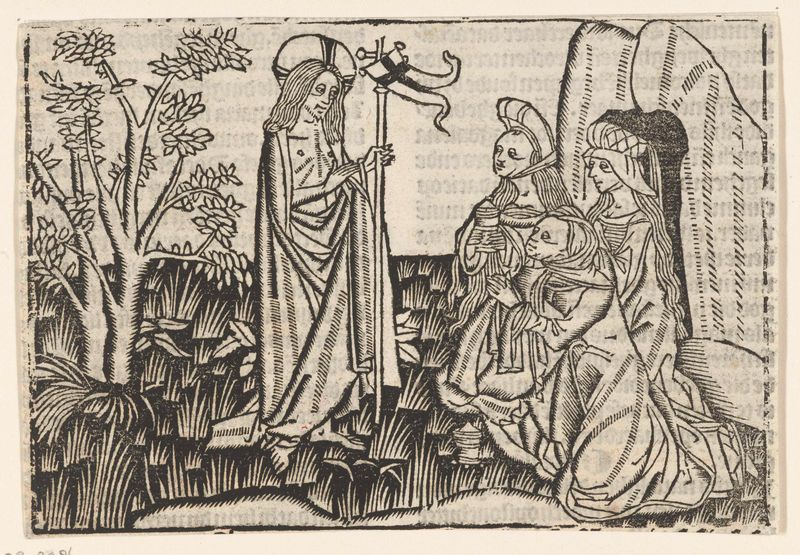
Christus verschijnt aan de drie Maria's
Master of Delft
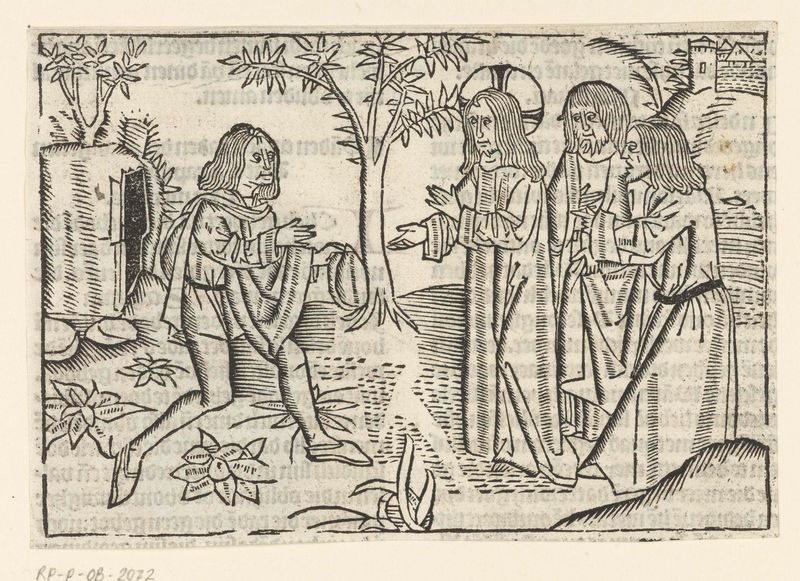
Christus en de rijke jongeling
Master of Delft
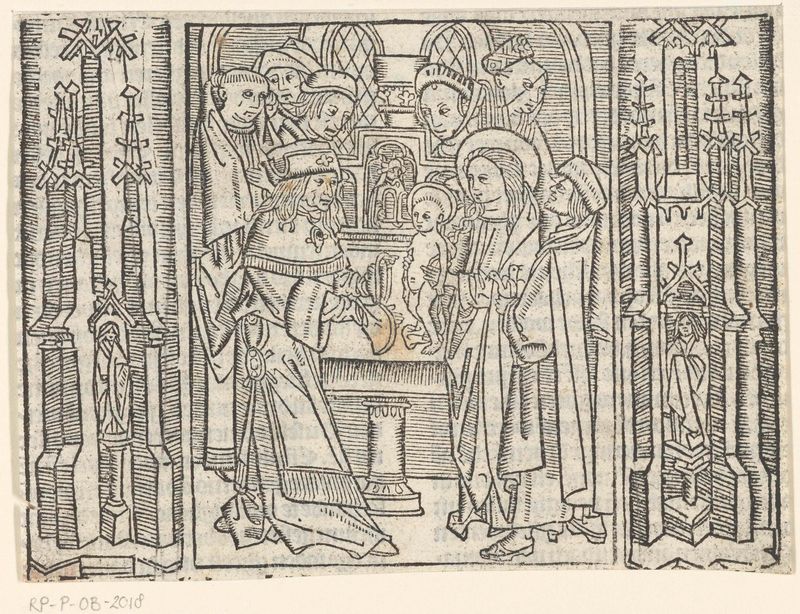
Presentatie van Christus in de tempel
Master of Delft
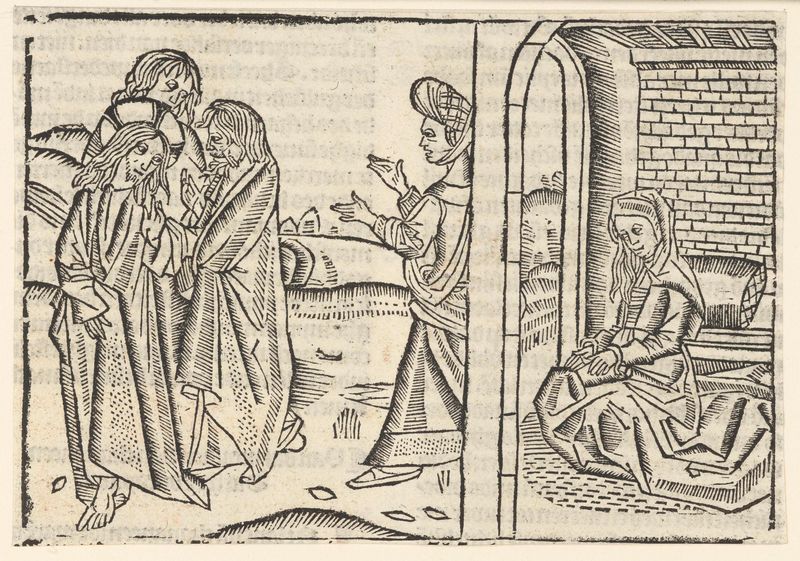
Christus en de Kanaänitische vrouw
Master of Delft
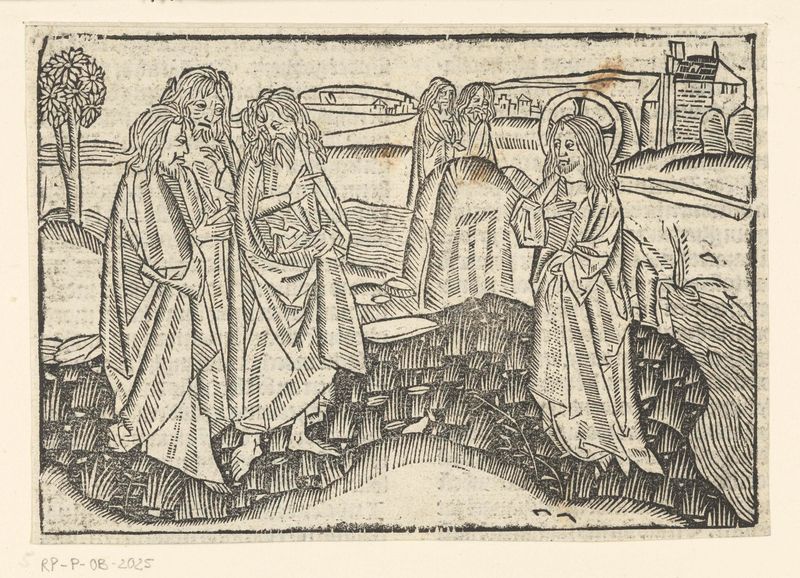
Christus kiest zijn eerste discipelen
Master of Delft
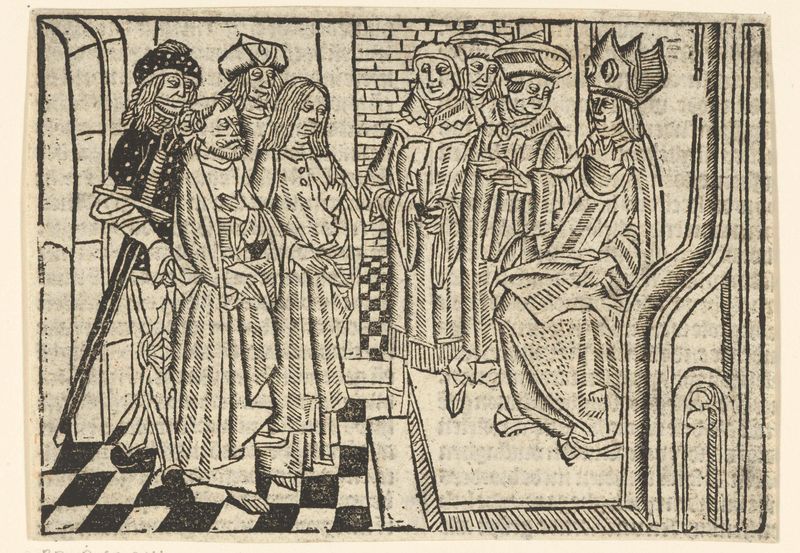
Petrus en Johannes de evangelist voor de hogepriester
Master of Delft
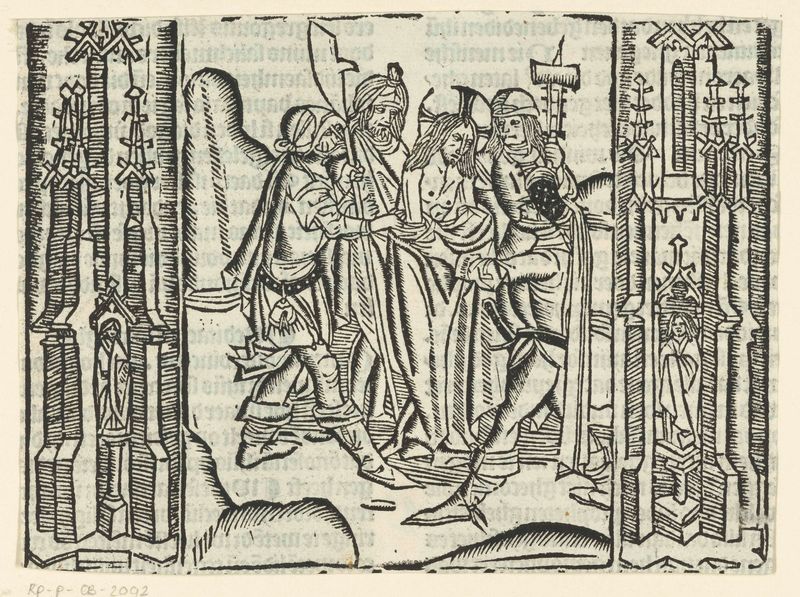
Christus wordt ontkleed
Master of Delft
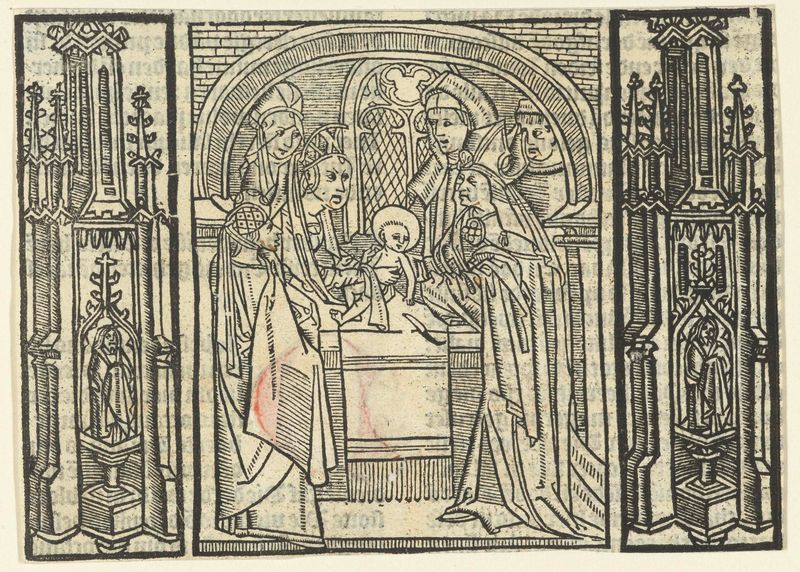
Besnijdenis van Christus
Master of Delft
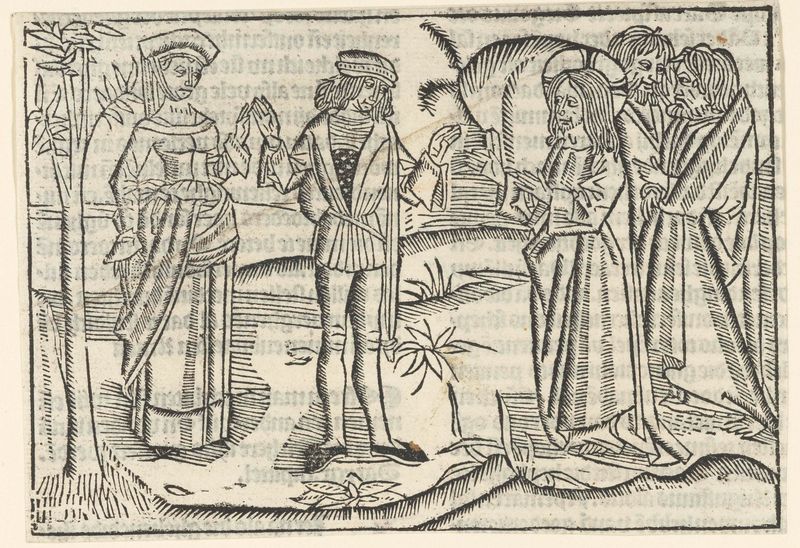
Christus predikt over scheiden
Master of Delft
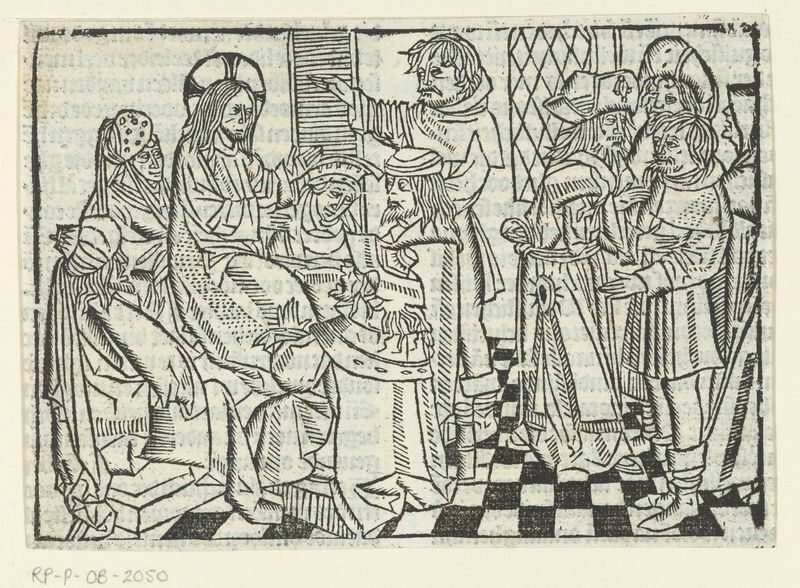
Christus geneest de man met een verdorde hand
Master of Delft
More Religious Art
Browse all →
The Return of the Prodigal Son
Rembrandt van Rijn

The Garden of Earthly Delights
El Bosco

Count Orgaz’ funeral
El Greco

The Hundred Guilder Print: the central piece with Christ preaching, the plate arched
Rembrandt van Rijn

The Descent from the Cross
Rogier van der Weyden

The return of the prodigal son
Rembrandt van Rijn