
Christus en de Kanaänitische vrouw — History & Facts
When did color learn to lie? In a world where truths are often draped in vibrant hues, the essence of ecstasy can mask the shadows of despair. Focus on the vivid interplay of hues as you glance at the centerpiece of this work: the striking figure of Christ, whose serene expression radiates a tranquil authority. Look to the right at the Canaanite woman, her face a tapestry of desperation and hope, illuminated by the soft yet commanding light that envelops them. Notice how the artist’s deft brushwork captures the tension of their gaze—two souls caught in a moment where compassion and desperation collide. Within the folds of their garments lies a deeper narrative, echoing themes of cultural division and the yearning for acceptance.
The rich reds and deep blues contrast the purity of Christ’s white robe, symbolizing the divide between the divine and the outcast. Each detail—her outstretched hand, the subtle twists of fabric—speaks to the emotional weight of their encounter, blurring the lines between mercy and judgment. The setting, stripped of elaborate ornamentation, draws our full attention to the essence of their shared moment, while the ethereal light hints at the possibility of transcendence. Created in 1503, this piece comes from a period in which the Master of Delft was exploring themes of empathy and humanity in a rapidly changing socio-political landscape.
As Europe grappled with the Reformation's upheaval, artists sought to bridge gaps between different faiths and cultures, making this painting a poignant reflection of its time. The artist, shrouded in anonymity, reflects the emerging humanism of the era, capturing the universal struggle for connection amidst discord.
More Artworks by Master of Delft
Browse all →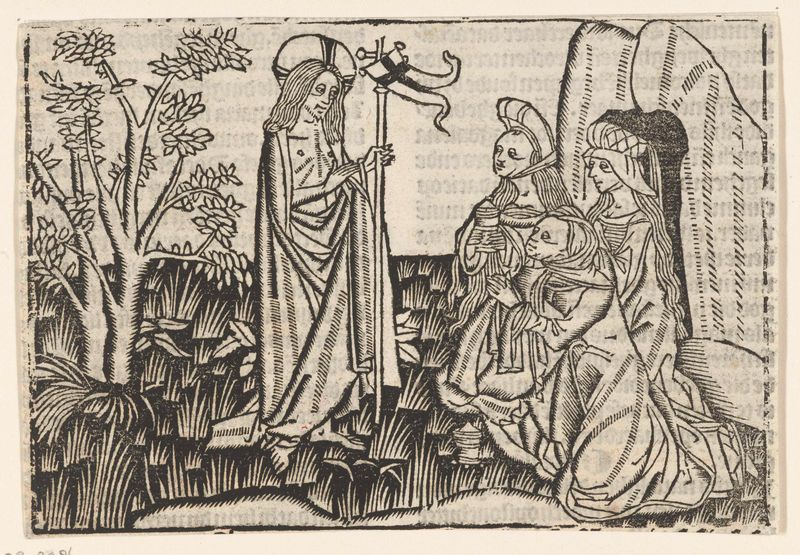
Christus verschijnt aan de drie Maria's
Master of Delft
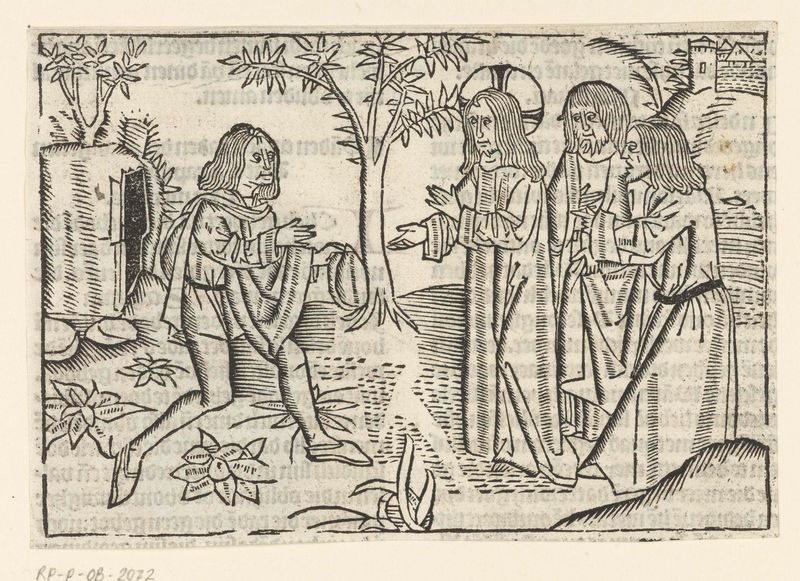
Christus en de rijke jongeling
Master of Delft
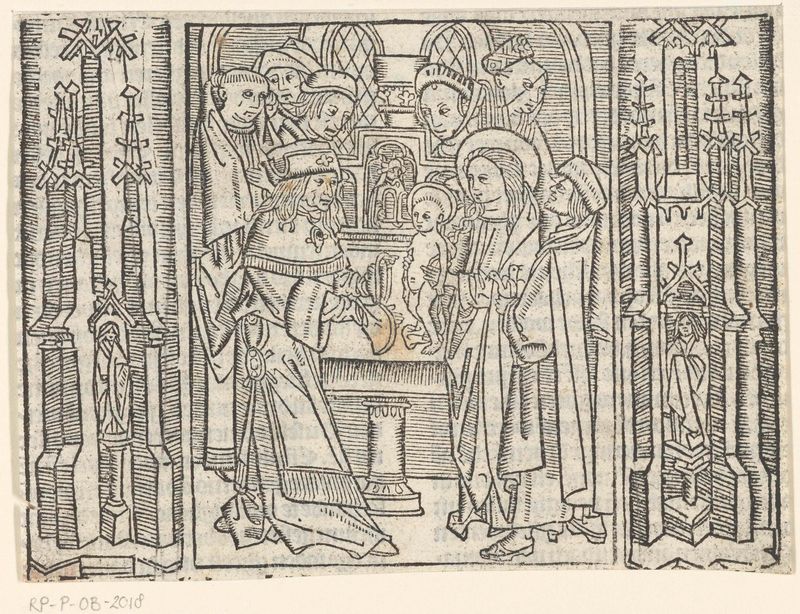
Presentatie van Christus in de tempel
Master of Delft
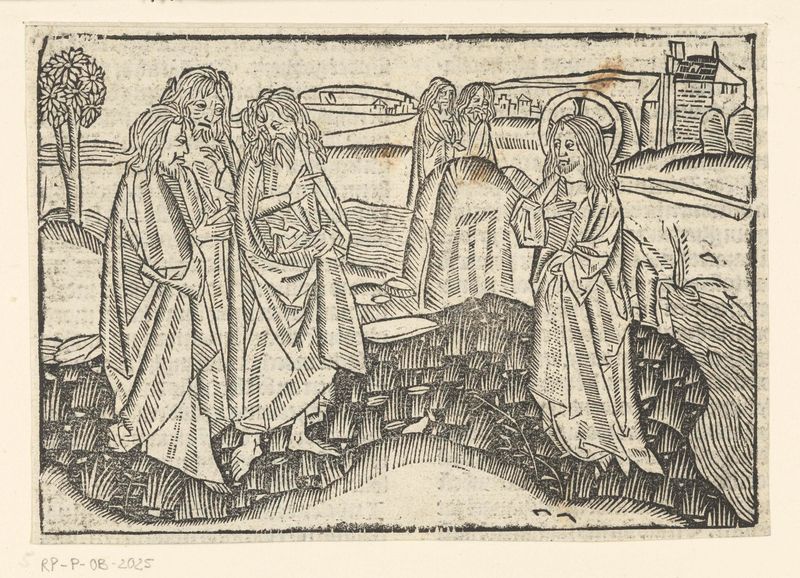
Christus kiest zijn eerste discipelen
Master of Delft
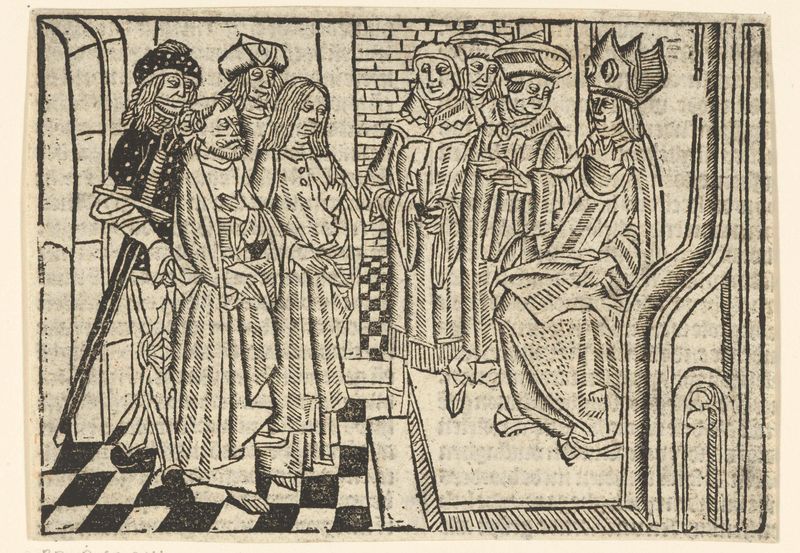
Petrus en Johannes de evangelist voor de hogepriester
Master of Delft
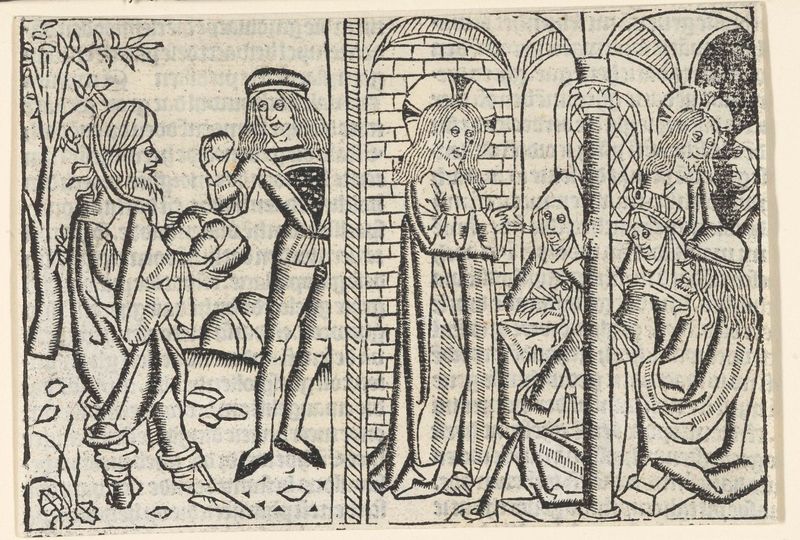
De Farizeeërs willen Christus stenigen
Master of Delft
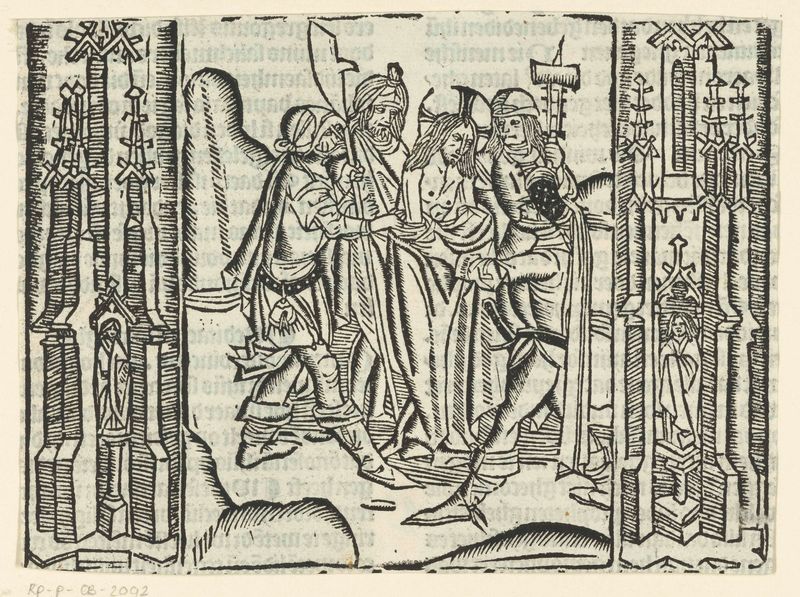
Christus wordt ontkleed
Master of Delft
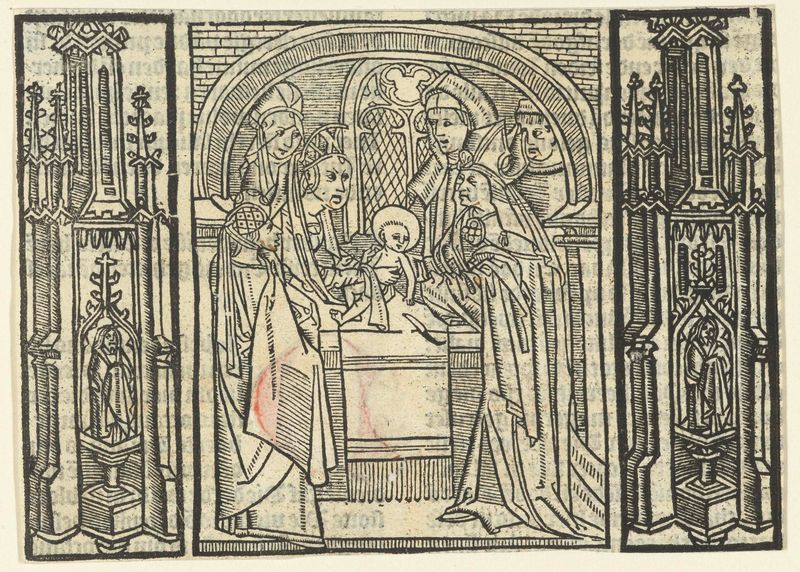
Besnijdenis van Christus
Master of Delft
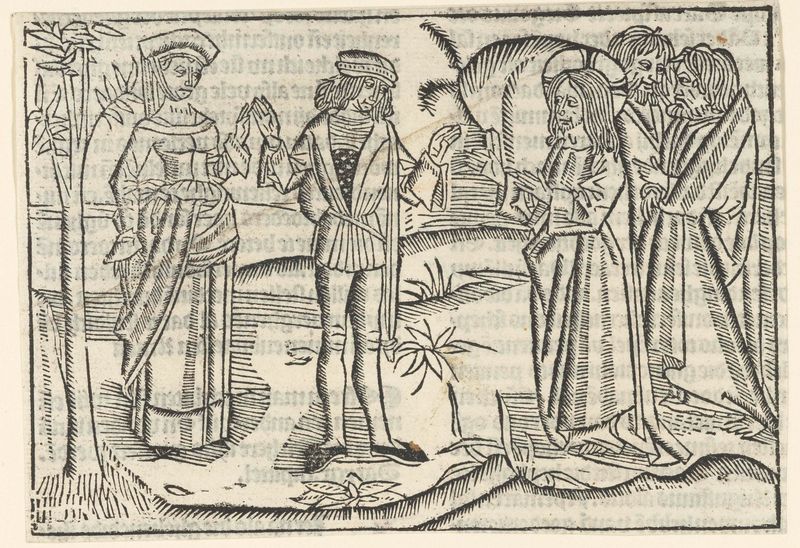
Christus predikt over scheiden
Master of Delft
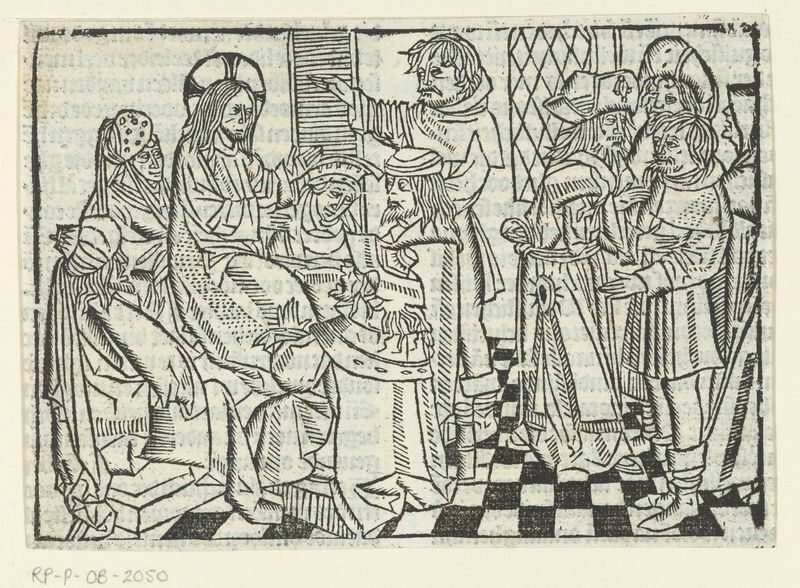
Christus geneest de man met een verdorde hand
Master of Delft
More Religious Art
Browse all →
The Return of the Prodigal Son
Rembrandt van Rijn

The Garden of Earthly Delights
El Bosco

Count Orgaz’ funeral
El Greco

The Hundred Guilder Print: the central piece with Christ preaching, the plate arched
Rembrandt van Rijn

The Descent from the Cross
Rogier van der Weyden

The return of the prodigal son
Rembrandt van Rijn