
Christus predikt over scheiden — History & Facts
The tension between the sacred and the ephemeral resonates deeply in this striking piece. In a world that often glorifies the divine, what whispers of decay linger beneath the surface of reverence? Look to the center, where the figure of Christ commands attention, adorned in rich, deep colors that evoke both splendor and sorrow. The golden halo haloed around His head captures the light, casting an ethereal glow that contrasts sharply with the darker tones of the background.
Notice how the meticulously rendered drapery flows around Him, each fold revealing the artist’s mastery of texture, while the expressions on the surrounding faces fluctuate between adoration and dread, encapsulating a profound moment of spiritual conflict. Beneath the surface beauty lies a poignant examination of mortality and transience. The delicate flowers at Christ's feet hint at the fleeting nature of life, while the juxtaposition of His serene expression against the turmoil of the onlookers reflects the tension between faith and despair. Each detail, each gesture, invites viewers to reflect on their own struggles with loss and redemption, suggesting that divine wisdom often comes wrapped in the bitter lessons of decay and the inevitability of human frailty. Created in 1503, this work emerged during a transformative time for religious art in the Netherlands, where the Master of Delft was navigating both a personal and artistic evolution.
The early 16th century was marked by a shift in focus towards intimate, emotional engagement with sacred themes, reflecting a growing desire to connect on a personal level with faith. In this context, the artist’s ability to weave together beauty and decay speaks to the complexities of human experience, illustrating a moment where divine revelation and earthly suffering coexist.
More Artworks by Master of Delft
Browse all →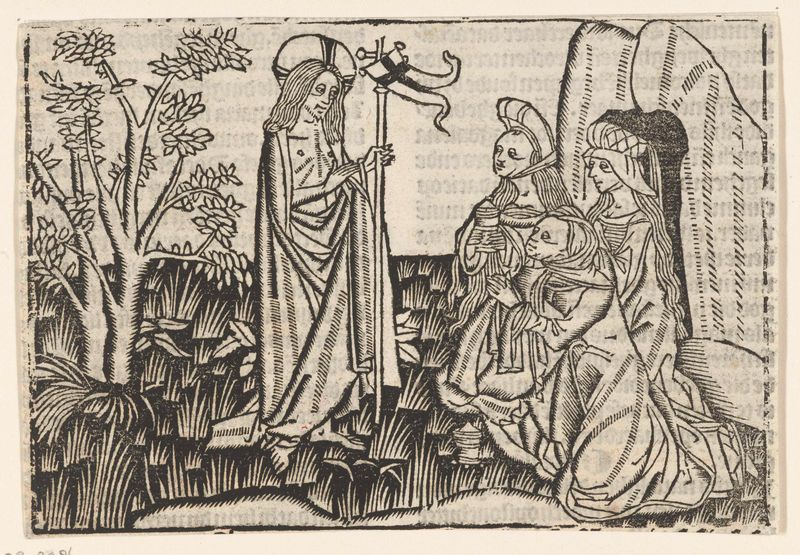
Christus verschijnt aan de drie Maria's
Master of Delft
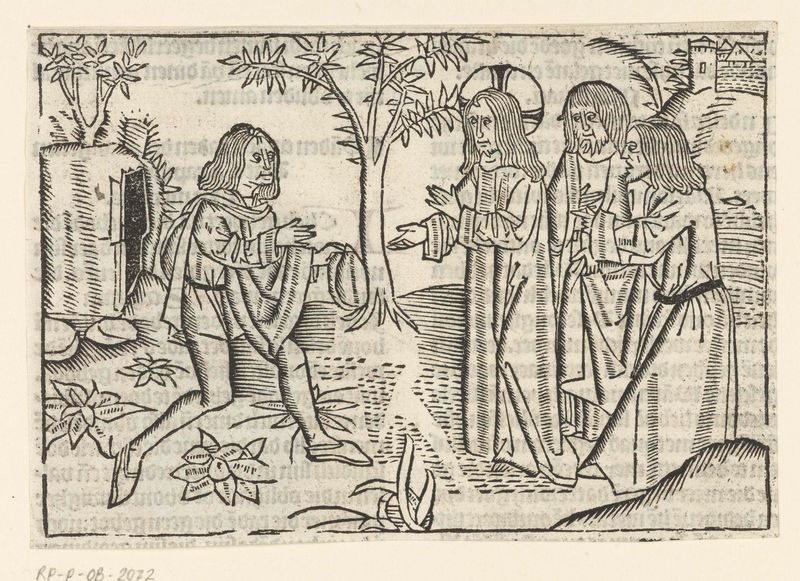
Christus en de rijke jongeling
Master of Delft
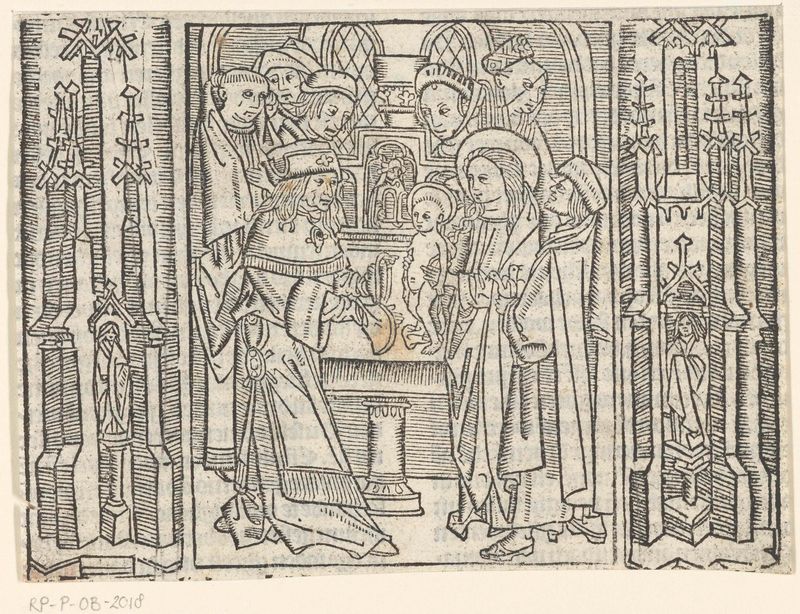
Presentatie van Christus in de tempel
Master of Delft
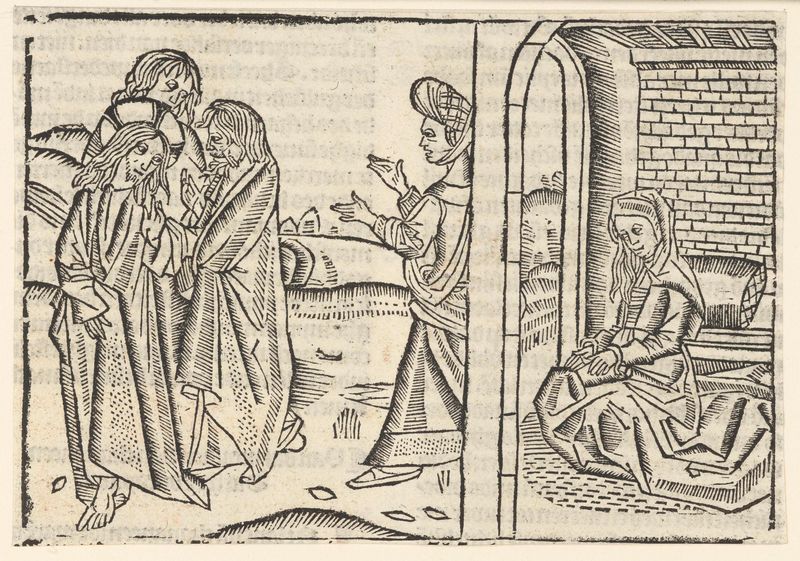
Christus en de Kanaänitische vrouw
Master of Delft
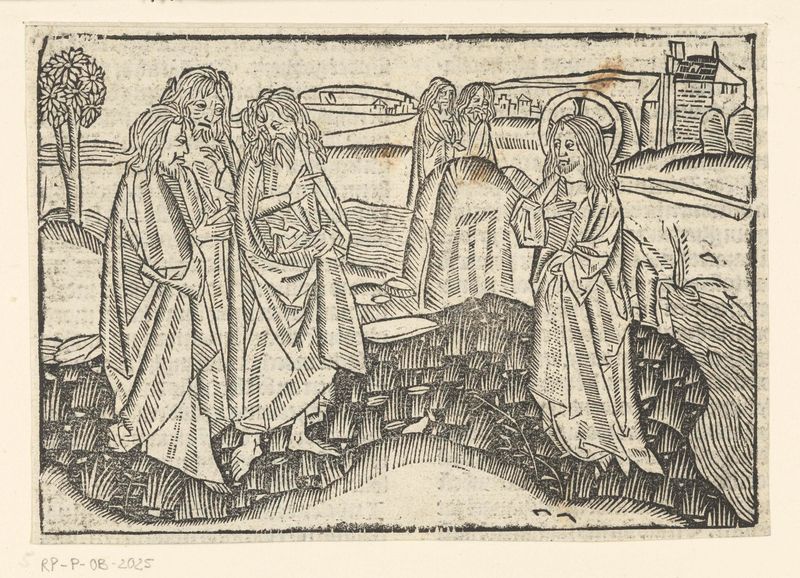
Christus kiest zijn eerste discipelen
Master of Delft
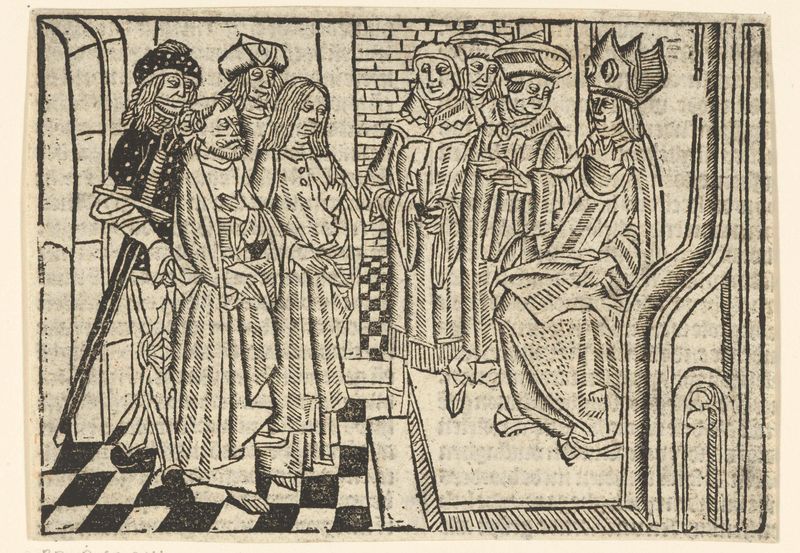
Petrus en Johannes de evangelist voor de hogepriester
Master of Delft
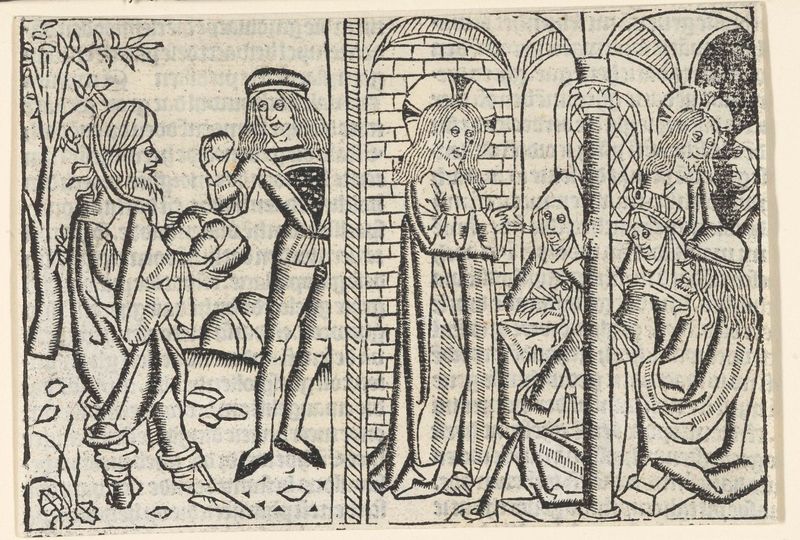
De Farizeeërs willen Christus stenigen
Master of Delft
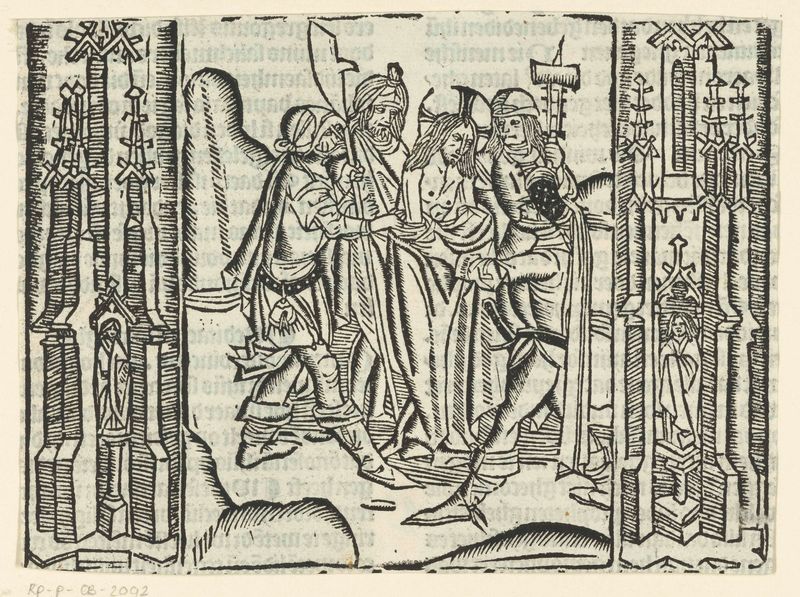
Christus wordt ontkleed
Master of Delft
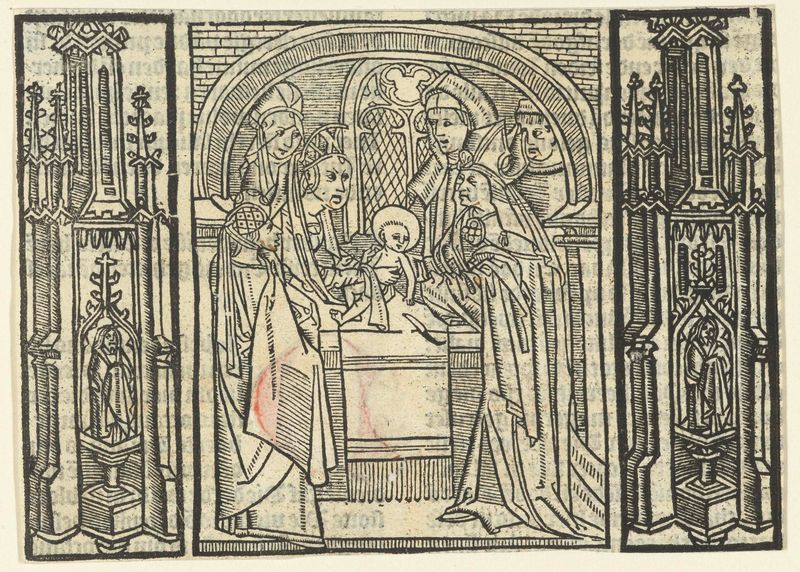
Besnijdenis van Christus
Master of Delft
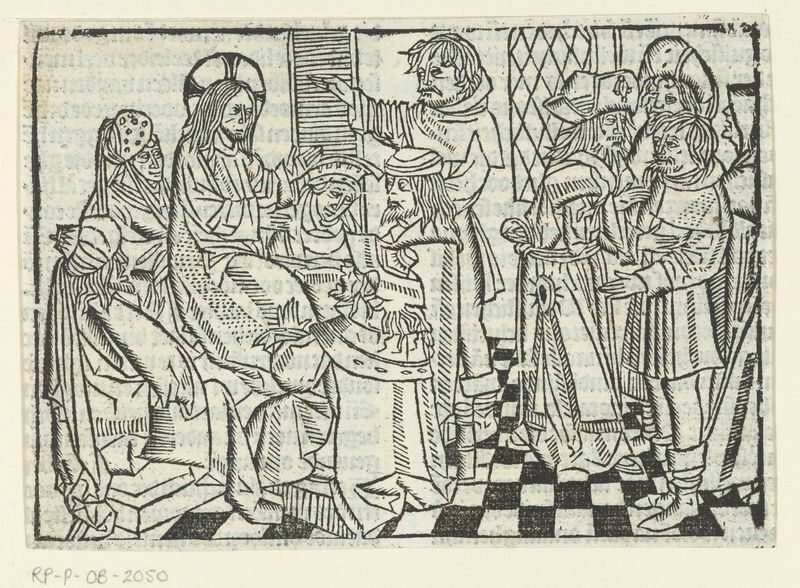
Christus geneest de man met een verdorde hand
Master of Delft
More Religious Art
Browse all →
The Return of the Prodigal Son
Rembrandt van Rijn

The Garden of Earthly Delights
El Bosco

Count Orgaz’ funeral
El Greco

The Hundred Guilder Print: the central piece with Christ preaching, the plate arched
Rembrandt van Rijn

The Descent from the Cross
Rogier van der Weyden

The return of the prodigal son
Rembrandt van Rijn