
Christus wordt ontkleed — History & Facts
Did the painter know this moment would outlive them? As we gaze upon this poignant depiction, one cannot help but feel the weight of enduring sorrow that lingers in the air. Focus on the somber figures arranged around the central scene, a tableau of vulnerability and dignity. The masterfully rendered drapery clings to the form of Christ, a delicate interplay of shadow and light that heightens the tension of exposure. Look closely at the contrasting palette of muted earth tones and deep shadows, which invite a sense of introspection while accentuating the grim reality of the moment, evoking a powerful emotional response. Deeper insights emerge when examining the expressions of the figures surrounding Christ.
Each face tells a story of grief and resignation, their hands frozen in a gesture that suggests both care and helplessness. There’s a striking contrast between the physical vulnerability of the central figure and the rigid postures of those who witness this moment, raising questions about compassion and the human condition. This tension is amplified by the soft glow of the light that bathes the scene, offering a sense of hope amid the palpable sadness. Created in 1503, this work was a product of the Northern Renaissance, a period of profound transformation in art and spirituality.
The painter, part of a community rich in craftsmanship, sought to explore themes of faith and sacrifice during a time marked by religious upheaval. In this context, the artwork captures not only a pivotal moment of human suffering but also serves as an enduring reflection on mortality and the legacy of art.
More Artworks by Master of Delft
Browse all →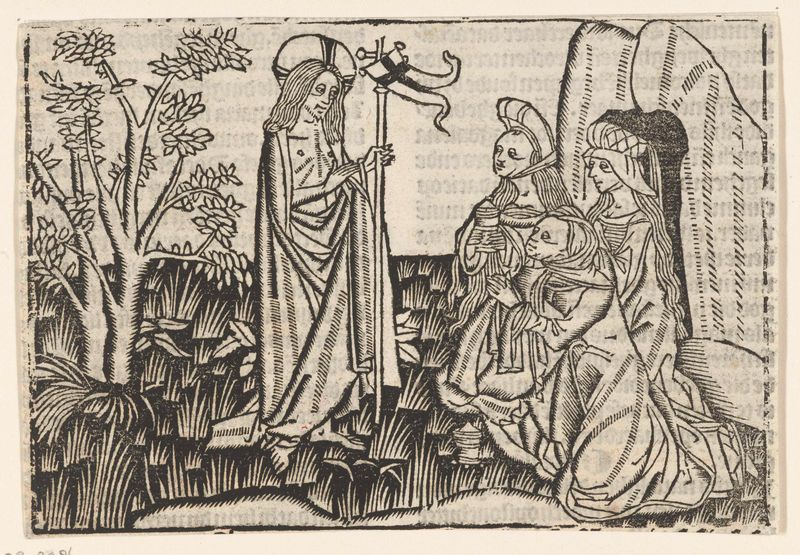
Christus verschijnt aan de drie Maria's
Master of Delft
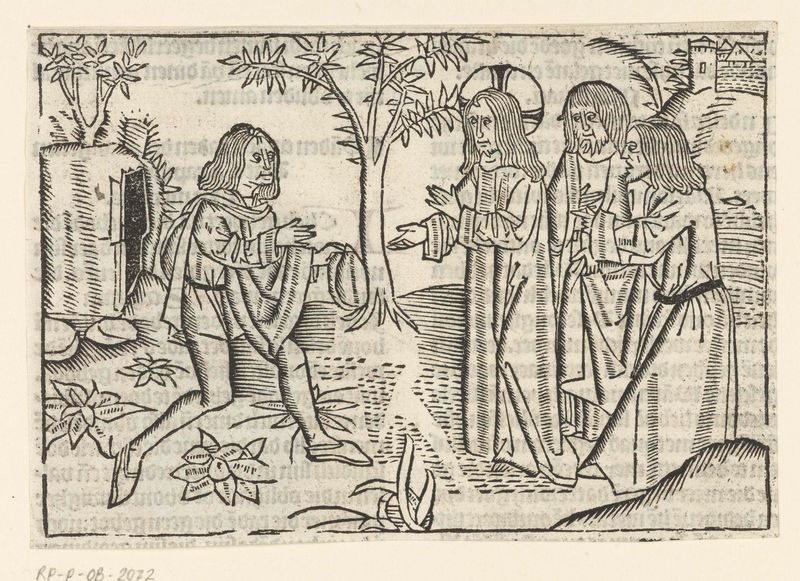
Christus en de rijke jongeling
Master of Delft
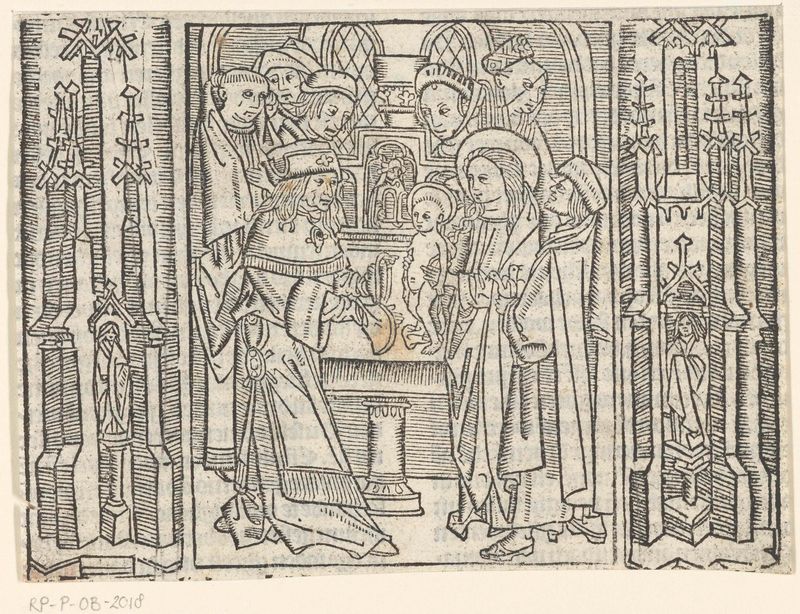
Presentatie van Christus in de tempel
Master of Delft
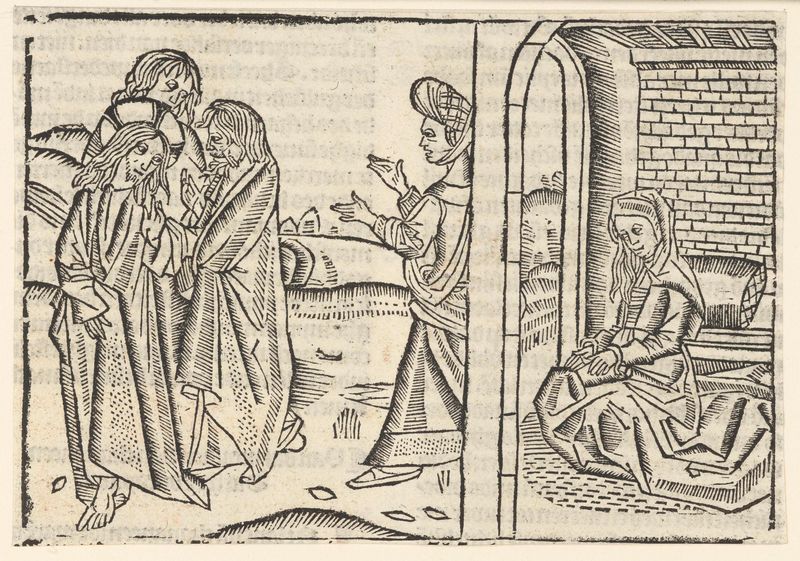
Christus en de Kanaänitische vrouw
Master of Delft
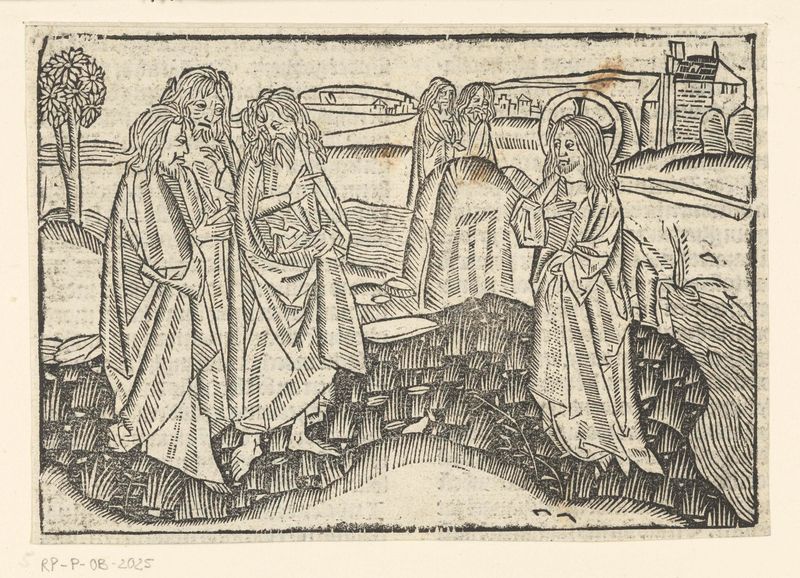
Christus kiest zijn eerste discipelen
Master of Delft
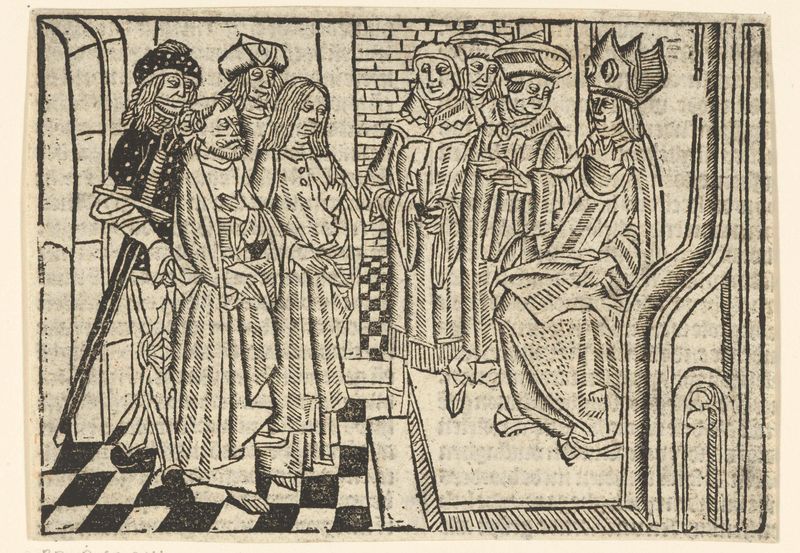
Petrus en Johannes de evangelist voor de hogepriester
Master of Delft
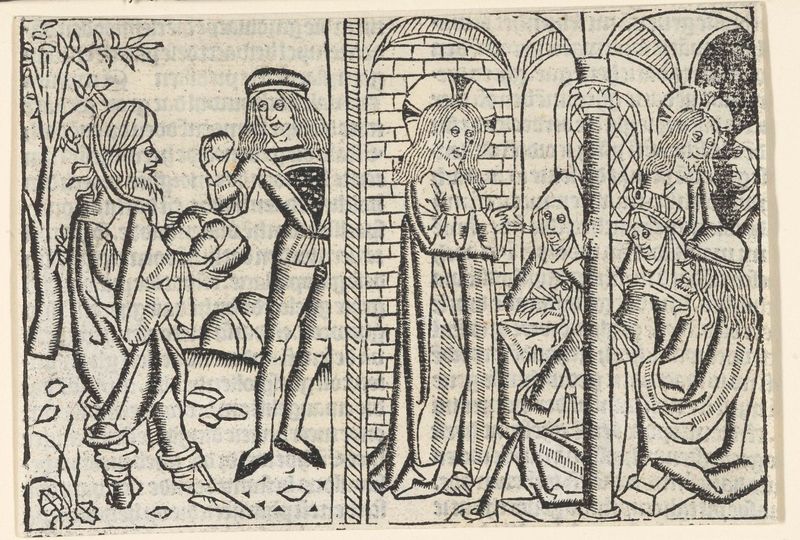
De Farizeeërs willen Christus stenigen
Master of Delft
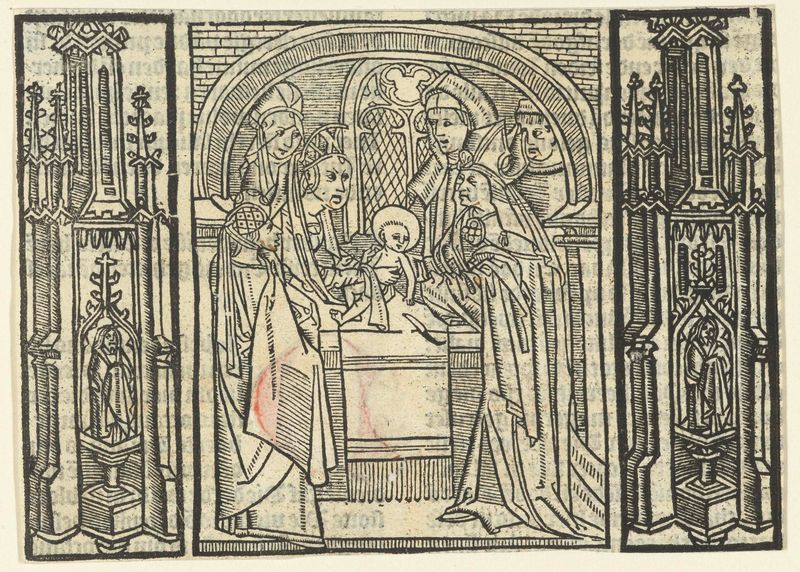
Besnijdenis van Christus
Master of Delft
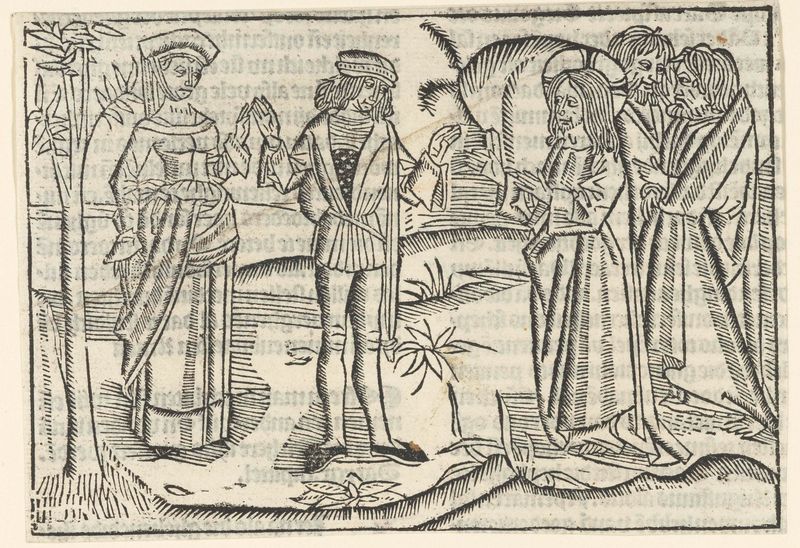
Christus predikt over scheiden
Master of Delft
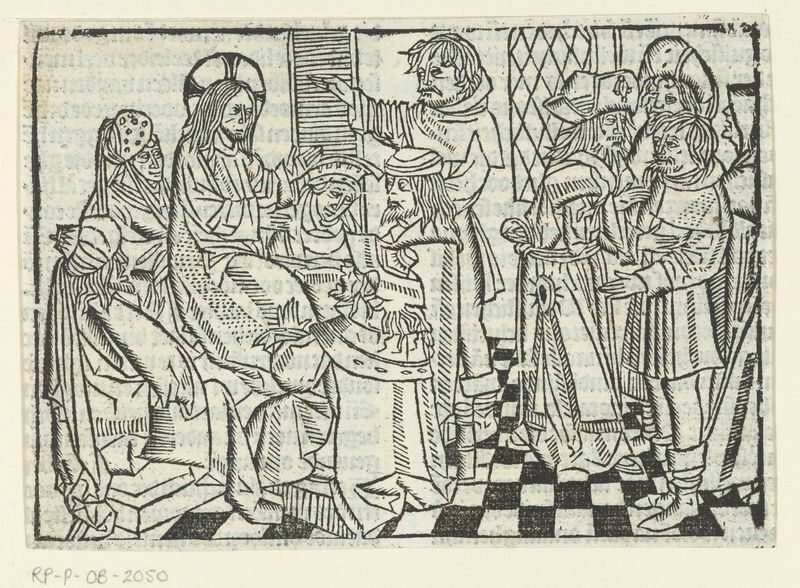
Christus geneest de man met een verdorde hand
Master of Delft
More Religious Art
Browse all →
The Return of the Prodigal Son
Rembrandt van Rijn

The Garden of Earthly Delights
El Bosco

Count Orgaz’ funeral
El Greco

The Hundred Guilder Print: the central piece with Christ preaching, the plate arched
Rembrandt van Rijn

The Descent from the Cross
Rogier van der Weyden

The return of the prodigal son
Rembrandt van Rijn