
Christus en de Samaritaanse vrouw — History & Facts
Can paint confess what words never could? In the delicate balance between truth and illusion, the visual realm often speaks when language falls short. Begin your exploration at the forefront, where the figure of Christ holds the viewer's gaze with calm authority. Look closely at his serene expression, which is accentuated by the intricate play of light reflecting on his robes. Notice how the warm, earthy tones of the Samaritan woman's attire create a striking contrast against the cool highlights around Christ, drawing a visual line of dialogue between the two figures.
Every brushstroke becomes a whisper, inviting you deeper into their moment of profound exchange. As you linger, the emotional tension between the figures becomes palpable. The Samaritan woman’s downcast eyes tell a story of vulnerability, while Christ’s steady gaze suggests understanding and compassion. Their positioning in the frame subtly highlights the societal boundaries they are overcoming; the physical space between them is both a barrier and a bridge.
The luminous glow enveloping Christ hints at divine presence, contrasting the muted shadows surrounding the woman, suggesting her societal marginalization. Created in 1503, this work emerges from a period when the artist, working in Delft, was deeply influenced by humanist ideas and the burgeoning interest in individual narratives within art. The cultural landscape was shifting toward realism and emotion, reflecting a society grappling with faith and social norms. This piece encapsulates that transition, revealing a moment both timeless and profoundly relevant in its exploration of human connection.
More Artworks by Master of Delft
Browse all →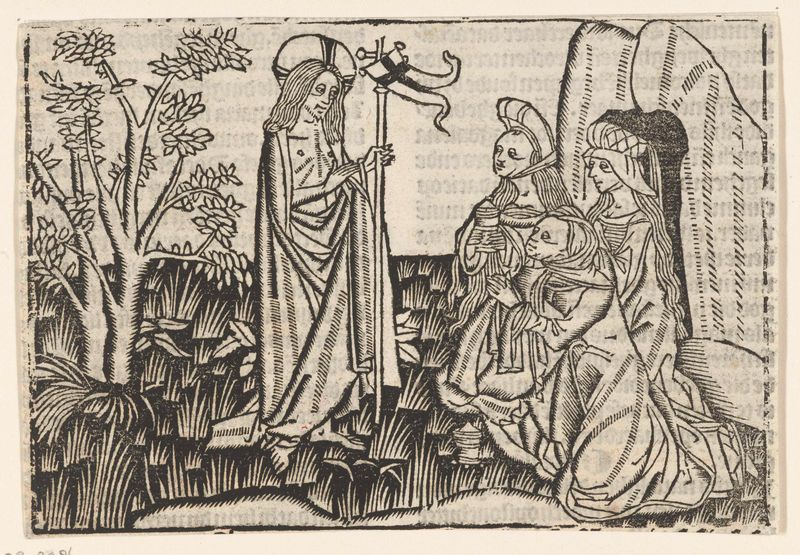
Christus verschijnt aan de drie Maria's
Master of Delft
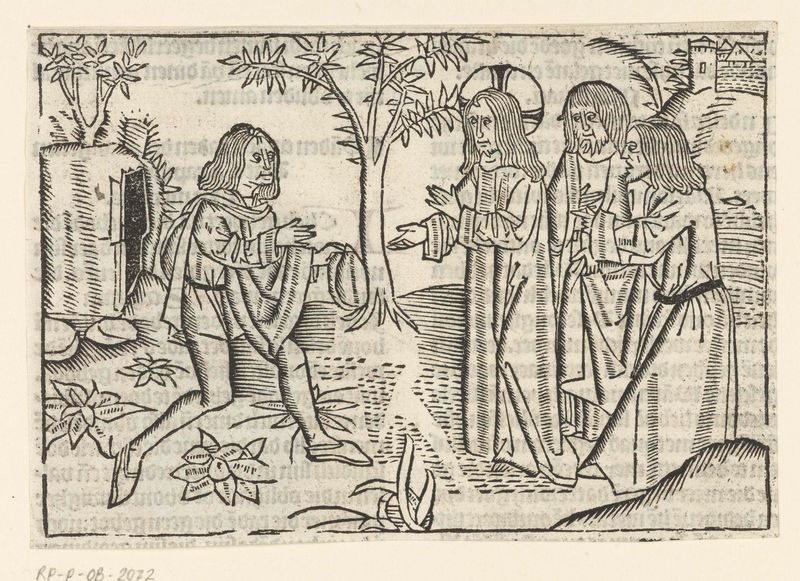
Christus en de rijke jongeling
Master of Delft
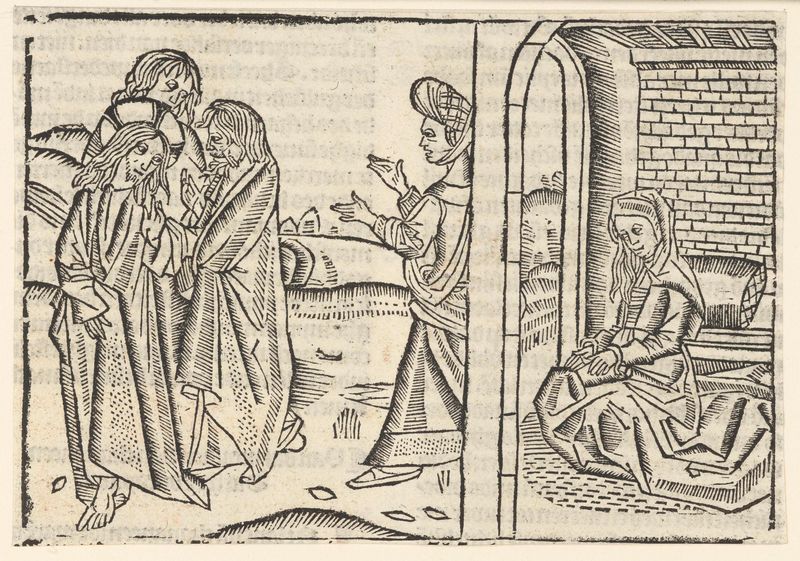
Christus en de Kanaänitische vrouw
Master of Delft
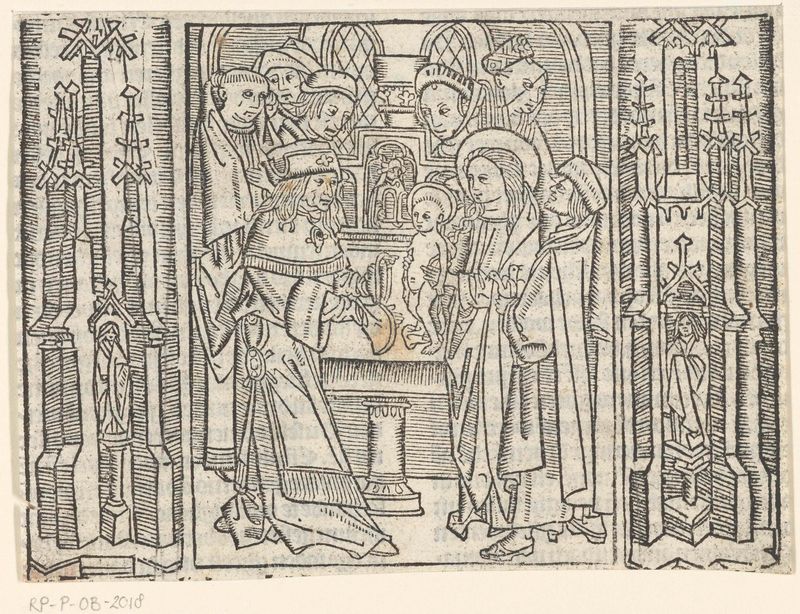
Presentatie van Christus in de tempel
Master of Delft
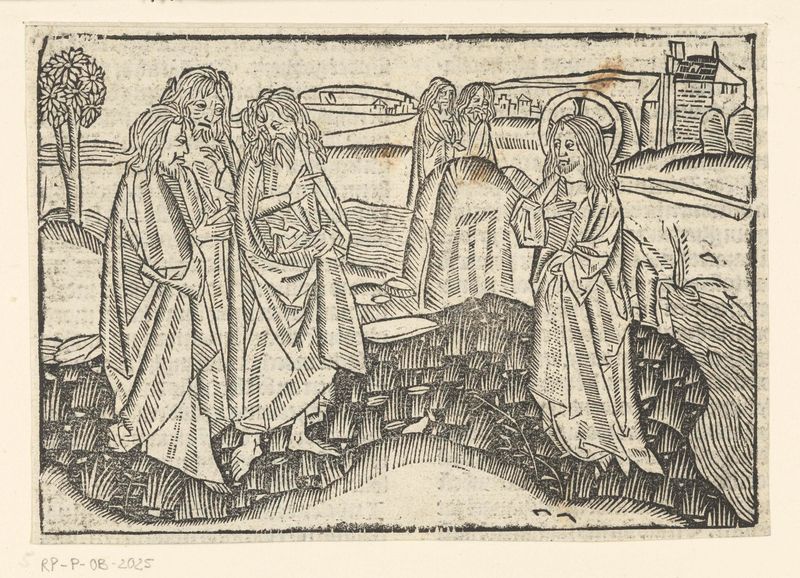
Christus kiest zijn eerste discipelen
Master of Delft
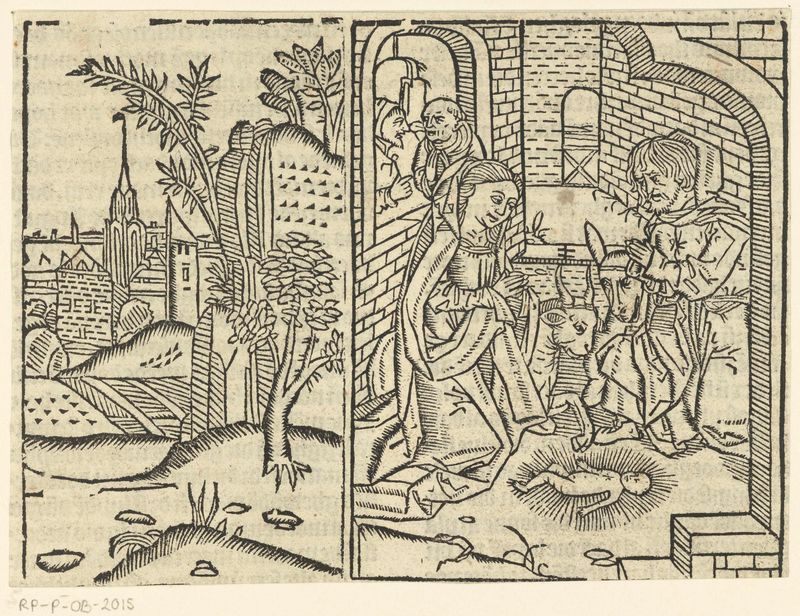
Geboorte van Christus
Master of Delft
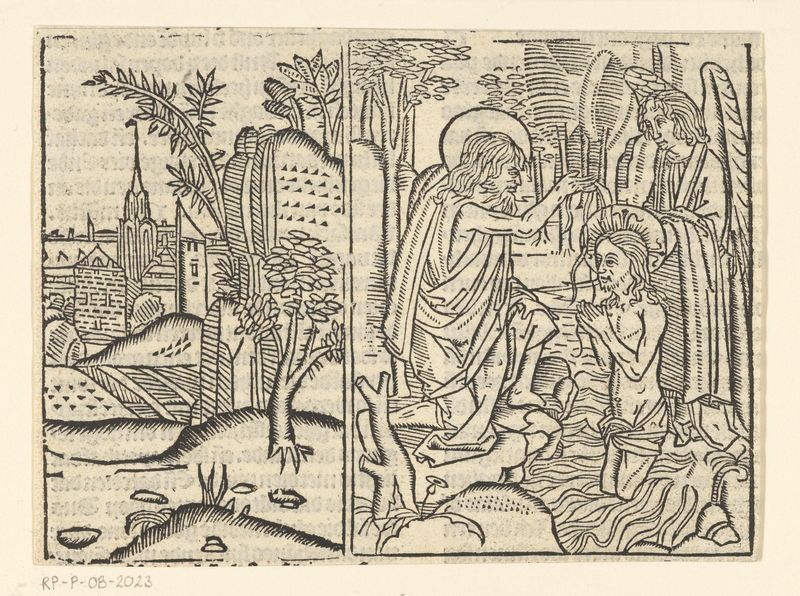
De doop van Christus in de Jordaan
Master of Delft
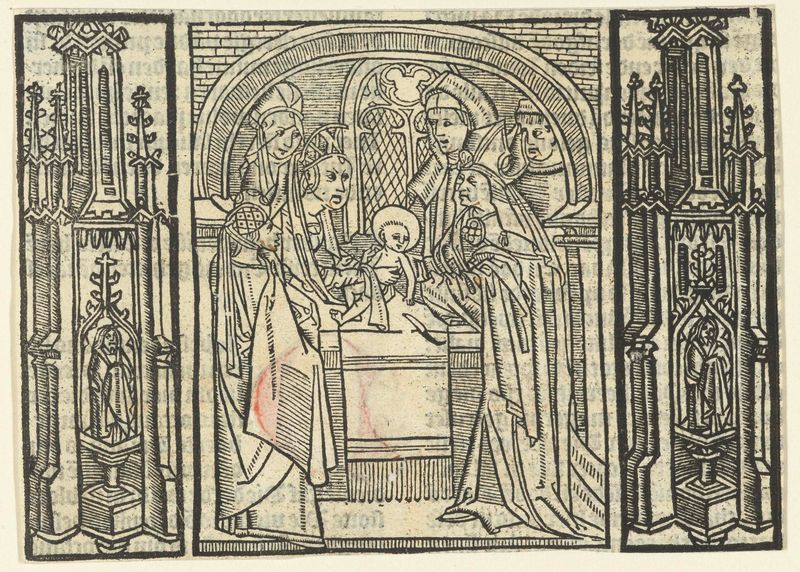
Besnijdenis van Christus
Master of Delft
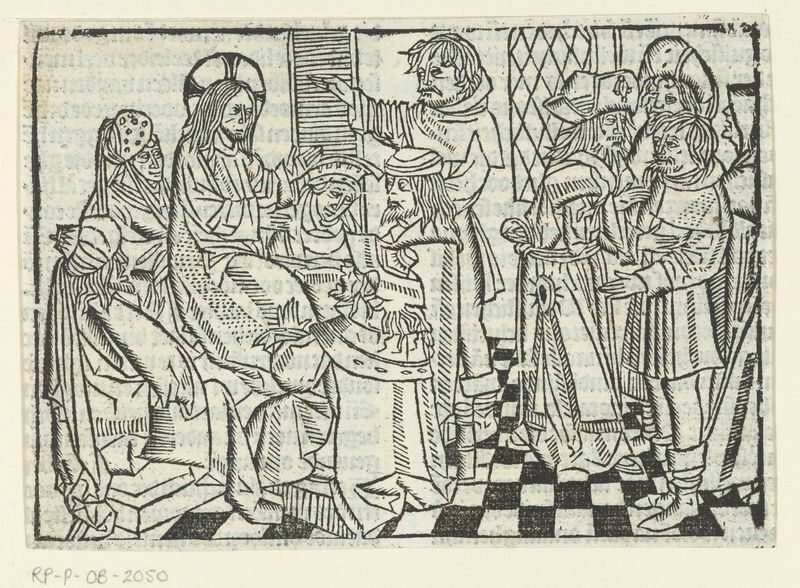
Christus geneest de man met een verdorde hand
Master of Delft
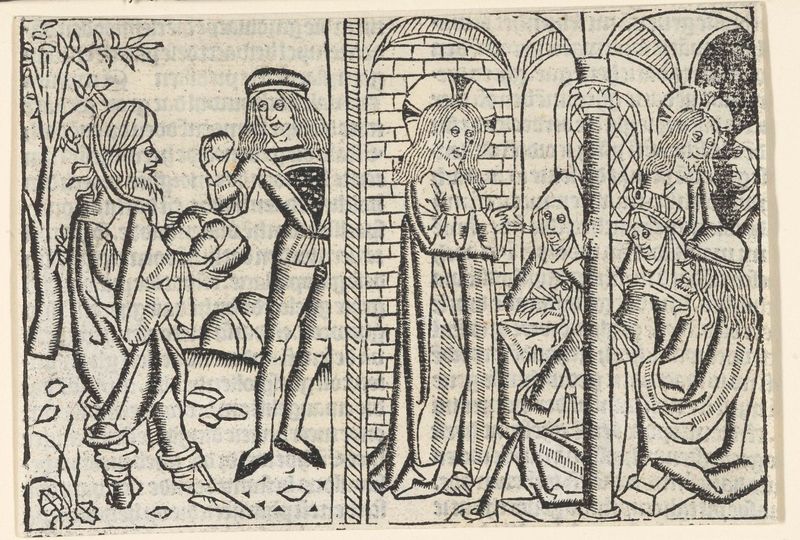
De Farizeeërs willen Christus stenigen
Master of Delft
More Religious Art
Browse all →
The Return of the Prodigal Son
Rembrandt van Rijn

The Garden of Earthly Delights
El Bosco

Count Orgaz’ funeral
El Greco

The Hundred Guilder Print: the central piece with Christ preaching, the plate arched
Rembrandt van Rijn

The Descent from the Cross
Rogier van der Weyden

The return of the prodigal son
Rembrandt van Rijn