
Christus geneest de verlamde man — History & Facts
Who listens when art speaks of silence? In 1503, the Master of Delft captured a profound moment where movement transcends the physical, inviting us to contemplate the deeper currents of healing and hope. Look to the left where a figure, poised with a mixture of authority and compassion, extends a hand towards the paralyzed man. Notice the delicate brushstrokes that depict the interplay of light and shadow, accentuating the tension within the room. The muted palette of earth tones evokes a solemn atmosphere, while flashes of brighter hues draw your eye to the central figures, effectively anchoring the emotional weight of the scene. In the tension between the figure of Christ and the man in need lies a profound contrast: strength versus vulnerability.
The surrounding onlookers, rendered with a subtle yet intense scrutiny, amplify the drama of the moment. Each facial expression and gesture speaks volumes, suggesting not only the act of healing but also the weight of faith, doubt, and the myriad emotions that accompany such pivotal changes in human life. The Master of Delft created this work during a time when Northern Renaissance artists were exploring themes of spirituality and humanism with increasing depth. Living in a period marked by both artistic innovation and the complexities of religious discourse, the artist’s exploration of healing and divine intervention resonates profoundly amidst the cultural currents of the early 16th century.
More Artworks by Master of Delft
Browse all →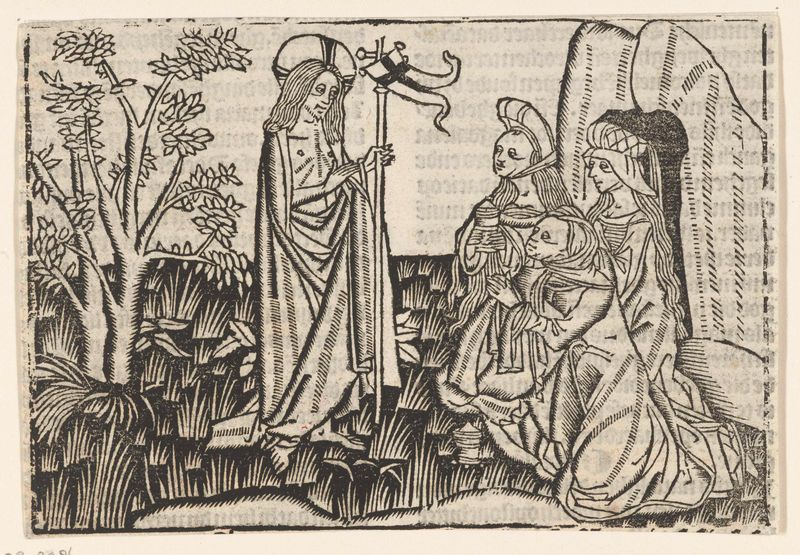
Christus verschijnt aan de drie Maria's
Master of Delft
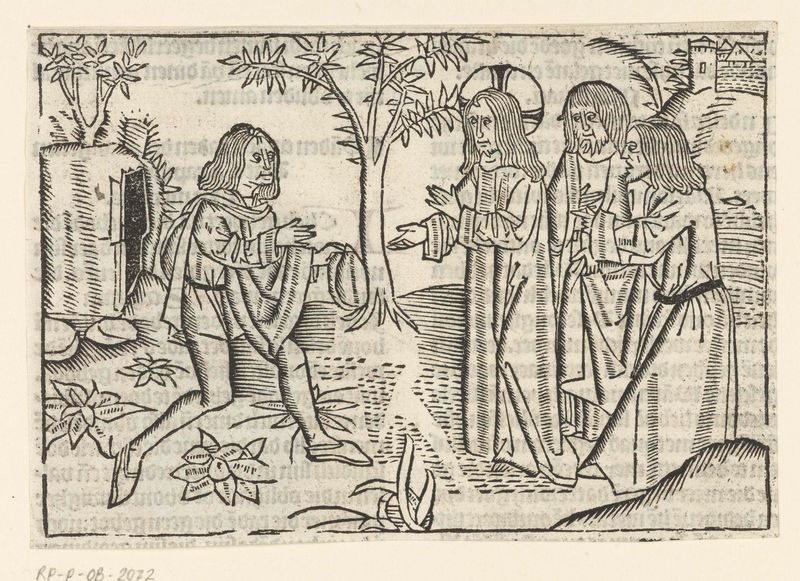
Christus en de rijke jongeling
Master of Delft
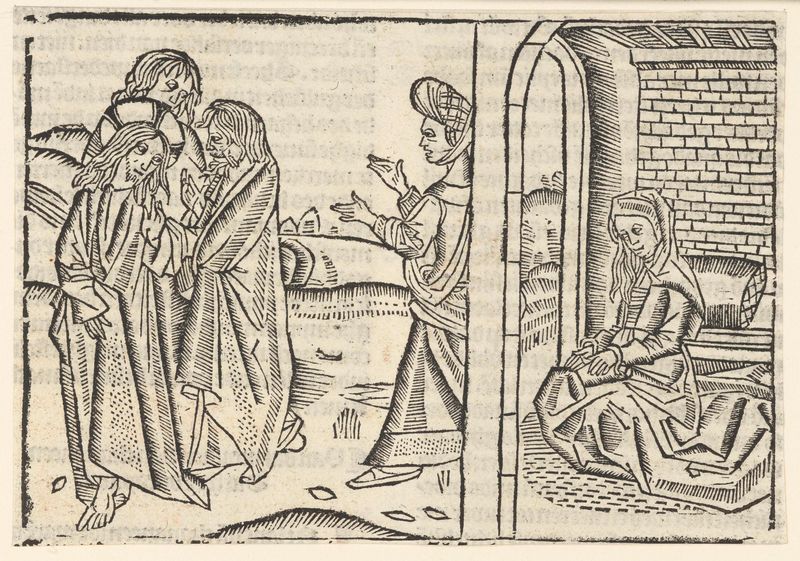
Christus en de Kanaänitische vrouw
Master of Delft
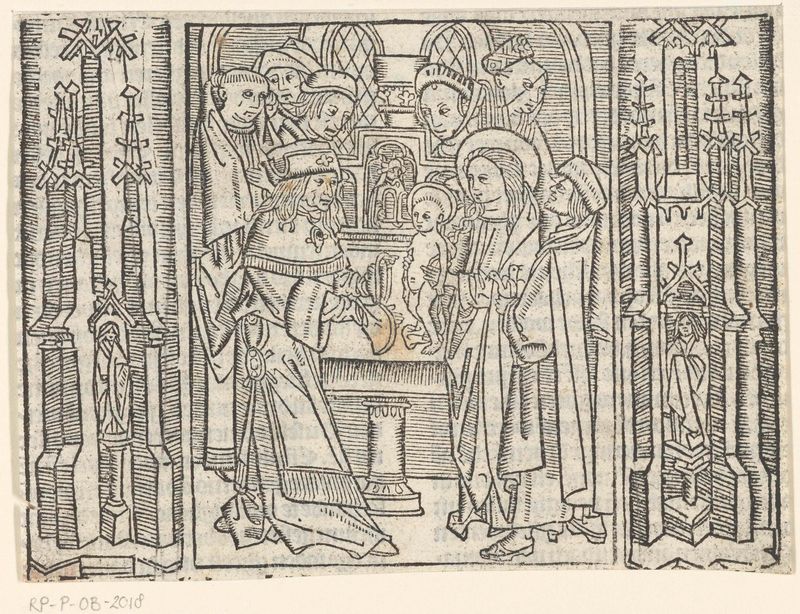
Presentatie van Christus in de tempel
Master of Delft
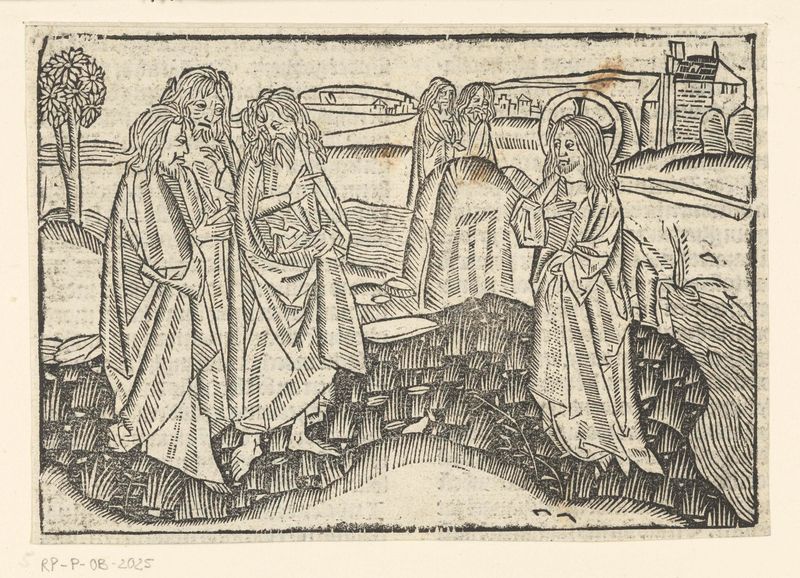
Christus kiest zijn eerste discipelen
Master of Delft
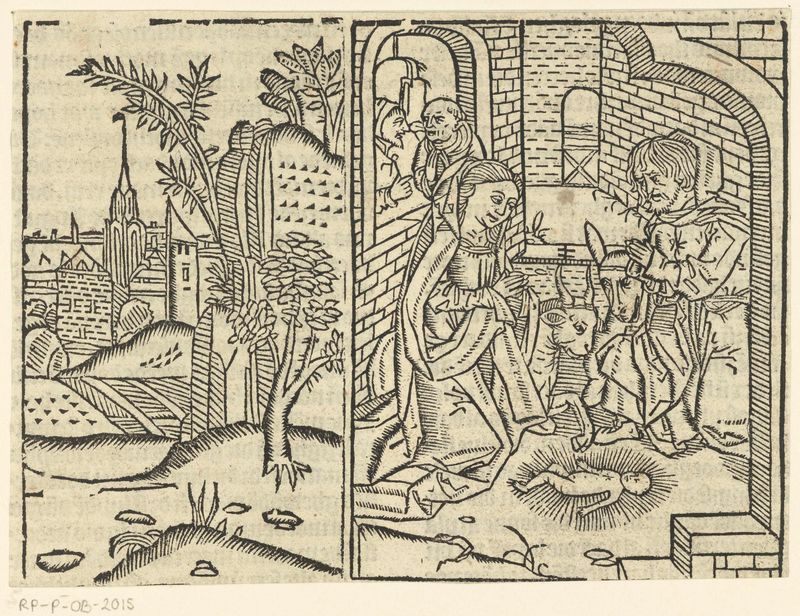
Geboorte van Christus
Master of Delft
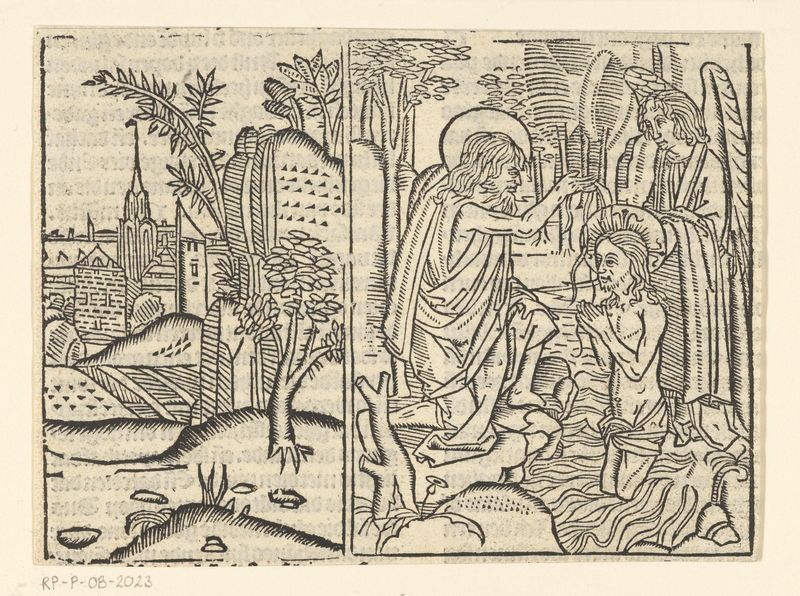
De doop van Christus in de Jordaan
Master of Delft
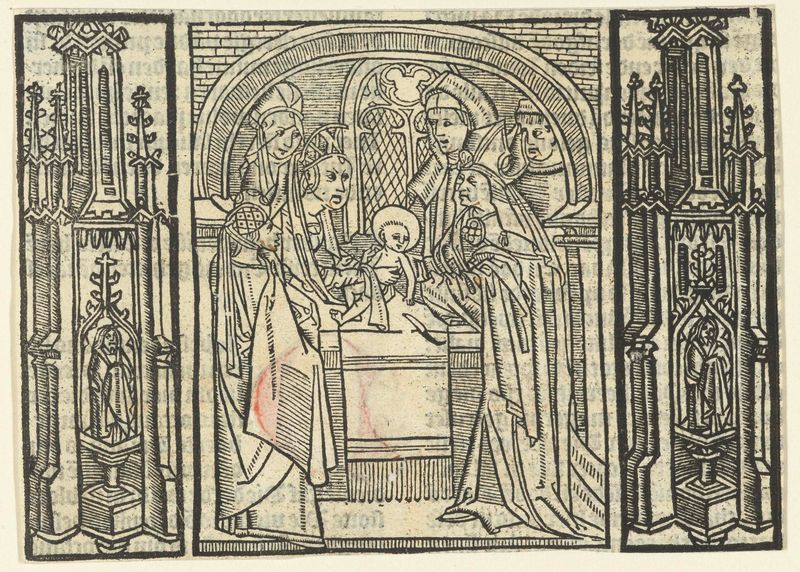
Besnijdenis van Christus
Master of Delft
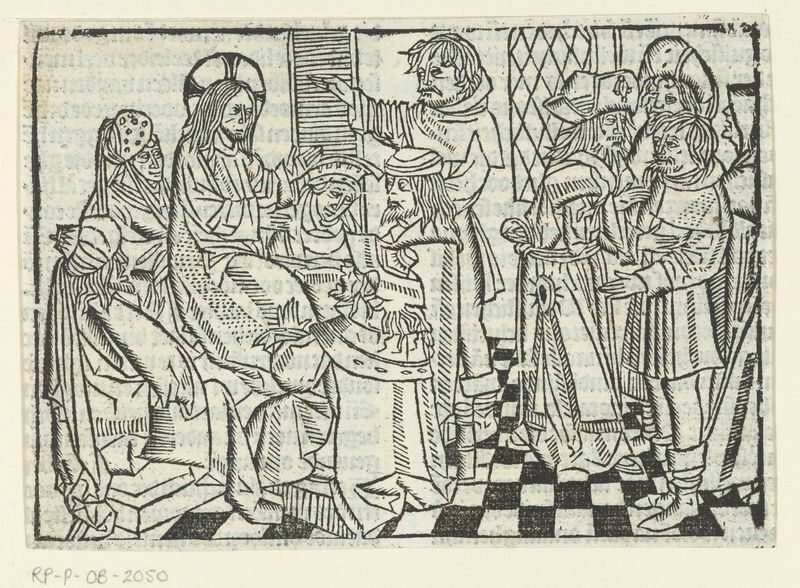
Christus geneest de man met een verdorde hand
Master of Delft
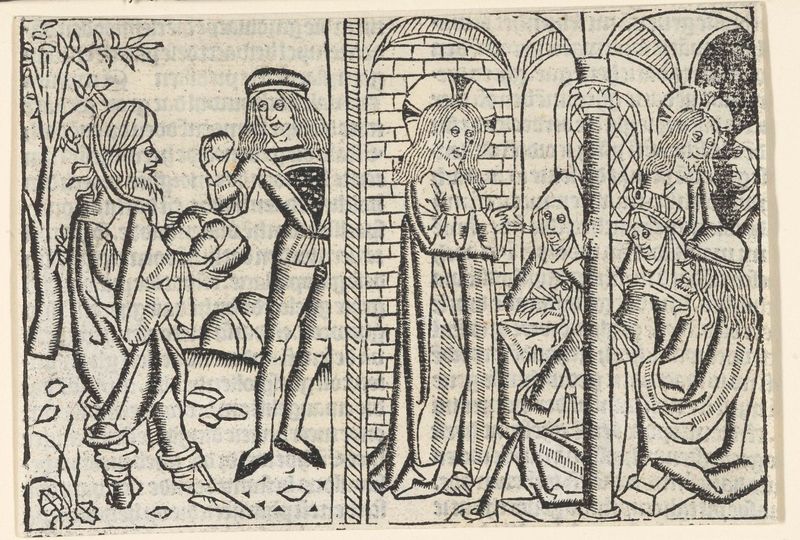
De Farizeeërs willen Christus stenigen
Master of Delft
More Religious Art
Browse all →
The Return of the Prodigal Son
Rembrandt van Rijn

The Garden of Earthly Delights
El Bosco

Count Orgaz’ funeral
El Greco

The Hundred Guilder Print: the central piece with Christ preaching, the plate arched
Rembrandt van Rijn

The Descent from the Cross
Rogier van der Weyden

The return of the prodigal son
Rembrandt van Rijn