
Christus geneest een man bij het bad van Betesda — History & Facts
Can beauty exist without sorrow? This poignant question unravels through the layers of Christus geneest een man bij het bad van Betesda, where moments of healing intertwine with the echoes of despair. Look closely at the central figure, a man draped in muted tones, his frail form illuminated by gentle light that spills from an unseen source. The contrast of the vibrant colors surrounding him draws your eye, directing your gaze toward the serene yet powerful figure of Christ. The delicate brushwork captures the soft textures of garments and the rippling water, inviting you to feel the stillness and anticipation of the moment.
Each element, from the intricately painted architecture to the expressions of the onlookers, emphasizes the transformative power of faith and compassion. Within this composition lies a profound narrative of rebirth and redemption. The serene yet determined gaze of Christ suggests an unwavering commitment to healing, while the man's vulnerable posture evokes the weight of suffering and longing. The juxtaposition of the tranquil water against the chaos of human emotion represents the duality of life—joy intertwined with pain, hope alongside despair.
Such contrasts deepen the viewer’s engagement, provoking contemplation on the nature of salvation and the human experience. In 1503, the Master of Delft created this work during a time of burgeoning artistic innovation marked by the Northern Renaissance. While society was beginning to embrace humanist ideals, artists like him sought to intertwine divine narratives with human emotion. This period fostered a unique exploration of spirituality, shaping the artist's vision and revealing the complexity of faith and existence in his time.
More Artworks by Master of Delft
Browse all →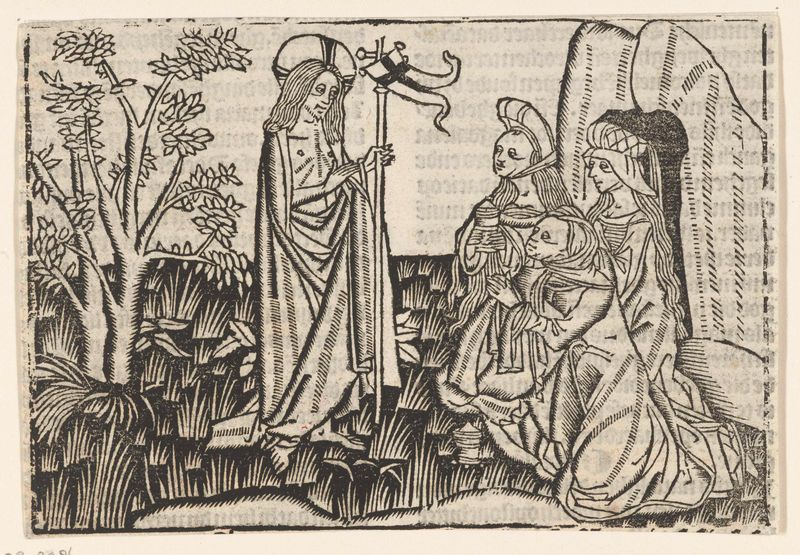
Christus verschijnt aan de drie Maria's
Master of Delft
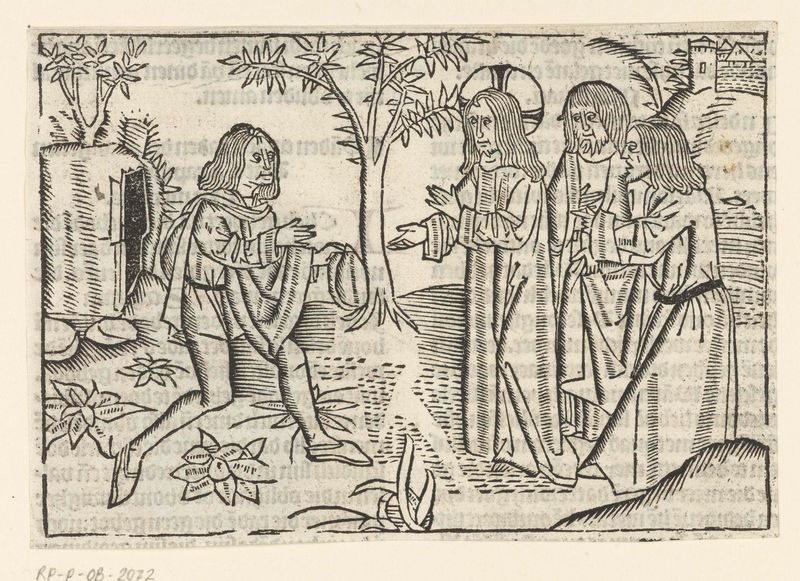
Christus en de rijke jongeling
Master of Delft
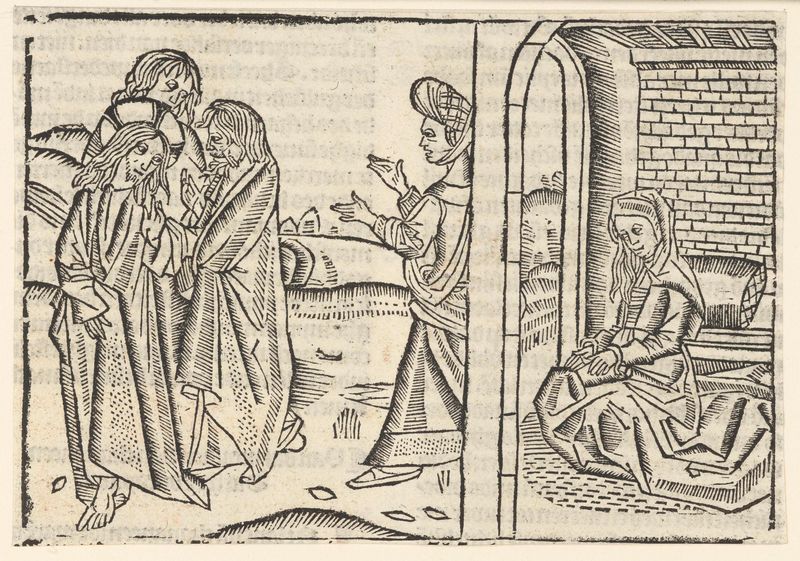
Christus en de Kanaänitische vrouw
Master of Delft
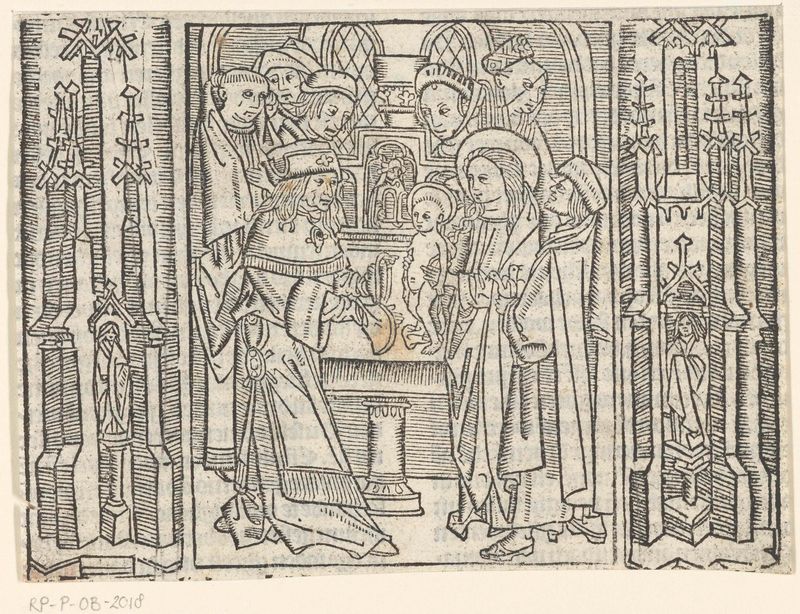
Presentatie van Christus in de tempel
Master of Delft
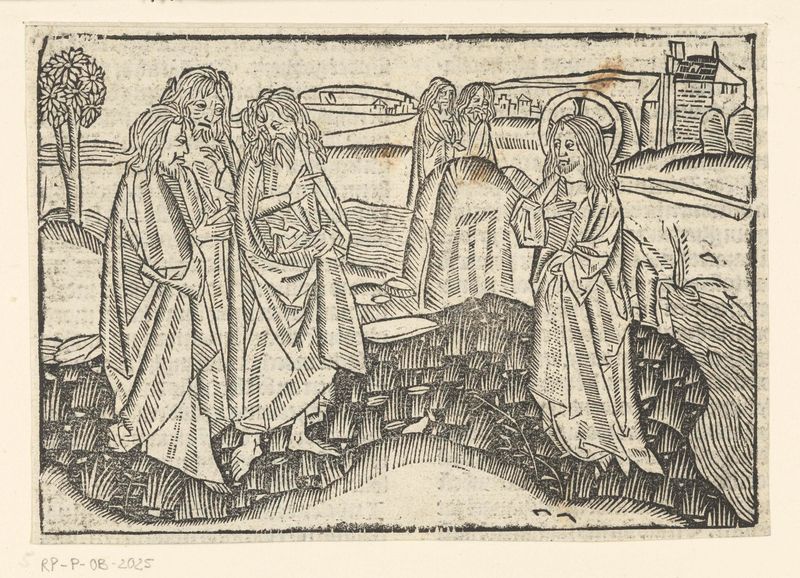
Christus kiest zijn eerste discipelen
Master of Delft
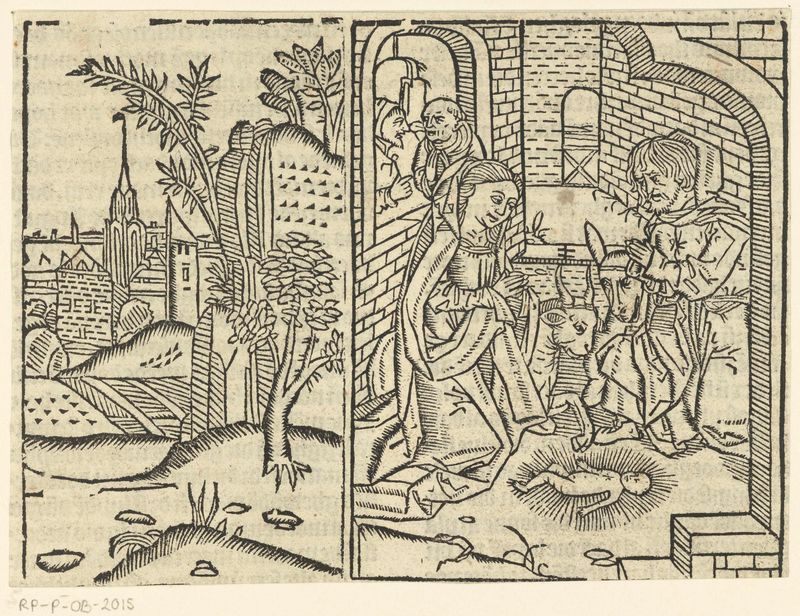
Geboorte van Christus
Master of Delft
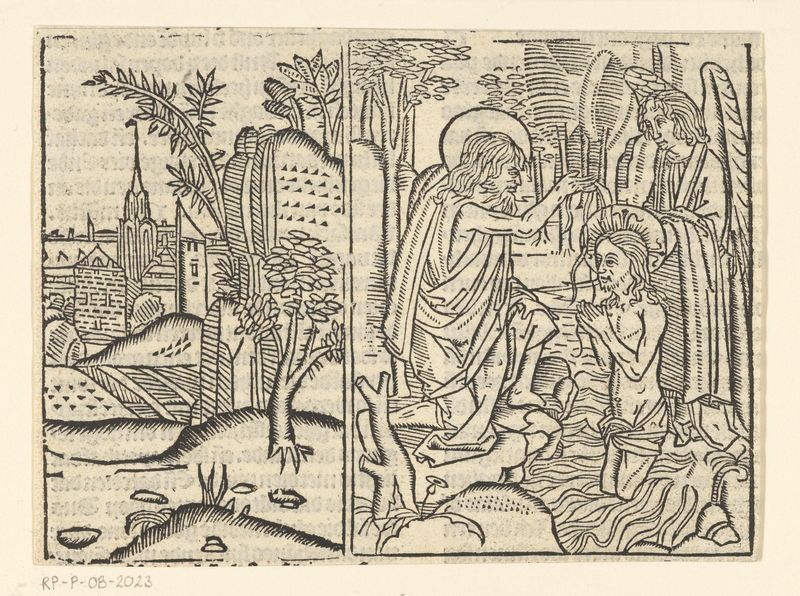
De doop van Christus in de Jordaan
Master of Delft
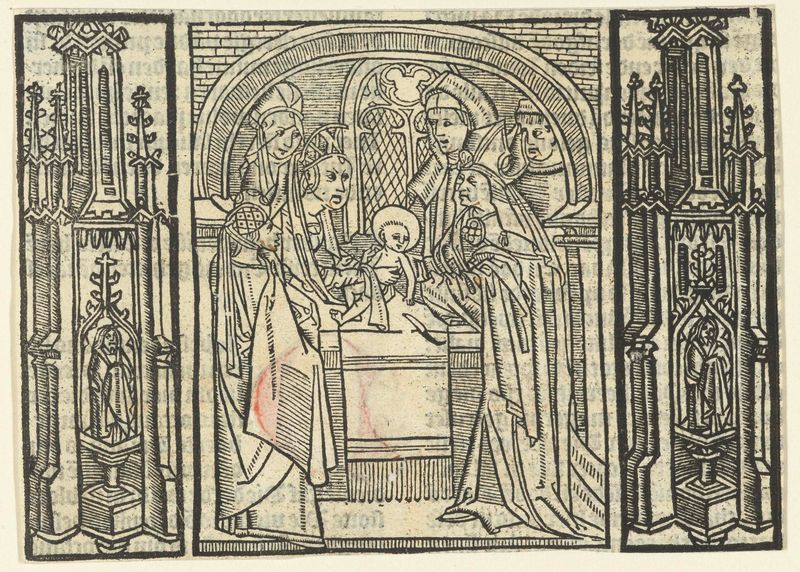
Besnijdenis van Christus
Master of Delft
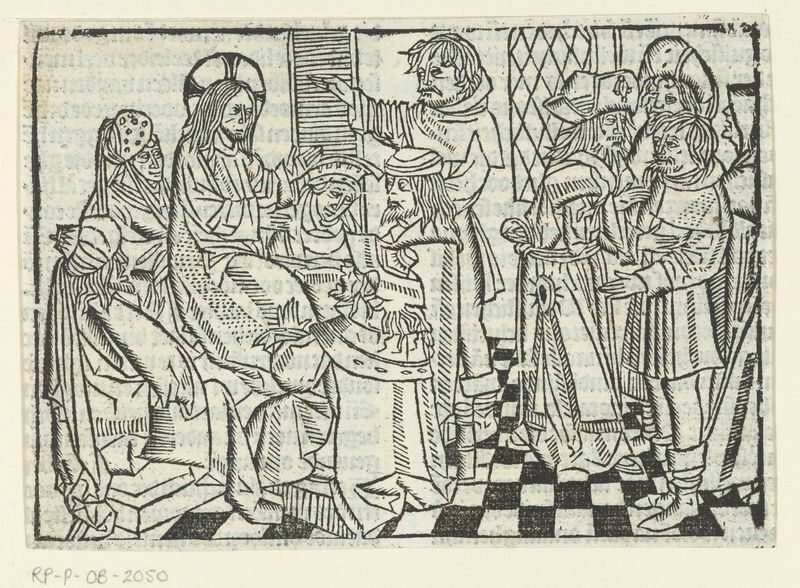
Christus geneest de man met een verdorde hand
Master of Delft
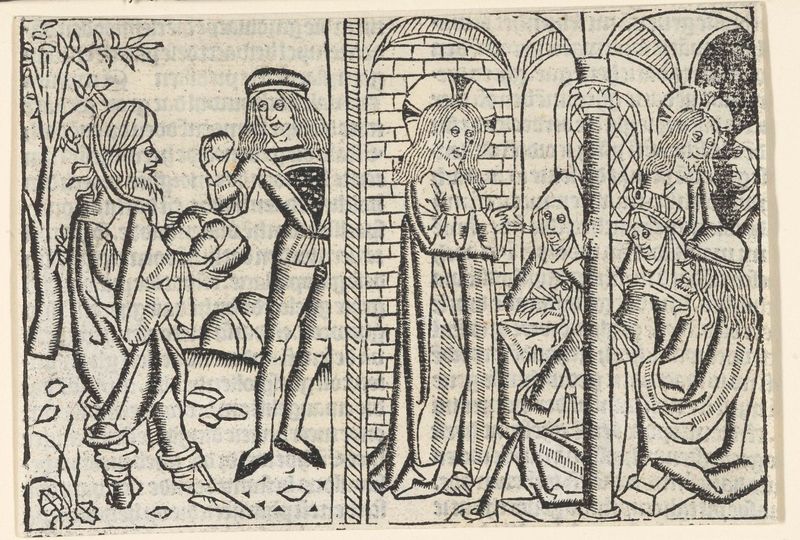
De Farizeeërs willen Christus stenigen
Master of Delft
More Religious Art
Browse all →
The Return of the Prodigal Son
Rembrandt van Rijn

The Garden of Earthly Delights
El Bosco

Count Orgaz’ funeral
El Greco

The Hundred Guilder Print: the central piece with Christ preaching, the plate arched
Rembrandt van Rijn

The Descent from the Cross
Rogier van der Weyden

The return of the prodigal son
Rembrandt van Rijn