
Christus geneest melaatsen — History & Facts
Could beauty survive in a century of chaos? The spiritual resonance of faith often finds its clearest expression in moments of profound suffering and healing. Look to the center of this work, where the figure of Christ stands, bathed in an ethereal light that seems to envelop him. The contrast between the somber earth tones of the surrounding figures and the luminous radiance of Christ's robes draws your attention immediately. Notice how the delicate strokes create flowing fabric that moves like gentle waves, suggesting both physicality and sanctity.
The outstretched hand, reaching towards the afflicted, conveys a sense of compassion that transcends the canvas. In the faces of the lepers, one can discern a complex tapestry of emotions—fear, hope, and despair intermingle. The varied expressions evoke the shared humanity experienced in the face of illness, while the meticulous detail of their hands reaching towards Christ signifies a yearning for redemption. The juxtaposition of Christ's calm demeanor against the turmoil of the afflicted conveys an emotional tension, hinting at the strength found in faith amid suffering. Painted in 1503 in Delft, the artist emerged during a time of immense change and uncertainty in Europe, grappling with burgeoning religious reformations.
The work reflects not only a theological stance but also a deep personal conviction, as the artist sought to illustrate the healing power of faith at a time when such concepts were being both debated and embraced. This moment in history shaped not only the artist's path but also the broader evolution of religious art in the ensuing centuries.
More Artworks by Master of Delft
Browse all →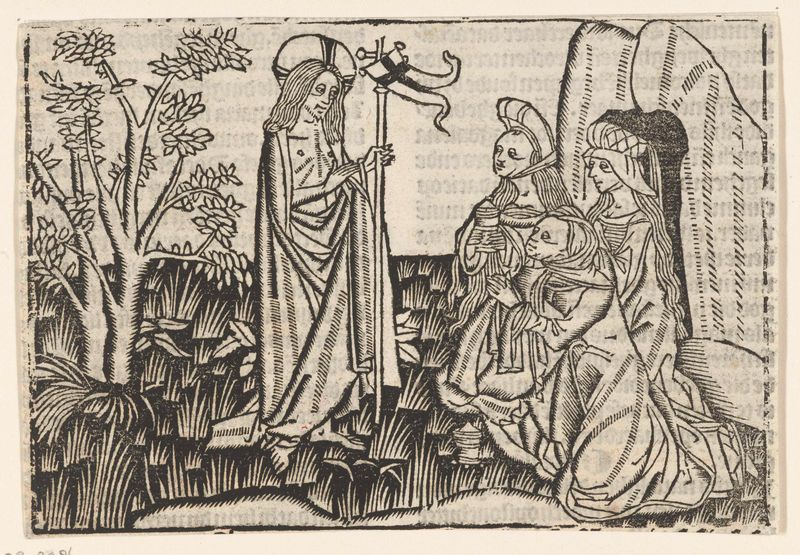
Christus verschijnt aan de drie Maria's
Master of Delft
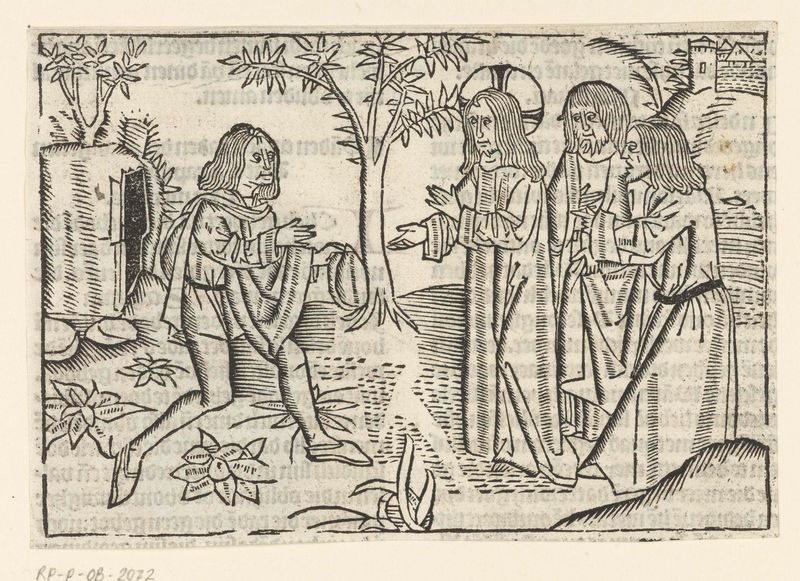
Christus en de rijke jongeling
Master of Delft
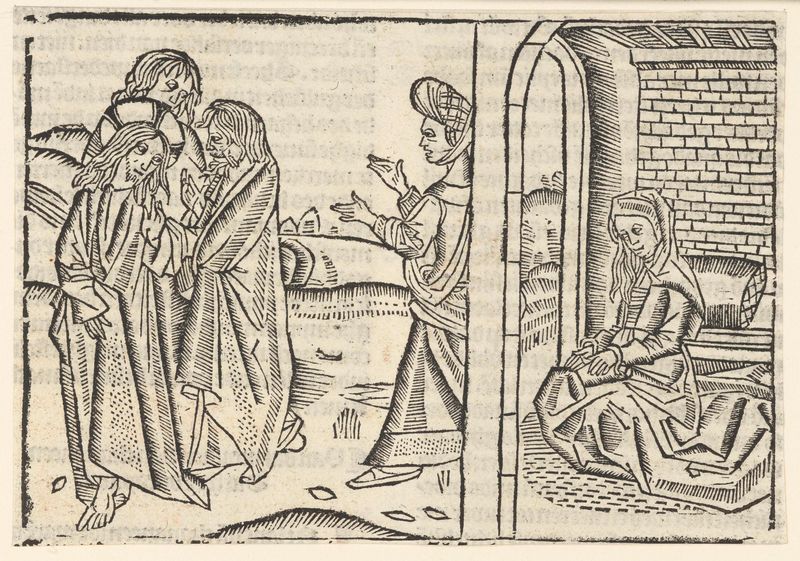
Christus en de Kanaänitische vrouw
Master of Delft
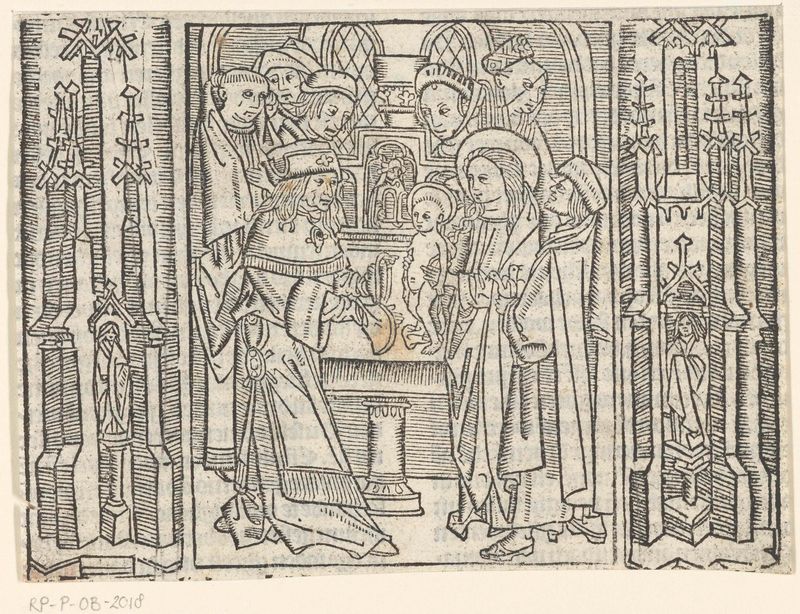
Presentatie van Christus in de tempel
Master of Delft
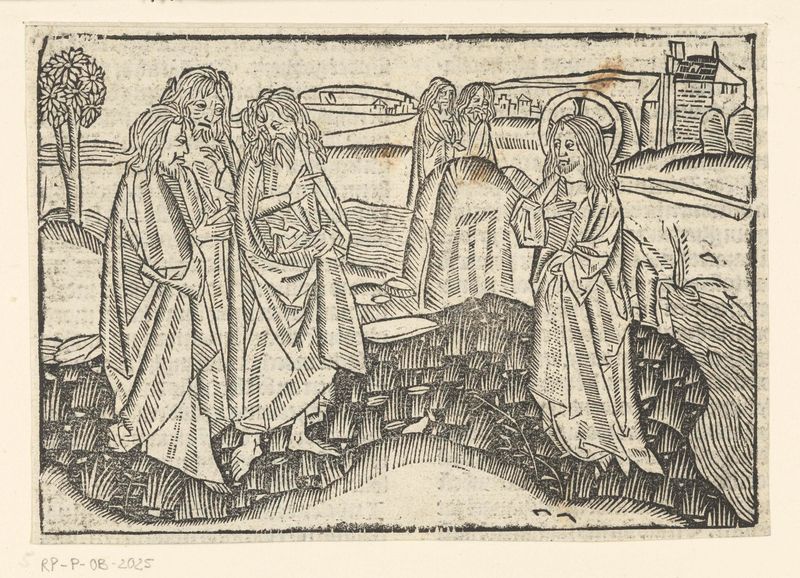
Christus kiest zijn eerste discipelen
Master of Delft
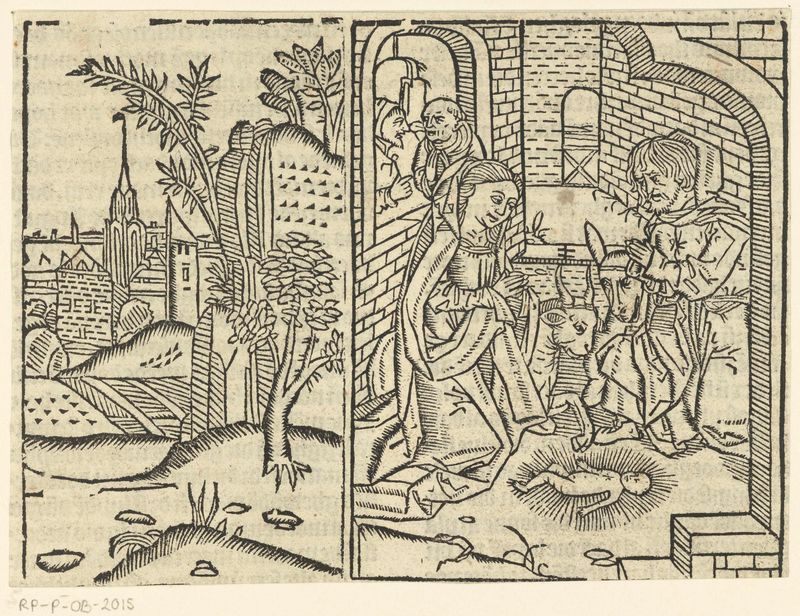
Geboorte van Christus
Master of Delft
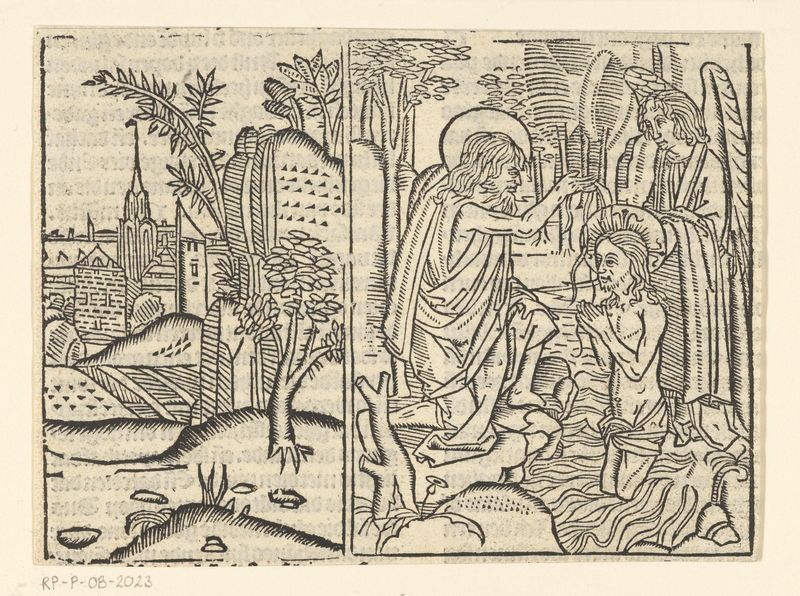
De doop van Christus in de Jordaan
Master of Delft
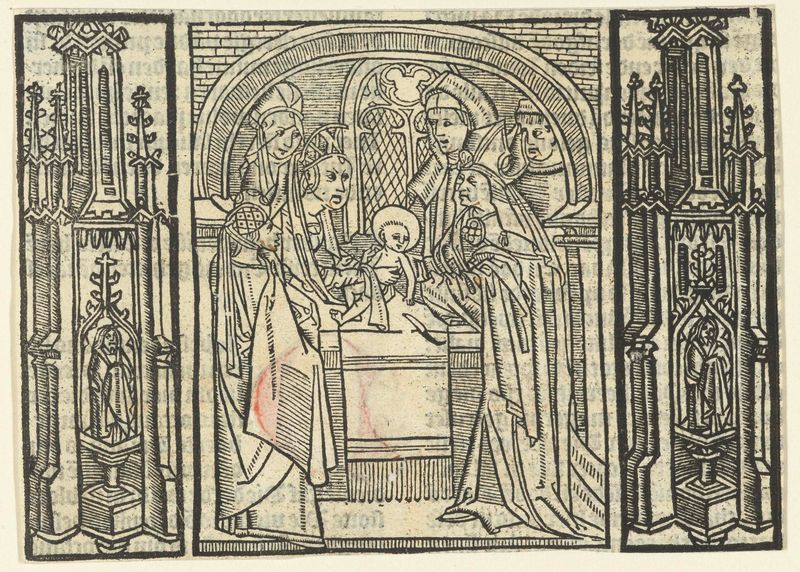
Besnijdenis van Christus
Master of Delft
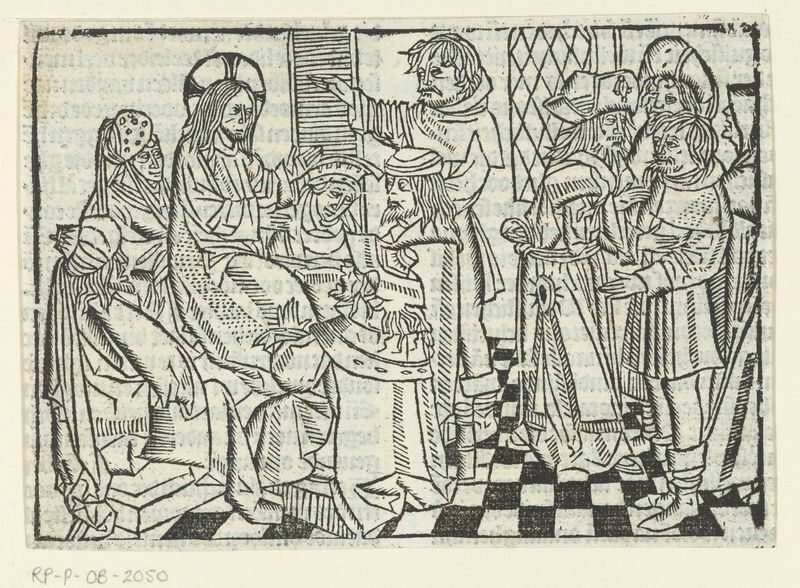
Christus geneest de man met een verdorde hand
Master of Delft
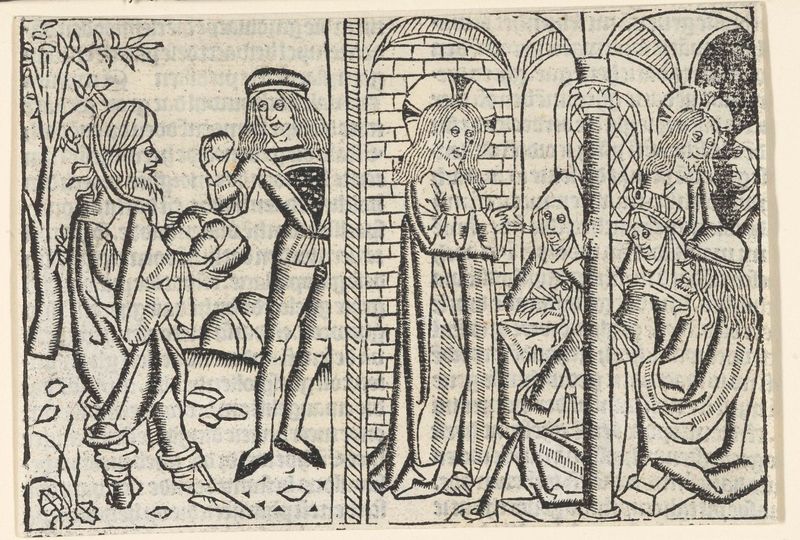
De Farizeeërs willen Christus stenigen
Master of Delft
More Religious Art
Browse all →
The Return of the Prodigal Son
Rembrandt van Rijn

The Garden of Earthly Delights
El Bosco

Count Orgaz’ funeral
El Greco

The Hundred Guilder Print: the central piece with Christ preaching, the plate arched
Rembrandt van Rijn

The Descent from the Cross
Rogier van der Weyden

The return of the prodigal son
Rembrandt van Rijn