
Christus in de hof van Getsemane — History & Facts
In the quiet depths of the night, a sense of dread looms over the figure encircled by olive trees: an impending storm of emotion waits to be unleashed. Look to the center of the canvas, where a solitary Christ kneels, his body tense yet delicate, bathed in a soft, ethereal light that highlights his anguished expression. The darkness of the surrounding foliage contrasts sharply with his illuminated form, drawing the eye to his clasped hands and furrowed brow. The meticulous detail in the drapery of his garments and the subtle play of shadows enhances the scene’s depth, inviting the viewer to feel the weight of his turmoil. As you explore further, notice how the gnarled roots and twisted branches mirror the internal struggle of the central figure.
The juxtaposition of light and shadow embodies the duality of hope and despair; Christ is poised on the edge of surrender, caught between divine purpose and human fear. The tension in his posture, as if he is about to rise or collapse, echoes the universal conflict between faith and uncertainty. Dürer painted this work in 1510, at a time when he was deeply engaged with the themes of spirituality and human emotion. Living in Nuremberg, he faced the burgeoning Renaissance's embrace of science and humanism, which influenced how artists portrayed religious narratives.
This piece reflects his innovative approach to blending meticulous realism with profound psychological insight, capturing the heart of human experience amidst the sacred.
More Artworks by Albrecht Dürer
Browse all →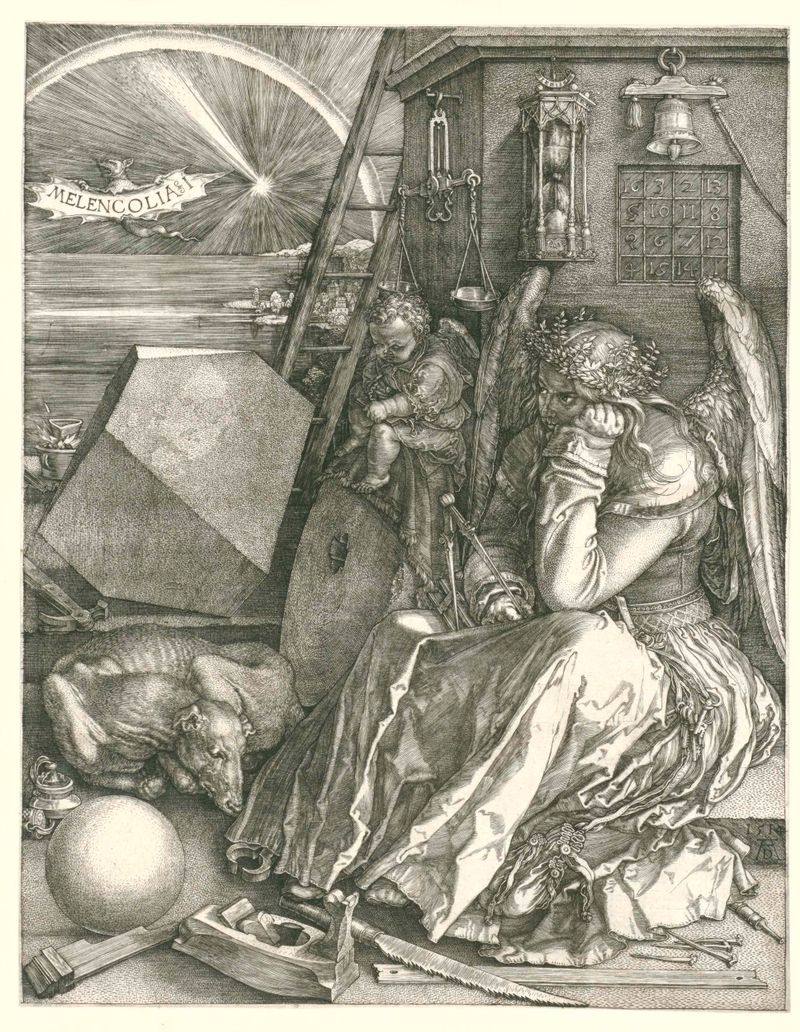
Melancholia
Albrecht Dürer
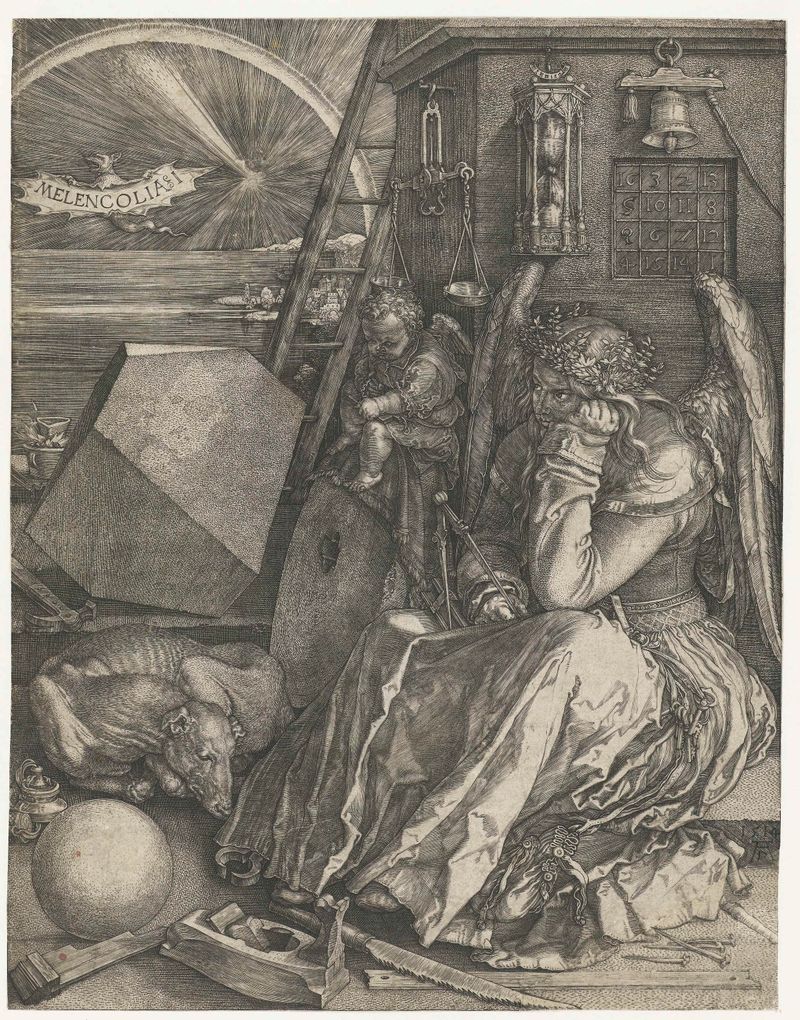
Melancholie
Albrecht Dürer

Neushoorn
Albrecht Dürer
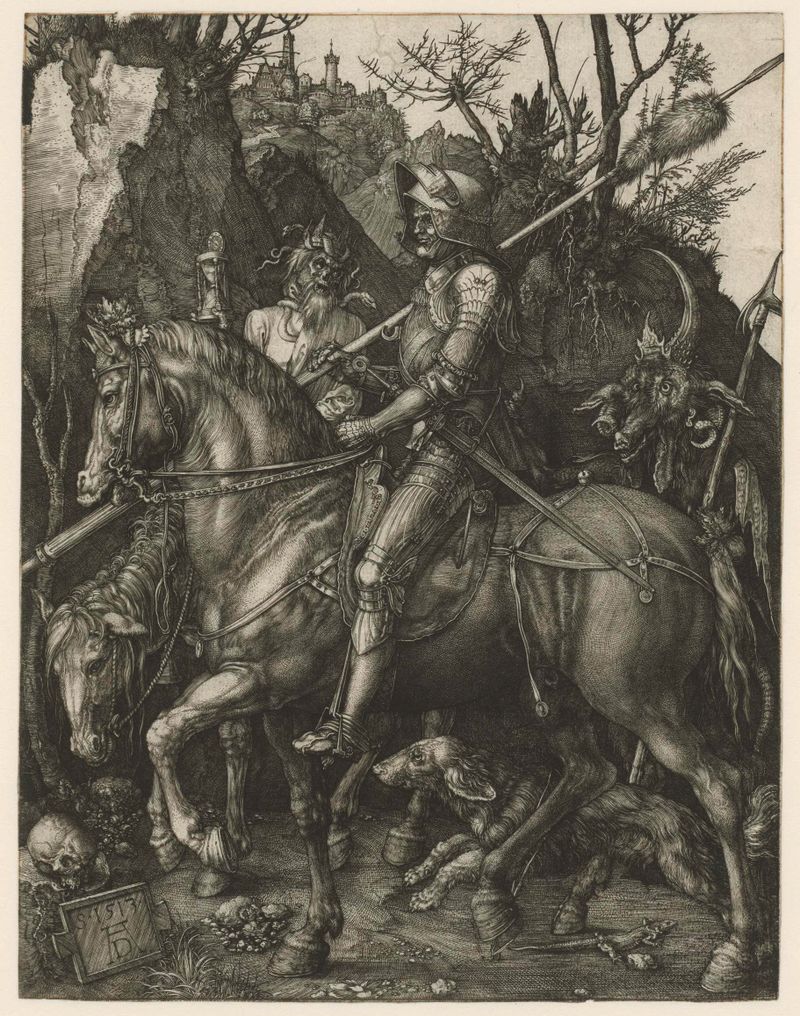
Knight, Death, and the Devil
Albrecht Dürer

De vier ruiters van de apocalyps
Albrecht Dürer

De vier ruiters van de apocalyps
Albrecht Dürer
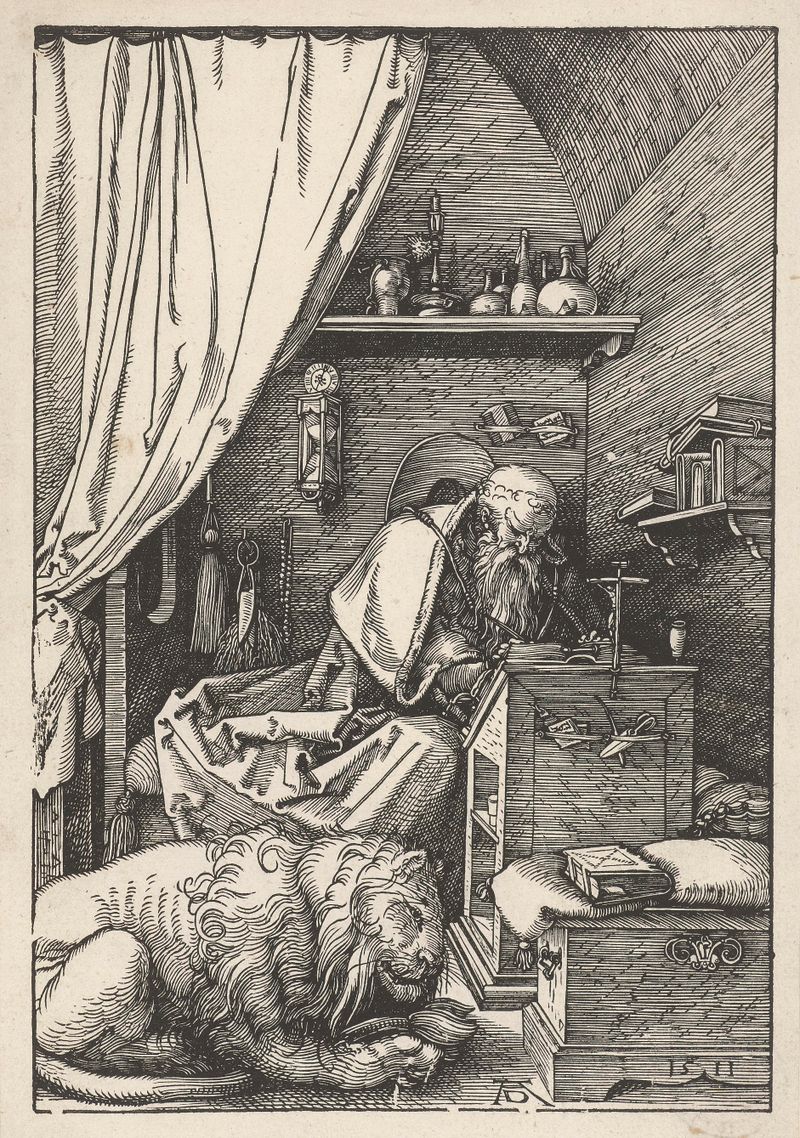
De Heilige Hiëronymus in zijn studeervertrek
Albrecht Dürer
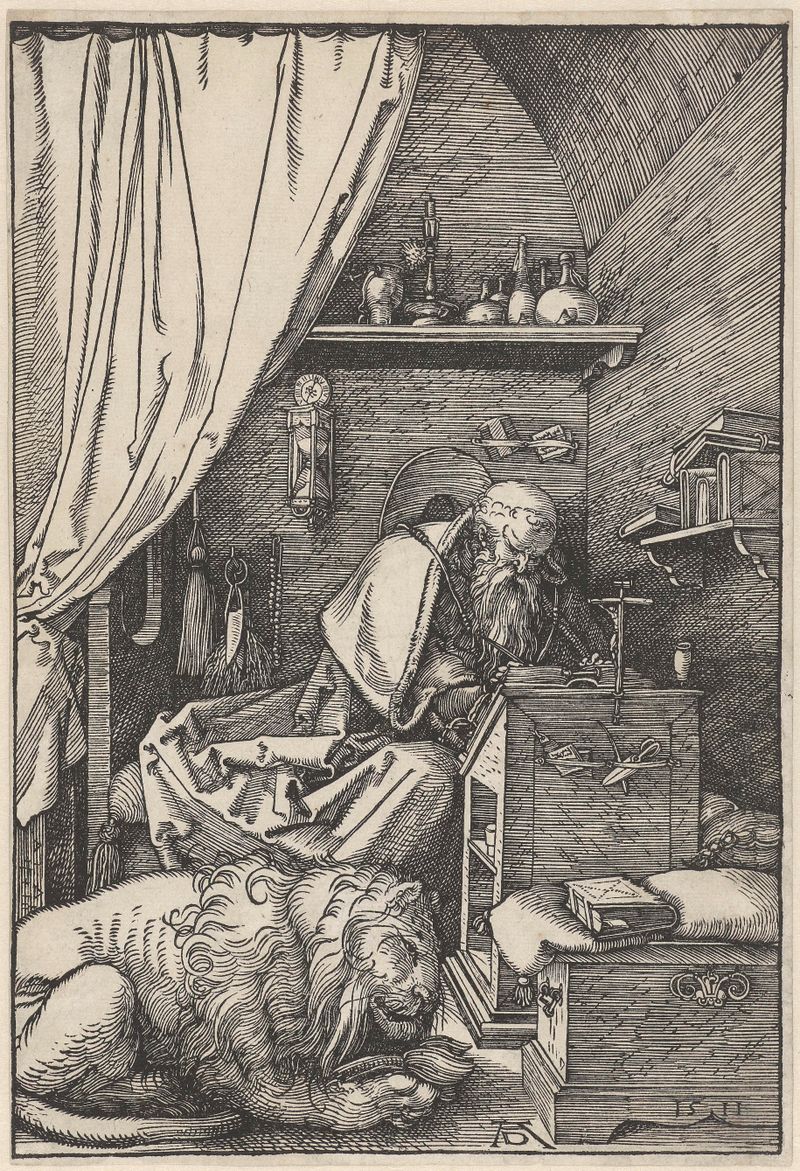
De Heilige Hiëronymus in zijn studeervertrek
Albrecht Dürer
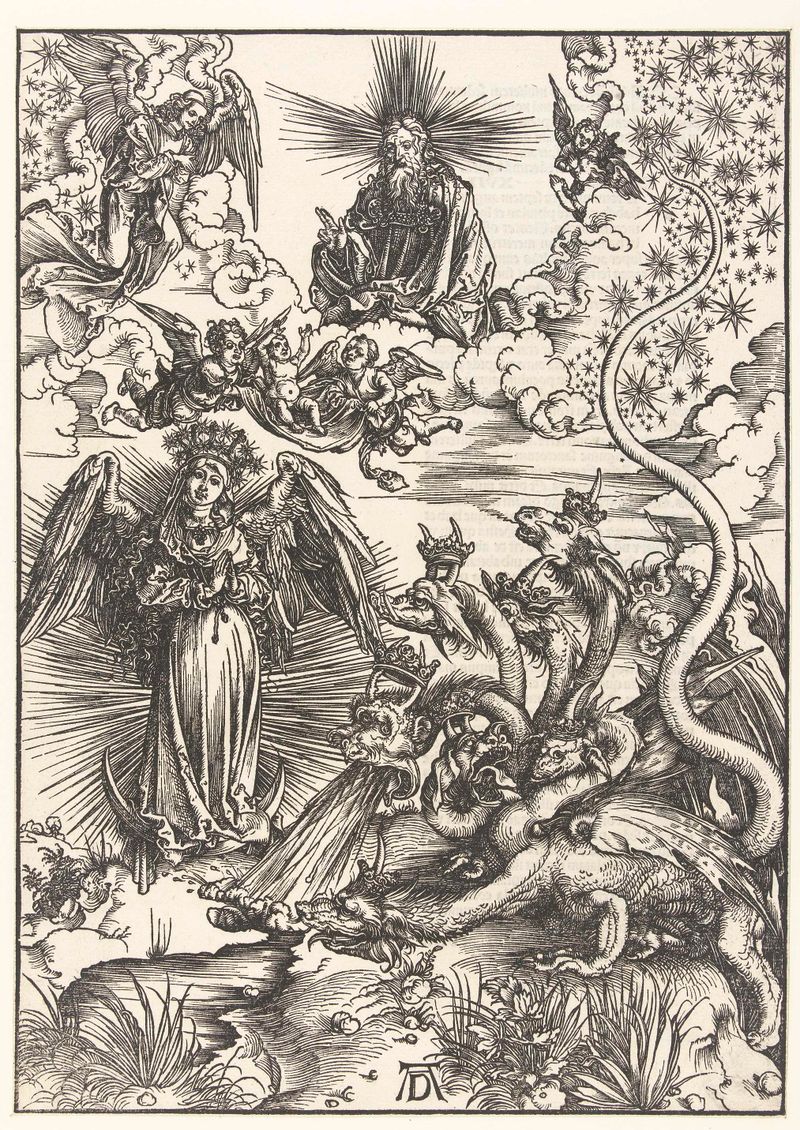
De apocalyptische vrouw en de zevenkoppige draak
Albrecht Dürer
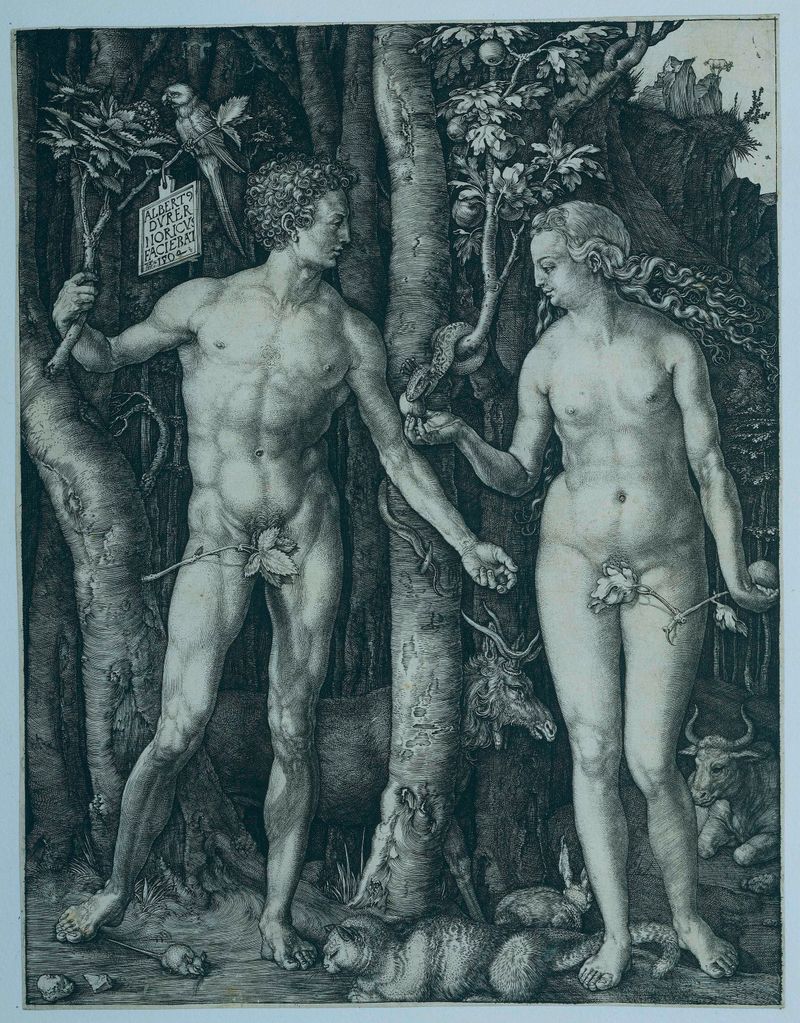
Adam en Eva
Albrecht Dürer
More Religious Art
Browse all →
The Return of the Prodigal Son
Rembrandt van Rijn

The Garden of Earthly Delights
El Bosco

Count Orgaz’ funeral
El Greco

The Hundred Guilder Print: the central piece with Christ preaching, the plate arched
Rembrandt van Rijn

The Descent from the Cross
Rogier van der Weyden

The return of the prodigal son
Rembrandt van Rijn