
Christus in Emmaüs — History & Facts
In the delicate space where light meets shadow, rebirth unfolds, waiting to be unveiled. Look to the center of the composition, where the figures gather, illuminated by an ethereal glow. The intricate details draw your gaze to the expressions that tell a powerful story: wonder, recognition, and revelation. Notice how the soft yet vibrant palette contrasts with the darkened background, emphasizing the profound moment of realization.
Each brushstroke serves not only to depict the figures but to invoke a palpable sense of divine presence. In this moment of recognition, the interplay of light and shadow reflects the emotional gravity of rebirth. The two disciples’ gestures—one reaching out, the other stepping back—embody the tension between belief and doubt. Look closely at the elements: the bread on the table symbolizes communion and sustenance, while the subtle landscape visible through the window hints at both earthly ties and spiritual awakening.
Each detail contributes to a larger narrative that transcends the moment captured. Created in 1510, this work emerged during a pivotal time in Dürer’s career, as he was deeply engaged with the themes of humanist thought and religious reform. Living in Nuremberg, a center of Renaissance ideas, he was influenced by the changing tides of art and spirituality. This painting reflects not only a personal exploration of faith but also the broader cultural currents that sought to redefine the relationship between the divine and humanity.
More Artworks by Albrecht Dürer
Browse all →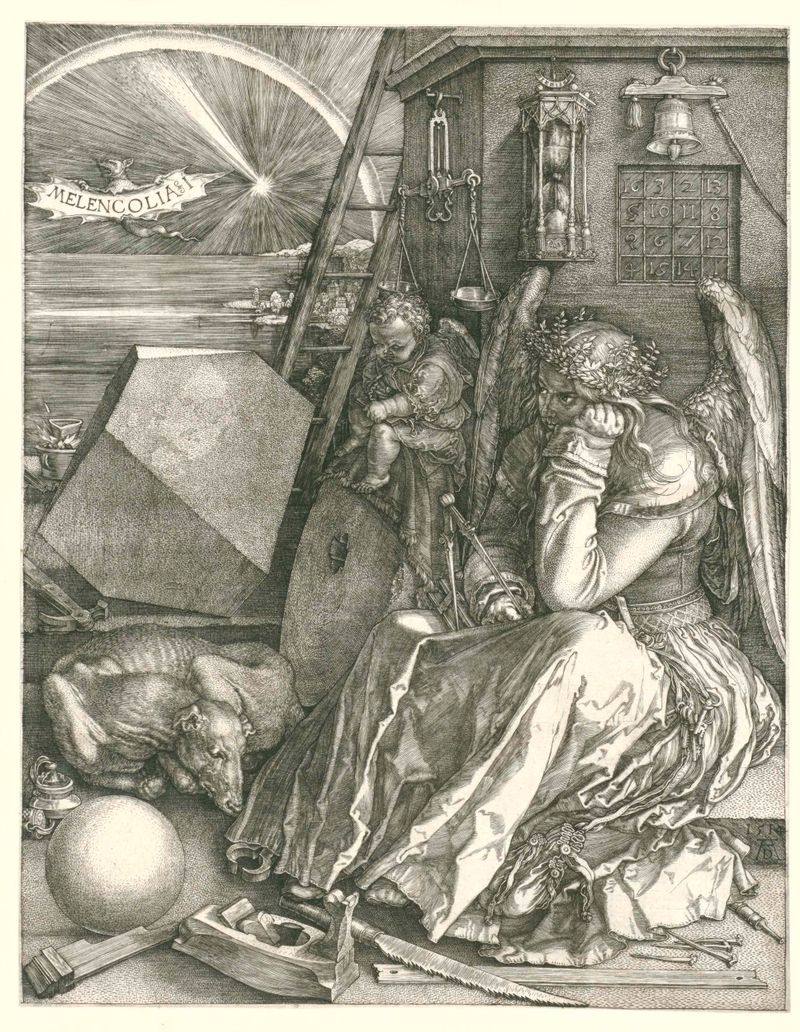
Melancholia
Albrecht Dürer
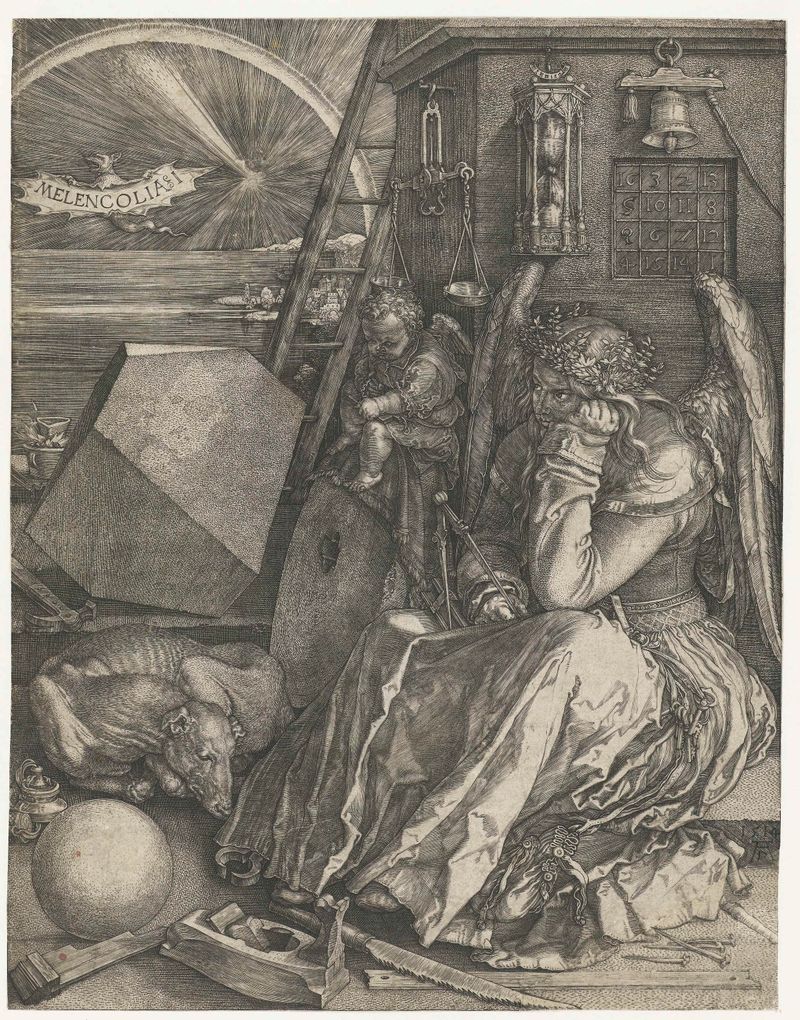
Melancholie
Albrecht Dürer
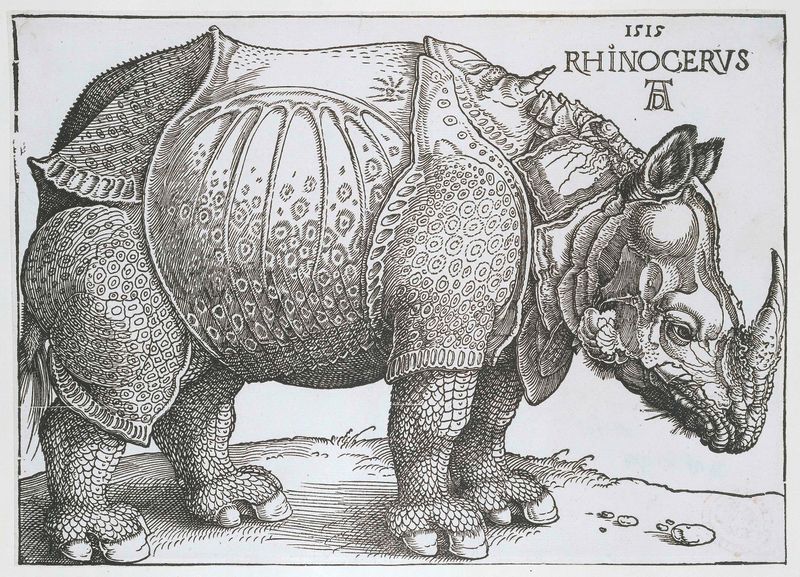
Neushoorn
Albrecht Dürer
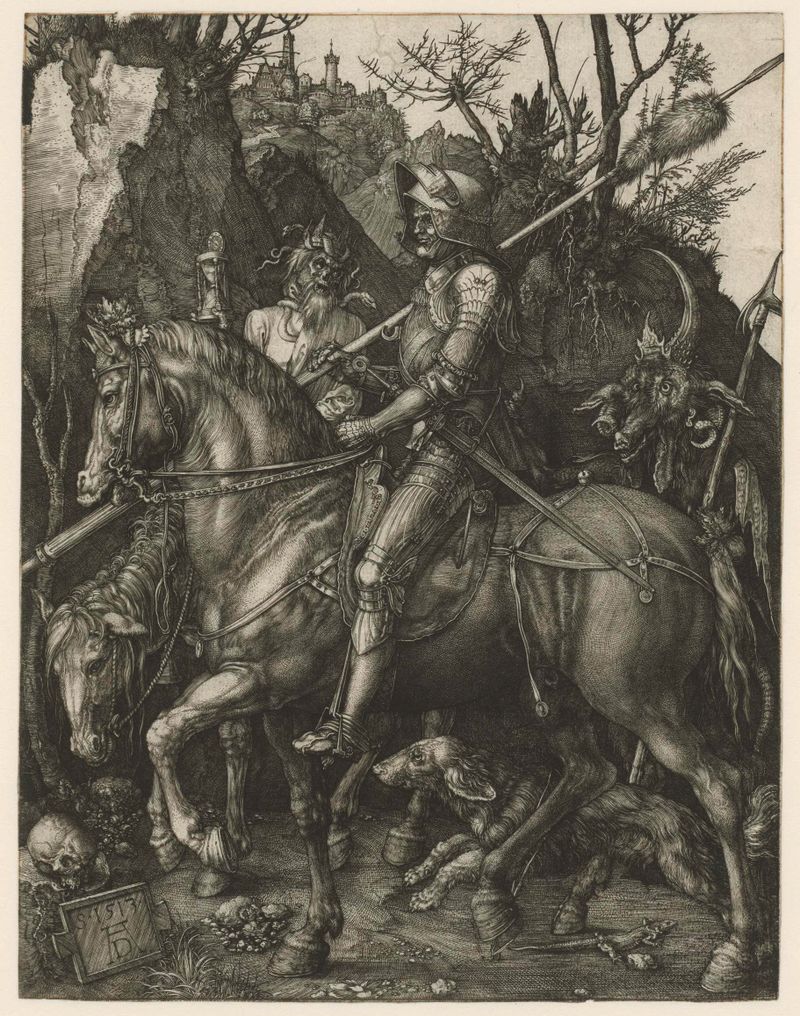
Knight, Death, and the Devil
Albrecht Dürer

De vier ruiters van de apocalyps
Albrecht Dürer

De vier ruiters van de apocalyps
Albrecht Dürer
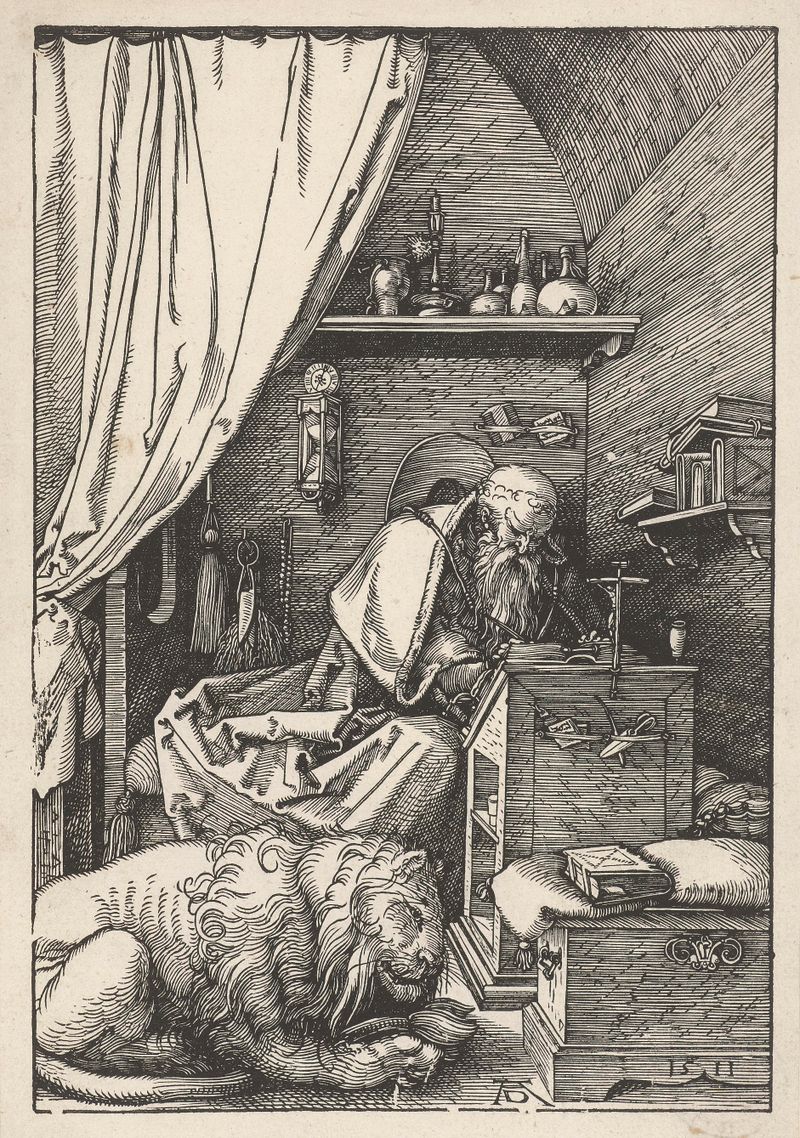
De Heilige Hiëronymus in zijn studeervertrek
Albrecht Dürer
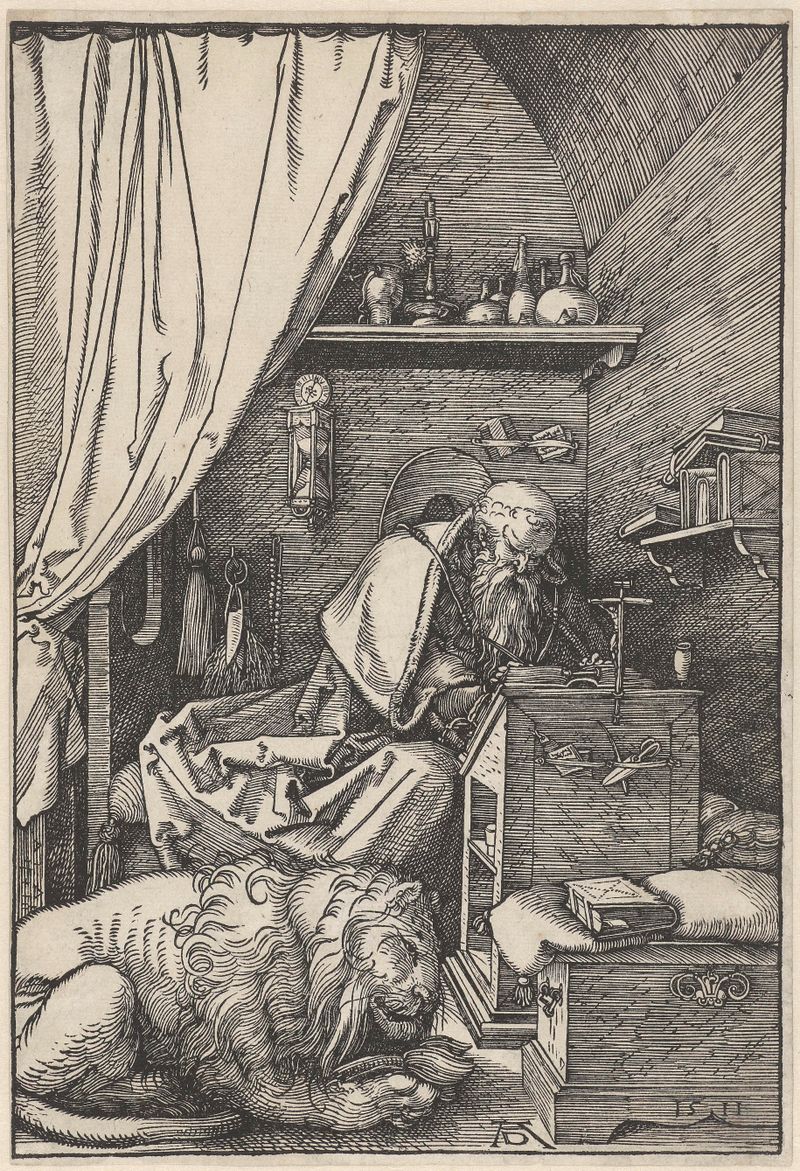
De Heilige Hiëronymus in zijn studeervertrek
Albrecht Dürer
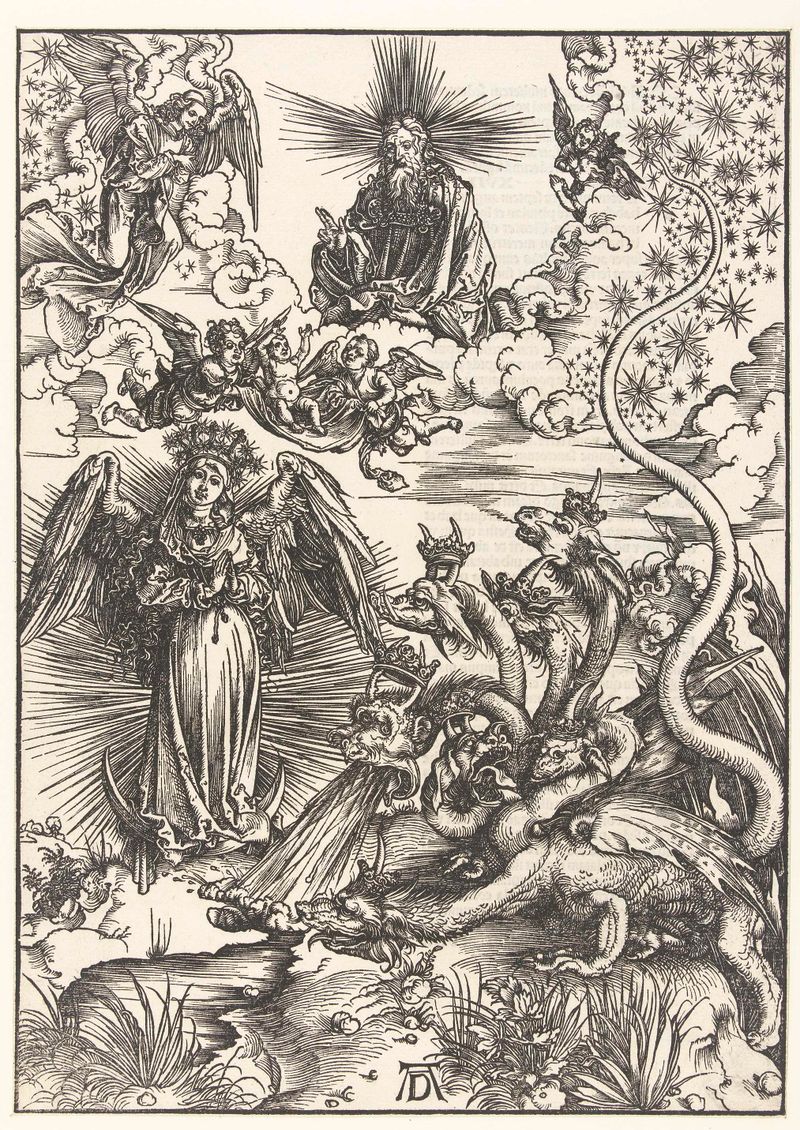
De apocalyptische vrouw en de zevenkoppige draak
Albrecht Dürer
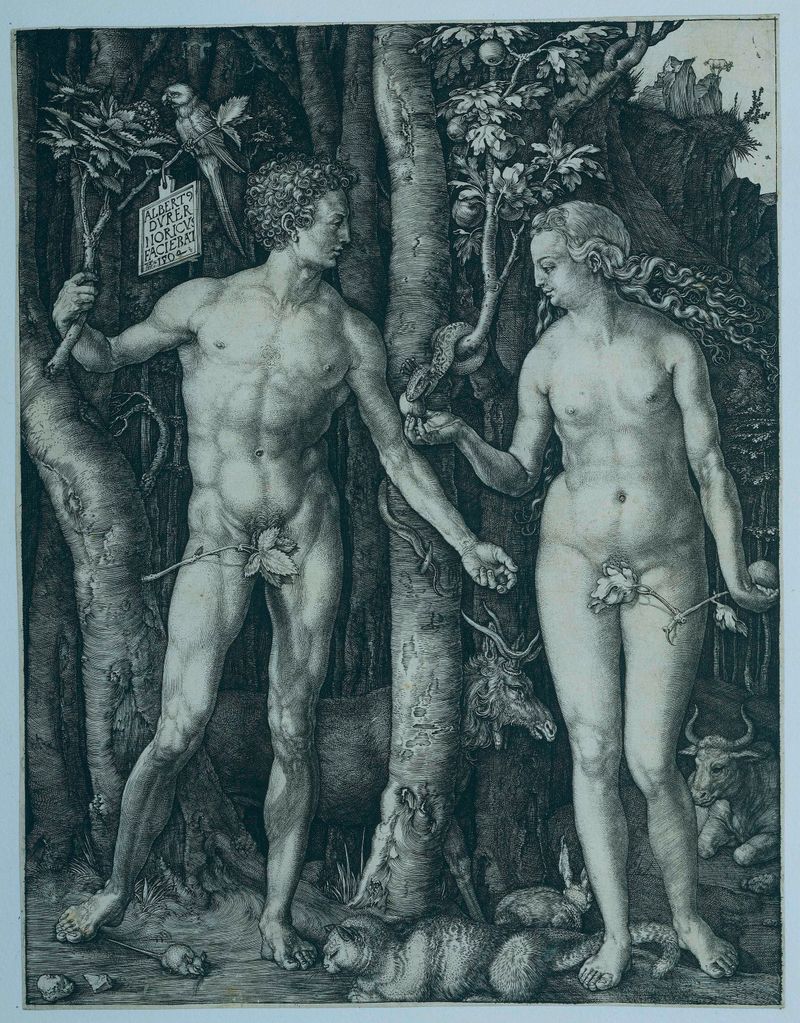
Adam en Eva
Albrecht Dürer
More Religious Art
Browse all →
The Return of the Prodigal Son
Rembrandt van Rijn

The Garden of Earthly Delights
El Bosco

Count Orgaz’ funeral
El Greco

The Hundred Guilder Print: the central piece with Christ preaching, the plate arched
Rembrandt van Rijn

The Descent from the Cross
Rogier van der Weyden

The return of the prodigal son
Rembrandt van Rijn