
Christus met Maria Magdalena — History & Facts
The interplay of divine and human, a spiritual embrace captured in an instant, beckons us to reflect on the nature of divinity itself. Look to the center of the canvas, where the figures of Christ and Mary Magdalene hold a magnetizing presence. Masterfully rendered, each detail speaks to the artist's meticulous technique—notice the delicate folds of their garments, the soft luminosity of their skin, and the tender gestures that bridge their connection. The gentle play of light creates an ethereal glow, illuminating their faces against a darker background, heightening the emotional weight of this intimate moment. There lies a profound tension in the relationship depicted—between the sacred and the earthly, faith and doubt.
Mary’s downcast gaze suggests a vulnerability, while Christ’s open, inviting posture exudes reassurance. Their proximity speaks to a unity that transcends time, evoking questions of redemption, love, and the complexities of human experience intertwined with divinity. Subtle details, such as the play of shadow on their hands and the softened edges of their features, deepen the sense of closeness and intimacy amidst a backdrop of spiritual turmoil. In 1503, the artist, known as the Master of Delft, was immersed in the rich tapestry of the Northern Renaissance, a time when artists explored human emotions and religious themes with newfound vigor.
Working in the picturesque city of Delft, he embraced a style that combined meticulous realism with profound spiritual narrative. This period marked a shift towards the personal, allowing for emotive portrayals that captured the nuances of faith, making this artwork a significant reflection of its time.
More Artworks by Master of Delft
Browse all →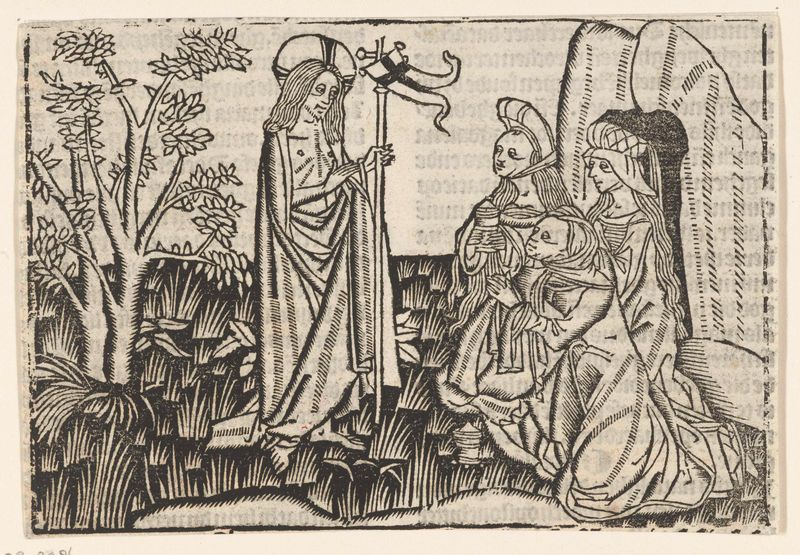
Christus verschijnt aan de drie Maria's
Master of Delft
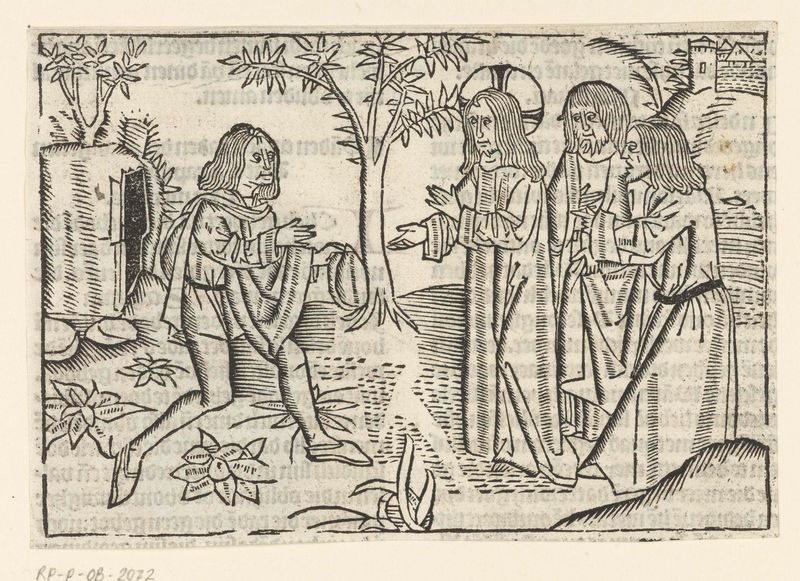
Christus en de rijke jongeling
Master of Delft
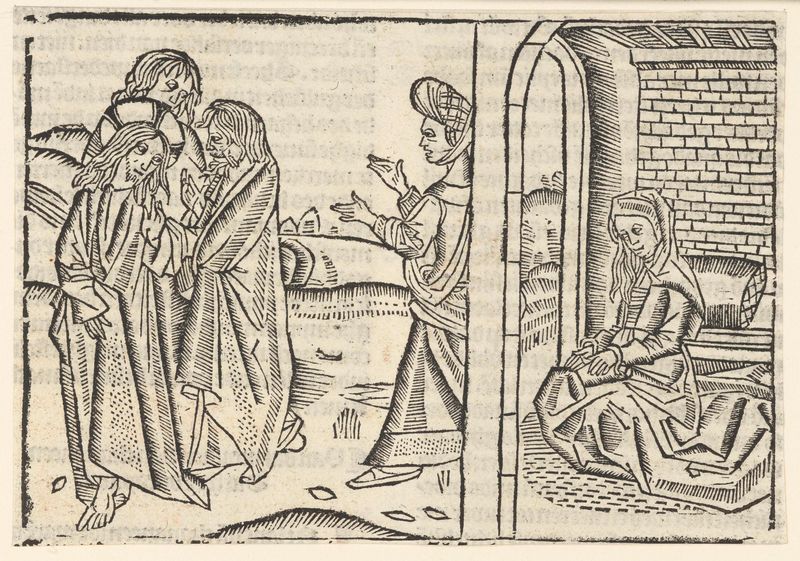
Christus en de Kanaänitische vrouw
Master of Delft
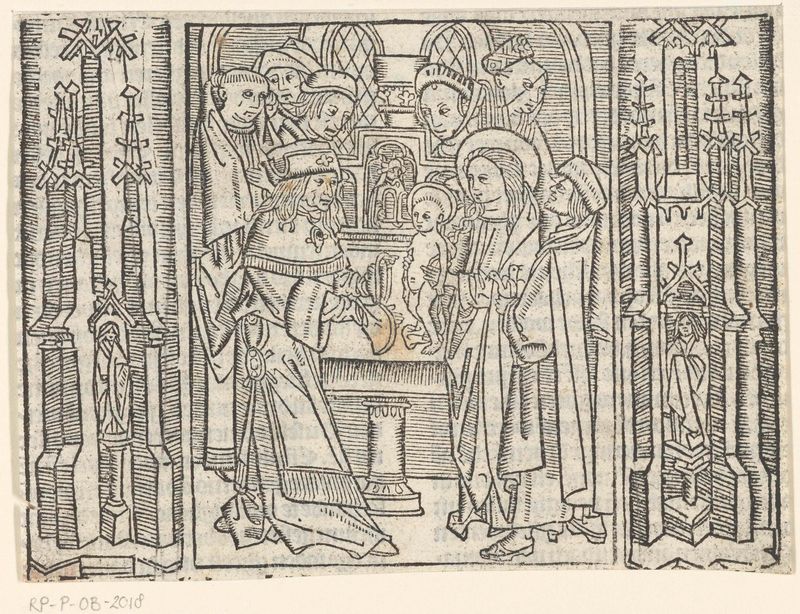
Presentatie van Christus in de tempel
Master of Delft
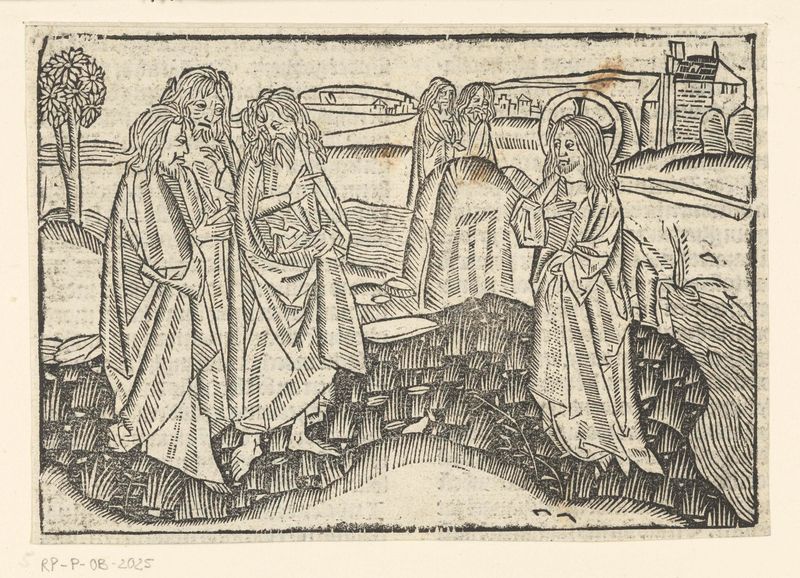
Christus kiest zijn eerste discipelen
Master of Delft
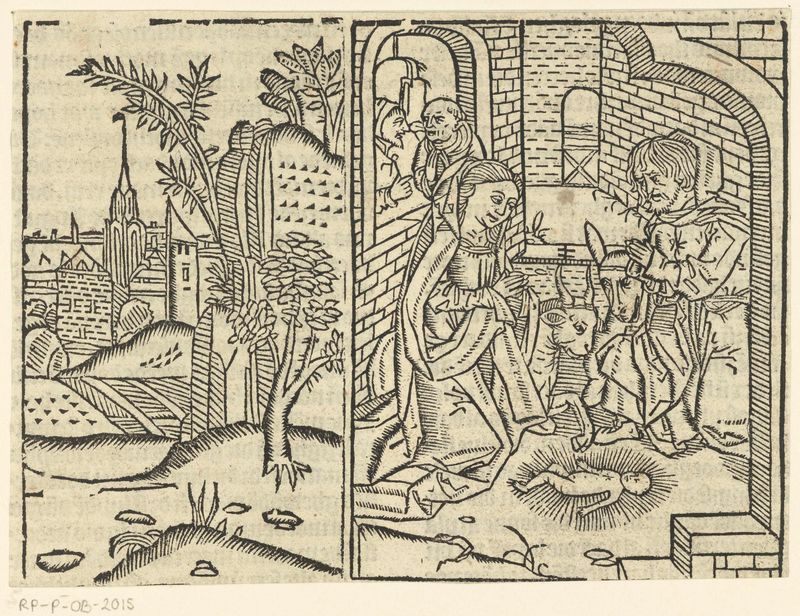
Geboorte van Christus
Master of Delft
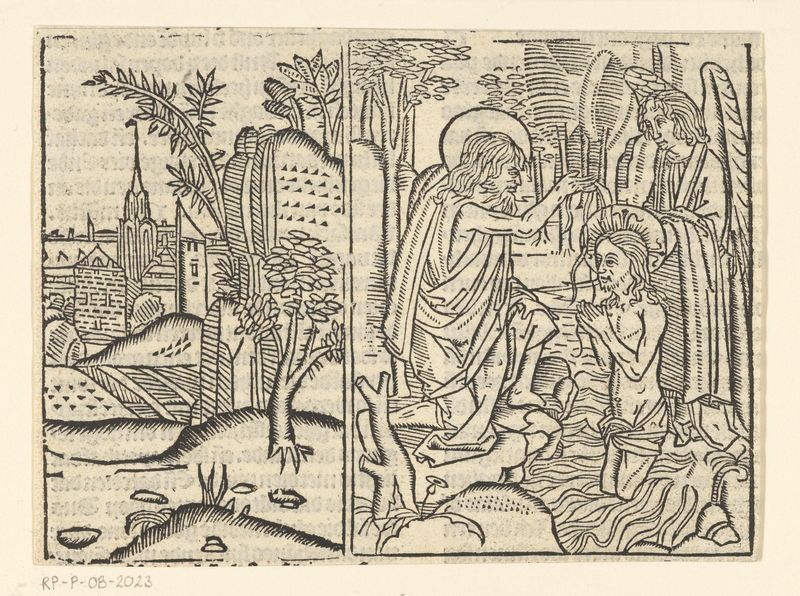
De doop van Christus in de Jordaan
Master of Delft
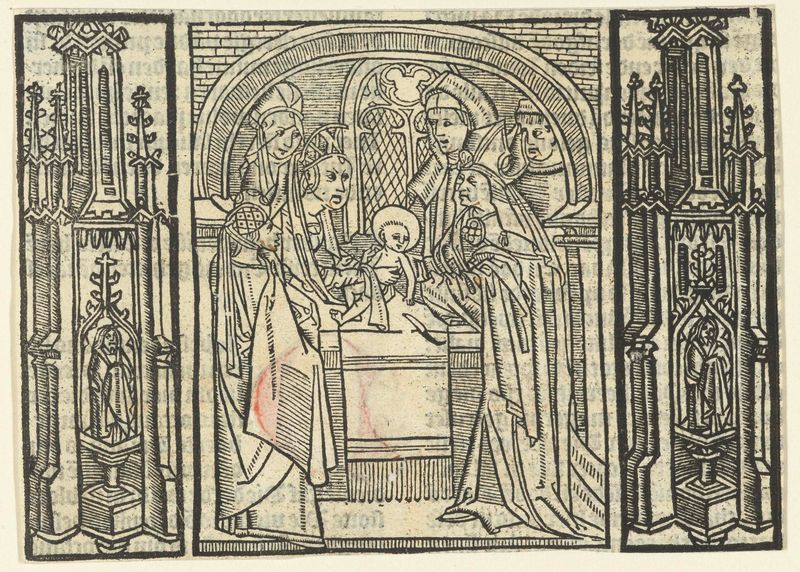
Besnijdenis van Christus
Master of Delft
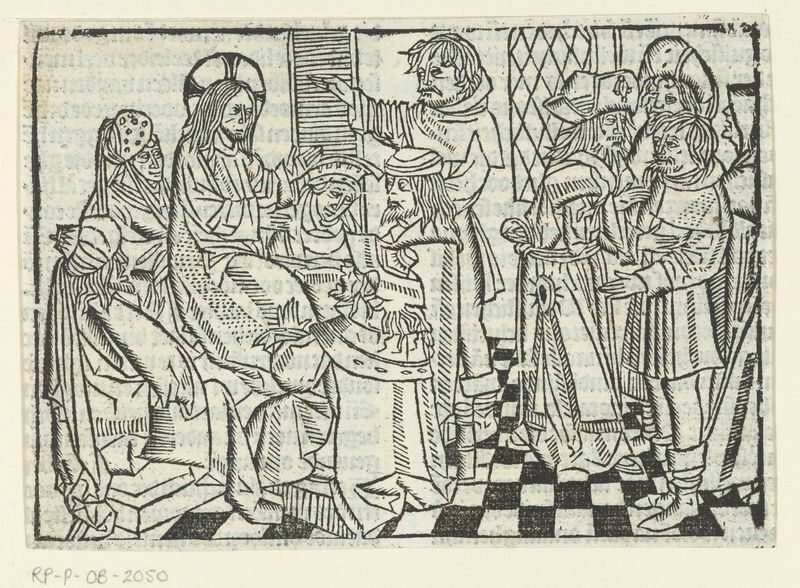
Christus geneest de man met een verdorde hand
Master of Delft
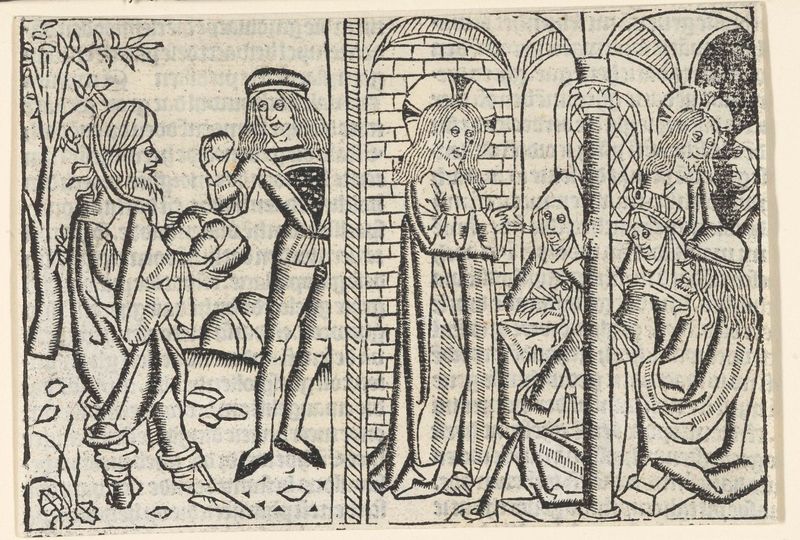
De Farizeeërs willen Christus stenigen
Master of Delft
More Religious Art
Browse all →
The Return of the Prodigal Son
Rembrandt van Rijn

The Garden of Earthly Delights
El Bosco

Count Orgaz’ funeral
El Greco

The Hundred Guilder Print: the central piece with Christ preaching, the plate arched
Rembrandt van Rijn

The Descent from the Cross
Rogier van der Weyden

The return of the prodigal son
Rembrandt van Rijn