
Christus neemt afscheid van Maria — History & Facts
Is this a mirror — or a memory? In Christus neemt afscheid van Maria, Albrecht Dürer invites us to witness a moment of profound revelation, suspended in time. The emotional weight of parting hangs between Christ and His mother, an interplay of love and loss that resonates through the ages. Look to the center of the canvas where the figures engage in a poignant embrace, their expressions etched with an intimate understanding. Notice how the softness of Mary's robes contrasts with the sharp lines of Christ’s garment, embodying their differing journeys.
The careful rendering of their faces, illuminated by a gentle light, creates a sacred atmosphere, while the muted color palette suggests a solemnity that grounds the scene in reality. Deeper insights emerge as one observes the subtle details — the tears welling in Mary’s eyes juxtaposed against Christ's calm acceptance. The viewer can sense the tension between maternal instinct and divine destiny, as Mary clutches the hem of Christ's robe, symbolizing her desperate attachment. This moment encapsulates the duality of faith and grief, where the sacred and the personal intertwine in a bittersweet embrace. Dürer painted this work between 1502 and 1506, during a period when he was increasingly immersed in the exploration of human emotion and spirituality.
Living in Nuremberg, he was influenced by the burgeoning Renaissance ideals that sought to merge classical themes with personal expression. This artwork reflects both the artist's technical mastery and a deepening understanding of the human experience, marking a significant chapter in the broader narrative of art during this transformative era.
More Artworks by Albrecht Dürer
Browse all →
Melancholia
Albrecht Dürer
Melancholie
Albrecht Dürer
Neushoorn
Albrecht Dürer
Knight, Death, and the Devil
Albrecht Dürer

De vier ruiters van de apocalyps
Albrecht Dürer

De vier ruiters van de apocalyps
Albrecht Dürer
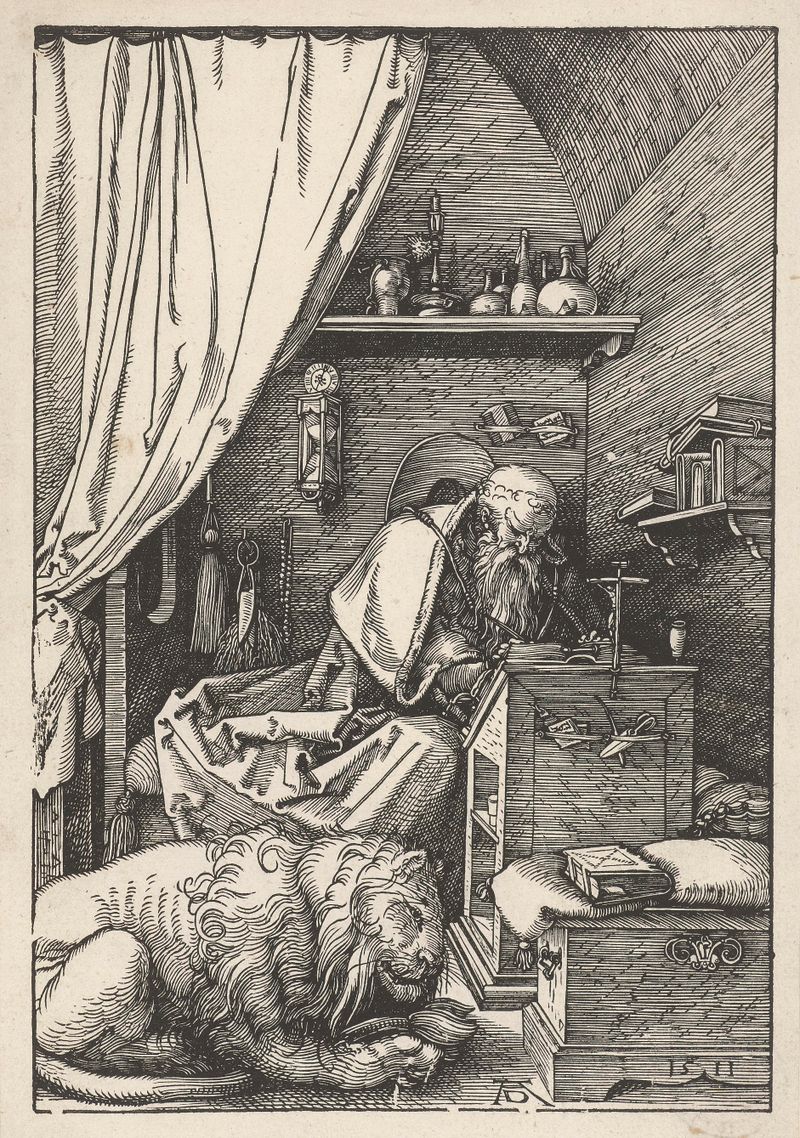
De Heilige Hiëronymus in zijn studeervertrek
Albrecht Dürer
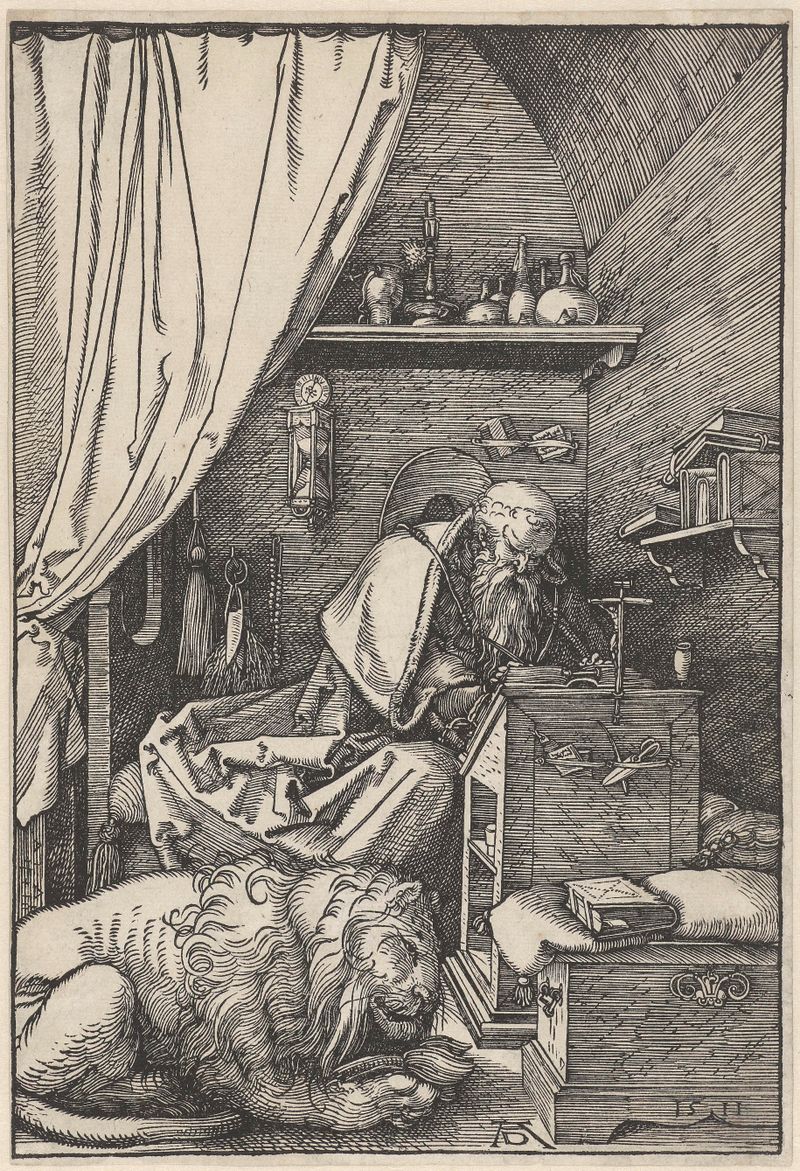
De Heilige Hiëronymus in zijn studeervertrek
Albrecht Dürer
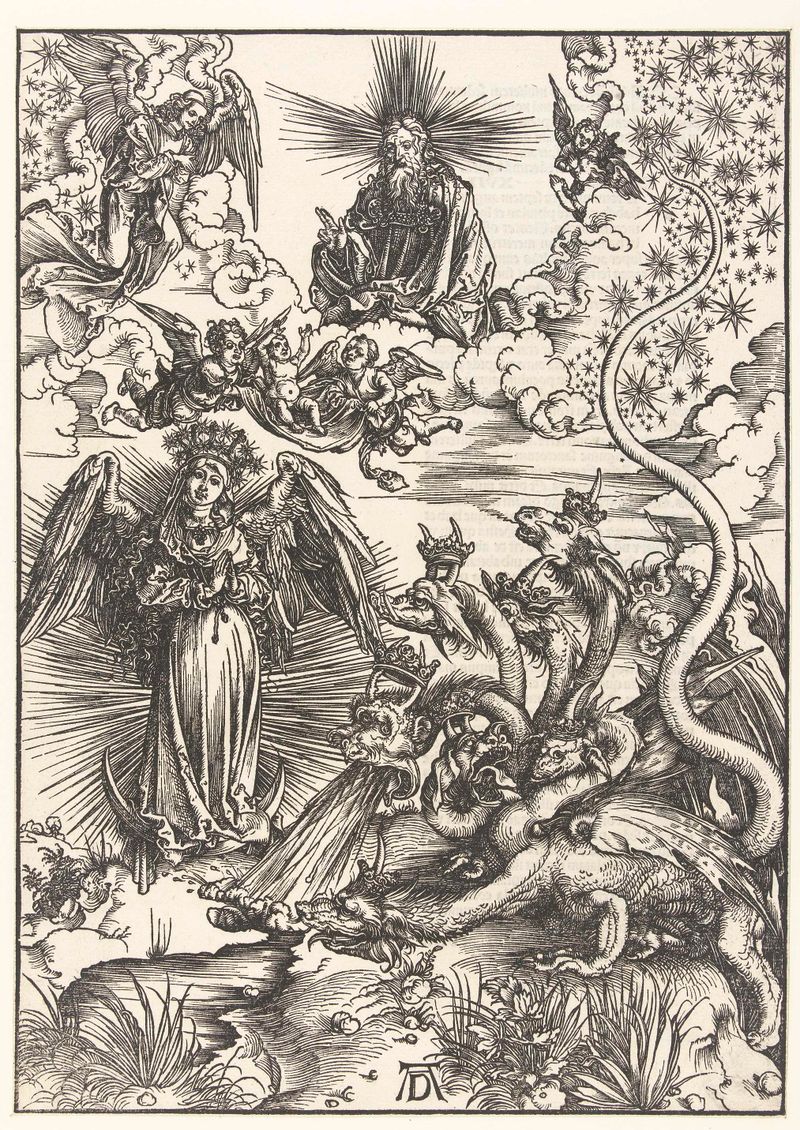
De apocalyptische vrouw en de zevenkoppige draak
Albrecht Dürer
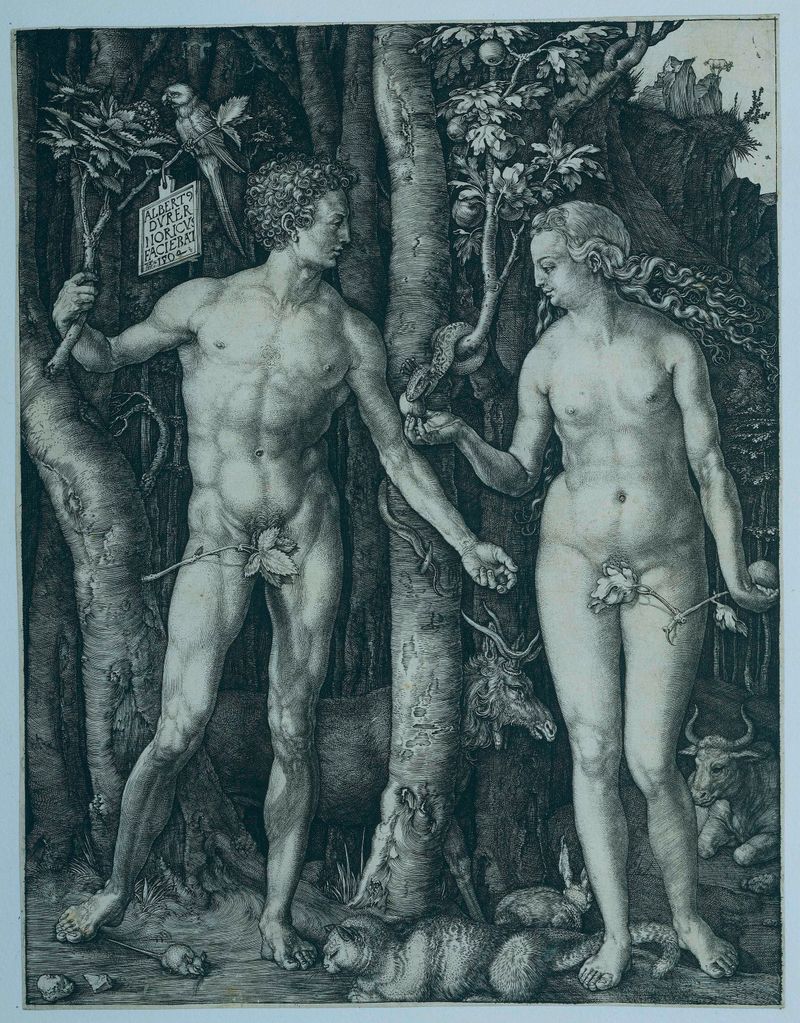
Adam en Eva
Albrecht Dürer
More Religious Art
Browse all →
The Return of the Prodigal Son
Rembrandt van Rijn

The Garden of Earthly Delights
El Bosco

Count Orgaz’ funeral
El Greco

The Hundred Guilder Print: the central piece with Christ preaching, the plate arched
Rembrandt van Rijn

The Descent from the Cross
Rogier van der Weyden

The return of the prodigal son
Rembrandt van Rijn