
Christus neemt afscheid van Maria — History & Facts
The essence of fear weaves through the boundaries of permanence and impermanence in this intimate moment. In an era when faith grapples with uncertainty, the visual language of art captures the echoes of human emotion and the weight of divine duty. Look to the left at the figure of Christ, whose gaze is both tender and resolute. The chiaroscuro technique Dürer employs accentuates the contours of his face, revealing a solemnity that speaks volumes.
Notice how the light cascades down, illuminating his hand as it hovers over Mary, suggesting both a blessing and a farewell. The muted color palette enhances the gravity of the moment, pulling the viewer into a space where love and loss coalesce. Beneath the surface, the tension between acceptance and dread is palpable. The gesture of Christ—both a comfort and an impending separation—captures the duality of their relationship.
Mary’s downturned eyes reflect a profound sorrow, hinting at her fear of abandonment, while the intricate details of their surroundings echo the sacredness of the moment, suggesting that this farewell is both personal and universal. In 1511, Dürer was entrenched in the vibrant art scene of Nuremberg, navigating the complexities of human emotion through his work. This period marked a transition for him, as he began to deeply explore themes of spirituality against the backdrop of the Reformation. The painting reflects not only a pivotal moment in the narrative of Christ and Mary but also the artist's exploration of fear—an emotion that transcends time and resonates with audiences even today.
More Artworks by Albrecht Dürer
Browse all →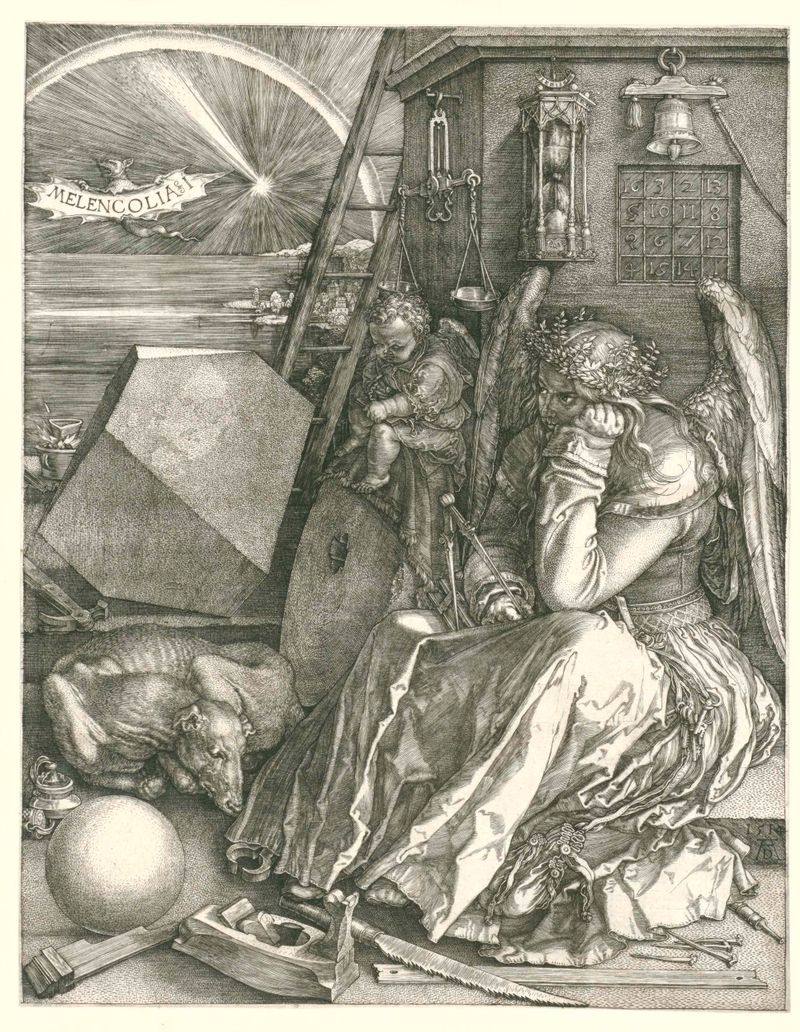
Melancholia
Albrecht Dürer
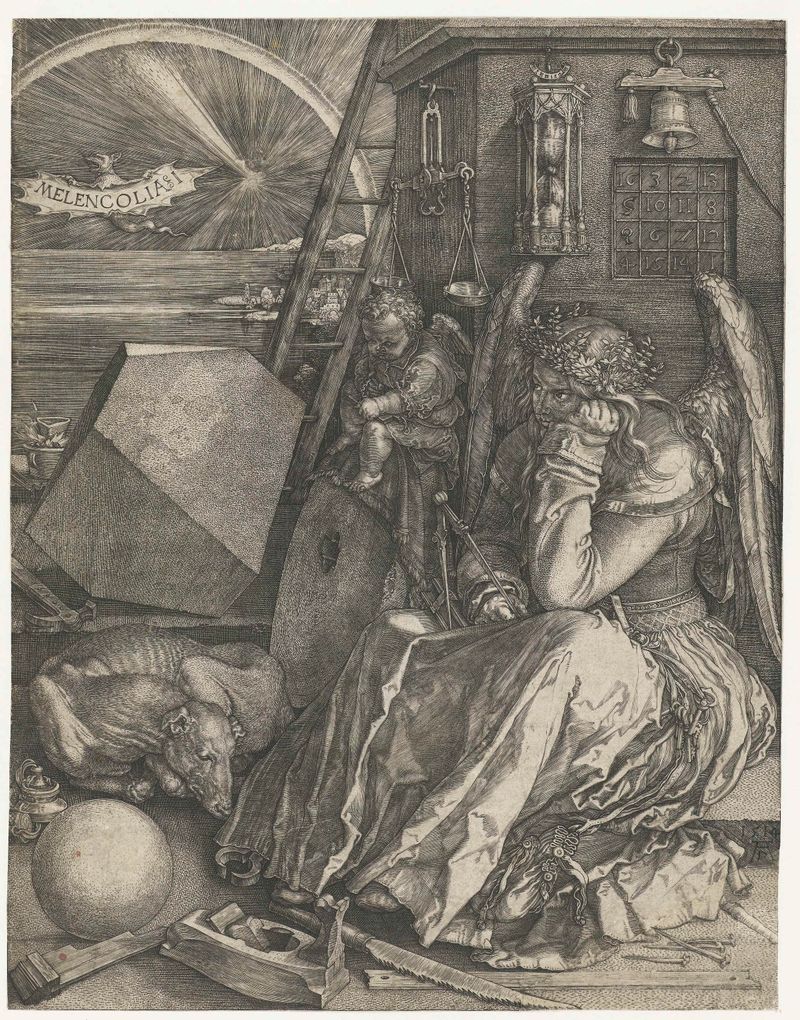
Melancholie
Albrecht Dürer
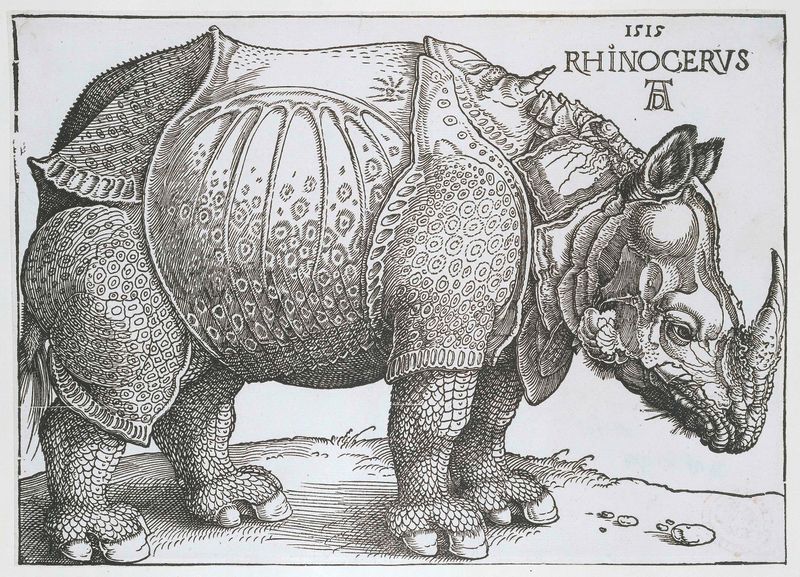
Neushoorn
Albrecht Dürer
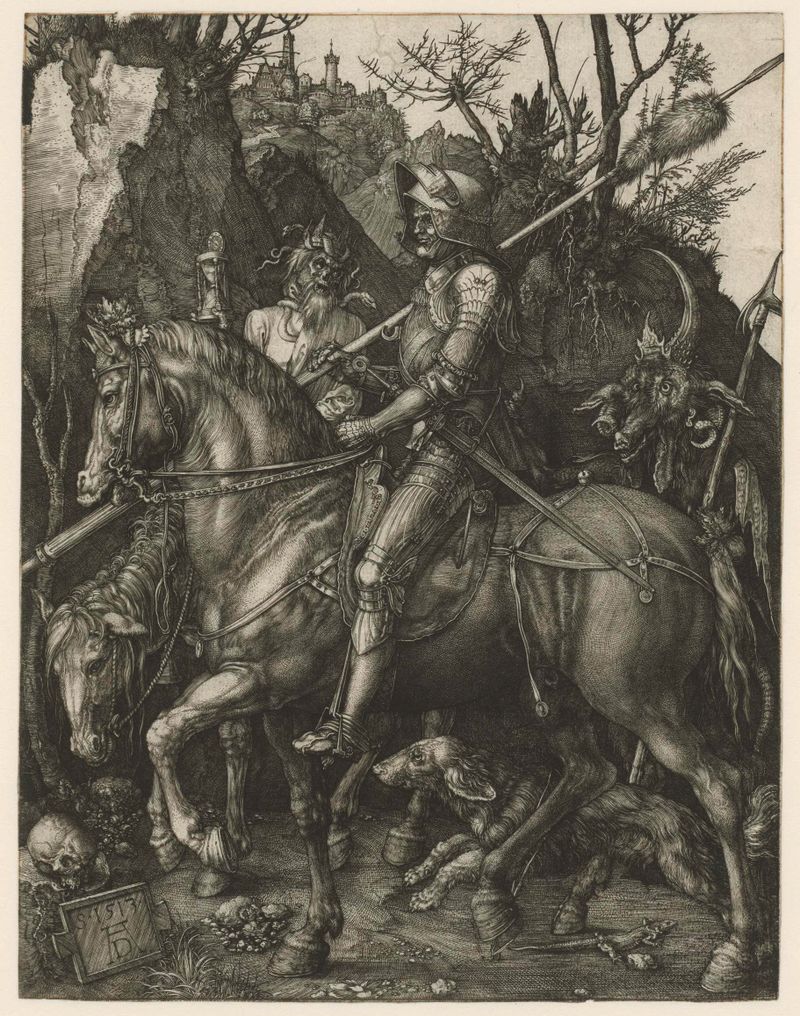
Knight, Death, and the Devil
Albrecht Dürer

De vier ruiters van de apocalyps
Albrecht Dürer

De vier ruiters van de apocalyps
Albrecht Dürer
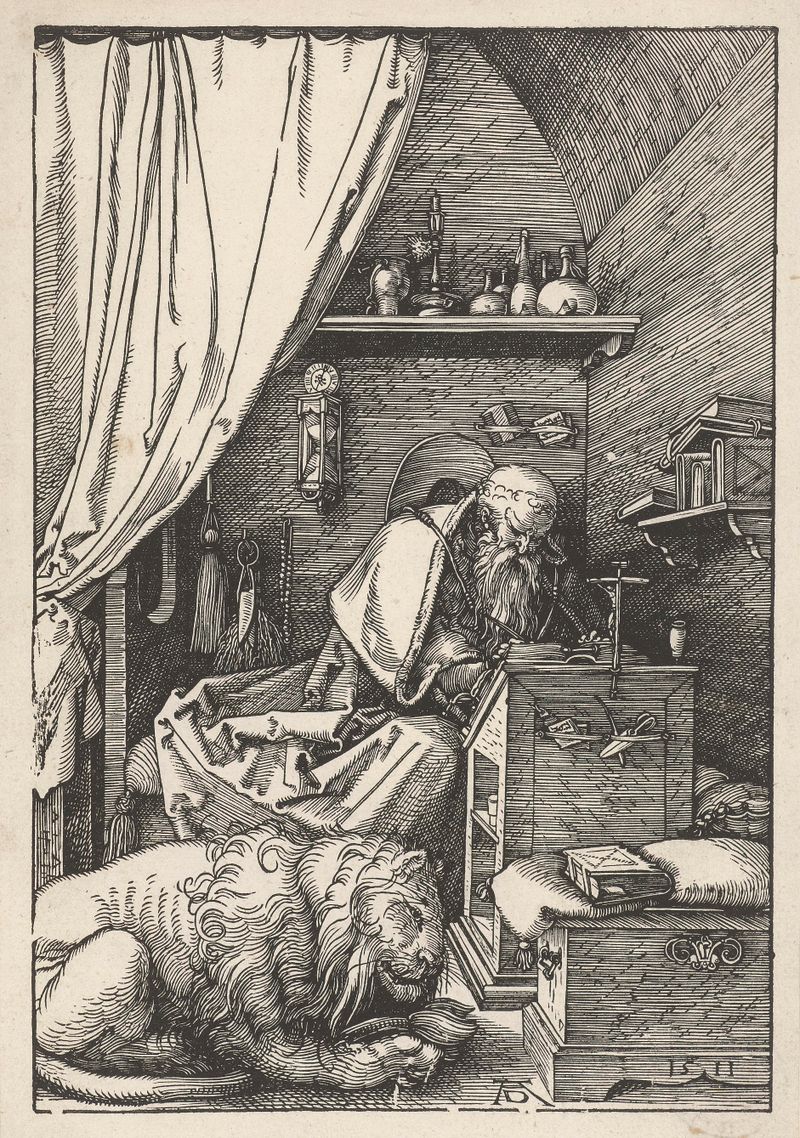
De Heilige Hiëronymus in zijn studeervertrek
Albrecht Dürer
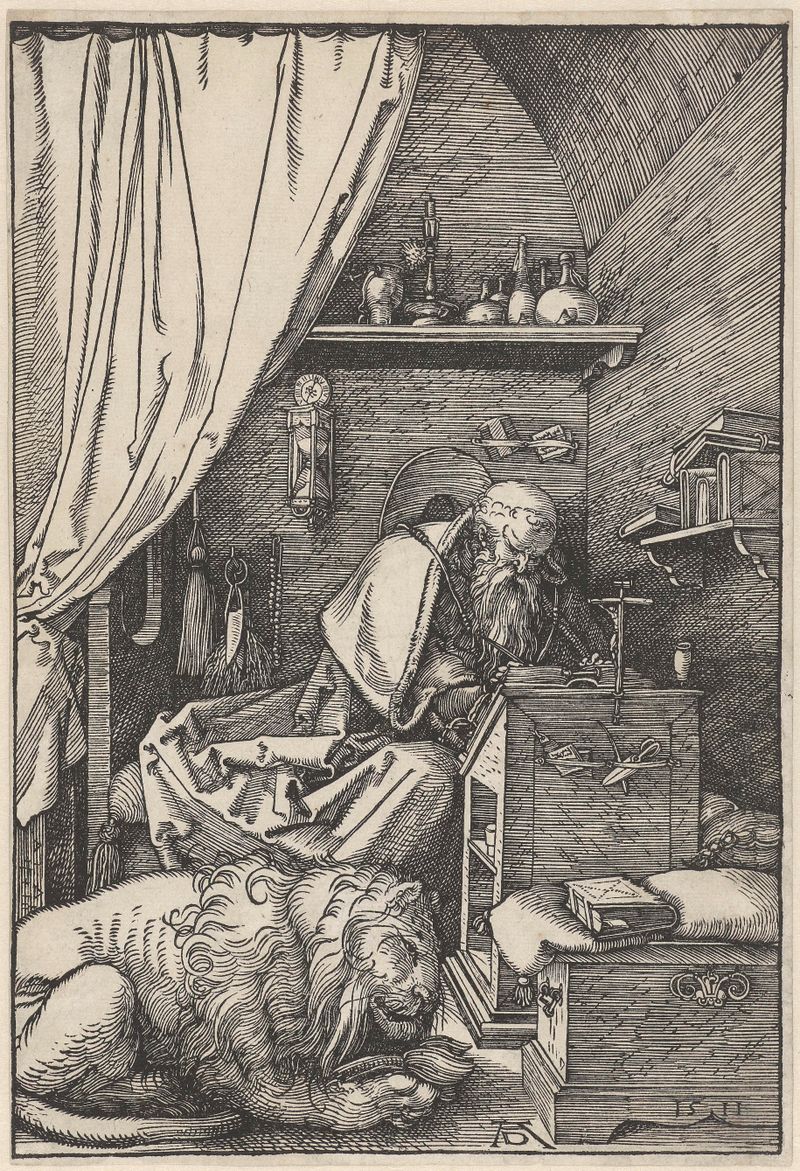
De Heilige Hiëronymus in zijn studeervertrek
Albrecht Dürer
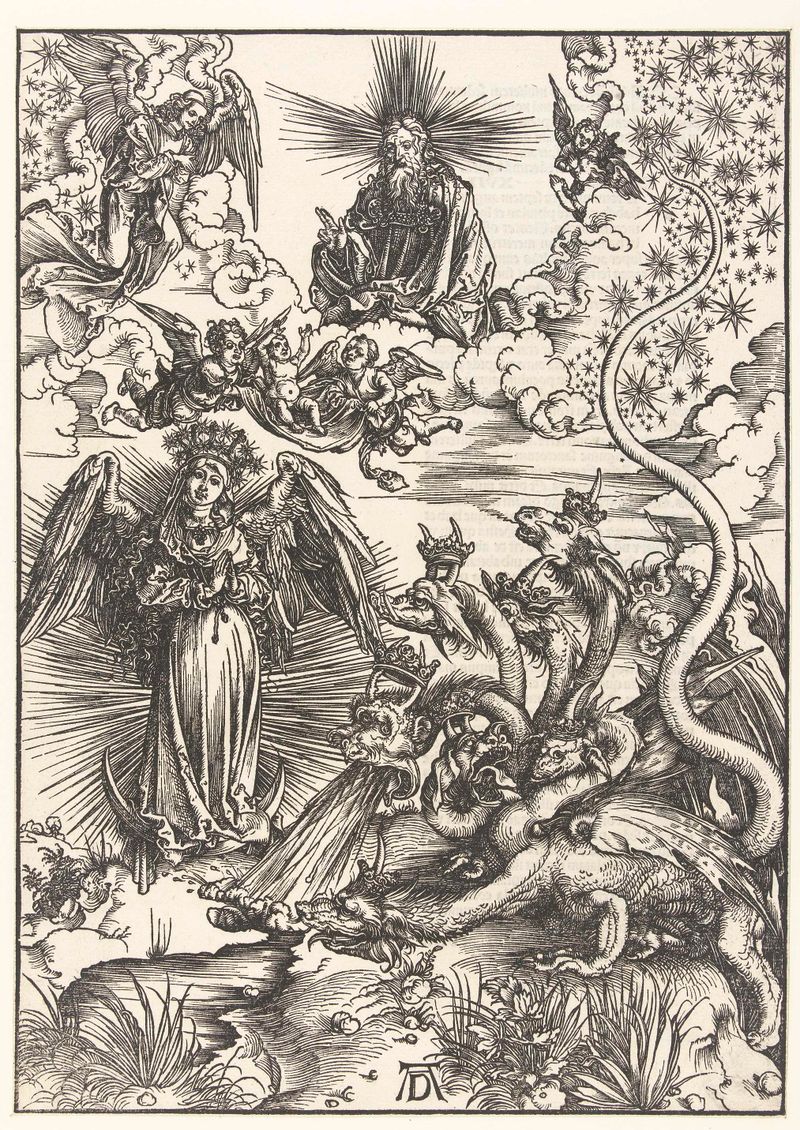
De apocalyptische vrouw en de zevenkoppige draak
Albrecht Dürer
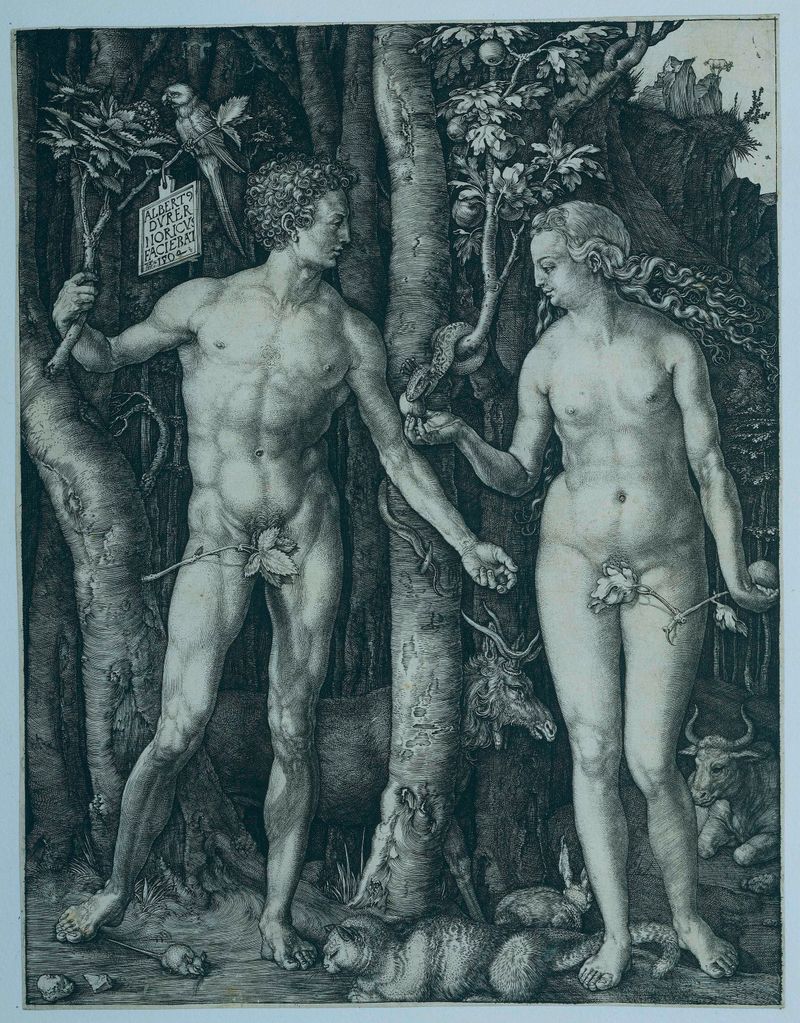
Adam en Eva
Albrecht Dürer
More Religious Art
Browse all →
The Return of the Prodigal Son
Rembrandt van Rijn

The Garden of Earthly Delights
El Bosco

Count Orgaz’ funeral
El Greco

The Hundred Guilder Print: the central piece with Christ preaching, the plate arched
Rembrandt van Rijn

The Descent from the Cross
Rogier van der Weyden

The return of the prodigal son
Rembrandt van Rijn