
Christus neemt afscheid van zijn moeder — History & Facts
Where does light end, and longing begin? In the delicate interplay of shadow and illumination, we find the haunting fragility of human connection. Look to the center of the composition, where Christ's tender gaze meets that of his mother. Notice how the soft, golden light envelops their figures, casting a gentle aura that accentuates their emotional exchange. The intricate details in their garments, from the delicate folds to the vibrant colors, serve to highlight their differing statuses—one divine, the other mortal—while the background fades into an ambiguous blur, drawing our focus inward. As you explore further, you'll find a profound tension between the figures.
The mother’s sorrowful expression contrasts starkly with Christ's serene acceptance, a visual dialogue that speaks of impending farewells. Each detail—the slight quiver of her hand, the subtle arch of his brow—whispers of fragility, expertly rendered in oil. This emotional depth prompts contemplation of the inevitable, connecting the viewer to a shared experience of loss and hope. In 1508-1509, when this piece was created, Dürer was at the height of his artistic prowess in Nuremberg, navigating the complex currents of the Northern Renaissance.
It was a time of both personal evolution and religious upheaval, as the artist grappled with themes of faith and humanity. The world was changing, yet this intimate moment captures the timeless essence of love and parting, framed by the artist's meticulous skill.
More Artworks by Albrecht Dürer
Browse all →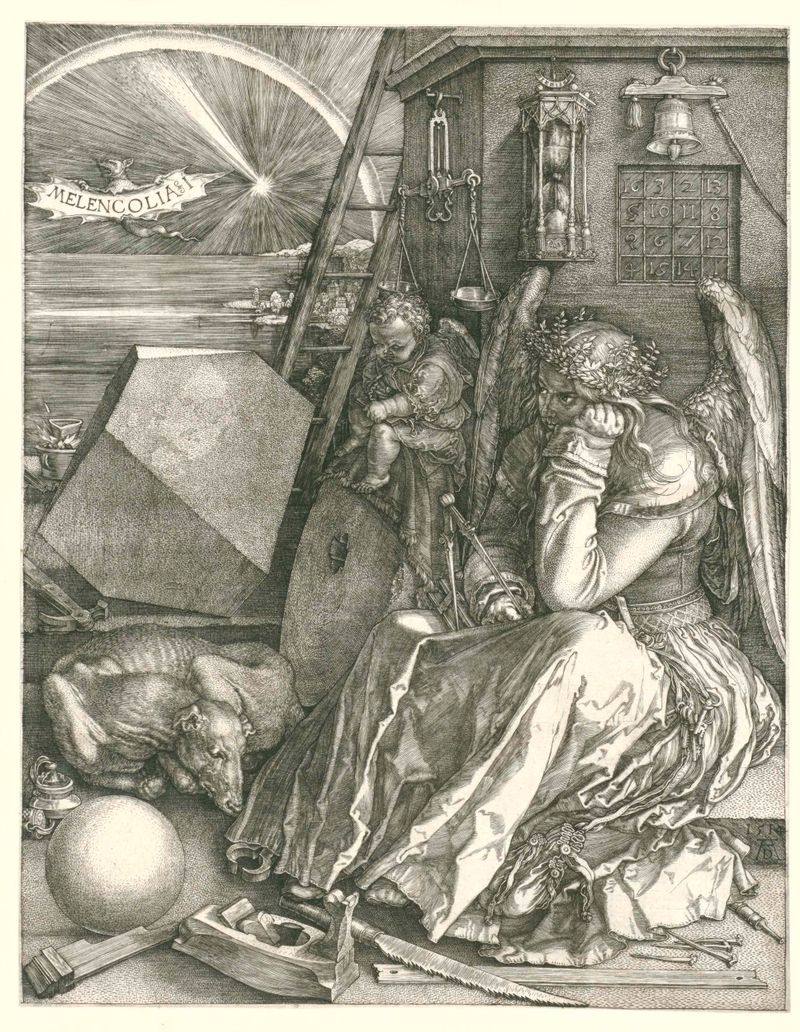
Melancholia
Albrecht Dürer
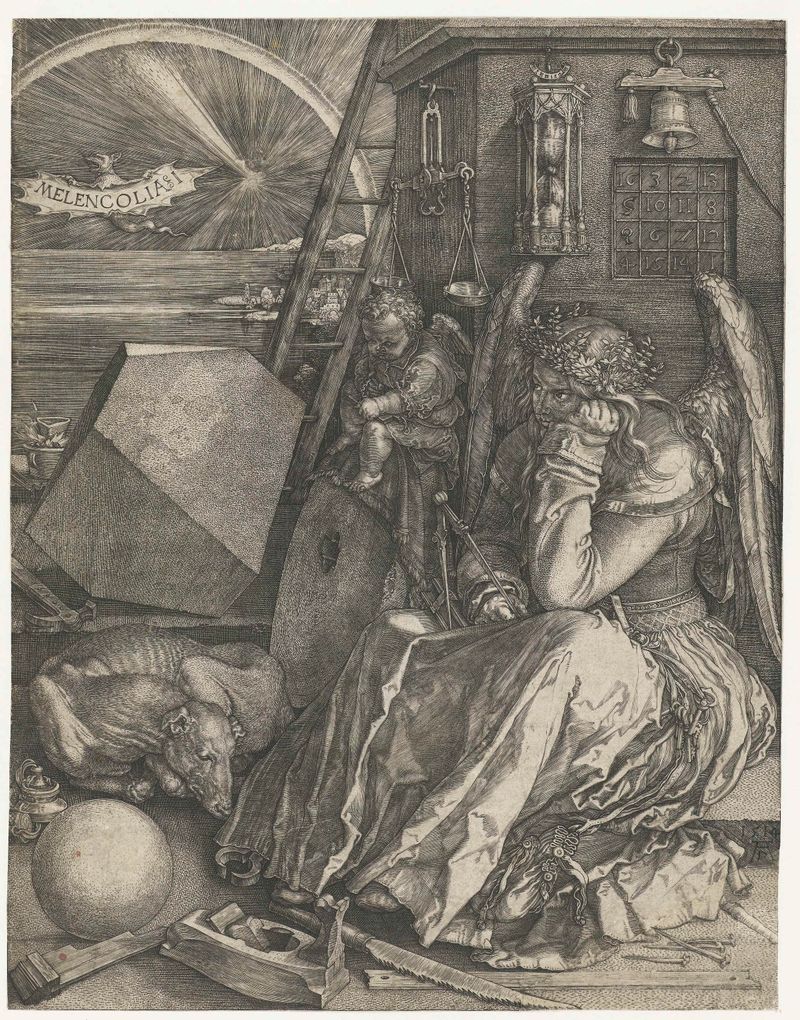
Melancholie
Albrecht Dürer
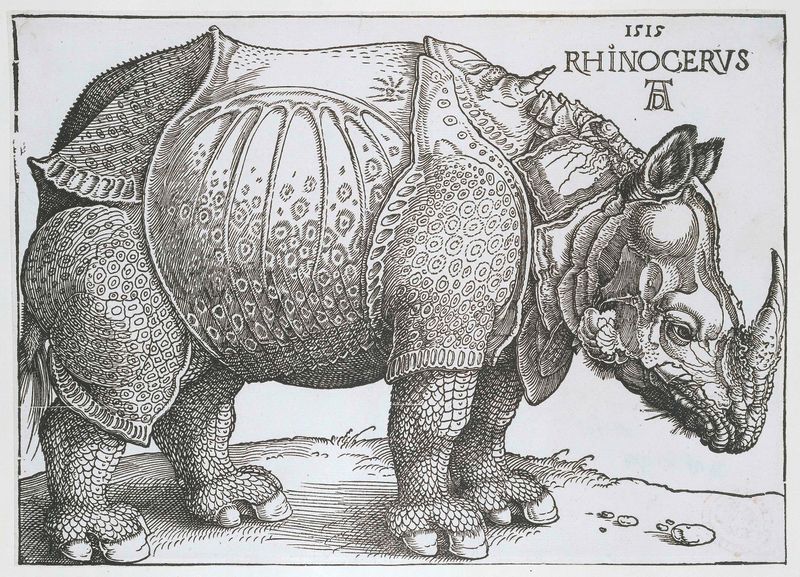
Neushoorn
Albrecht Dürer
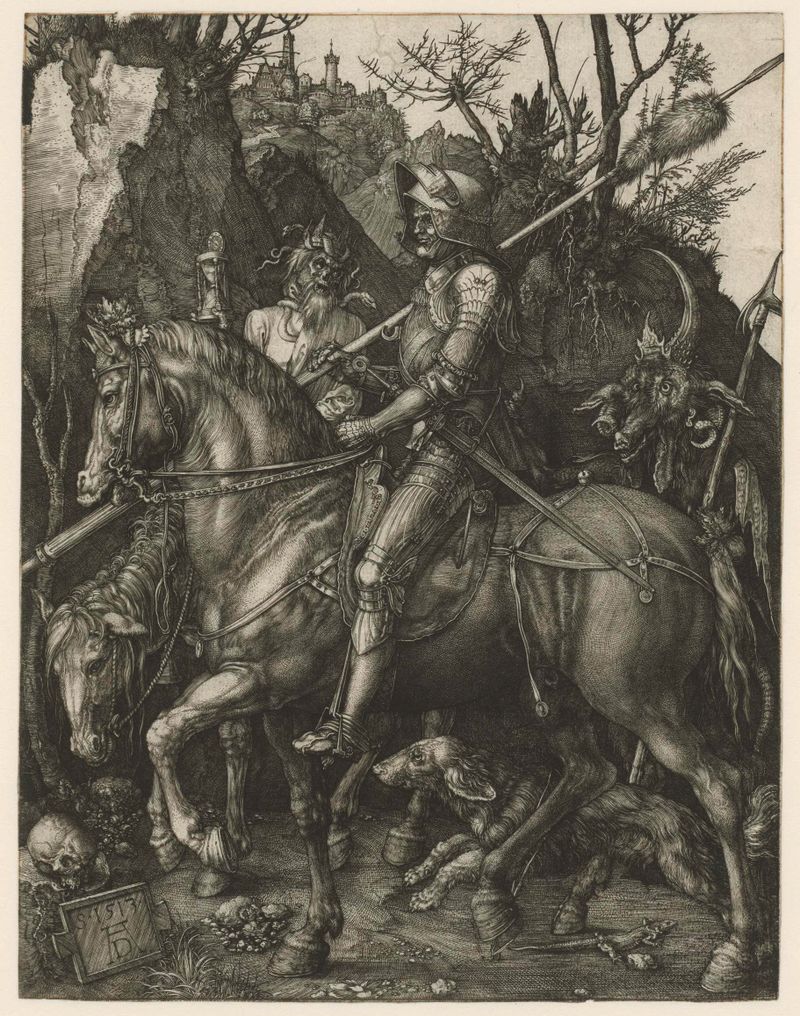
Knight, Death, and the Devil
Albrecht Dürer

De vier ruiters van de apocalyps
Albrecht Dürer

De vier ruiters van de apocalyps
Albrecht Dürer
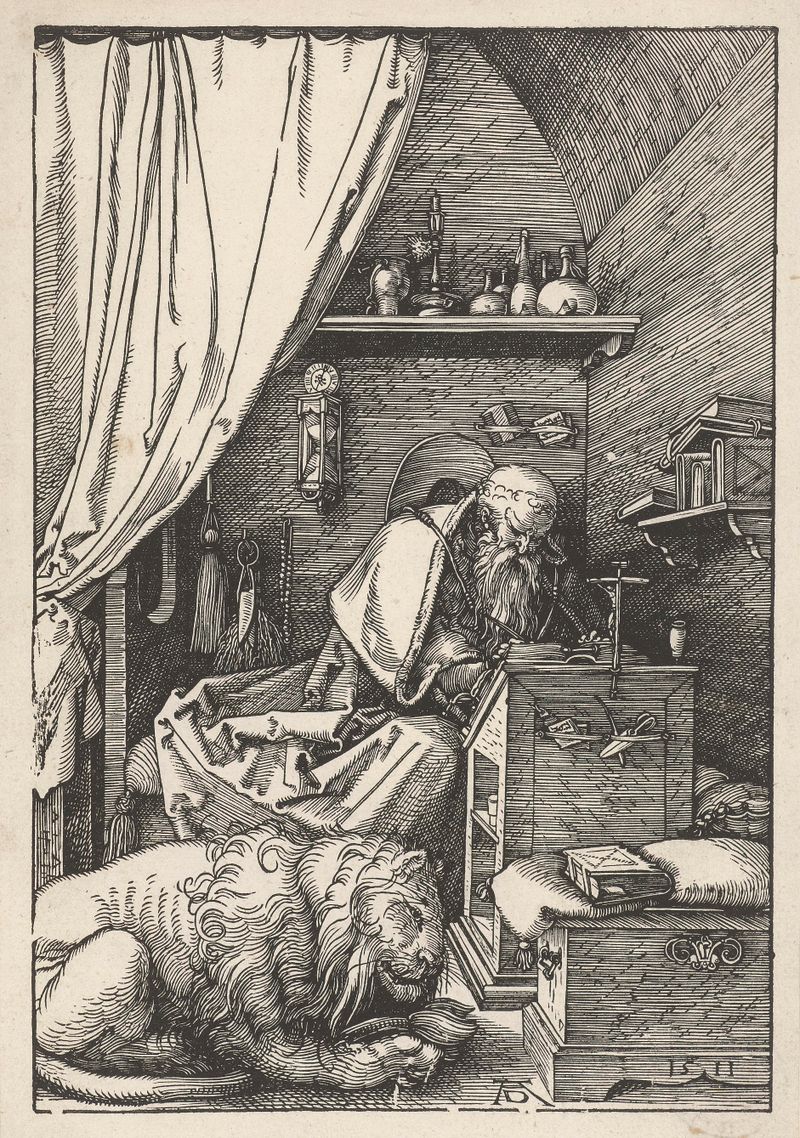
De Heilige Hiëronymus in zijn studeervertrek
Albrecht Dürer
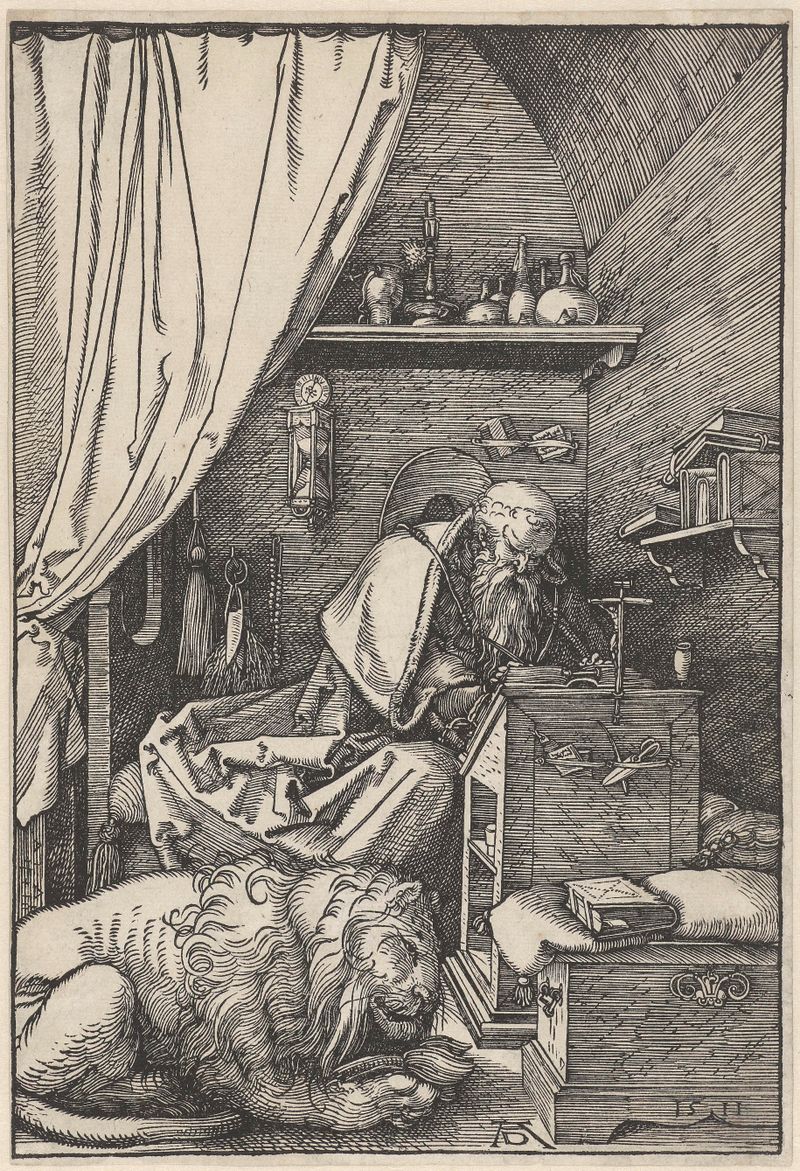
De Heilige Hiëronymus in zijn studeervertrek
Albrecht Dürer
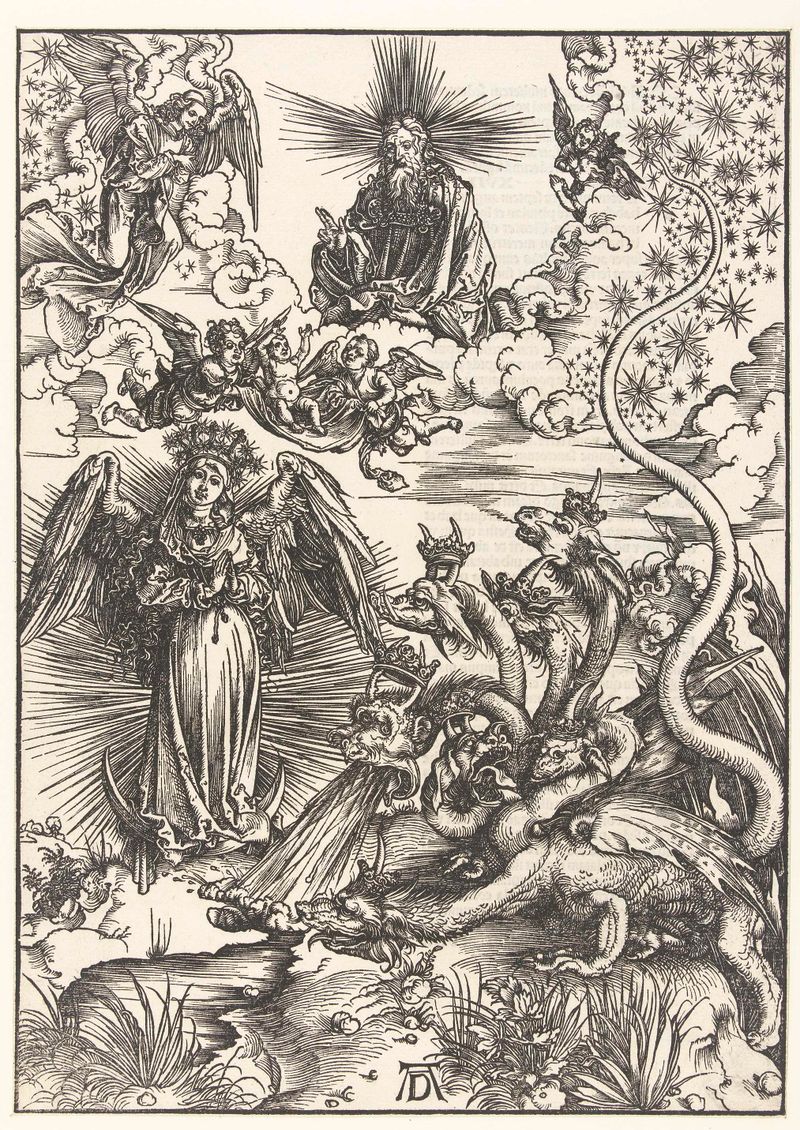
De apocalyptische vrouw en de zevenkoppige draak
Albrecht Dürer
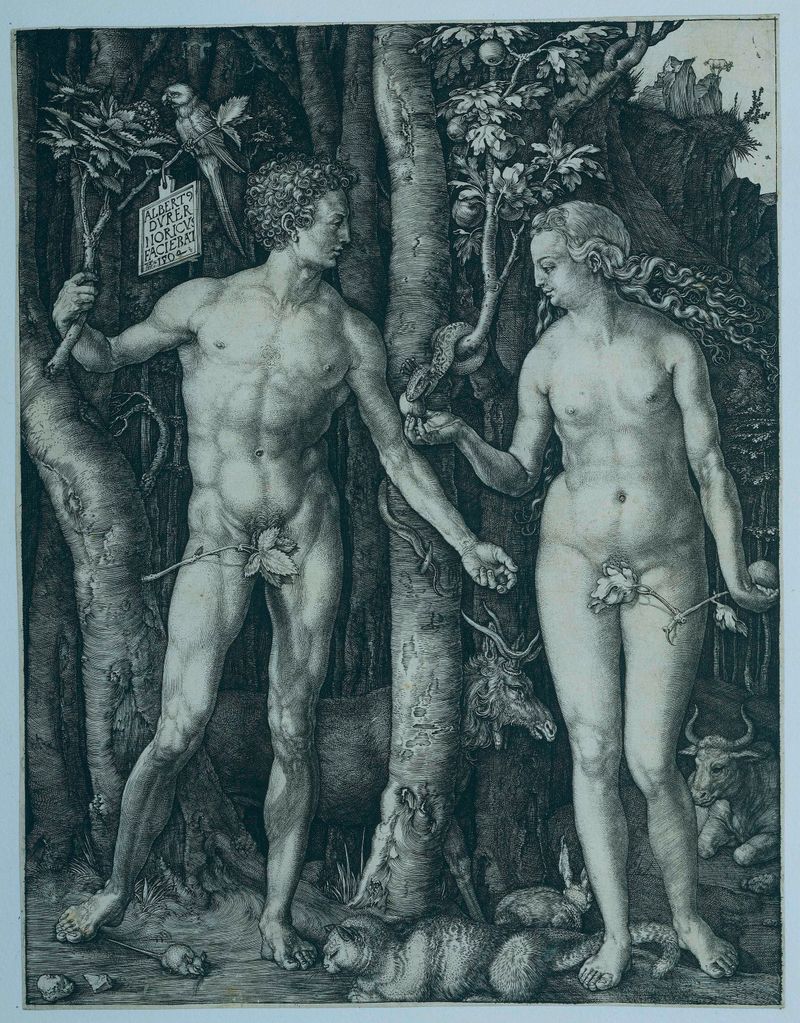
Adam en Eva
Albrecht Dürer
More Religious Art
Browse all →
The Return of the Prodigal Son
Rembrandt van Rijn

The Garden of Earthly Delights
El Bosco

Count Orgaz’ funeral
El Greco

The Hundred Guilder Print: the central piece with Christ preaching, the plate arched
Rembrandt van Rijn

The Descent from the Cross
Rogier van der Weyden

The return of the prodigal son
Rembrandt van Rijn