
Christus op de koude steen — History & Facts
Where does light end, and longing begin? This question echoes through the depths of Christus op de koude steen, resonating with the viewer's soul as they confront the delicate balance of divinity and despair. Look to the foreground, where the figure of Christ rests on a cold stone surface, His body draped in soft, muted colors that contrast with the starkness of the background. The light illuminates His serene yet sorrowful face, casting subtle shadows that add depth and drama. Notice how the artist captures the textures of His skin and the cloth, each stroke revealing emotion, inviting you to ponder the weight of His sacrifice and the coldness of the stone beneath Him. The composition grapples with emotional tension—Christ’s tranquil expression belies the profound suffering and isolation suggested by the cold stone.
The juxtaposition of light and shadow not only reveals physical form but also hints at a psychological state, a madness rooted in longing for connection amidst solitude. Each detail, from the gentle curve of His fingers to the faint glimmer of light reflecting off the stone, intensifies the narrative of sacrifice and yearning. Created by Jacob Binck in the early 16th century, this piece reflects the artist's exploration of religious themes during the Northern Renaissance. At this time, Europe was witnessing significant shifts in artistic expression and belief systems, as the Protestant Reformation began to influence the depiction of sacred subjects.
Binck, working in the Netherlands, synthesized these changes into a powerful visual statement that resonates with the complexities of faith and the human condition.
More Artworks by Jacob Binck
Browse all →
Portret van Christiaan II, koning van Denemarken
Jacob Binck

Christus en de Samaritaanse vrouw
Jacob Binck
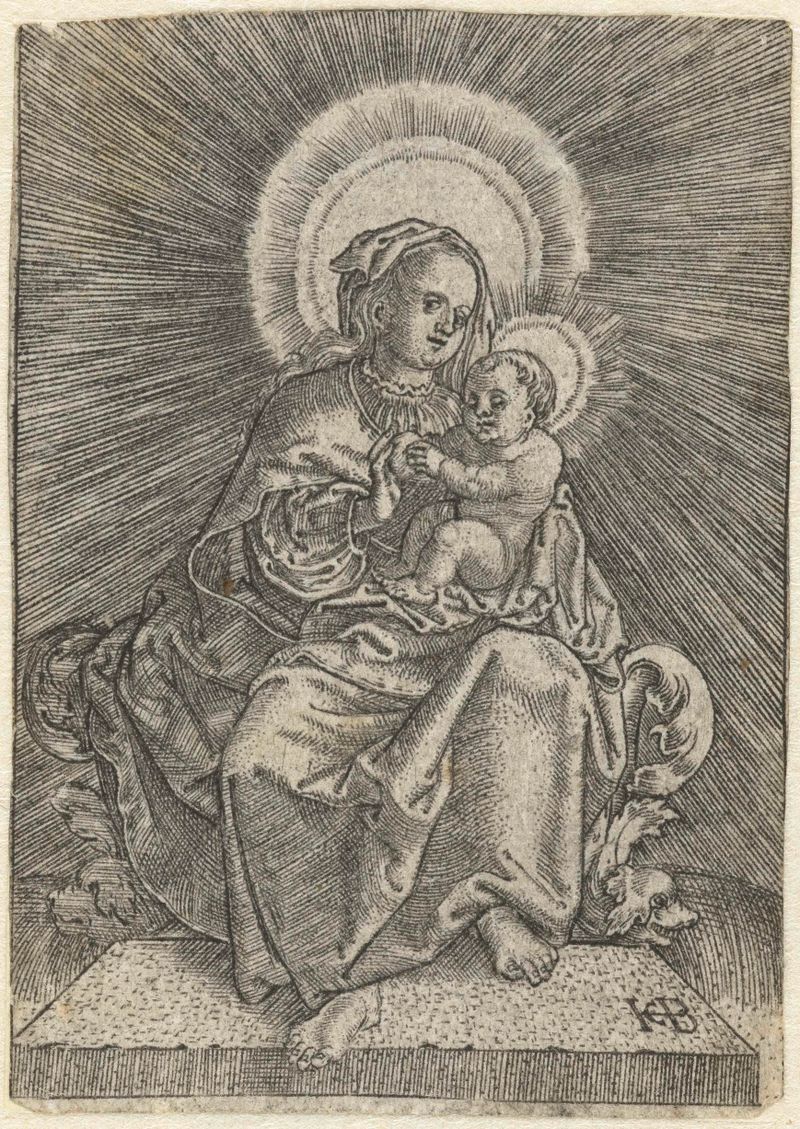
Tronende Maria met kind en appel in stralenkrans
Jacob Binck

Ornament met twee putti op dolfijnen onder een vaas
Jacob Binck
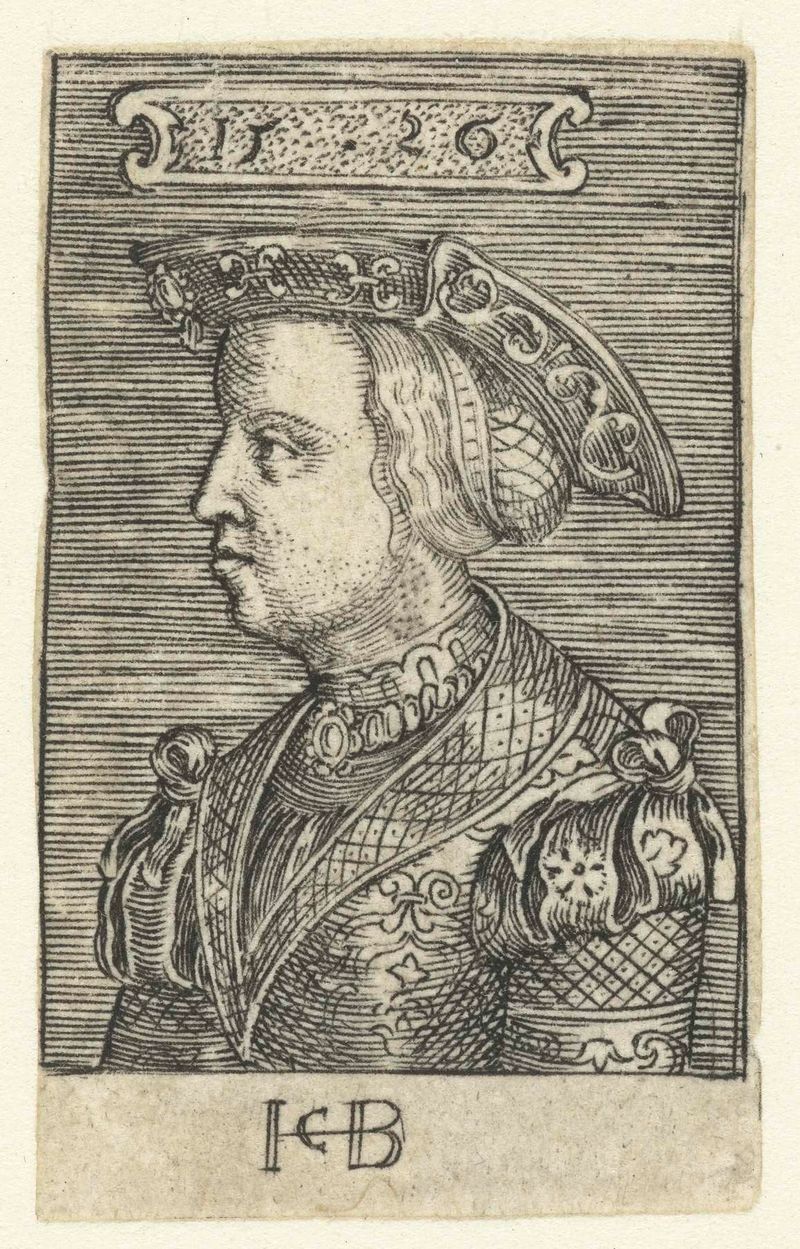
Portret van Claudia van Valois, echtgenote van Frans I
Jacob Binck

Ceres met kroon van korenaren, sikkel, brandende toorts en tweekoppige slang
Jacob Binck
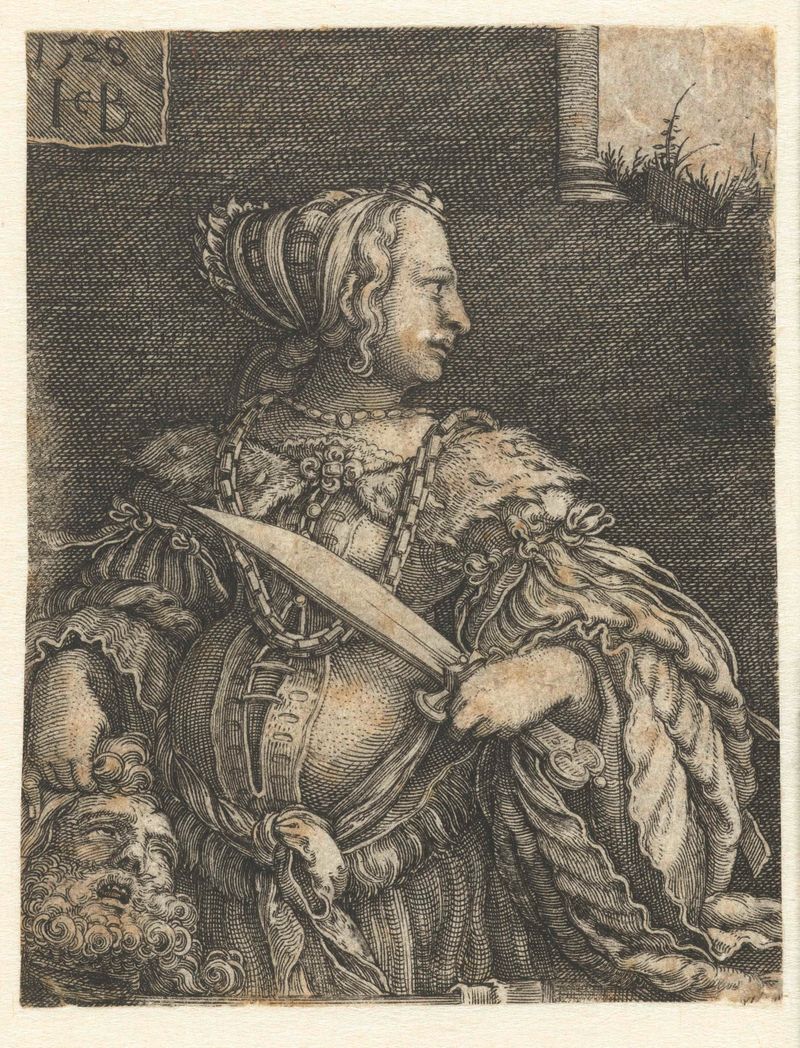
Judith met het hoofd van Holofernes
Jacob Binck
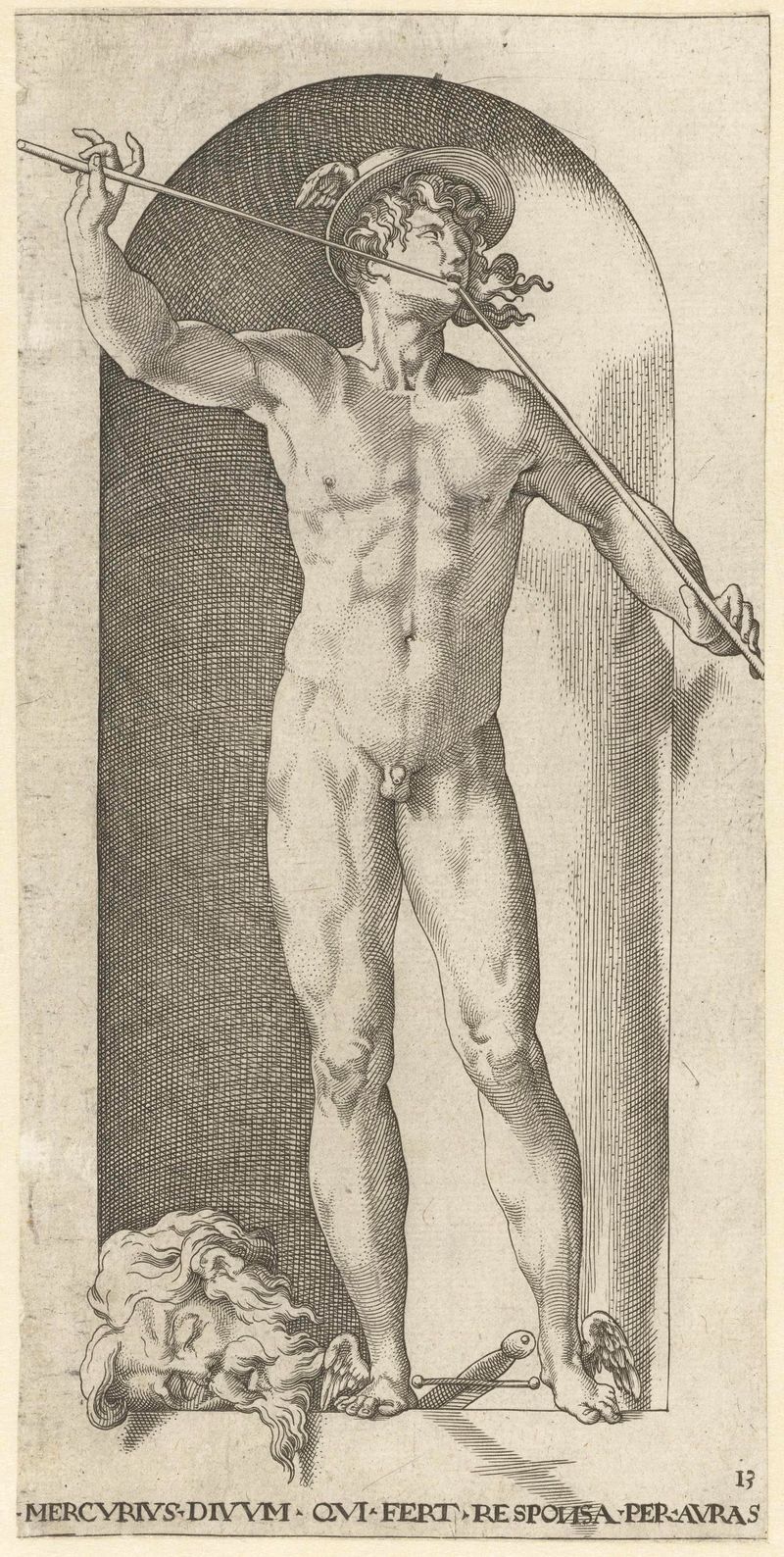
Mercurius met het hoofd van Argus
Jacob Binck

Minerva (Pallas Athena) met Medusahoofd op schild
Jacob Binck
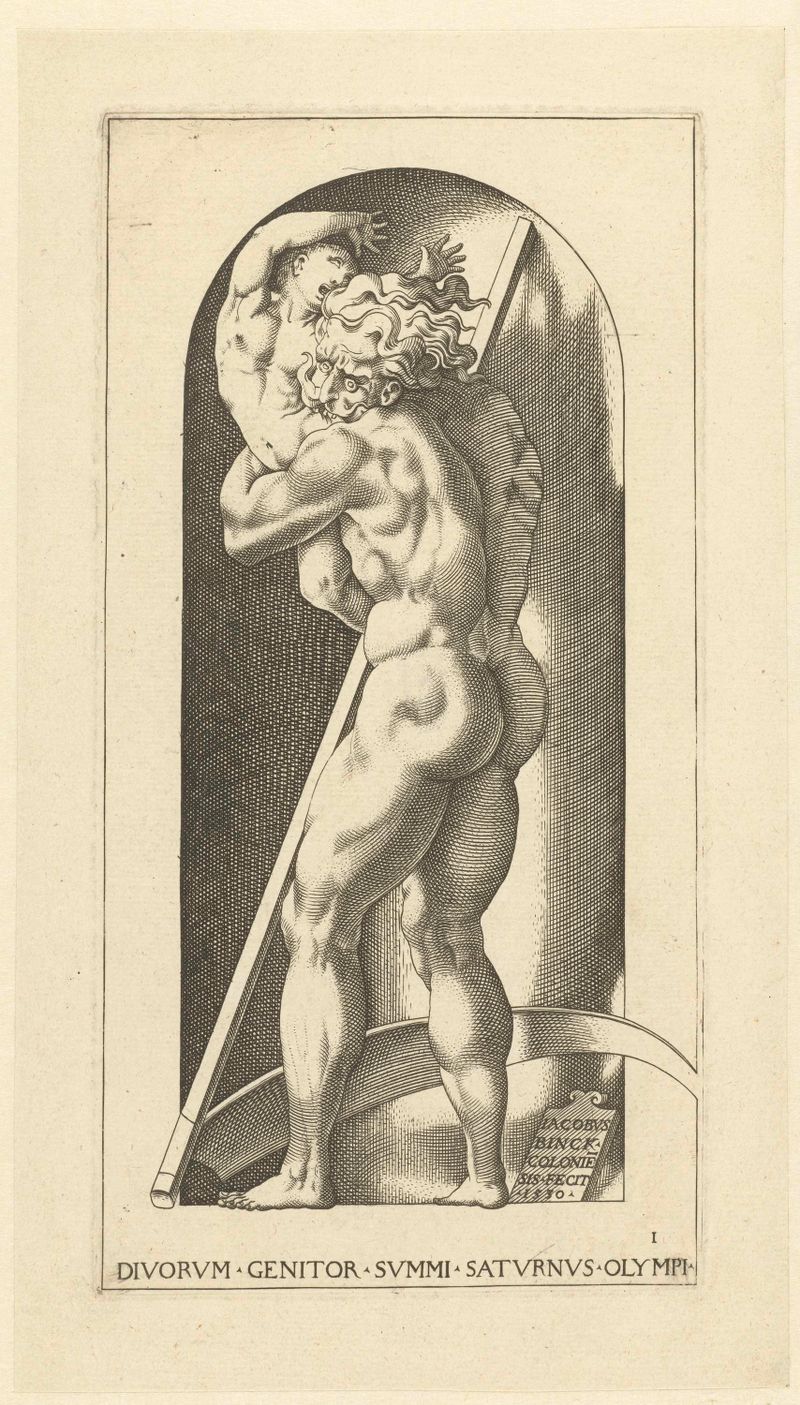
Saturnus verslindt zijn kind
Jacob Binck
More Religious Art
Browse all →
The Return of the Prodigal Son
Rembrandt van Rijn

The Garden of Earthly Delights
El Bosco

Count Orgaz’ funeral
El Greco

The Hundred Guilder Print: the central piece with Christ preaching, the plate arched
Rembrandt van Rijn

The Descent from the Cross
Rogier van der Weyden

The return of the prodigal son
Rembrandt van Rijn