
Portret van Claudia van Valois, echtgenote van Frans I — History & Facts
In the quiet depths of Portret van Claudia van Valois, echtgenote van Frans I, the essence of solitude lingers, like a forgotten melody echoing through time. The viewer is drawn not just to the subject's gaze, but into the profound silence that permeates the canvas. Look to the center, where Claudia's poised figure emerges, draped in a sumptuous gown of deep crimson and gold. The light gently caresses her face, enhancing the delicate features that betray a hint of melancholy.
Notice how the intricate details of her attire, from the rich patterns to the silver embroidery, speak of nobility and the weight of expectations. The background, a subtle blend of muted colors, serves to amplify her presence while echoing a sense of isolation. As you explore the painting further, consider the contrast between Claudia's regal adornments and the shadow of loneliness that envelops her. The tension between her elaborate attire and her somber expression suggests a life lived in the public eye yet fraught with personal sacrifice.
Each brushstroke captures a moment of introspection, revealing the tension of a woman who embodies both strength and vulnerability. In 1526, Jacob Binck painted this portrait during a time when the Renaissance was flourishing, and individual expression was gaining prominence in art. Binck, emerging from the cultural vibrancy of Northern Europe, found himself grappling with the complexities of identity and emotion in his subjects. This piece encapsulates not only Claudia's royal lineage as the wife of King Francis I of France but also the universal experience of loneliness that transcends time and status.
More Artworks by Jacob Binck
Browse all →
Portret van Christiaan II, koning van Denemarken
Jacob Binck

Christus en de Samaritaanse vrouw
Jacob Binck
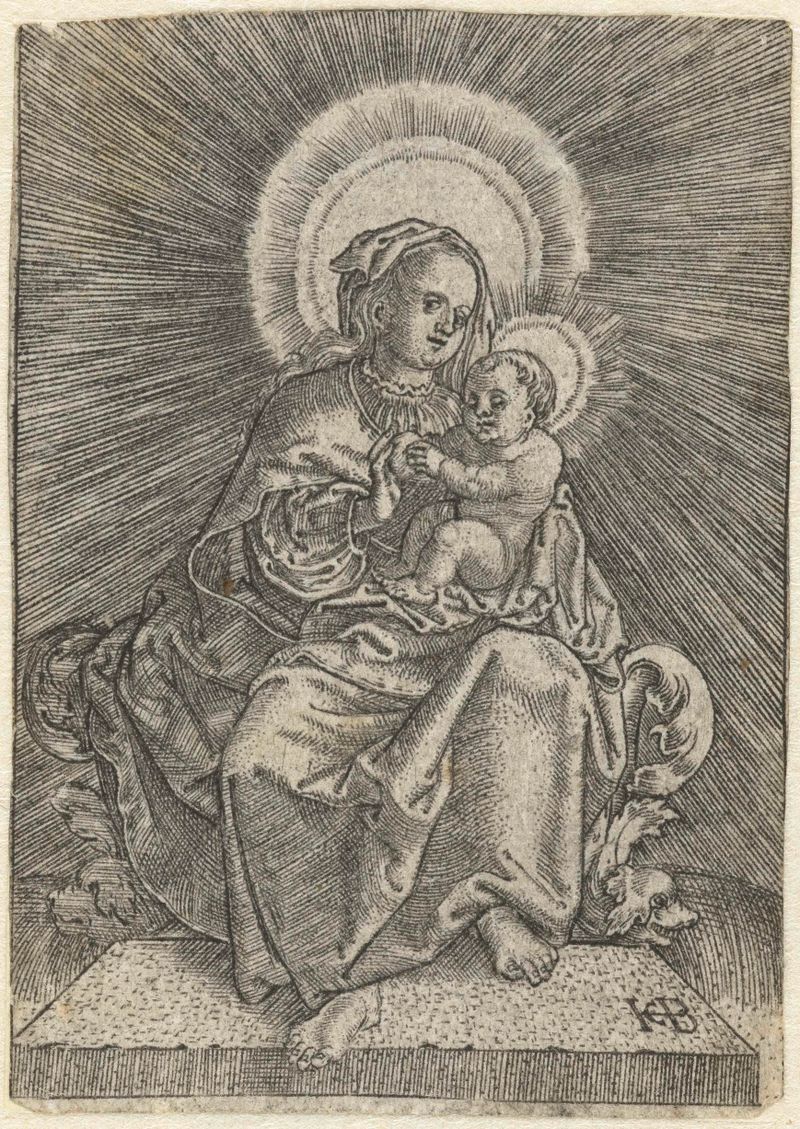
Tronende Maria met kind en appel in stralenkrans
Jacob Binck

Christus op de koude steen
Jacob Binck

Ornament met twee putti op dolfijnen onder een vaas
Jacob Binck

Ceres met kroon van korenaren, sikkel, brandende toorts en tweekoppige slang
Jacob Binck
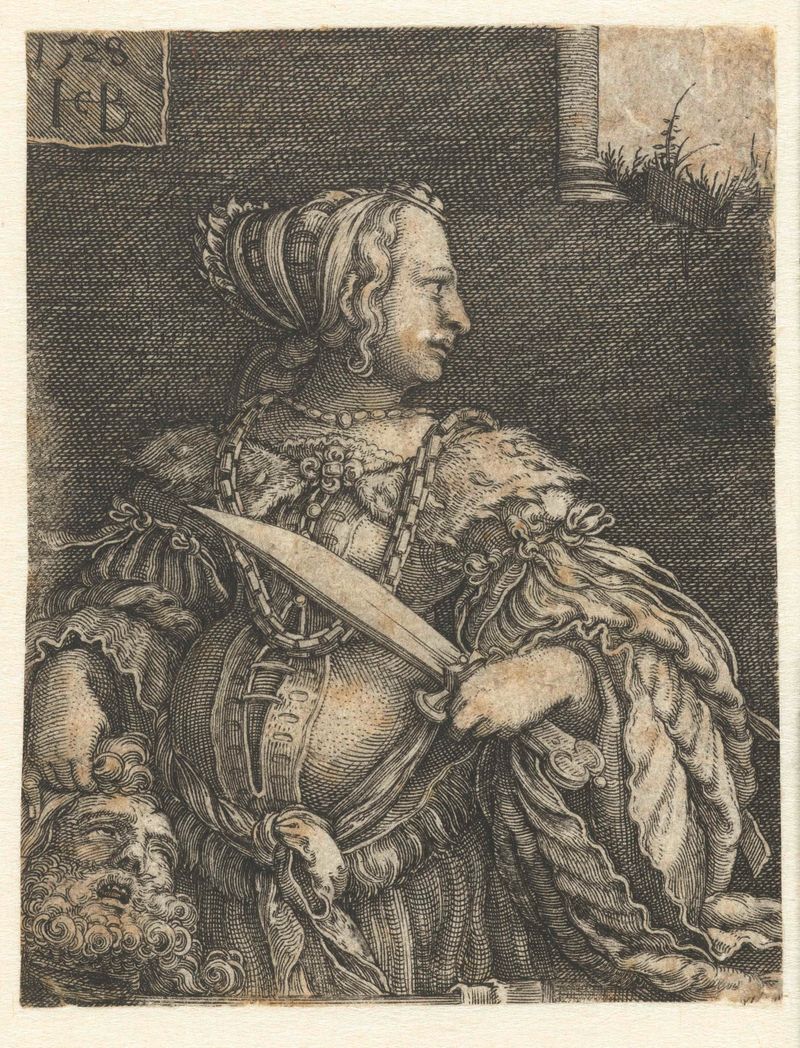
Judith met het hoofd van Holofernes
Jacob Binck
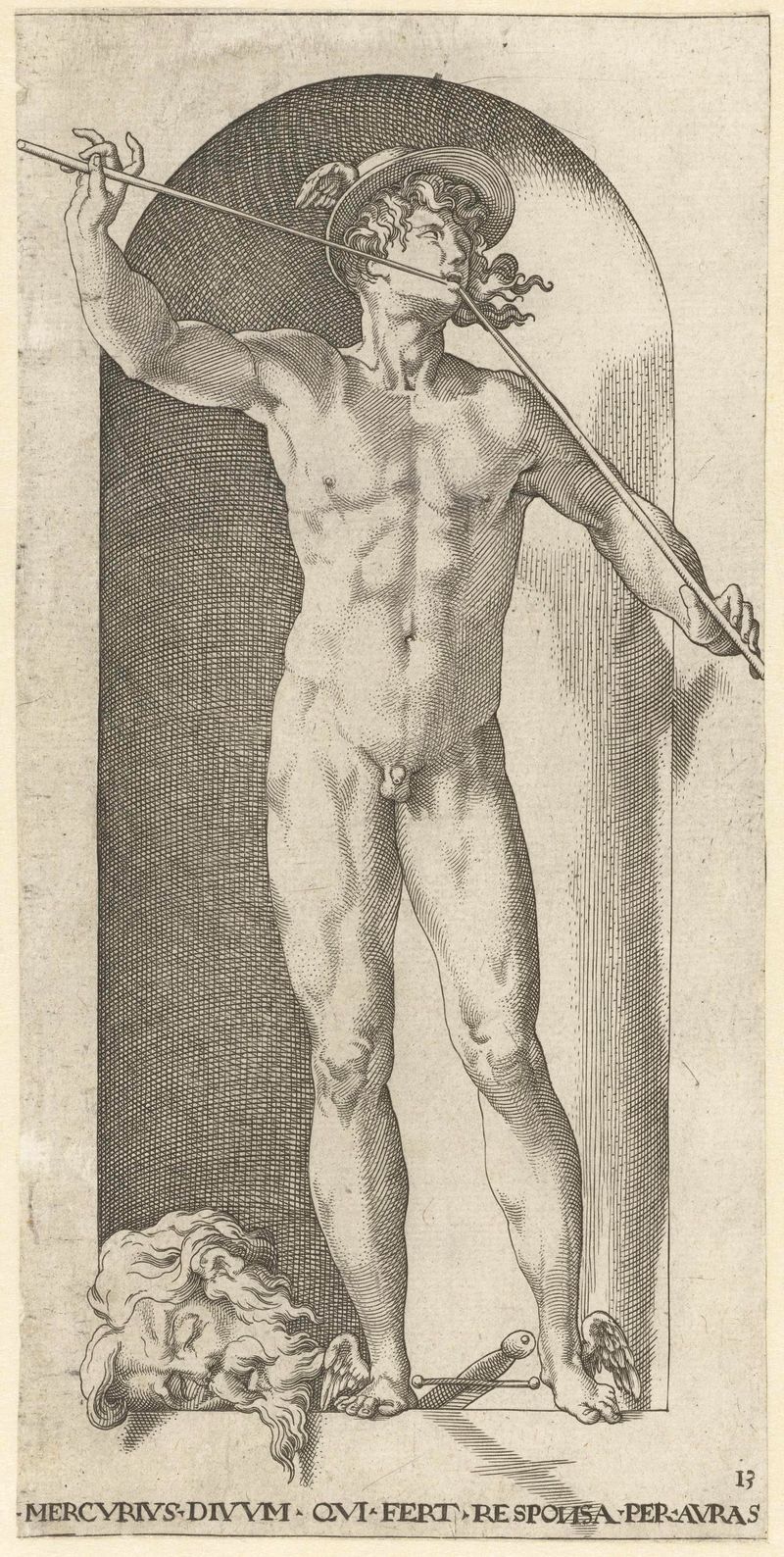
Mercurius met het hoofd van Argus
Jacob Binck

Minerva (Pallas Athena) met Medusahoofd op schild
Jacob Binck
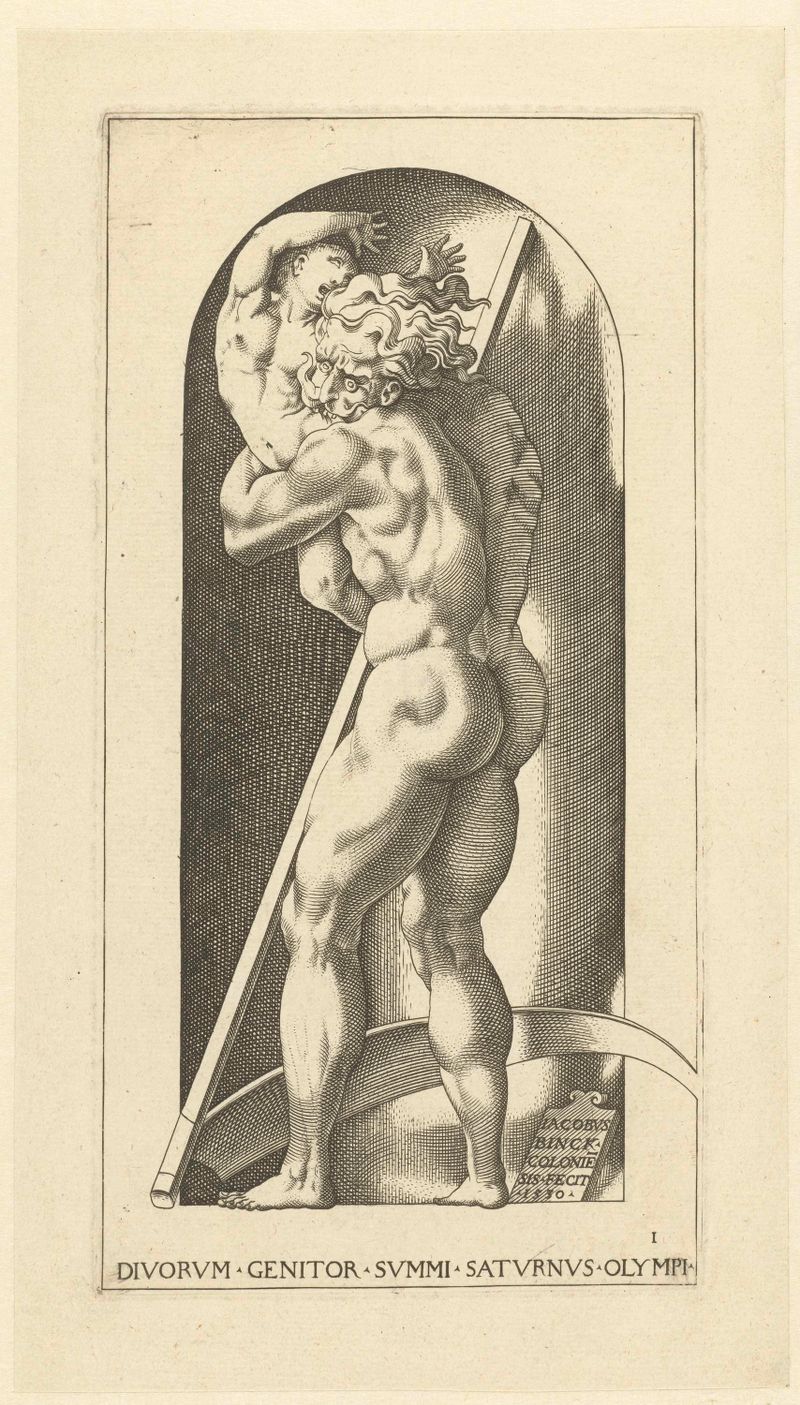
Saturnus verslindt zijn kind
Jacob Binck
More Portrait Art
Browse all →
Las meninas
Diego Velázquez

Self-portrait with a Bandaged Ear and Pipe
Unidentified artist

Girl with a Pearl Earring
Johannes Vermeer

The Sampling Officials of the Amsterdam Drapers’ Guild, Known as ‘The Syndics’
Rembrandt van Rijn

The Hundred Guilder Print: the man seen on the back in the lower left corner
Rembrandt van Rijn

Portrait of Dr Gachet
Vincent van Gogh