Mercurius met het hoofd van Argus — History & Facts
In the delicate interplay between art and history, there lies a legacy that transcends time. Focus first on the striking figure of Mercury, poised at the center, his features elegantly defined by gentle contours and soft hues. The warm palette of oranges and golds contrasts sharply with the cool tones of Argus's severed head, a chilling reminder of the narrative’s darker undertones. Note how the artist employs chiaroscuro to accentuate the divine radiance of Mercury, casting shadows that lend depth to the scene, conveying both movement and emotion within the stillness. As you explore the painting further, consider the symbolism woven into every detail.
The eyes of Argus, peering lifelessly, invite contemplation on themes of vigilance and mortality, while Mercury’s gaze carries a duality—one of triumph and sorrow. The juxtaposition of life and death creates an emotional tension that resonates within the viewer, exemplifying the bittersweet nature of legacy itself, where victory can be tinged with loss. In 1530, the artist was deeply engaged in the vibrant world of Renaissance humanism, creating this work during a period of great transformation in Northern Europe. Jacob Binck, based in Antwerp, was influenced by the emerging styles that integrated classical themes with contemporary ideals, a reflection of the burgeoning dialogue between tradition and innovation in art.
This painting encapsulates both a moment in mythology and an era in art history, forever linking the two through its exquisite execution and poignant subject matter.
More Artworks by Jacob Binck
Browse all →
Portret van Christiaan II, koning van Denemarken
Jacob Binck

Christus en de Samaritaanse vrouw
Jacob Binck
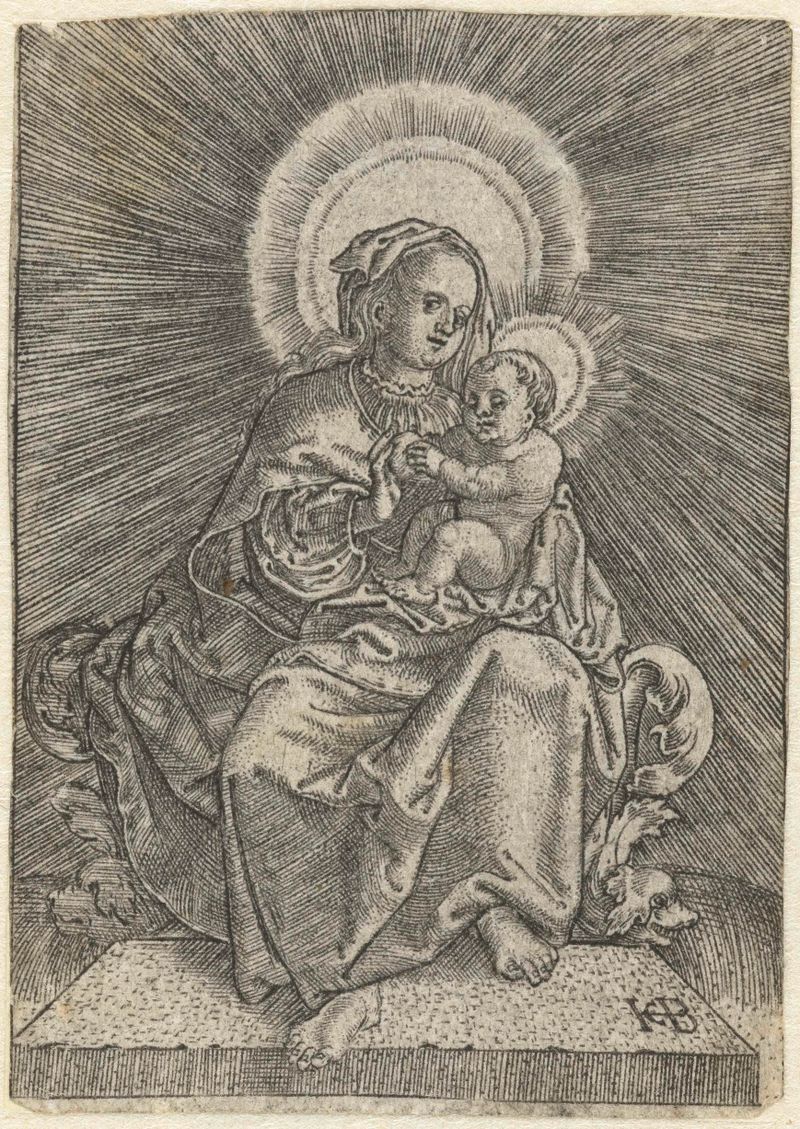
Tronende Maria met kind en appel in stralenkrans
Jacob Binck

Christus op de koude steen
Jacob Binck

Ornament met twee putti op dolfijnen onder een vaas
Jacob Binck
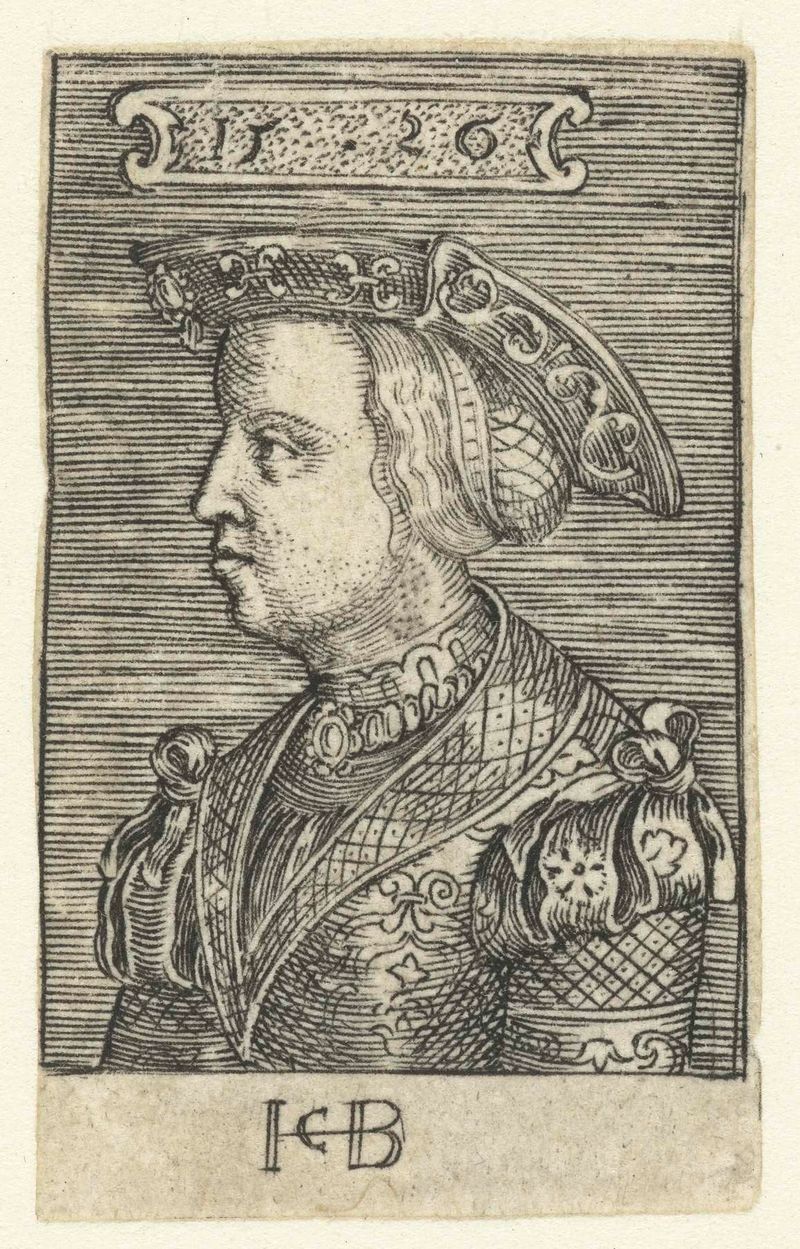
Portret van Claudia van Valois, echtgenote van Frans I
Jacob Binck

Ceres met kroon van korenaren, sikkel, brandende toorts en tweekoppige slang
Jacob Binck
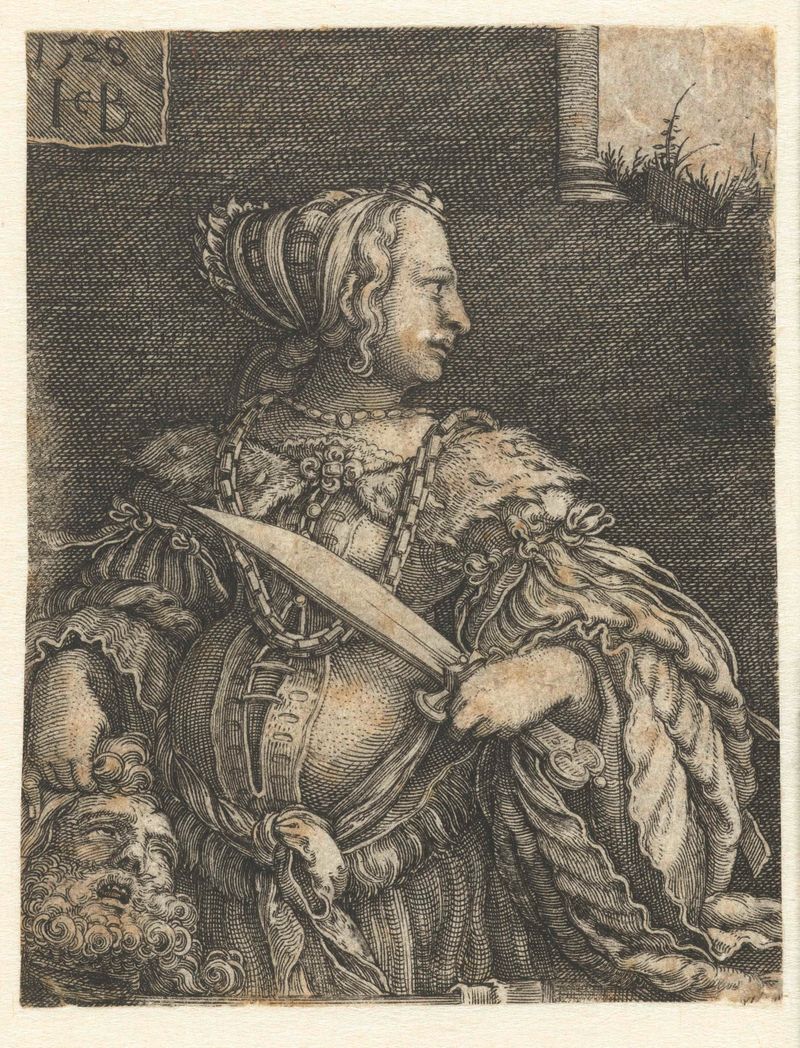
Judith met het hoofd van Holofernes
Jacob Binck

Minerva (Pallas Athena) met Medusahoofd op schild
Jacob Binck
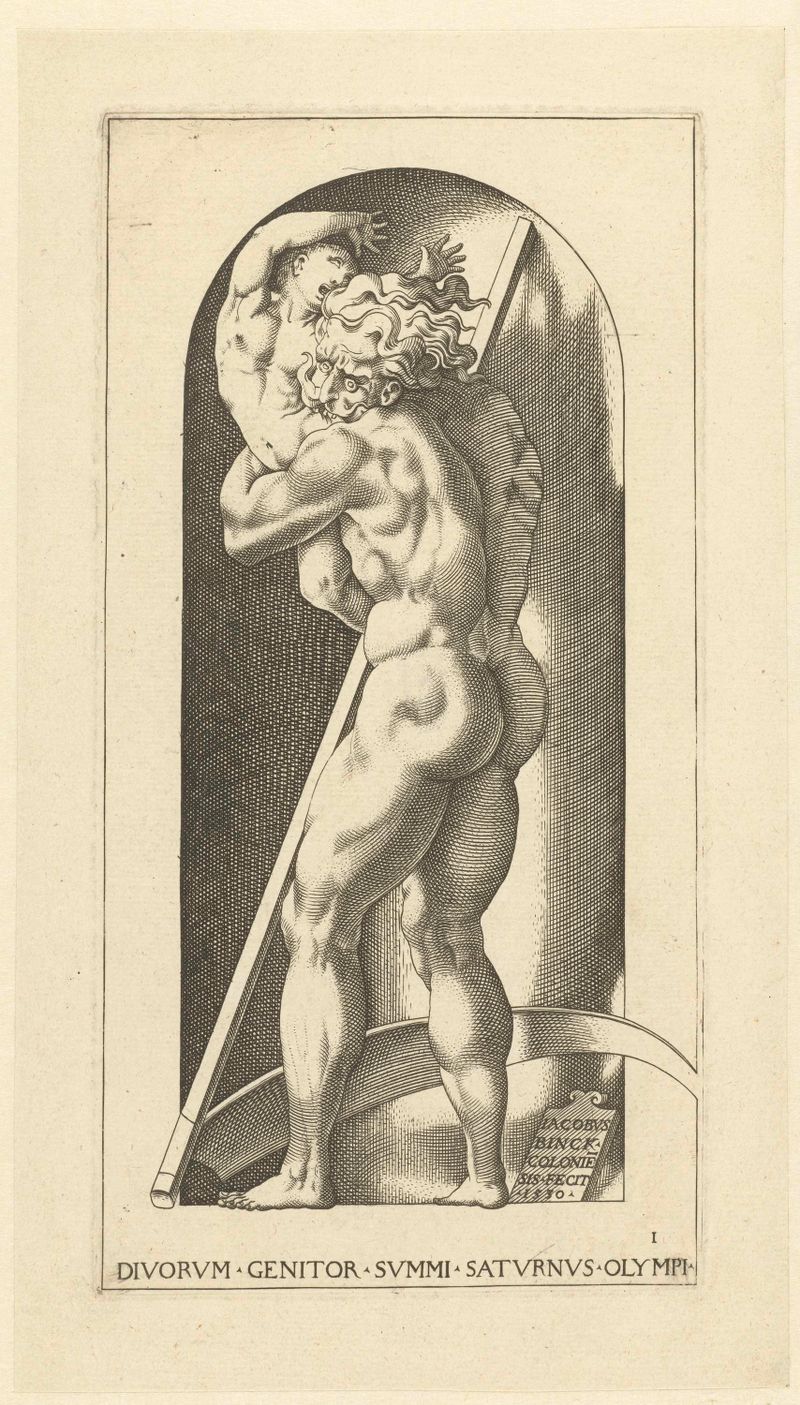
Saturnus verslindt zijn kind
Jacob Binck